Cecilia Chamidah Nur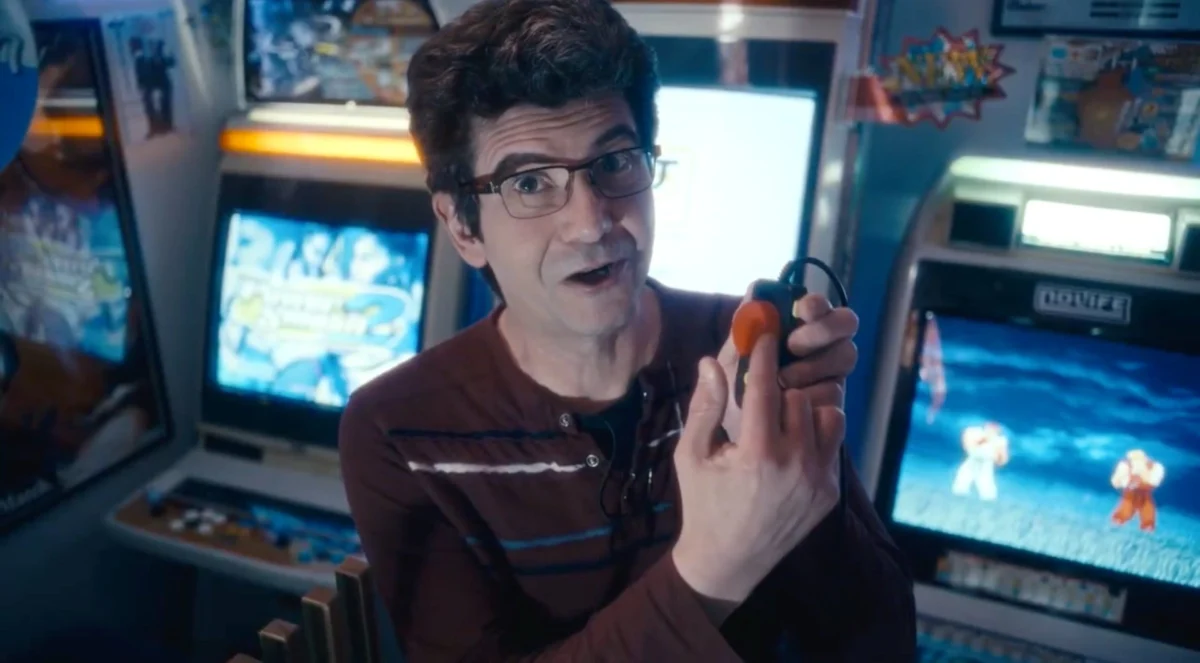
In a remarkable convergence of gaming heritage and modern innovation, Frédérick Raynal, a legendary figure in video game development known for pioneering titles like Alone in the Dark and Little Big Adventure, has announced a new project for the venerable Sega Genesis/Mega Drive console. Titled PopCorn Duel, the game is a remake of his 1988 PC title PopCorn and is being funded through a Kickstarter campaign. Adding to the intrigue, Raynal is also developing a bespoke peripheral, the PopCorn Spinner, specifically designed to enhance gameplay for his new creation and other potential titles. In a recent update, the campaign revealed that this innovative spinner controller will also support PC games, thanks to an in-development USB adapter, significantly broadening its appeal and utility.
Expanding Horizons: The PopCorn Spinner Embraces PC Gaming
The latest development from Raynal’s crowdfunding campaign, shared on April 17, 2026, details a crucial enhancement to the PopCorn Spinner: its forthcoming compatibility with PC gaming. This strategic move addresses a wider audience beyond the dedicated retro console enthusiasts. "The adaptor won’t be expensive but everyone who supports this campaign will get it a discount," Raynal stated, signaling an inclusive approach to early backers. This adapter promises to transform the PopCorn Spinner from a niche retro peripheral into a versatile controller capable of interacting with a "vast library of games new and old on PC." Furthermore, the adapter will facilitate the connection of standard 3- and 6-button Mega Drive/Genesis controllers to a PC, offering a dual benefit to gamers and further cementing its value proposition. This expansion is poised to open new avenues for both PopCorn Duel and future games developed for the Mega Drive/Genesis, while simultaneously tapping into the expansive and ever-growing PC gaming ecosystem. The update was accompanied by new gameplay footage, providing a fresh glimpse into the eagerly anticipated title.
The Genesis of PopCorn Duel: A Tribute Born from Loss
The journey of PopCorn Duel began not merely as a technical exercise but as a poignant tribute to a departed friend. Frédérick Raynal’s initial discussions with David Mekersa from GameCodeur.fr, an educator focused on programming, sparked the idea. Mekersa sought a suitable project for a C programming course tailored for the Mega Drive using SGDK (Sega Genesis Development Kit). Raynal immediately thought of PopCorn, his 1988 brick-breaker, recognizing its perfect thematic and temporal fit for a console released in the same year.
"This game is very well known to (older) gamers worldwide, and I have a special affection for that era and the time spent with Christophe Lacaze when we made it," Raynal recounted in an interview with Time Extension. Despite never having developed for the Mega Drive previously, Raynal, accustomed to working with "small machines," embraced the challenge. He embarked on adapting PopCorn with a didactic approach, meticulously building the game in progressive steps: from a basic paddle and ball to incorporating bonuses and monsters. Tragically, David Mekersa fell gravely ill and passed away before the adaptation was complete. Raynal, driven by a deep sense of commitment and friendship, decided to see the project through as a heartfelt tribute, transforming a technical collaboration into a deeply personal endeavor. This emotional bedrock imbues PopCorn Duel with a narrative depth that extends beyond its gameplay mechanics.
Innovating on Retro Hardware: The PopCorn Spinner
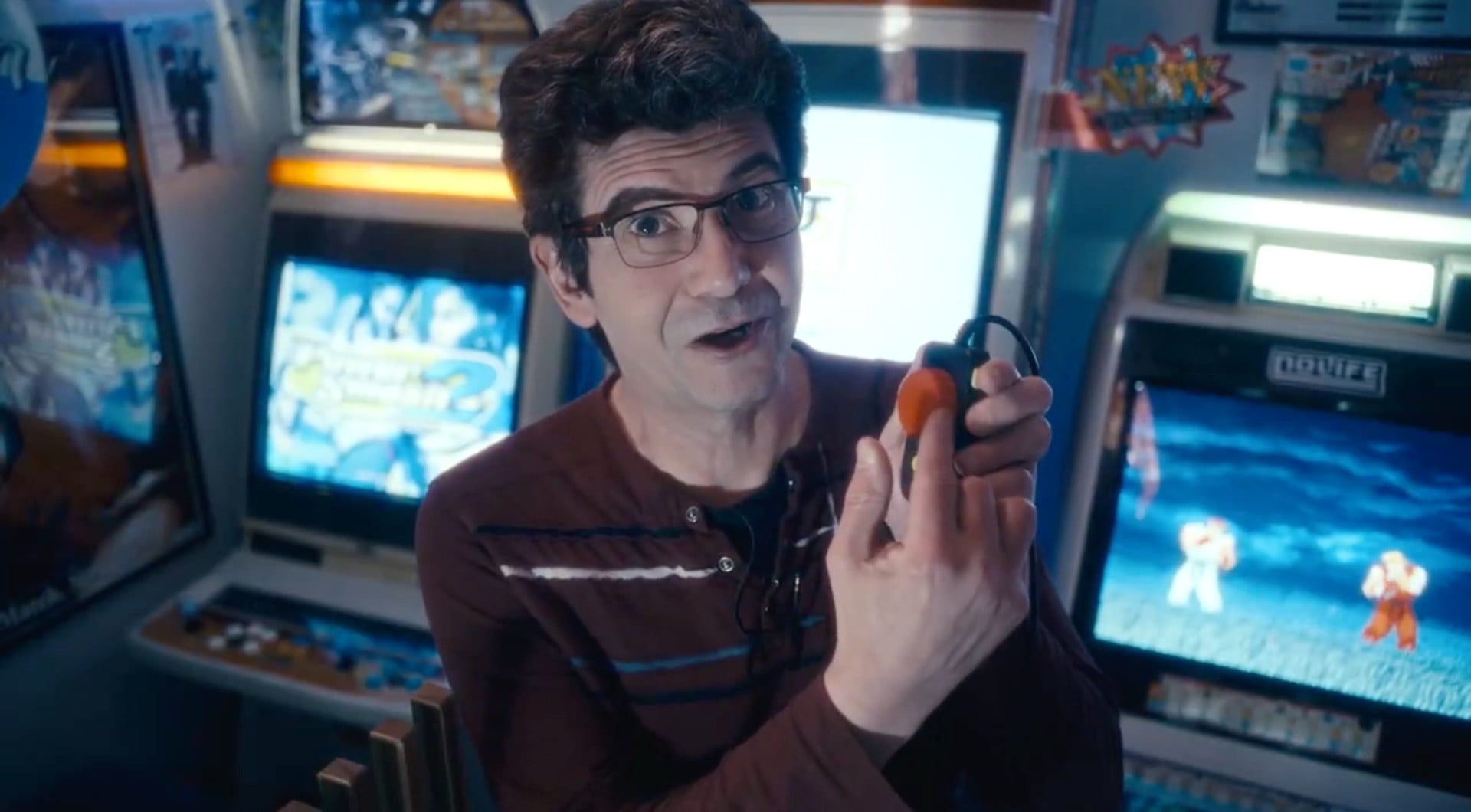
The decision to create a custom controller for PopCorn Duel stemmed from Raynal’s pragmatic assessment of the brick-breaker genre’s inherent limitations on standard joypads. "Brick-breakers aren’t very fun to play with a joypad, which is why there was only ever one on the Mega Drive," he observed. Recognizing the genre’s optimal play experience demanded a spinner, and finding no suitable options for the Mega Drive—with mice being exceedingly rare—Raynal took matters into his own hands.
He embarked on designing and building a spinner from scratch, encompassing the electronic circuit, a 3D-printed case, and firmware compatible with the Mega Drive’s mouse protocol. The transformation in gameplay was immediate and profound. "Suddenly, the gameplay became incredibly fun!" Raynal exclaimed. This success spurred further creativity, leading him to leverage the Mega Drive’s dual ports to invent Popcorn DUEL, a two-player competitive remake of Pong, using two spinners. The enthusiastic reactions from friends who tested the prototype and subsequently requested their own spinners convinced Raynal that this custom peripheral had broader potential, justifying a crowdfunding campaign to bring it to a wider audience.
Raynal’s design philosophy for the PopCorn Spinner prioritized an authentic arcade experience over the limitations of conventional paddle controllers. He explicitly rejected the use of potentiometers, common in devices like the Atari 2600 Paddle, which restrict rotation to a limited range (e.g., 270 degrees). "I didn’t want to use a potentiometer… those don’t offer infinite rotation," he explained, emphasizing his desire for "the same experience as on arcade machines."
The PopCorn Spinner employs modern electronic components, specifically Hall effect sensors, which utilize a magnet for "extremely precise and frictionless rotation detection, with a resolution of 4096 steps per turn." This technological choice ensures superior responsiveness and durability compared to older mechanical designs. The technical challenge lay not only in integrating these components but also in reverse-engineering the Mega Drive mouse protocol and sourcing an actual mouse for testing purposes. The outcome, as Raynal proudly stated, is a controller that offers infinite rotation, opening up possibilities for "very different types of games" beyond brick-breakers, such as Asteroids-style titles, which he expressed eagerness to create. This innovative approach to hardware development for a classic console underscores Raynal’s commitment to pushing boundaries, even within the confines of retro platforms.
A Legacy Reimagined: PopCorn and PopCorn Duel
The original PopCorn, released in 1988 for PC, holds a special place in Raynal’s early career. It was a brick-breaker game, a genre that gained immense popularity following Atari’s Breakout (1976) and Taito’s Arkanoid (1986). These games captivated players with their simple yet addictive premise: control a paddle to bounce a ball and destroy blocks, often incorporating power-ups and challenging level designs. By remaking PopCorn for the Mega Drive, Raynal not only revisits his own creative roots but also taps into a nostalgic vein for a generation of gamers.
The new PopCorn Duel introduces a significant innovation: a brand-new two-player ‘Duel’ mode. This competitive variant transforms the solo brick-breaking experience into a head-to-head challenge, leveraging the unique capabilities of two PopCorn Spinners. This addition not only enhances replayability but also broadens the game’s appeal, offering a fresh take on a classic genre through local multiplayer engagement. The integration of competitive play harks back to the golden age of arcade gaming, where direct competition was a cornerstone of the experience.
Frédérick Raynal’s Enduring Influence: From ZX81 to PlayDate
Frédérick Raynal’s career is a testament to sustained innovation and adaptability across diverse gaming platforms and genres. Beginning with Laser on the Sinclair ZX81 in 1979, he has consistently demonstrated a knack for pushing technical and creative boundaries. His most celebrated work, Alone in the Dark (1992), is widely credited with defining the survival horror genre, predating and influencing titles like Resident Evil. Its pioneering use of fixed camera angles and pre-rendered backgrounds for a 3D environment was revolutionary for its time, establishing a cinematic feel that would become a hallmark of the genre.
Beyond survival horror, Raynal explored other realms, co-creating Little Big Adventure (1994), an action-adventure game known for its charming world and unique isometric perspective. His diverse credits include Time Commando (1996), Toy Commander (1999), Toy Racer (2000), Soul Bubbles (2008) for the Nintendo DS, and 2Dark (2017). His recent work includes Skew for the PlayDate handheld, a testament to his continued engagement with innovative and often niche hardware platforms. This extensive and varied portfolio highlights a developer who is not afraid to experiment, embracing new technologies and design philosophies while maintaining a connection to the fundamental joys of game creation. His return to the Sega Genesis with PopCorn Duel and a custom controller is entirely consistent with his career trajectory, showcasing a passion for both retro gaming and hardware innovation.
Crowdfunding and the Retro Renaissance
The decision to fund PopCorn Duel and the PopCorn Spinner via Kickstarter underscores the vital role of crowdfunding in supporting niche and retro gaming projects. In an era dominated by large-scale, high-budget productions, platforms like Kickstarter provide a direct conduit between creators and passionate communities, enabling projects that might otherwise struggle to find traditional publishing avenues. The retro gaming scene, in particular, has seen a resurgence in recent years, fueled by nostalgia, the desire for physical media, and a growing appreciation for classic hardware.
This "retro renaissance" is characterized by new game releases for vintage consoles, hardware modifications, and the development of new peripherals, much like Raynal’s spinner. Crowdfunding allows developers to gauge genuine market interest, secure funding without sacrificing creative control, and build a dedicated community around their projects from the outset. For PopCorn Duel, the Kickstarter campaign serves not only as a funding mechanism but also as a platform for sharing the project’s unique story and technical innovations directly with potential players, fostering a sense of shared ownership and anticipation.
Broader Implications for Gaming and Hardware Innovation
The PopCorn Duel project, with its custom spinner and PC compatibility, carries broader implications for the gaming industry. Firstly, it challenges the conventional notion of console lifecycles, demonstrating that older hardware, even decades after its commercial peak, can still be a viable platform for new and innovative experiences. This extends the cultural and practical longevity of systems like the Sega Genesis, contributing to game preservation and opening doors for new generations to experience classic platforms with fresh content.
Secondly, Raynal’s development of a specialized peripheral highlights a potential area of growth in the gaming market: bespoke controllers designed to enhance specific gameplay genres. While general-purpose controllers dominate, the PopCorn Spinner suggests a renewed interest in controllers tailored for particular mechanics, potentially revitalizing genres that struggle with modern input methods. The incorporation of Hall effect sensors, a modern technological advancement, into a retro-compatible device exemplifies a thoughtful fusion of old and new.
Finally, the spinner’s PC compatibility, facilitated by a USB adapter, signifies a crucial bridging of gaps between disparate gaming ecosystems. It not only expands the market for the PopCorn Spinner but also demonstrates a pragmatic approach to hardware design that acknowledges the diverse platforms gamers utilize. This cross-platform utility could inspire other developers to create innovative peripherals that transcend traditional console boundaries, fostering greater interoperability and offering unique control experiences across a wider range of games.
In conclusion, Frédérick Raynal’s PopCorn Duel is more than just a new game for an old console; it is a multifaceted project steeped in personal history, technical innovation, and a deep respect for gaming’s past and future. It stands as a testament to the enduring power of creativity, the resilience of memory, and the vibrant potential that still resides within the seemingly bygone eras of video game hardware. The anticipation surrounding its release and the PopCorn Spinner underscores a robust and evolving retro gaming landscape, eager for groundbreaking experiences from legendary creators.