Johny Imanuel
A Fusion of Stylish Action and Bullet Hell Mechanics
At its core, Homura Hime is built upon a sophisticated combat loop that rewards precision and aggression. Players take control of the eponymous protagonist, an exorcist tasked with neutralizing high-threat entities known as Archdemons. The combat system utilizes a "stun bar" mechanic, a staple in modern action-RPGs and "Soulslike" titles. Players must relentlessly attack and parry opponents to deplete this meter; once exhausted, the enemy enters a vulnerable state, allowing the player to deal substantial health damage.
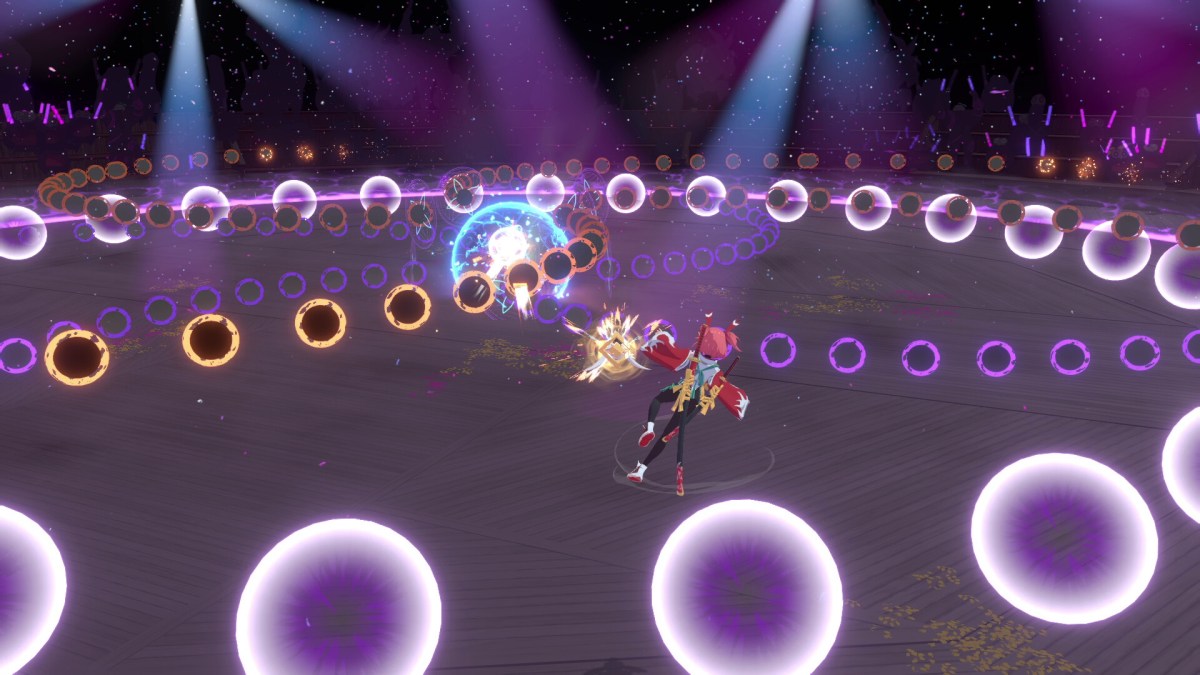
The game distinguishes itself through its "bullet hell" elements. Unlike traditional hack-and-slash titles where the primary threat is physical strikes, Homura Hime forces players to navigate complex geometric patterns of energy projectiles. This requires a high degree of spatial awareness and mastery over the game’s dash and parry systems. When the frame rate is stable, these encounters provide a rhythmic, dance-like experience that highlights the developer’s vision. However, the complexity of these visual effects is also the source of the game’s primary technical struggles.

Narrative Foundations: The Archdemons and Code Nagi
The narrative of Homura Hime centers on a world where intense human emotions—deep regret, agonizing pain, and unrequited longing—can manifest as a corrupting force. When individuals die while gripped by these powerful sentiments, they risk transforming into Archdemons, monstrous beings that pose an existential threat to the living. The game’s specific plot, designated "Expert Class Exorcism Mission: Code Nagi," follows Homura Hime as she is summoned by the Luminary Priestess and her companion, Ann.
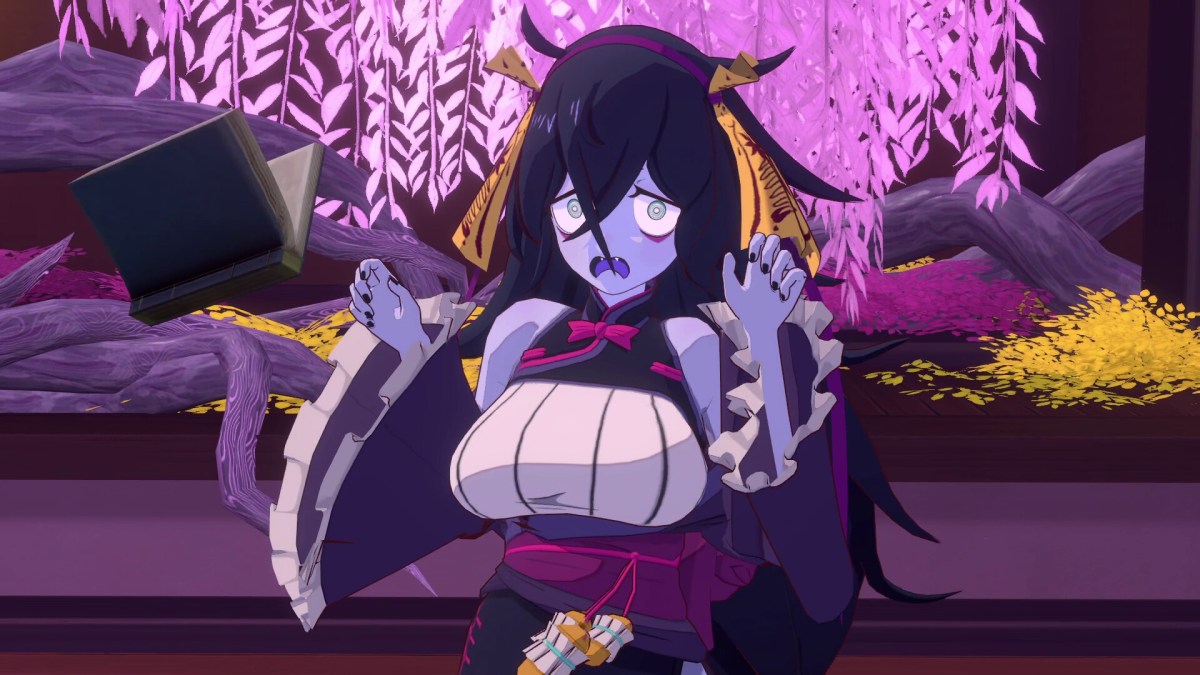
The mission targets five specific Archdemons, all of whom were once young women who suffered tragic fates. This narrative structure allows for a series of distinct, character-driven stages. For example, players face The Flower and Corpse Princess, Ling Ling, whose design and combat style reflect her dual nature of beauty and decay. Later encounters, such as The Holy Maiden of the Full Moon Order, Chirakuin, escalate the stakes by introducing more complex projectile patterns that test the limits of both the player’s skill and the game’s engine. The story hints at a deeper lore regarding Homura Hime’s own origins, providing a compelling backdrop to the visceral action.
Technical Performance and Handheld Constraints
The most pressing issue facing Homura Hime is its performance stability, particularly on portable gaming hardware and mid-range PC configurations. As the game progresses and boss encounters become more visually intensive, the demand on system resources increases exponentially.
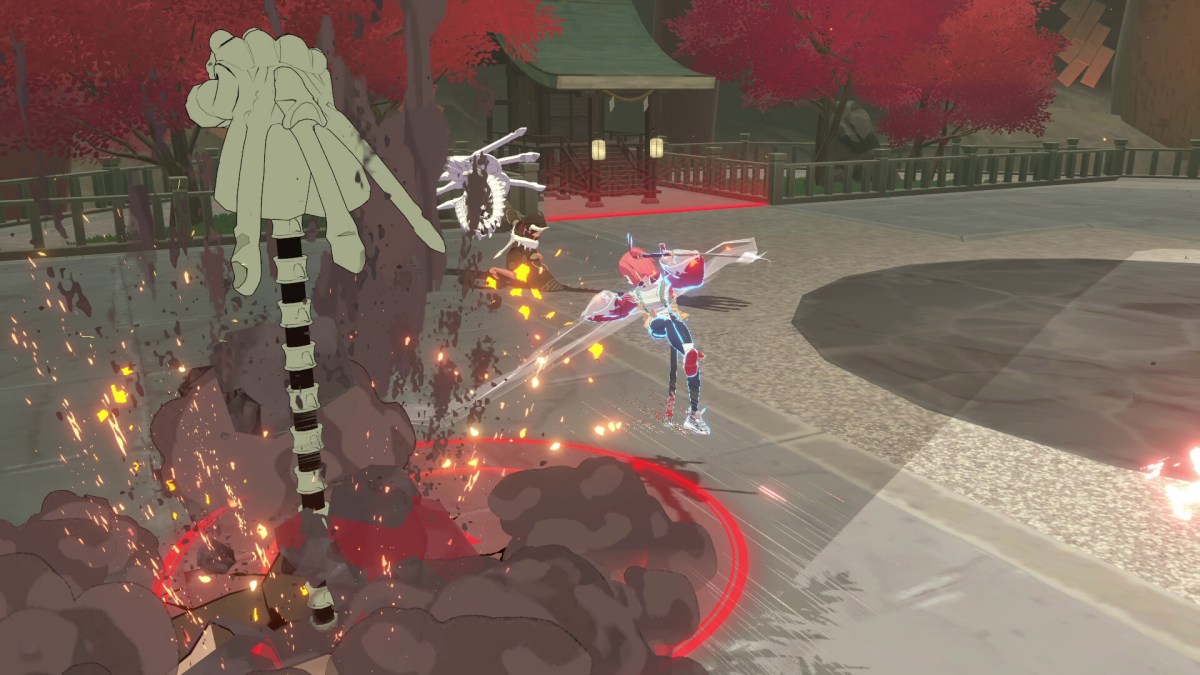
On handheld devices such as the Steam Deck and the Lenovo Legion Go, players have reported significant fluctuations in frame rates. While the early tutorial levels and the initial encounter with Ling Ling often maintain a playable pace, subsequent fights like the one against Chirakuin introduce a volume of on-screen particles that can cause the frame rate to dip well below the desired 60 frames per second (fps). In a game where parry windows are measured in milliseconds, these drops are not merely aesthetic issues but fundamental barriers to gameplay.
Comparative Hardware Performance Data:
- Handheld Devices (Steam Deck/Legion Go): Initial reports indicate that while 60fps is achievable in low-density areas, high-intensity boss phases can see drops into the 20-30fps range, leading to input latency.
- Desktop PC (Mid-to-High Range): Even on systems meeting the recommended requirements—such as an Intel Core i7 processor and equivalent GPU—stuttering has been noted during transition phases and late-game encounters like the battle against The Fallen Samurai, Mamiya.
- Stability Issues: Beyond frame rates, the game has suffered from post-boss crashes. Specifically, players reported instances where the game would exit to the desktop immediately following the defeat of Ling Ling, potentially resulting in lost progress.
Development Chronology and Official Response
Crimson Dusk has demonstrated a proactive approach to these post-launch challenges. Since the game’s debut, the developer has released several hotfixes aimed at addressing the most critical stability issues. The timeline of these updates suggests a commitment to long-term refinement:
- Launch Phase: The game was released to positive reviews regarding its art style and combat feel but faced immediate criticism for the "post-boss crash" bug.
- Initial Patching: Within days, Crimson Dusk deployed updates to address the crashing issue, allowing players to progress past the first major Archdemon encounter.
- Optimization Phase: Current efforts are focused on shader pre-compilation and general optimization to mitigate the frame rate drops observed during projectile-heavy phases.
While Playism, the publisher, has not issued a formal "state of the game" address, the frequency of Steam Community updates from the development team indicates that technical parity across various hardware configurations remains the top priority. The team has acknowledged that the "bullet hell" density in the latter half of the game requires more efficient resource management to ensure a consistent 60fps experience.
The Mid-Game Difficulty and Technical Intersection
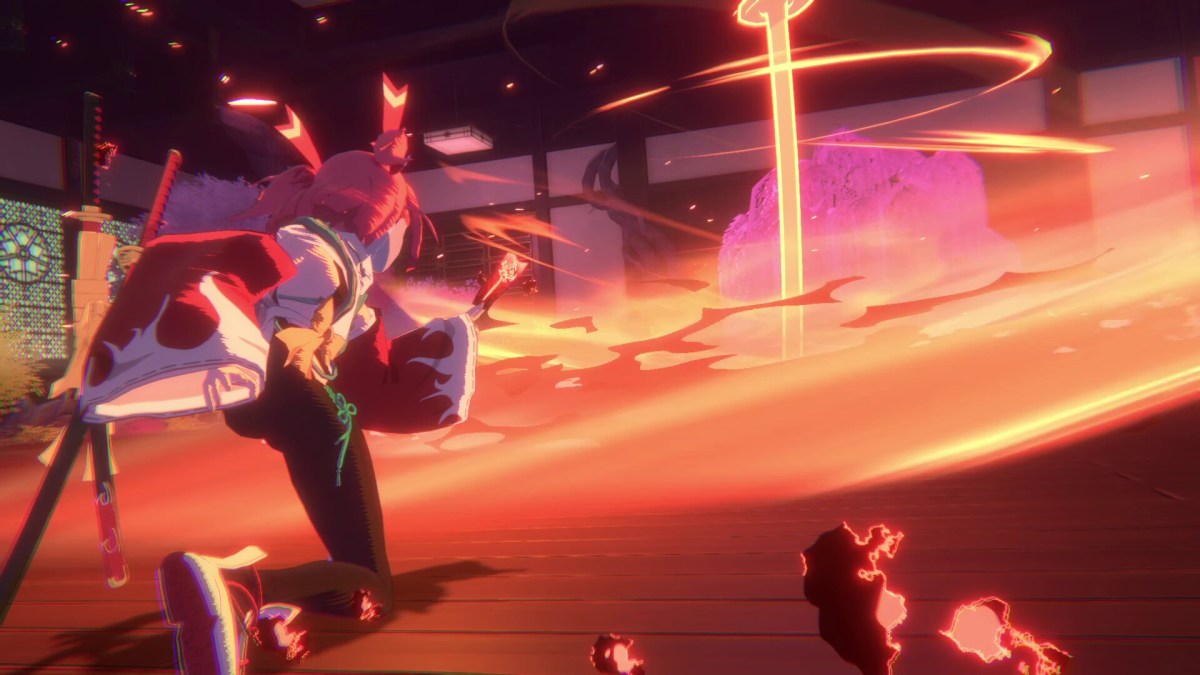
The relationship between technical performance and game difficulty is particularly pronounced in Homura Hime. The encounter with The Fallen Samurai, Mamiya, serves as a significant turning point. At this stage, the narrative complexity increases, revealing more about the world’s history. Simultaneously, the combat mechanics evolve, requiring the player to manage multiple projectile sources while tracking a fast-moving melee opponent.
When the hardware fails to maintain a stable frame rate during these sequences, the difficulty curve becomes artificial. Players are forced to fight not just the Archdemon, but also the stuttering of the engine. For Homura Hime to achieve the "perfect" status mentioned by early adopters, the optimization must reach a point where the player’s defeat is always a result of their own error, rather than a technical hiccup. The game’s potential is most evident in these high-stakes moments; when it runs smoothly, the satisfaction of perfectly parrying a flurry of attacks while dodging a wall of bullets is comparable to the best entries in the action genre.
Broader Impact and Implications for the Indie Action Genre
The current state of Homura Hime reflects a broader trend in the independent gaming industry: the "ambition gap." Small teams are now capable of producing visuals and mechanics that rival AAA productions, but they often lack the massive QA (Quality Assurance) resources required to optimize those experiences across the vast spectrum of PC hardware.
However, the success of titles like Bright Memory: Infinite (also published by Playism) proves that small-scale, high-fidelity action games have a dedicated market. Homura Hime sits in a similar position. Its character designs, world-building, and core combat loop are of a caliber that suggests it could become a cult classic. The "Code Nagi" mission provides a focused, high-intensity experience that avoids the "bloat" often found in larger open-world titles.
The long-term impact of Homura Hime will likely depend on the effectiveness of the next several weeks of patching. If Crimson Dusk can stabilize the performance on handheld devices, they will tap into a significant audience of Steam Deck and ROG Ally users who crave "Character Action" games on the go. Furthermore, providing a stable experience for mid-range PC users will solidify the game’s reputation on Steam, where user reviews are heavily influenced by technical polish.
Conclusion: A Diamond in the Rough
Homura Hime stands as a testament to the creativity of the indie scene, offering a unique mechanical blend that feels fresh despite its clear inspirations. The game’s portrayal of Archdemons as tragic, emotion-driven figures adds a layer of narrative weight to the fast-paced exorcisms. While the current technical flaws—ranging from frame rate instability to occasional crashes—are significant, they are not insurmountable.
As it stands, Homura Hime is a highly recommended experience for fans of the genre who possess high-end hardware or those with the patience to wait for further optimization. With a few more targeted patches to address the performance overhead of its bullet hell sequences, the game is poised to transition from a promising project to a standout achievement in 3D action gaming. The foundation is solid, the art is striking, and the "Code Nagi" mission is a journey well worth taking—provided the engine can keep up with the heroine’s speed.