Johny Imanuel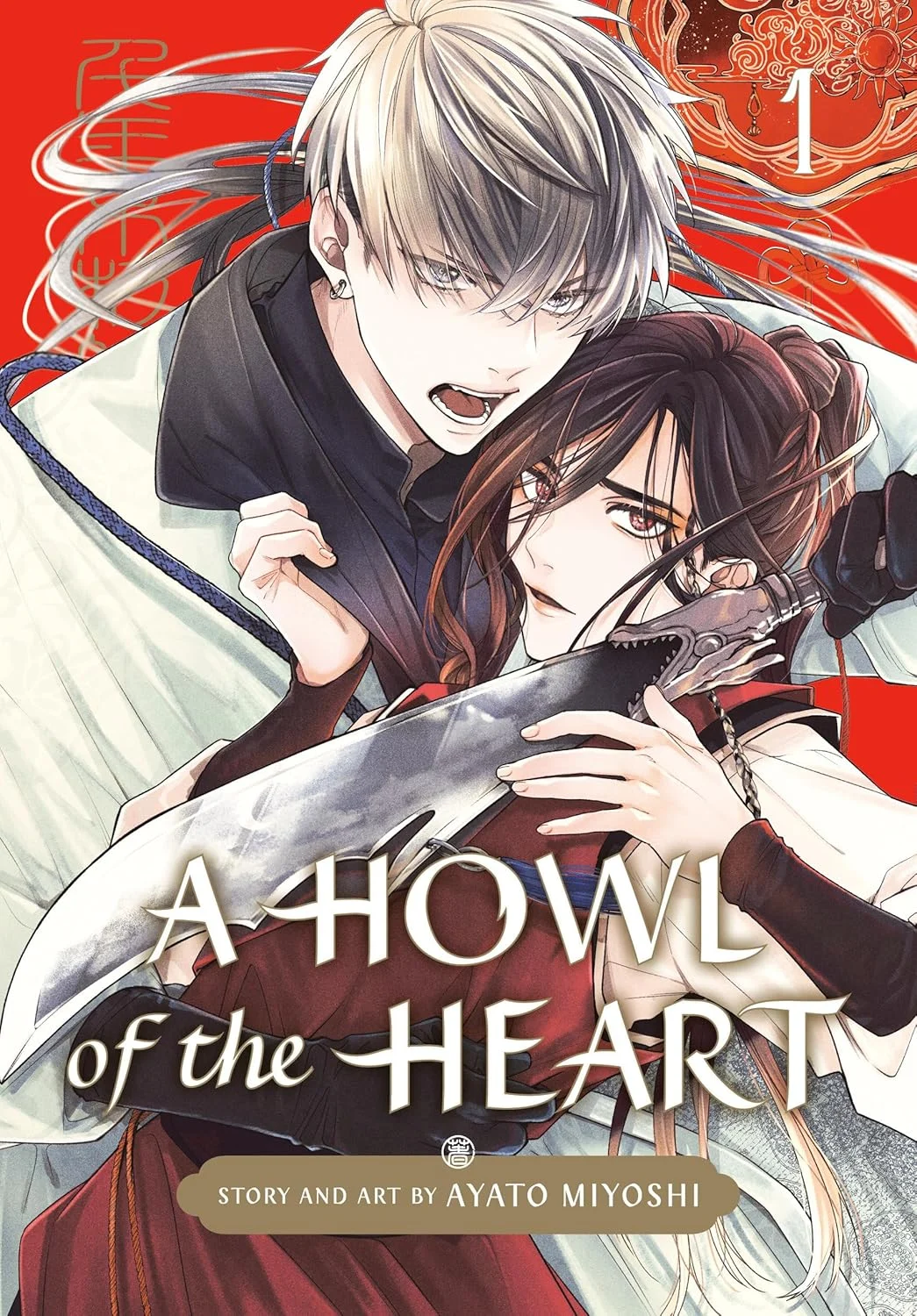
The landscape of contemporary manga is increasingly defined by narratives that blend romantic yearning with existential horror and the supernatural, a trend exemplified by the recent release of A Howl of the Heart. Published by Square Enix Manga, this title joins a growing subgenre of "uncanny romance" where the boundaries of humanity and death are blurred. The narrative follows Tenyo, a soldier haunted by the loss of his partner, Uru, only to encounter a being that occupies Uru’s physical form but lacks his soul. This thematic exploration of grief, memory, and the "other" positions the work alongside notable titles such as The Summer Hikaru Died and Mad Miniscape, reflecting a shift in how modern storytelling addresses the permanence of loss and the complexity of moving forward.
Narrative Framework and World-Building
The story is set within the fractured world of Luxian, a land embroiled in a long-standing conflict between the Crimson South and the Azure North. This geopolitical backdrop serves as more than just a setting; it is the catalyst for the central tragedy. Tenyo and Uru were soldiers of the Crimson South, bound together by both military duty and a deep, albeit unofficial, romantic connection. Their relationship was cut short years prior when Uru was killed by a spear during a skirmish, a traumatic event that Tenyo was unable to prevent.
In the years following Uru’s death, Tenyo has transformed into a "lone warrior" within the Crimson Wolves, an elite unit dedicated to the unification of Luxian. His character is defined by a singular focus on combat, a trait often interpreted as a coping mechanism for unresolved grief. The narrative begins two years after the fatal incident, with Tenyo leading a mission into Azure North territory. It is during the capture of a strategic fortress that the status quo is shattered. The leader of the opposing forces, General Kakezuki, is revealed to be the physical double of the deceased Uru. This revelation leads to Tenyo’s hesitation on the battlefield, resulting in his capture and the commencement of the story’s primary psychological conflict.
Chronological Overview of Volume 1
The first volume of A Howl of the Heart is structured to emphasize the cognitive dissonance experienced by Tenyo as he reconciles his memories of Uru with the reality of Kakezuki. The timeline of the volume can be divided into several key phases:
- The Siege of the Azure North Fortress: The opening chapters establish Tenyo’s prowess as a soldier and his internal monologue regarding Uru. The encounter with General Kakezuki acts as the inciting incident, where Tenyo’s military discipline fails in the face of a ghost from his past.
- The Trial by Combat: Following his capture, Tenyo is forced into a tactical engagement with Kakezuki. This sequence serves a dual purpose: it demonstrates Kakezuki’s combat style—which mirrors Uru’s muscle memory—and provides the definitive proof of his nature. During the fight, Tenyo’s spear pierces Kakezuki in the exact location of Uru’s fatal wound, revealing that Kakezuki possesses a hollow "vessel" where a human heart should be.
- The Revelation of the Immortal Vessel: Tenyo is introduced to Toka, a high-ranking official or scientist within the Azure North who oversees the "Immortal Vessel" project. Toka explains that Uru’s body was recovered and reanimated using advanced, perhaps arcane, technology to serve as a weapon for the North.
- The Captivity and Observation Phase: The latter half of the volume focuses on Tenyo’s life as a high-value hostage. He is encouraged by Toka to interact with Kakezuki. This period is marked by Tenyo’s attempts to "trigger" Uru’s memories, juxtaposed against Kakezuki’s sterile, emotionless existence.
- The Shift in Dynamic: The volume concludes with signs of Kakezuki developing an autonomous identity. Rather than regaining Uru’s memories, Kakezuki begins to display curiosity toward Tenyo as an individual, suggesting the birth of a new consciousness within the old shell.
The Mechanics of the Immortal Vessel
A critical element of the series is the biological and psychological nature of the Immortal Vessel. Unlike traditional zombie narratives or ghost stories, Kakezuki is presented as a functional, high-level combatant. However, the process of reanimation appears to have wiped the "data" of the original personality. Kakezuki does not require sleep or sustenance, and he lacks the emotional spectrum associated with human experience.
From a tactical perspective, the Azure North utilizes these vessels because they retain the physical capabilities and trained reflexes of the deceased without the "burden" of fear, hesitation, or political loyalty. For Tenyo, this creates a profound ethical and emotional dilemma. He is essentially interacting with a biological computer housed in the skin of the person he loved most. The "A Howl of the Heart" title likely refers to this silent, internal agony of recognizing the familiar in something fundamentally alien.
Comparative Analysis within the Genre
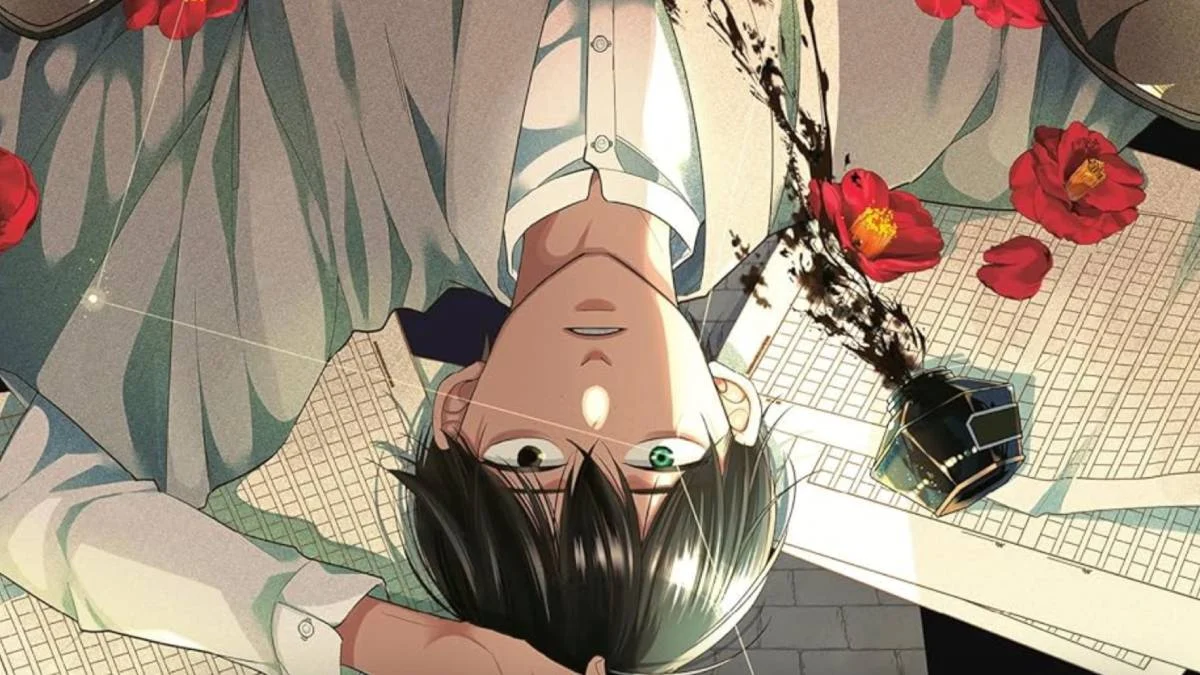
A Howl of the Heart operates within a specific niche of the manga market that explores the "uncanny valley" of romance. It shares significant DNA with Mokumokuren’s The Summer Hikaru Died, where a young man, Yoshiki, accepts an eldritch entity that has consumed his best friend’s body. However, where The Summer Hikaru Died leans into cosmic horror and the terrifying nature of the entity, A Howl of the Heart focuses on the military and romantic implications of the replacement.
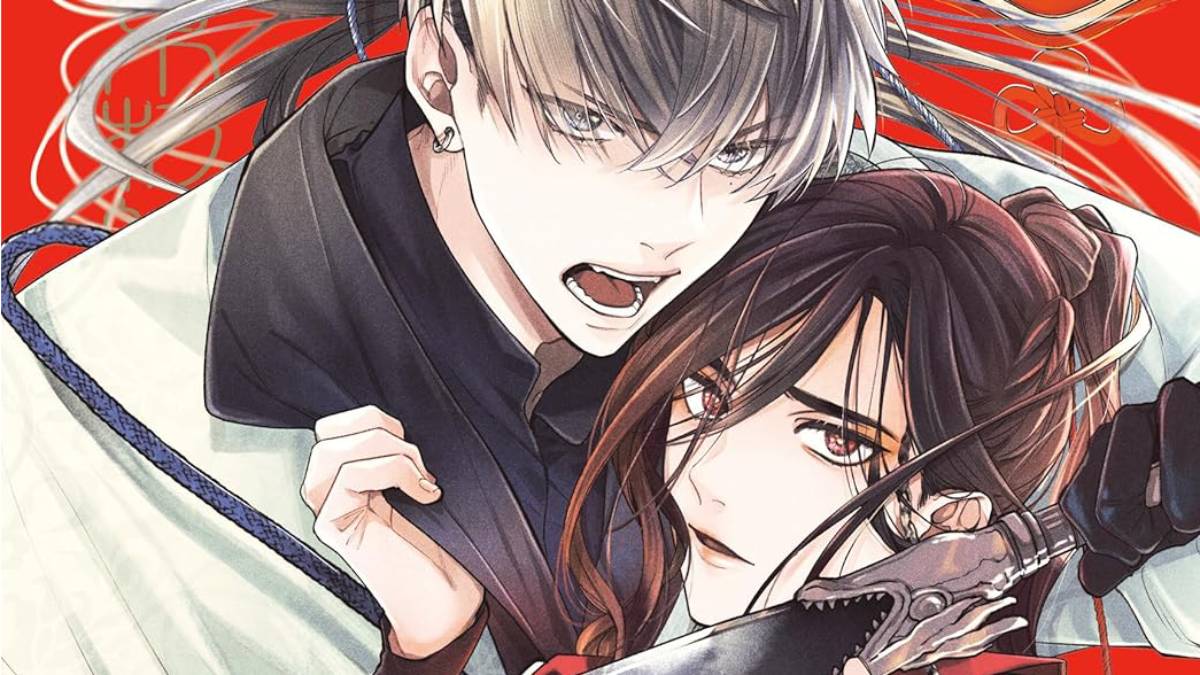
In Mad Miniscape, the relationship is characterized by hostility and the haunting presence of a spirit. Conversely, A Howl of the Heart presents a more grounded, albeit supernatural, "love triangle" dynamic. The three parties involved are Tenyo, the memory of the deceased Uru, and the emerging persona of Kakezuki. The narrative suggests that for Tenyo to find peace, he must mourn Uru a second time while acknowledging Kakezuki as a separate entity worthy of his own regard. This nuance elevates the story from a simple "return from the dead" trope to a complex study of identity.
Publication History and Industry Context
The English localization of A Howl of the Heart is handled by Square Enix Manga, a division that has increasingly focused on titles with high emotional stakes and unique premises. Volume 1 was released to provide North American audiences with a localized version of the serialized work, which has garnered attention for its detailed art style and somber tone.
The scheduling of the series indicates a deliberate pace. Volume 2 is currently projected for release on July 21, 2026. This extended timeframe between volumes is common for series undergoing meticulous translation and production cycles, or those that are still being serialized in Japan. The anticipation for the second volume suggests a strong initial reception, particularly among readers who gravitate toward "Boys’ Love" (BL) adjacent themes that prioritize psychological depth over genre conventions.
Broader Implications and Thematic Trajectory
The thematic implications of A Howl of the Heart extend to the concept of "The Ship of Theseus"—if every part of a person is replaced or their soul is removed, are they still the same person? By placing this philosophical question in a romantic context, the manga challenges the reader to define what they love about a partner: is it the physical presence, the shared memories, or an intangible essence?
The character of Toka introduces a layer of political intrigue. The suggestion that Toka wants Tenyo to get close to Kakezuki implies that the "Immortal Vessel" project requires more than just physical reanimation. It suggests that human interaction and emotional stimuli might be necessary to "calibrate" these vessels for higher-level functioning. This adds a cynical, exploitative edge to the romance, as Tenyo’s genuine grief may be being weaponized by the Azure North to refine their military assets.
As the series progresses, the primary conflict is expected to shift from Tenyo’s internal grief to the external pressures of the Luxian war. The eventual confrontation between the Crimson South and the Azure North will likely force Tenyo to choose between his loyalty to his nation and his protective instincts toward the entity that wears his lover’s face.
Conclusion
A Howl of the Heart Volume 1 establishes a sophisticated foundation for a story that is as much about the trauma of war as it is about the persistence of love. By utilizing the "Immortal Vessel" trope, the manga provides a fresh perspective on the "star-crossed lovers" narrative. It moves beyond the tragedy of death to explore the tragedy of a partial return—a return that offers the physical presence of a loved one while denying the emotional connection that made that presence meaningful.
For the audience, the series serves as a poignant reflection on the nature of moving on. It poses the difficult question of whether it is possible to love the "new" person who emerges from the wreckage of the "old," or if such a relationship is merely an act of prolonged mourning. With Volume 2 on the horizon for 2026, the series is poised to remain a significant point of discussion for fans of supernatural drama and psychological romance alike.