Johny Imanuel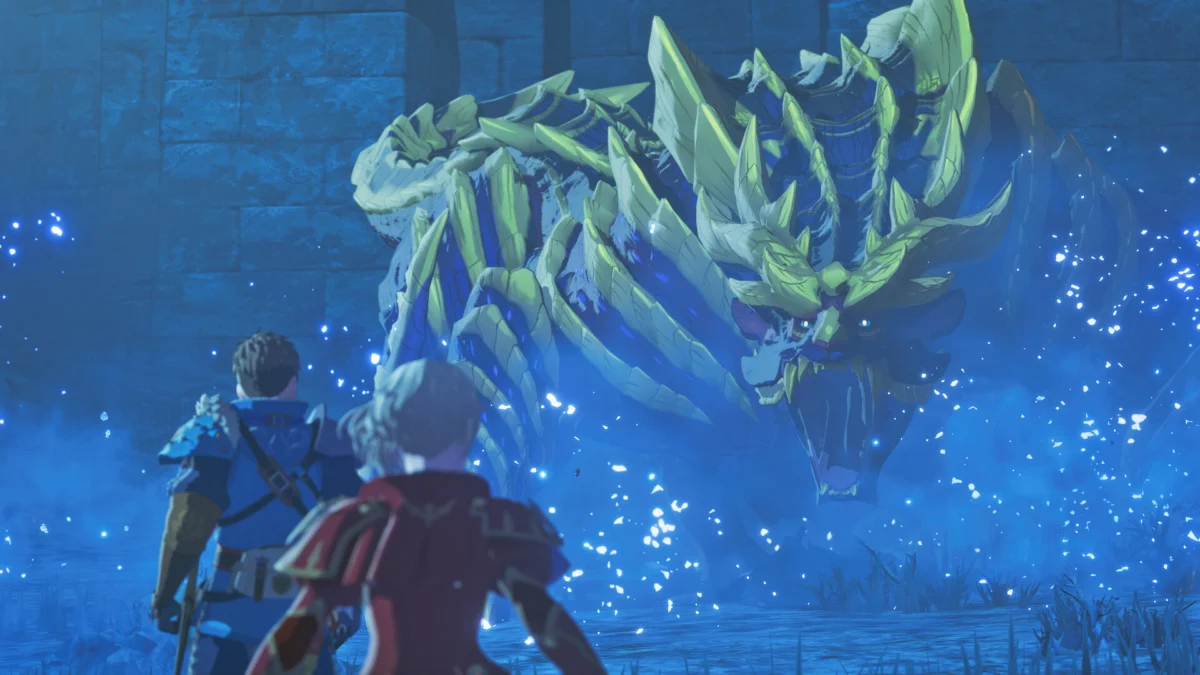
Capcom has officially detailed the progression requirements for the upcoming endgame content in Monster Hunter Stories 3: Twisted Reflection, specifically focusing on the highly anticipated "Royal Monsters" update. As the title moves toward its first major post-launch expansion, scheduled for release in Summer 2026, players are being prepared for a significant spike in difficulty that demands both strategic mastery and high-level character progression. Unlike the Royal Monsters featured in previous installments, which often served as high-level encounters found early in the overworld, the iterations coming to Monster Hunter Stories 3 are designed exclusively as true endgame content. This update aims to extend the longevity of the title by providing a rigorous challenge for veteran Riders who have already exhausted the base game’s narrative and side objectives.
The Mechanical Requirements for Unlocking Royal Monsters
The process for accessing these new encounters is distinct from standard quest progression. Capcom has confirmed that the Royal Monsters update will not be accessible to players who have not yet completed the primary narrative arc. To unlock the new fights, players must first successfully navigate the "Final Battle" of the main story. However, completing the game once is merely the first step.
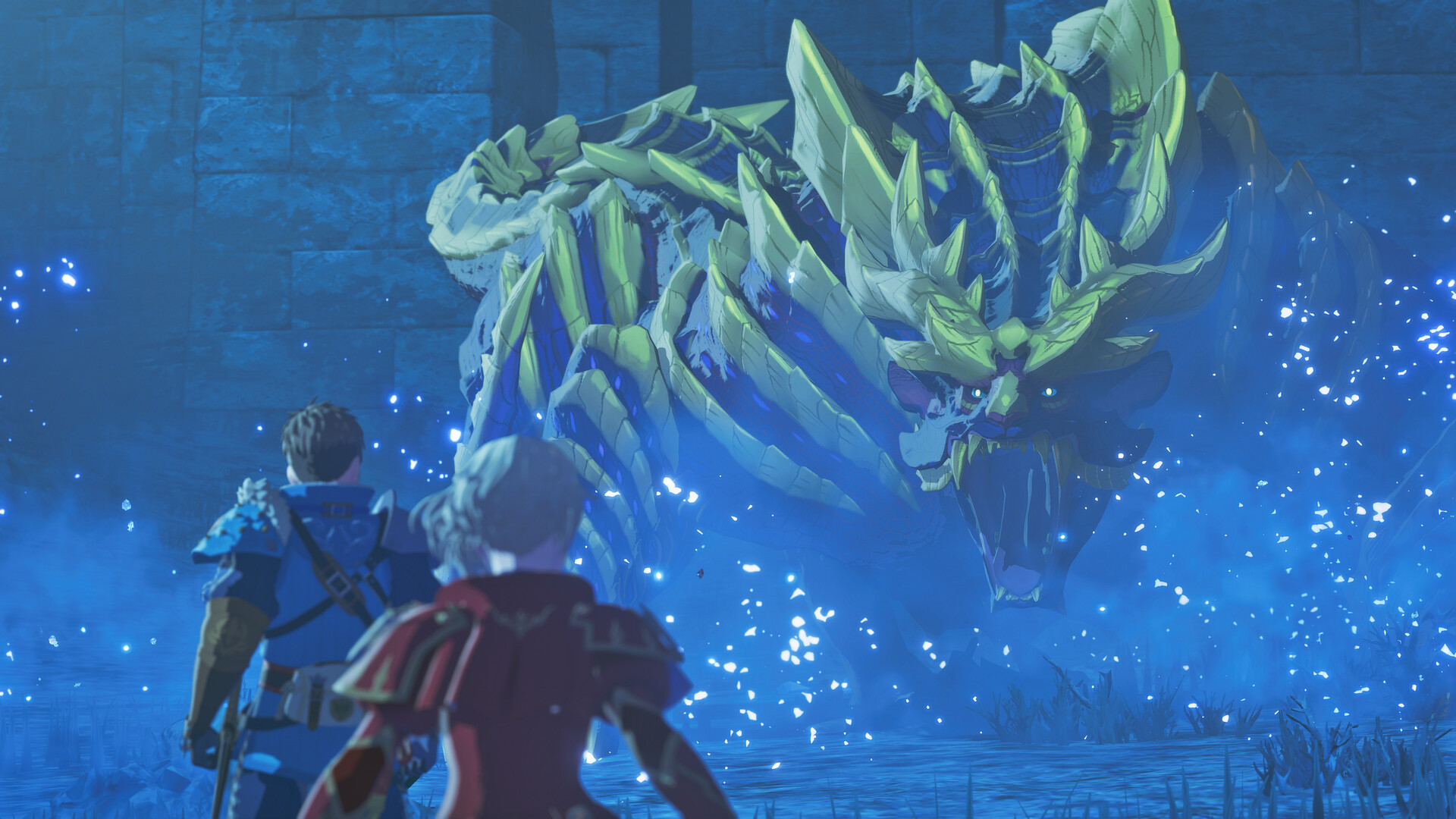
According to the official communication from the development team, players must reload their save file created immediately prior to the Final Battle. Upon doing so, a new option will be available to engage the final boss at a significantly increased difficulty level. This "second pass" at the finale serves as a skill gate; only by defeating this empowered version of the final boss will the Royal Monster variants be unleashed across the game world. Once this condition is met, Royal versions of every monster species within the game will begin appearing in the field across all major regions. This systemic change effectively transforms the entire world map into a high-threat zone, necessitating a shift in how players approach exploration and resource gathering.
Preparation and the Level 90 Threshold
One of the most striking details provided by Capcom is the recommended power level for these encounters. The development team suggested that players should aim for Level 90 units before attempting to hunt Royal Monsters. In the context of the Monster Hunter Stories series, reaching Level 90 represents a significant time investment, usually involving extensive grinding in post-game dungeons or specialized training facilities.
This high-level requirement suggests that the Royal Monsters in Twisted Reflection will possess vastly inflated health pools and attack statistics, likely capable of one-shotting under-leveled Monsties or Riders. While Capcom has yet to clarify if these monsters will feature new move sets or unique elemental weaknesses, the emphasis on Level 90 suggests a "gear check" and "stat check" environment. Players will likely need to optimize their "Genes" through the Rite of Channeling to ensure their Monsties have the necessary defensive capabilities and elemental resistances to survive even a single turn against these apex variants.
The Evolution of the Royal Monster Concept
The concept of "Royal Monsters" has evolved significantly since the sub-series’ inception. In Monster Hunter Stories 2: Wings of Ruin, Royal Monsters were powerful creatures—such as Tigrex, Monoblos, or Gammoth—that could be found sleeping in the overworld long before the player was traditionally "ready" to fight them. They served as high-risk, high-reward encounters that allowed skilled players to obtain powerful eggs early in the game.
In Monster Hunter Stories 3: Twisted Reflection, the definition has shifted. Rather than being a select group of static encounters, the "Royal" designation now appears to be a state or a tier that applies to the entire bestiary. This mirrors the "Tempered" or "Afflicted" systems seen in the mainline Monster Hunter World and Monster Hunter Rise titles. By making every creature capable of becoming a Royal variant, Capcom is effectively doubling the game’s content density for the endgame, ensuring that even lower-tier monsters like Velocidrome or Kulu-Ya-Ku remain relevant and dangerous in the late-game ecosystem.
Technical Context: The Move to Next-Gen Hardware
Monster Hunter Stories 3: Twisted Reflection marks a significant technical leap for the spin-off series, launching on the Nintendo Switch 2, PlayStation 5, Xbox Series X, and PC. The inclusion of the "Switch 2" (the successor to the original Nintendo Switch) as a lead platform indicates that the game has been built to utilize more robust processing power. This is particularly relevant for the Royal Monsters update, as these encounters often involve more complex particle effects and enhanced visual auras to denote their "Royal" status.
While the original Siliconera report noted that visual changes to characters or specific mechanical deviations have not yet been fully detailed, the "Twisted Reflection" subtitle of the game suggests a narrative or aesthetic theme involving mirrors or altered states. Industry analysts suggest that the Royal Monsters may sport distinct "Twisted" visual designs, potentially incorporating the bioluminescent or crystalline textures hinted at in the game’s initial reveal trailers.
Capcom’s Post-Launch Strategy and Timeline
The announcement of the Royal Monsters update fits into Capcom’s broader strategy of "games as a service" for the Monster Hunter brand. Historically, Monster Hunter titles receive a year or more of free "Title Updates" that add new monsters, gear, and quest lines.
The timeline for Monster Hunter Stories 3 is as follows:
- Early 2026: Initial launch of Monster Hunter Stories 3: Twisted Reflection and the release of the playable demo.
- March 2026: Capcom first teases the "Royal Monsters" expansion during a digital showcase.
- Late Spring 2026: Detailed breakdown of the unlock mechanics and the Level 90 requirement.
- Summer 2026: Official deployment of the free Royal Monsters update across all platforms.
This roadmap ensures that the player base remains engaged during the critical months following the launch. By locking the most challenging content behind a "True Ending" and a high level cap, Capcom encourages long-term play and deep engagement with the game’s complex RPG systems.
Broader Implications for the Monster Hunter Stories Franchise
The decision to make the Royal Monsters a post-game "world-state" change rather than just a few hidden bosses suggests that Capcom is taking the Stories franchise more seriously as a competitive JRPG. The Monster Hunter Stories series has long lived in the shadow of the mainline action games, but Twisted Reflection appears to be bridging the gap in terms of endgame complexity.
By requiring players to fight the Final Battle a second time at a higher difficulty, Capcom is implementing a "New Game Plus" style challenge within the existing save structure. This prevents the "power creep" problem where players become so strong that the final boss feels trivial. Instead, the final boss scales with the player, acting as the ultimate litmus test for whether a Rider is ready to face the Royal variants.
Furthermore, the "Royal versions of every kind of creature" promise implies a massive overhaul of the loot table. In previous games, endgame gear was limited to Elder Dragons and Deviants. If every monster now has a Royal variant, it stands to reason that players will be able to craft "Royal" tier armor and weapons from any monster in the game. This would vastly increase the variety of viable builds and "transmog" (layered armor) options, allowing players to maintain their preferred aesthetic without sacrificing the stats needed for Level 90+ combat.
Anticipated Community Reaction
While the community has expressed excitement about the prospect of new content, the Level 90 requirement has sparked debate among JRPG enthusiasts. For casual players who enjoy the narrative and "Monstie" collection aspects of the game, a Level 90 gate may feel prohibitive. However, for the hardcore community that engages in player-versus-player (PvP) battles and optimized speed-running, this update represents the "real" start of the game.
Capcom’s inclusion of a demo has allowed players to get a head start on understanding the basic mechanics, but the true depth of the "Twisted Reflection" system remains to be seen. As the Summer 2026 release window approaches, fans are looking for more information regarding whether these Royal Monsters will offer new "Kinship Skills"—the cinematic ultimate attacks that are a staple of the series.
Conclusion: Preparing for the Summer Update
As Monster Hunter Stories 3: Twisted Reflection continues to establish its foothold on next-gen consoles and the Switch 2, the Royal Monsters update stands as a pivotal moment for the title. By defining a clear path to the endgame—beating the game, reloading, and conquering a high-difficulty finale—Capcom has provided a transparent roadmap for its dedicated player base.
With the Level 90 requirement looming, Riders are encouraged to begin their preparations early, focusing on gene optimization and team synergy. The arrival of Royal Monsters in Summer 2026 promises to transform the world of Monster Hunter Stories 3 into a formidable proving ground, solidifying its place as a premier JRPG experience in the modern gaming landscape. As the patch date nears, further details regarding specific monster behaviors and potential new equipment tiers are expected to emerge from Capcom’s development hubs in Japan and Europe.