Retno Hari Mulyono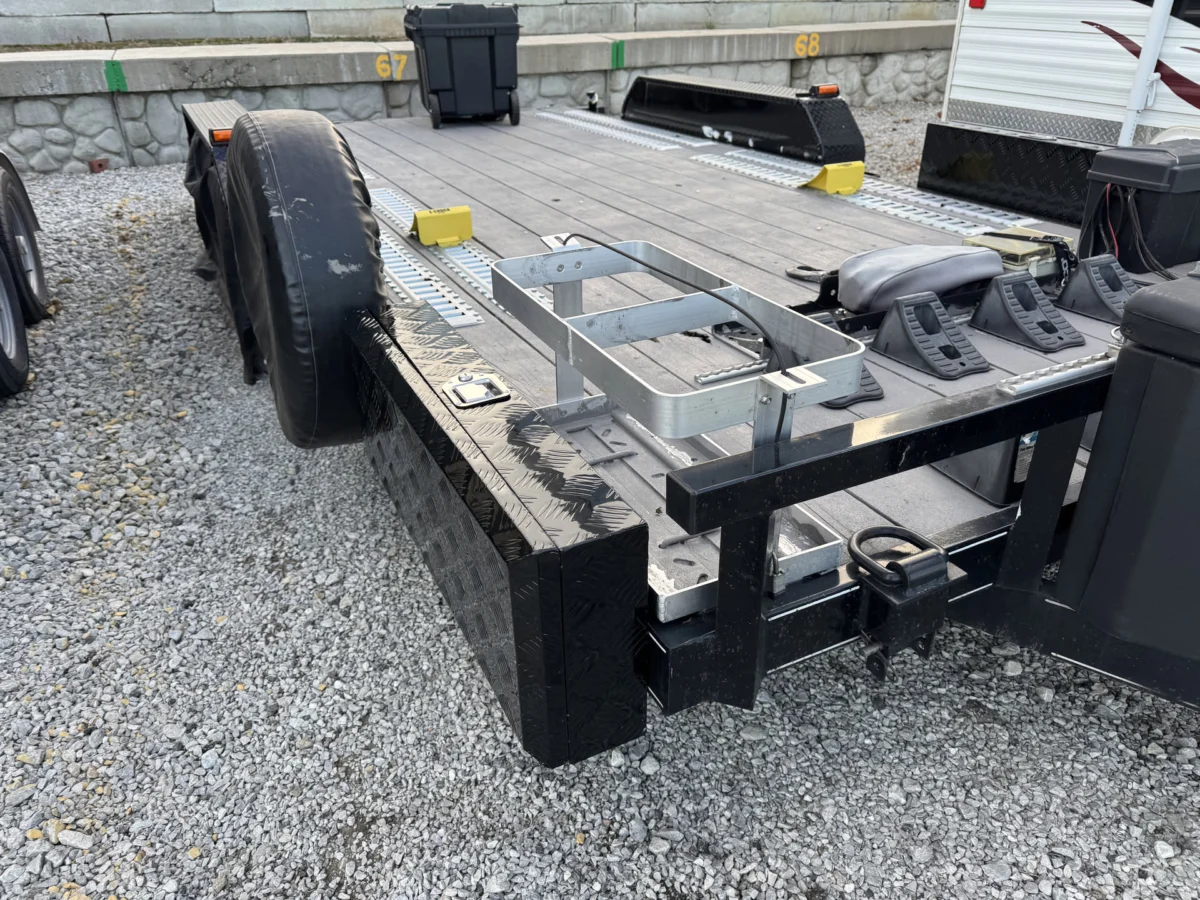
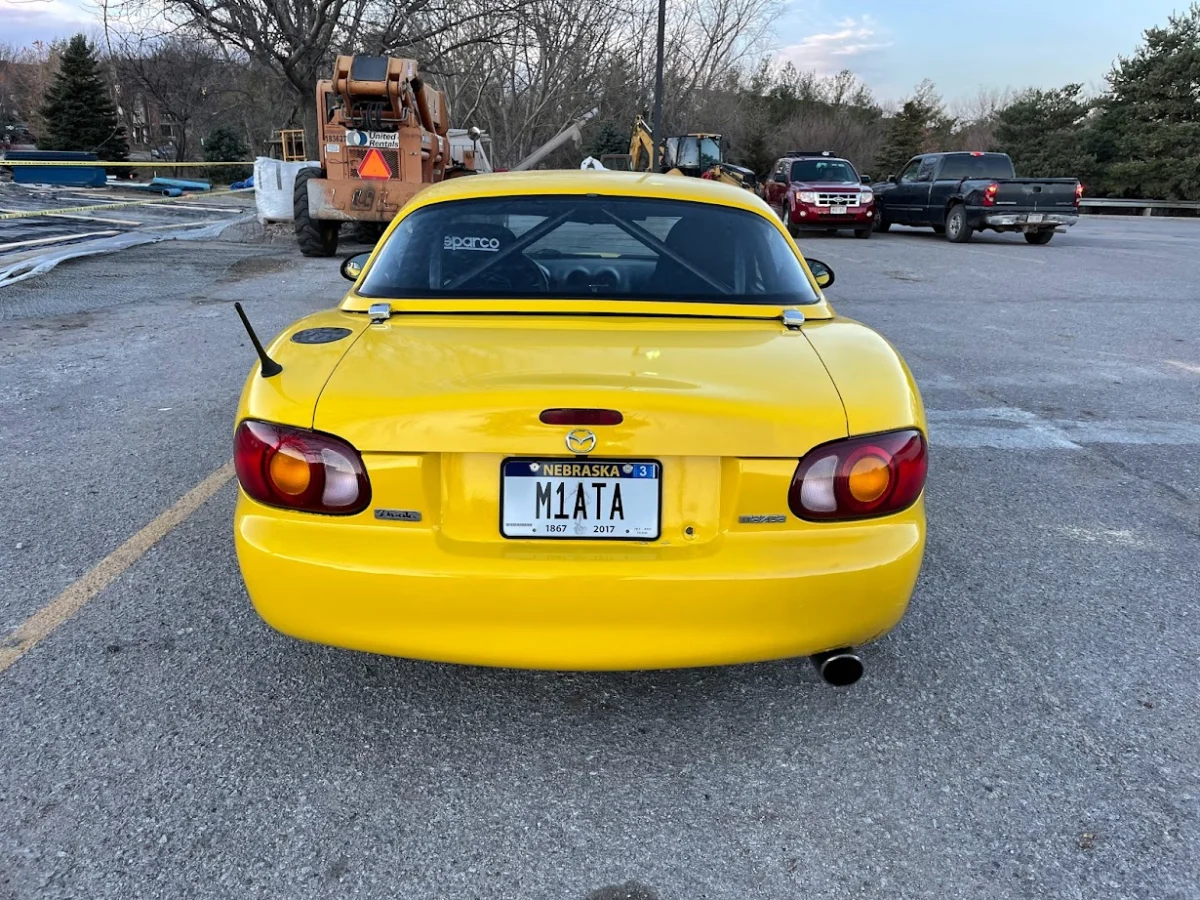
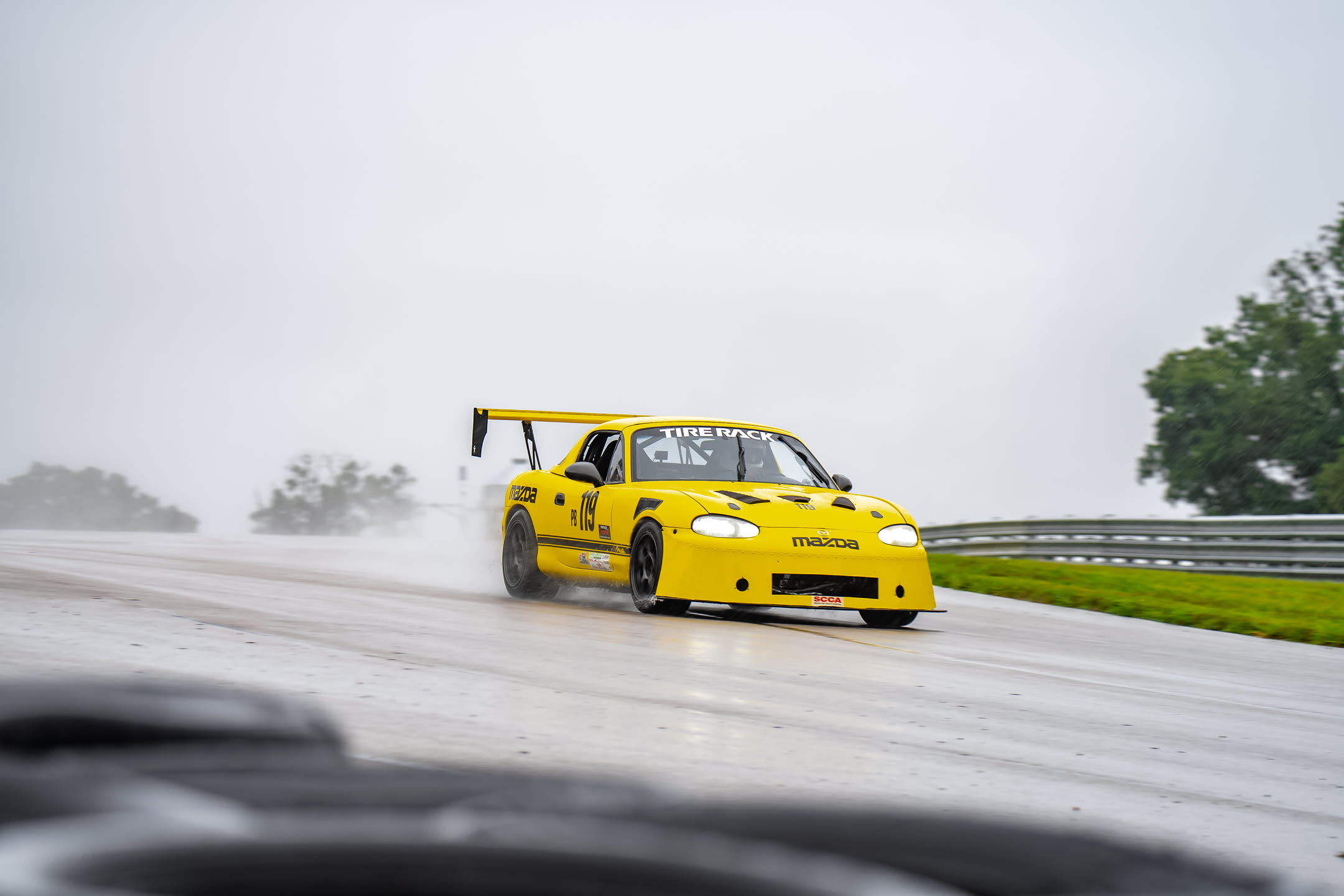
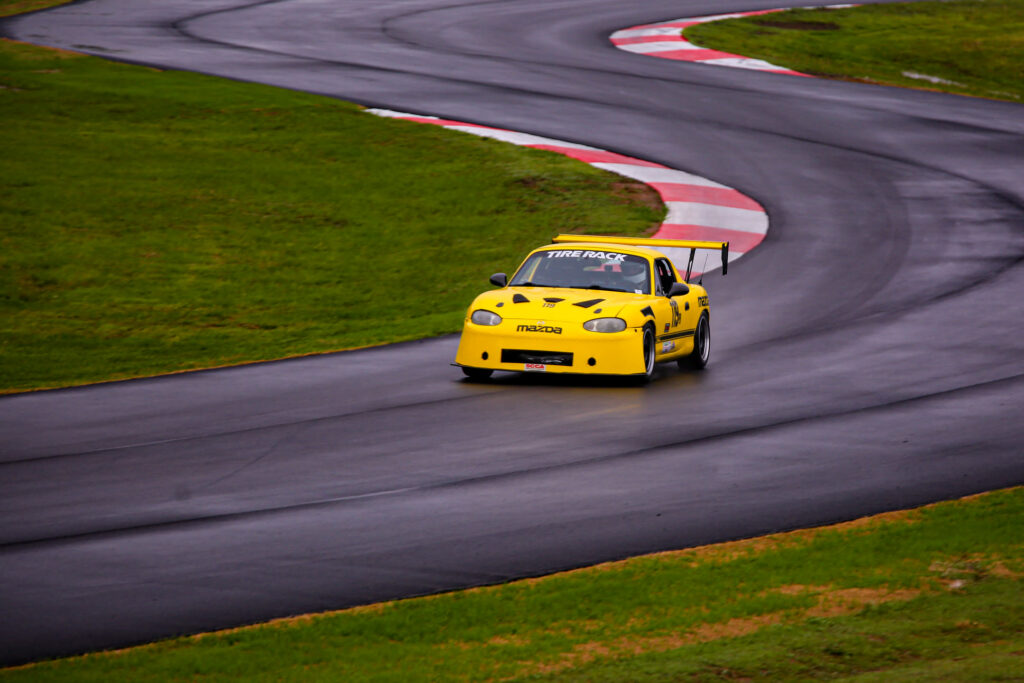
The 2025–2026 racing season has marked a pivotal transition for the long-term development of the NB-generation Mazda Miata, a platform that has now completed its fifth consecutive year of intensive track-focused refinement. Since the vehicle’s acquisition in 2021, the development program has shifted from basic performance enhancements to complex systems integration, including full engine rewiring and a transition to drive-by-wire technology. This evolution highlights a growing trend within the amateur motorsports community: the adoption of professional-grade electronic management and custom fabrication to maintain the competitiveness of aging analog platforms. Over the past twelve months, the vehicle has logged 357 laps across 14 track days, contributing to a cumulative total of 1,380 laps and nearly 44 hours of high-intensity operation under the current ownership.
Technical Benchmarking and Power Delivery Optimization
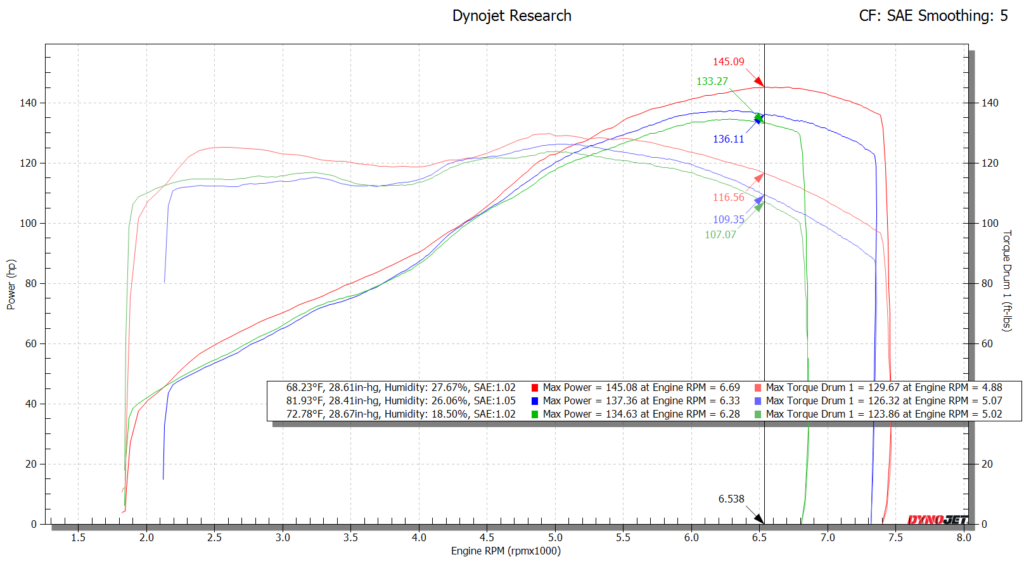
The annual development cycle commenced in March 2025 with a baseline performance assessment via dynamometer testing. This year’s testing focused on the impact of air induction modifications, specifically the replacement of the "square top" intake manifold with a Skunk2 performance variant. Utilizing a Dynojet chassis dynamometer, the vehicle produced 145.09 wheel horsepower (whp) and 129.67 lb-ft of torque.
This represents a significant increase over the 115 whp baseline recorded with the factory Electronic Control Unit (ECU). When compared to the previous two years, which yielded 133.27 whp and 136.11 whp respectively, the data suggests that the combination of the Skunk2 manifold and refined engine mapping has widened the power band. However, technical analysts note that minor variations between different Dynojet units may account for some of the delta, emphasizing the importance of consistent testing environments in longitudinal studies of vehicle performance.
Reliability Challenges and Throttle System Failures
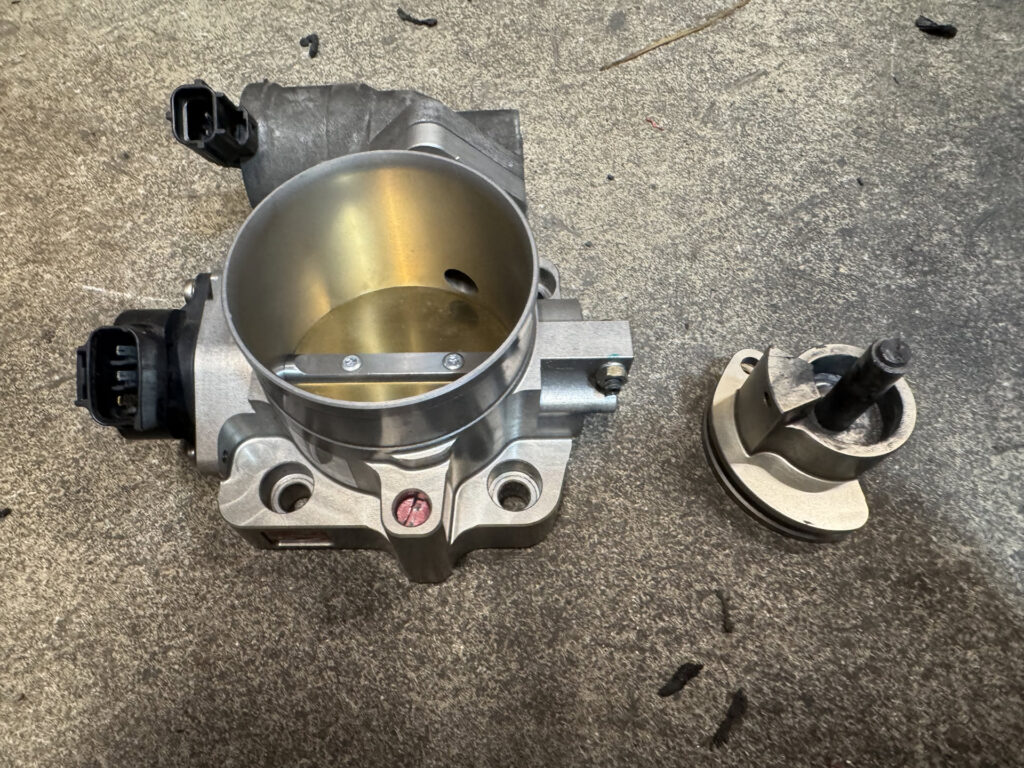
Despite the gains in peak power, the mid-season was characterized by significant reliability hurdles involving the mechanical throttle system. In May 2025, during a test session at the I29 Speedway, the vehicle experienced a failure of the throttle return spring on the aftermarket Skunk2 throttle body. This failure posed a critical safety risk, as the engine’s torque momentarily resisted braking efforts while the butterfly valve remained partially open. Although a field repair allowed the vehicle to return to the paddock, the incident served as a precursor to a more catastrophic failure later in the season.
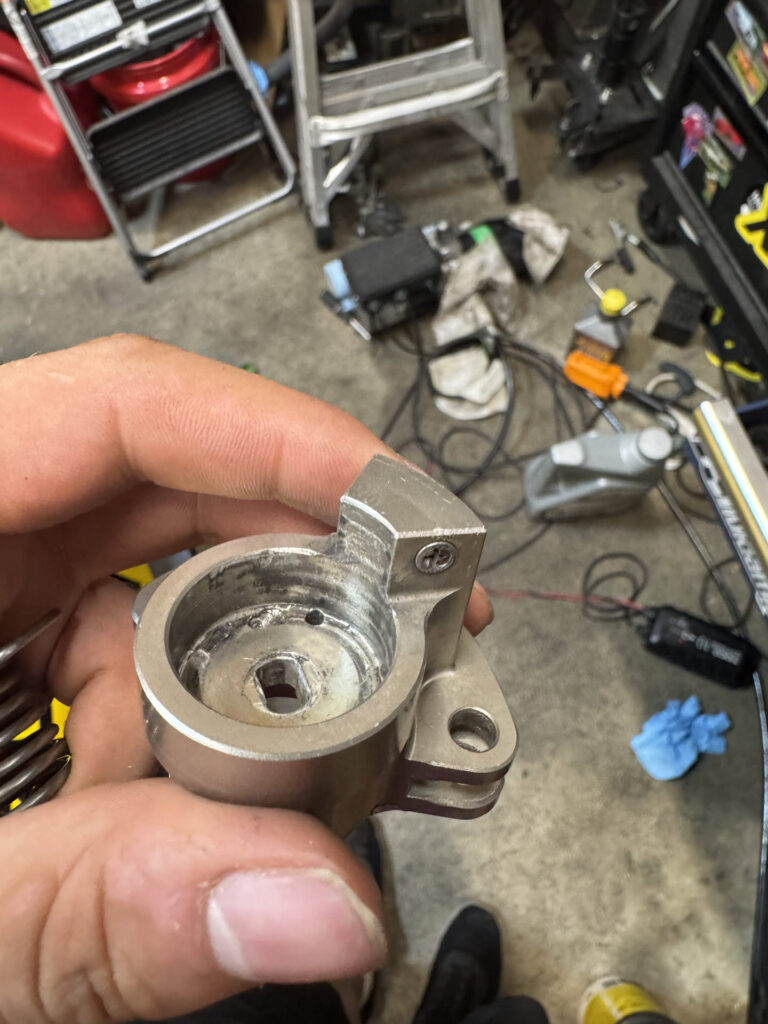
In August 2025, while competing at High Plains Raceway, the throttle body shaft suffered a complete structural failure during a wide-open-throttle transition on the main straight. While the engine was spared from ingesting metallic debris, the failure necessitated a track-side recovery and the temporary reinstatement of an Original Equipment Manufacturer (OEM) Mazda throttle body. These recurring failures prompted a strategic pivot in the vehicle’s engineering direction, leading to the abandonment of cable-driven aftermarket throttle bodies in favor of modern electronic solutions.
Infrastructure and Maintenance: The Economics of DIY Logistics
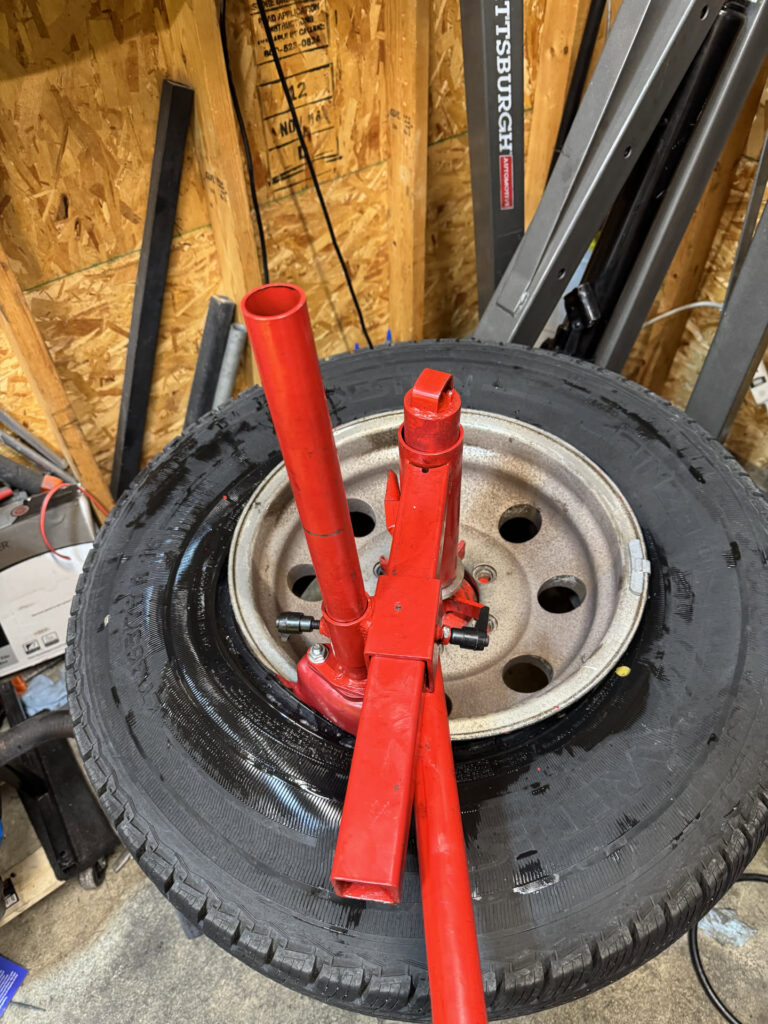
A significant portion of the fifth year was dedicated to improving the logistical efficiency of the racing program. Facing rising service costs at commercial automotive centers, the program integrated in-house tire mounting and balancing capabilities in June 2025. By utilizing a manual tire changer equipped with a specialized "duckhead" attachment and a bubble balancer, the cost-per-unit for mounting high-performance 200-treadwear (200TW) tires was effectively reduced to near zero after the initial equipment investment.
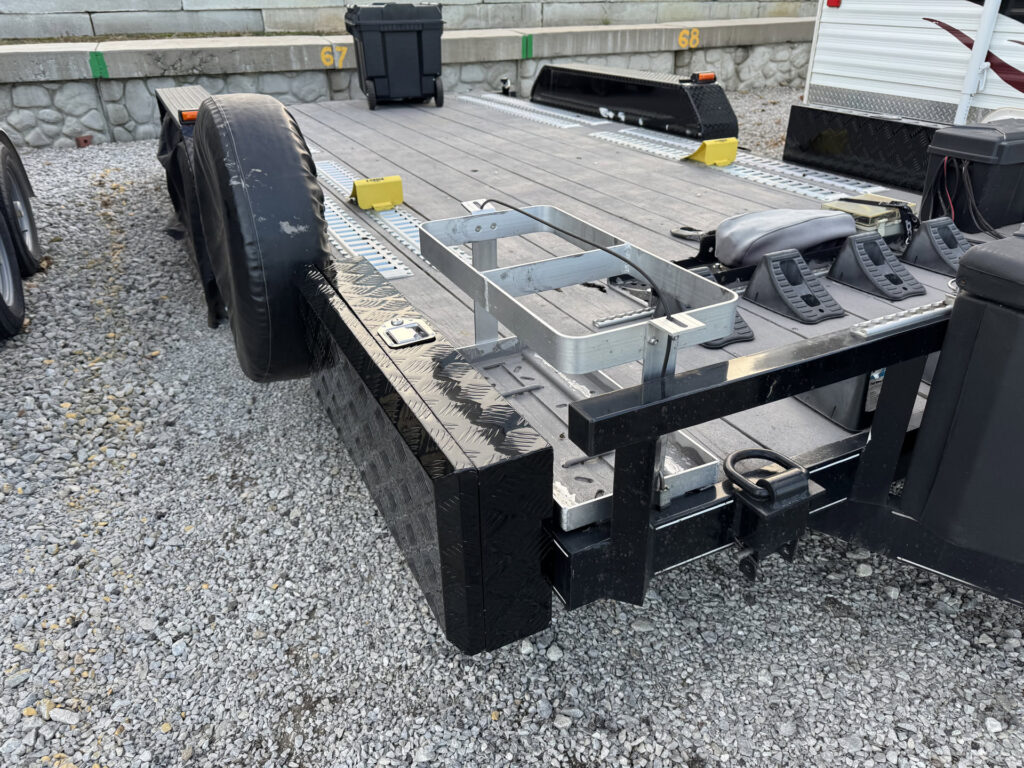
Data collected from over 20 tire swaps suggests that DIY bubble balancing provides a level of precision comparable to, and in some cases exceeding, commercial dynamic balancing for track-specific applications. Furthermore, the logistical footprint was improved in September 2025 through enhancements to the open car hauler. The installation of E-track tie-down systems has reportedly improved load stability during transit, as the over-the-tire straps maintain tension more effectively than traditional axle-strap configurations over long distances.
The Digital Shift: Drive-by-Wire and Custom Wiring Architecture
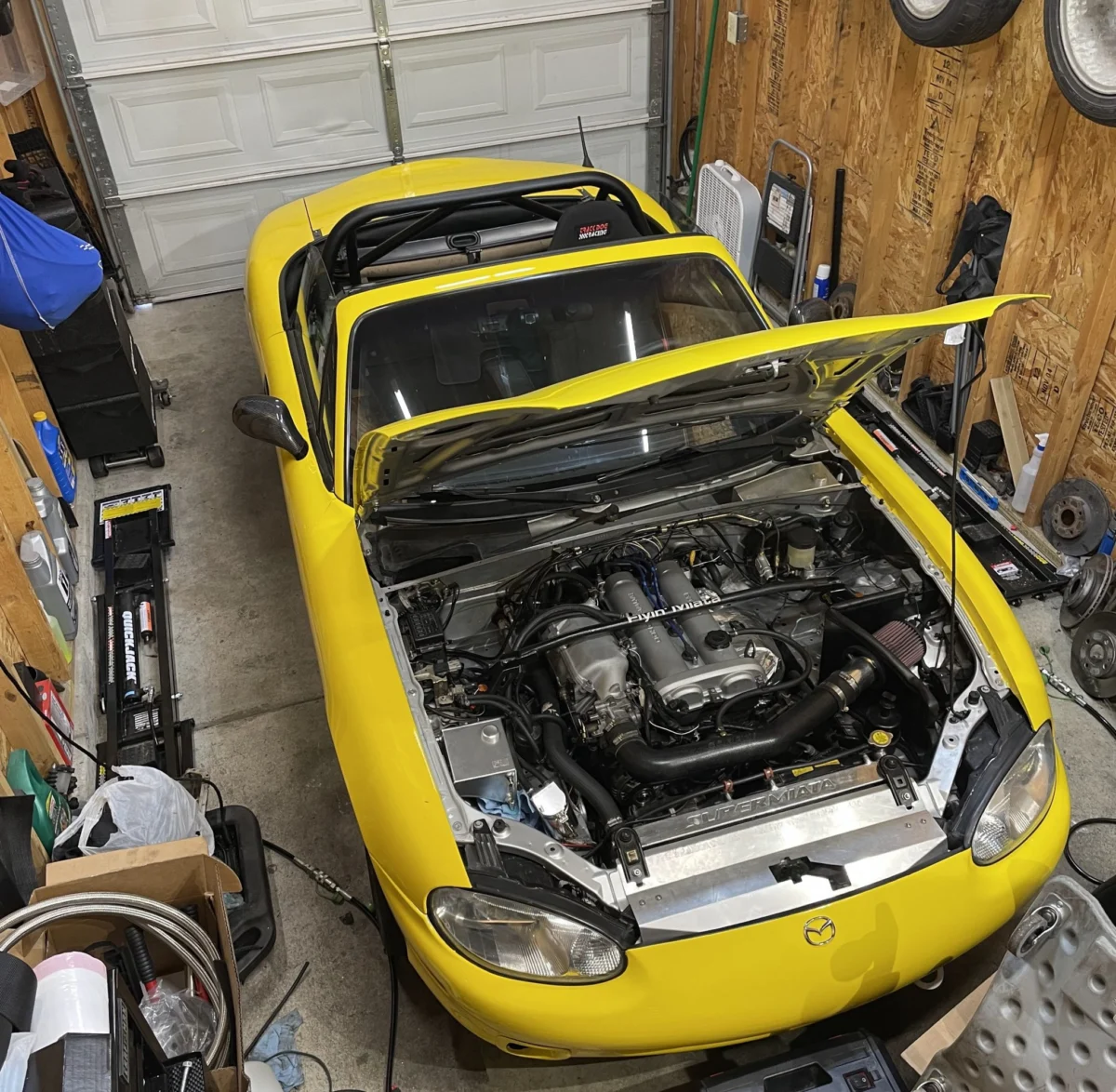
The most ambitious technical undertaking of the year occurred during the 2025 off-season, involving a total overhaul of the vehicle’s electrical architecture. Recognizing that 25-year-old factory wiring harnesses represent a primary point of failure in aging race cars, the decision was made to bypass the stock ECU connectors entirely.
A custom engine wiring harness was fabricated using Deutsch connectors, a dedicated fuse/relay block, and a central ground bus bar. This new loom connects directly to an MS3Pro Evo standalone ECU, simplifying the electrical path and reducing electromagnetic interference. Concurrent with the wiring overhaul was the conversion to a Drive-by-Wire (DBW) system. This setup utilizes:
- A Bosch 60mm electronic throttle body.
- A Honda-sourced accelerator pedal position sensor.
- An AMP EFI drive-by-wire controller.
This conversion eliminates the mechanical failure points of cables and springs while allowing for more sophisticated throttle mapping, rev-matching, and traction control integration in future seasons. To complement this digital backbone, a Tinker Electronics digital dash was installed in November 2025. Communicating via the Controller Area Network (CAN bus), the dash provides real-time monitoring of critical vitals, including oil pressure, coolant temperature, and fuel pressure, with programmable visual alerts for out-of-bounds parameters.
Drivetrain and Ergonomic Refinement
In the final quarter of the development year, focus shifted to mechanical interfaces and power distribution. In December 2025, the existing shifter was replaced with a Coolerworx short-throw unit. Unlike previous "tall" shifters, the Coolerworx design features a heavy-duty external return-to-center spring and mechanical gate stops. These features are designed to mitigate the "money shift" (accidental downshifting into an over-rev scenario) and improve shifting consistency during high-lateral-G cornering.
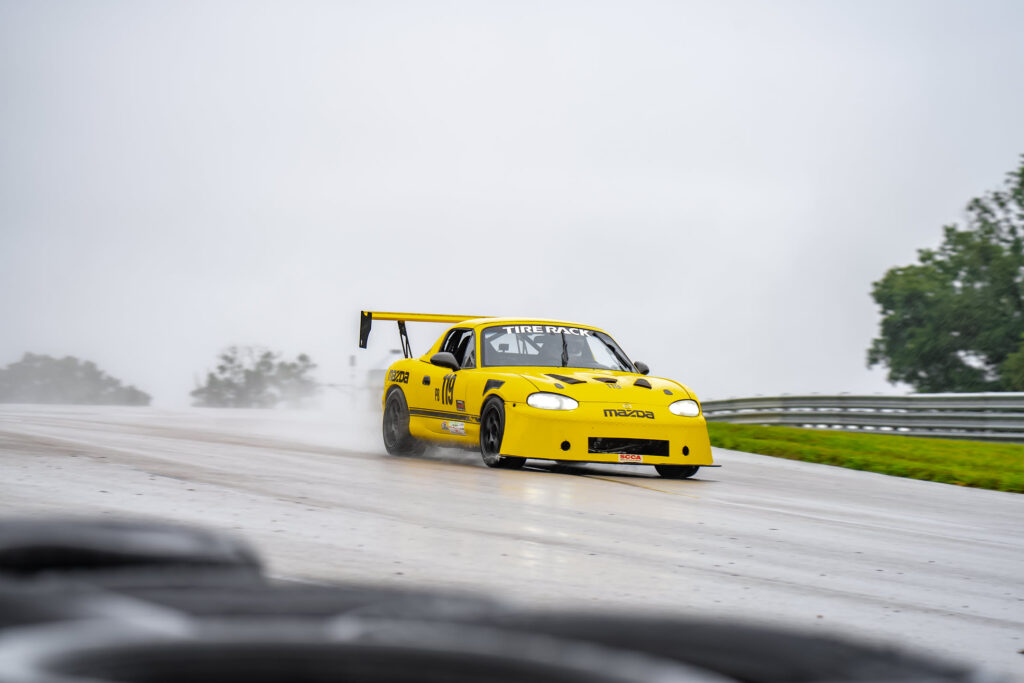
January 2026 saw the replacement of the long-standing Torsen Type II limited-slip differential with a Supermiata-tuned OS Giken clutch-type differential. While the Torsen unit is highly regarded for street use, it frequently struggles with "inside wheel spin" when one rear wheel becomes unloaded on tight, low-speed corners. The OS Giken unit, housed in a 4.30 ratio casing, provides more predictable locking characteristics, which is expected to improve corner-exit speeds and overall vehicle stability during the 2026 competitive season.
Expansion of the Fleet: The Street-Track Dual-Car Strategy
The fifth year of ownership concluded with the strategic acquisition of a second NB-generation Miata in February 2026. This 2001 model, though initially in a state of disrepair, was purchased for $1,800 to serve as a "street-friendly" counterpart and a testbed for secondary component validation.
The acquisition of this second chassis allows for a clearer separation between the dedicated track car (the "Yellow" car) and a platform for daily operation. The 2001 model features the Variable Valve Timing (VVT) engine and a six-speed manual transmission, which are highly sought-after components within the Miata ecosystem. Within the first month of acquisition, the vehicle underwent a rapid restoration, including a new soft top, interior reconditioning, and the installation of the Torsen differential retired from the primary track car.
Broader Impact and Implications for Amateur Motorsports
The longitudinal development of this NB Miata serves as a case study for the lifecycle of a modern club-level race car. The transition from mechanical simplicity to electronic complexity reflects a broader industry shift where data-driven tuning and digital reliability are becoming accessible to non-professional teams.
The data suggests that while the Miata remains one of the most cost-effective platforms for track use, the "cost of speed" eventually necessitates a move away from 1990s-era technology. The recurring failures of aftermarket mechanical parts highlighted in this report suggest that for high-duty-cycle track use, OEM-grade electronic components (such as the Bosch DBW throttle body) may offer superior long-term reliability compared to specialized mechanical performance parts.
As the program enters its sixth year, the focus is expected to shift from hardware installation to data analysis and chassis tuning. With the integration of the OS Giken differential and the precision of the drive-by-wire system, the vehicle is now technically positioned to compete at a higher level of time-trialing, provided that the new electronic systems maintain their integrity under the thermal stresses of summer racing. The total investment in both infrastructure (tire tools, trailers) and vehicle systems (DBW, digital dashes) underscores a commitment to professionalizing the amateur racing experience.