Retno Hari Mulyono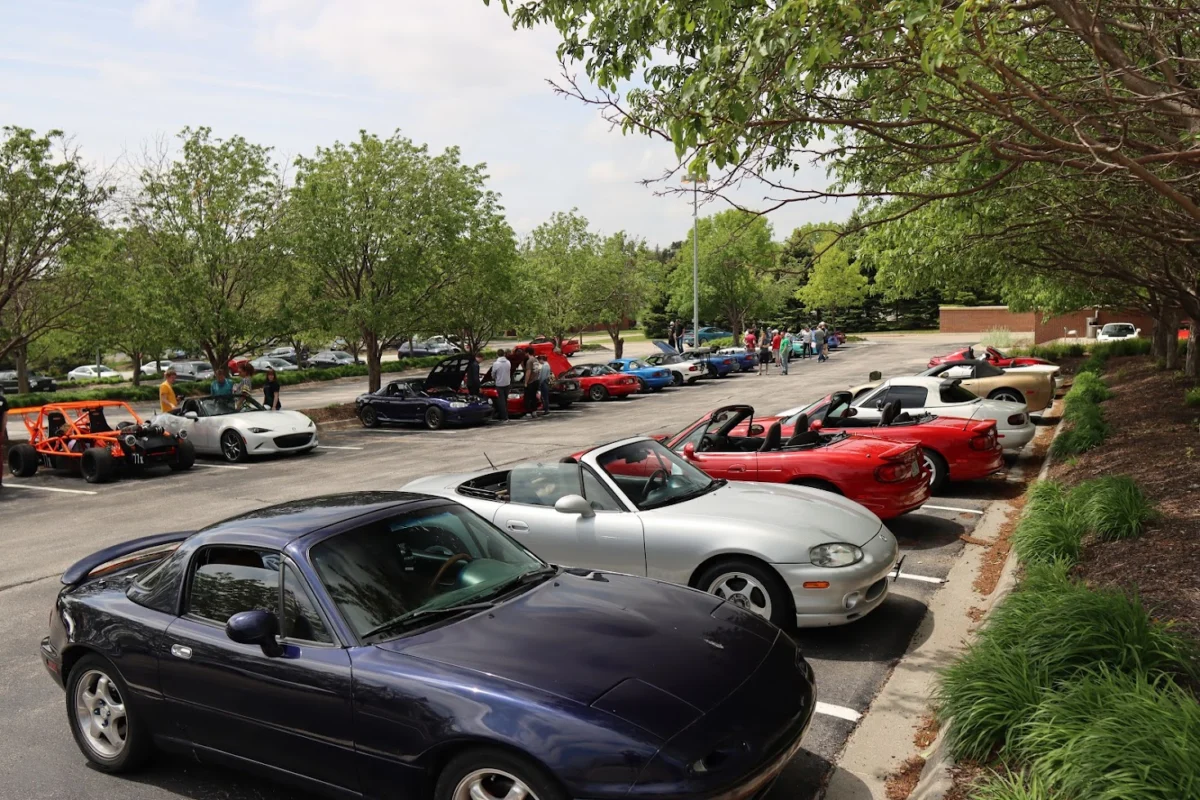
The acquisition and subsequent year-long development of a 2000 Mazda Miata (NB generation) provides a detailed case study into the enduring viability of the lightweight, front-engine, rear-wheel-drive platform for grassroots motorsports and mechanical restoration. Purchased in late March 2021, the vehicle served as a baseline for a series of incremental upgrades aimed at improving reliability, aesthetic appeal, and competitive performance in track and autocross environments. This technical review chronicles the monthly progression of the project, detailing the mechanical interventions and the broader context of the Miata’s role in contemporary automotive culture.
Technical Specifications and Initial Acquisition
The second-generation Mazda Miata, internally designated as the NB, was produced between 1998 and 2005. The specific model in this study, a 2000 variant, features the BP4W engine—a 1.8-liter inline-four cylinder power plant. While the stock engine produces approximately 140 horsepower and 119 lb-ft of torque, the platform’s primary advantage lies in its curb weight of roughly 2,300 pounds and its nearly 50/50 weight distribution.
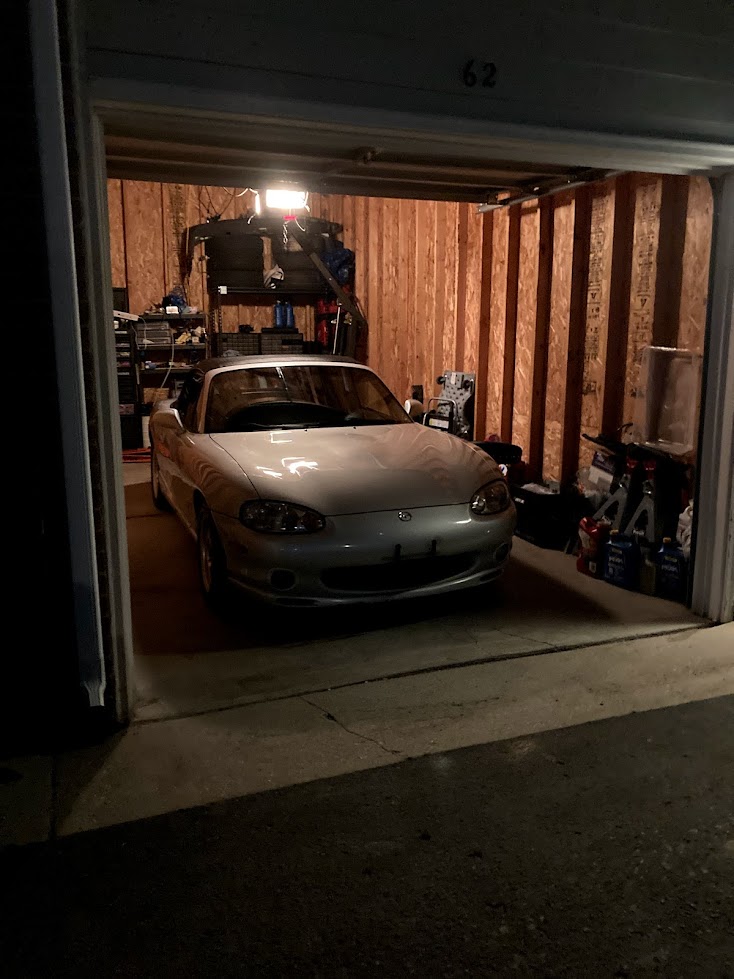
Upon acquisition on March 19, 2021, the vehicle represented a "blank slate" with an unknown maintenance history. For enthusiasts and engineers, the NB platform is often cited as a bridge between the raw, analog experience of 1980s sports cars and the refined safety and structural rigidity of modern vehicles. The initial assessment prioritized mechanical transparency over performance, as the lack of service records necessitated a comprehensive baseline overhaul.
Phase I: Mechanical Baselining and Reliability Standards
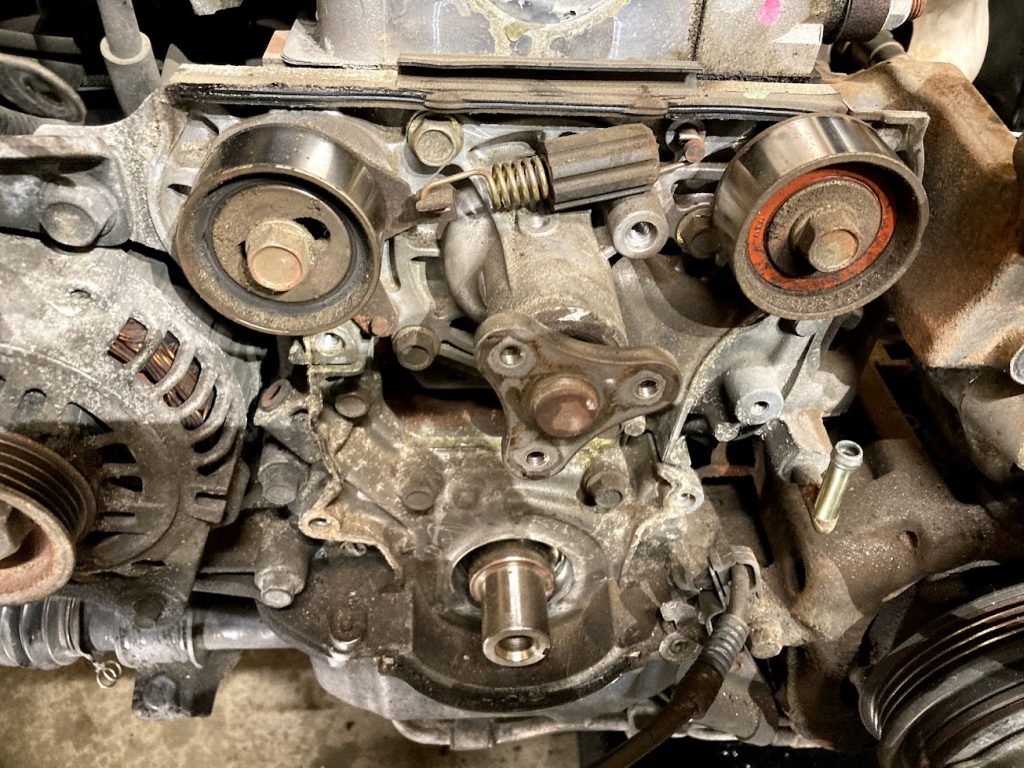
In April 2021, the project transitioned into a rigorous maintenance phase. The BP4W engine is a non-interference design, meaning that a timing belt failure would not result in catastrophic piston-to-valve contact. However, to ensure operational reliability for future high-stress environments, such as track days, the decision was made to perform a "front-60k" service. This included the replacement of the timing belt, water pump, and associated seals.
By establishing a "known good" state, the project adhered to the industry standard for preventative maintenance. This phase is critical for aging sports cars, as rubber components and cooling systems often degrade over two decades regardless of mileage. The objective was to eliminate variables that could lead to mechanical failure during competitive use.
Phase II: Community Integration and Aesthetic Modifications
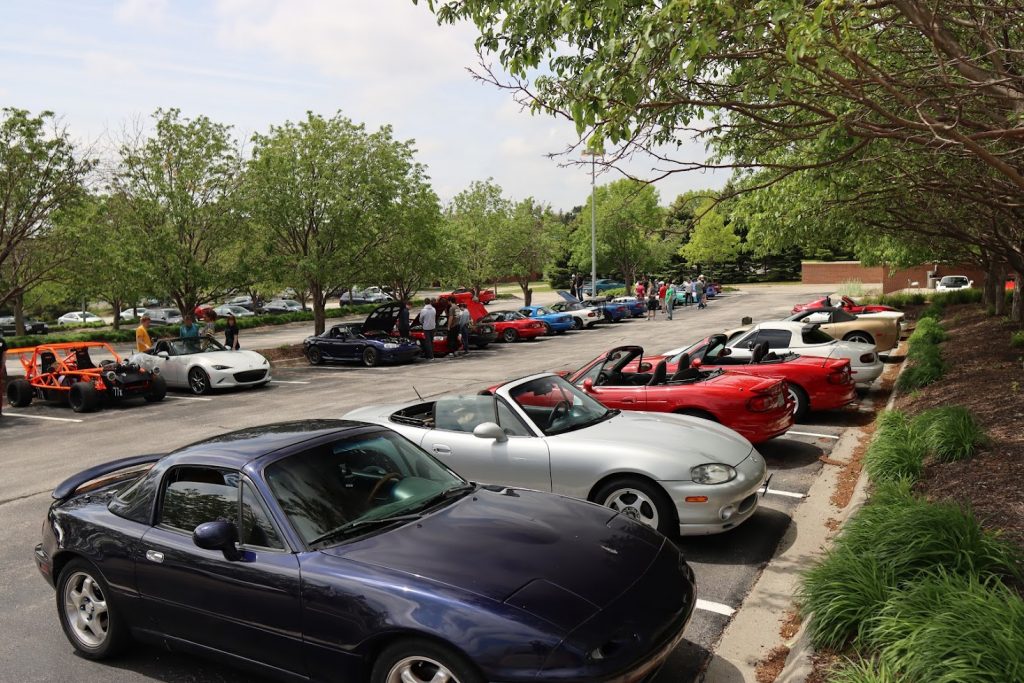
May 2021 marked the vehicle’s introduction to the broader enthusiast community. The Miata remains one of the most supported platforms in the aftermarket industry, with a global network of owners ranging from casual drivers to professional racers. Attendance at regional car meets provided an opportunity to observe diverse builds, including forced induction (turbocharged and supercharged) setups and high-displacement engine swaps, such as the V8 Exocet—a kit car based on the Miata chassis.
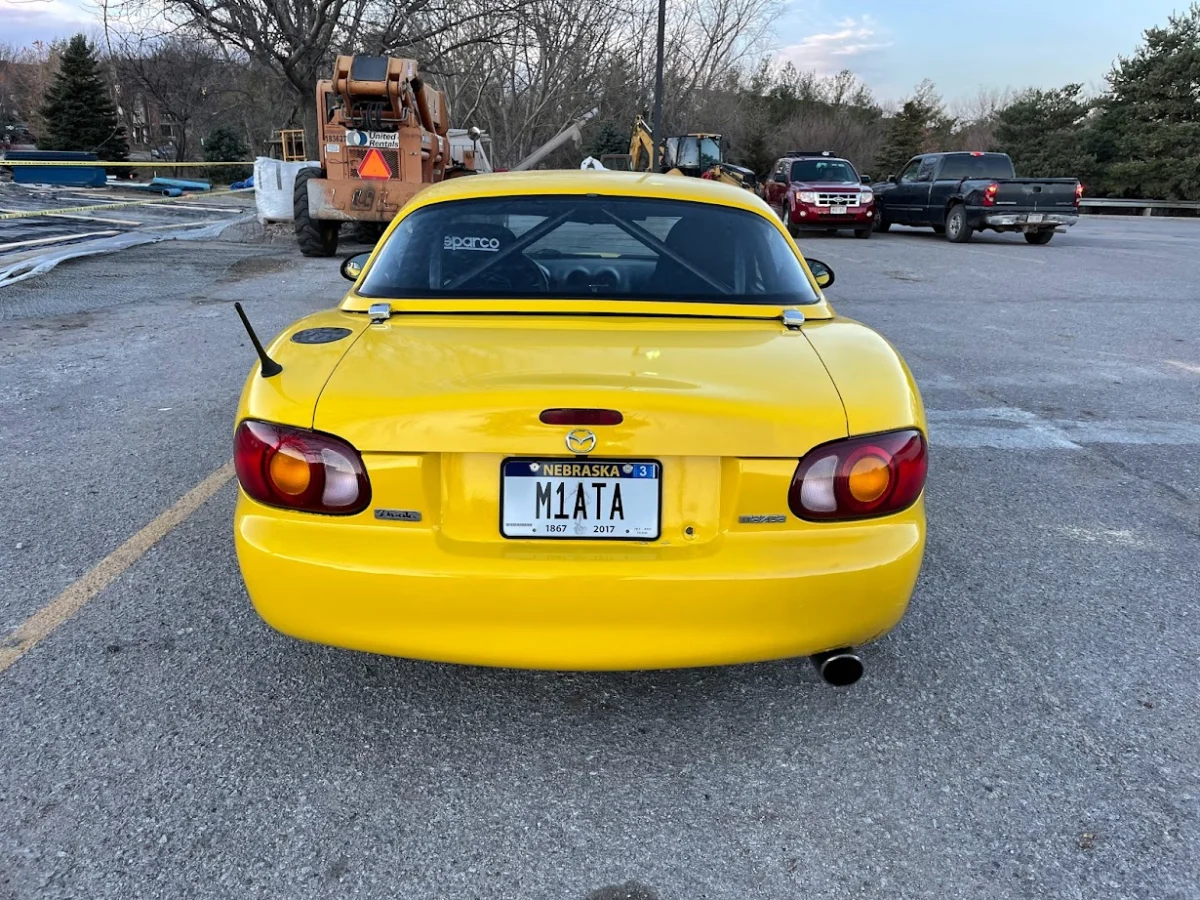
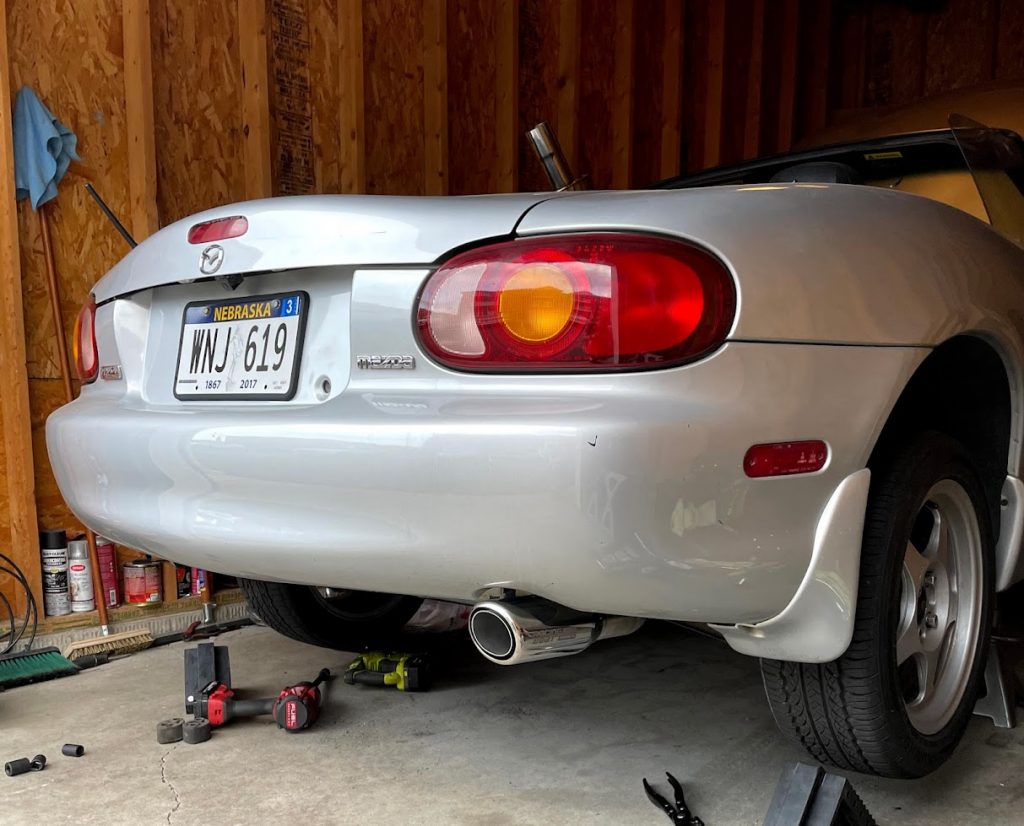
By June, the focus shifted to the exhaust system. The original hardware suffered from two decades of thermal cycling and environmental corrosion. The replacement system comprised a Raceland header, a Cobalt midpipe, and a Racing Beat Power Pulse muffler. This combination was selected to achieve a balance between increased gas flow efficiency and a moderate acoustic profile. However, the installation highlighted a common challenge in DIY automotive work: the accidental omission of the Exhaust Gas Recirculation (EGR) pipe connection, which resulted in persistent engine control module (ECM) fault codes.
Phase III: Surface Preparation and Visual Transformation
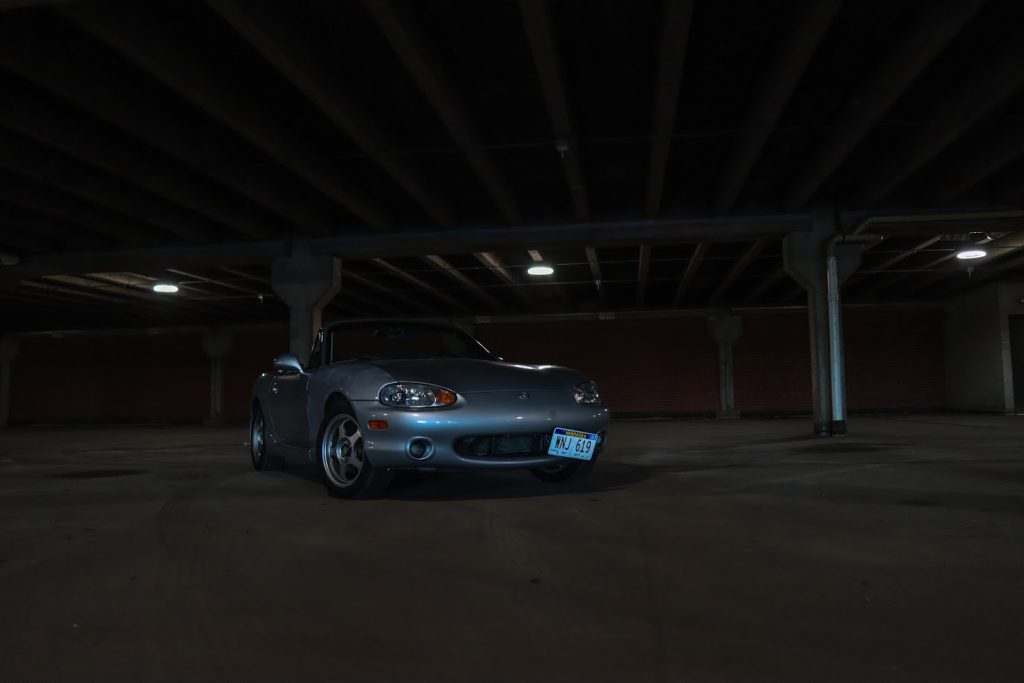
In July and August 2021, the project addressed the vehicle’s exterior. The original silver paint was marred by a dented front fender, which was replaced with a panel prepared via a simplified "rattle can" paint process. This served as a preparatory step for a full vehicle vinyl wrap.
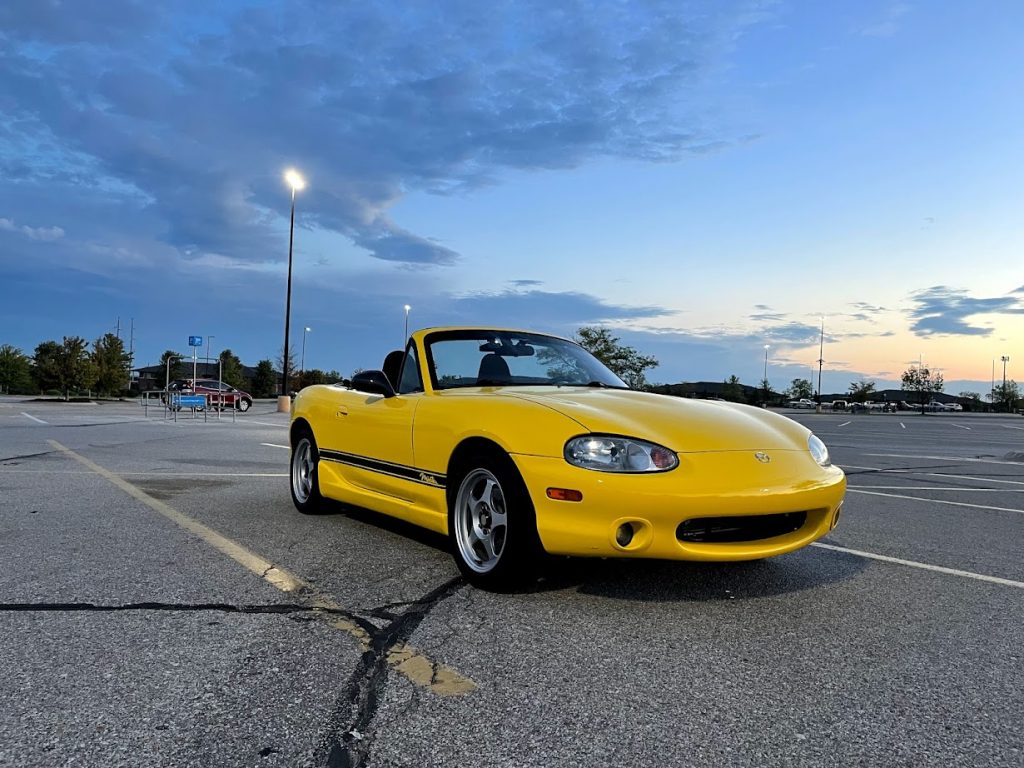
The selection of a yellow vinyl wrap in August represented a significant shift in the vehicle’s visual identity. Vinyl wrapping has become a preferred alternative to traditional respraying in the enthusiast community due to its cost-effectiveness and the protection it offers the underlying substrate. Beyond aesthetics, the bright color serves a functional purpose in motorsports, increasing vehicle visibility to other drivers and track marshals.
Phase IV: Competitive Entry and Performance Validation
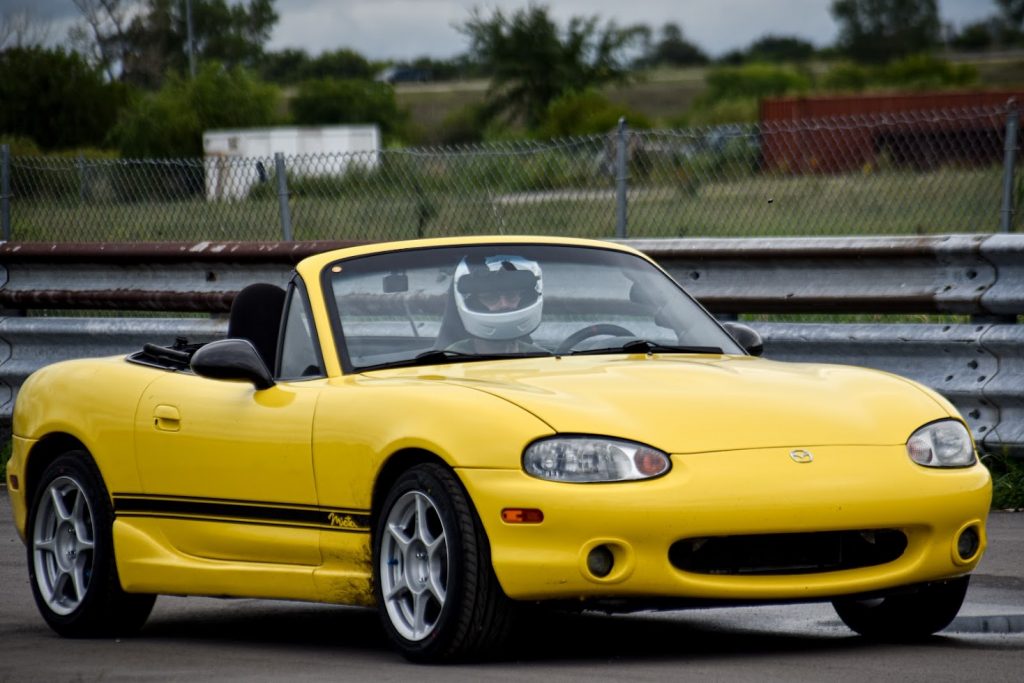
September 2021 marked the vehicle’s transition from a street-driven project to a competitive tool. The owner attended a track day at Raceway Park of the Midlands, a facility known for its technical layout that favors handling over raw horsepower. This event served as a "proof of concept" for the reliability work performed in the spring.
The following month, in October 2021, the vehicle was entered into an autocross event. Autocross, characterized by low-speed, high-precision maneuvers through a cone-defined course, is the quintessential environment for the Miata. These events emphasized the importance of the vehicle’s "turn-in" response and low-end torque. Data gathered from these sessions informed the next stage of the project: suspension and safety.
Phase V: Seasonal Preservation and Structural Overhaul
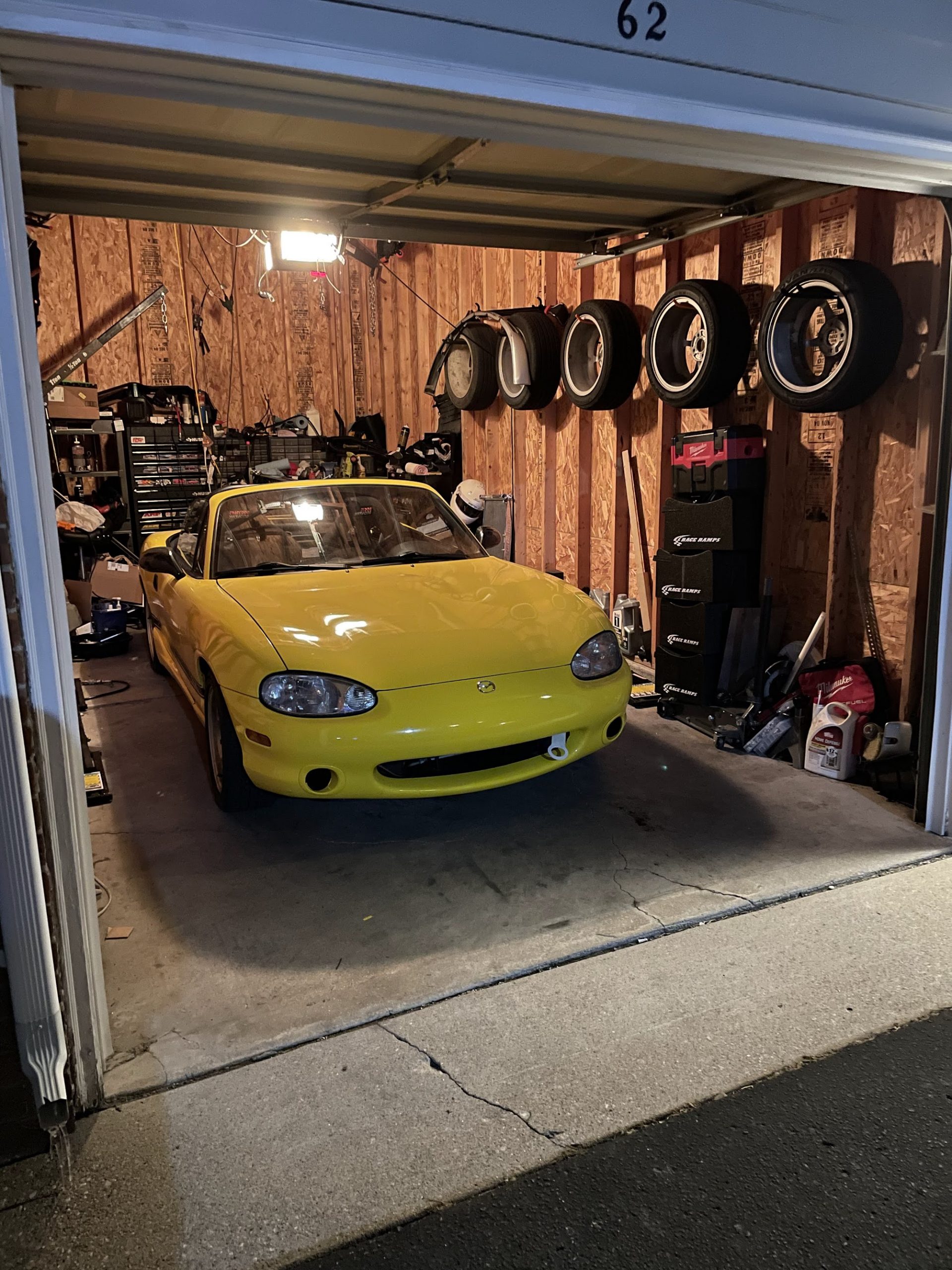
As the project moved into November 2021, environmental factors in Nebraska dictated a shift in strategy. The region’s use of road salt during winter months poses a severe threat to the NB Miata, which is historically susceptible to chassis and rocker panel rust. Consequently, the vehicle was fitted with a hardtop—improving structural rigidity and cabin insulation—before being placed into seasonal storage.
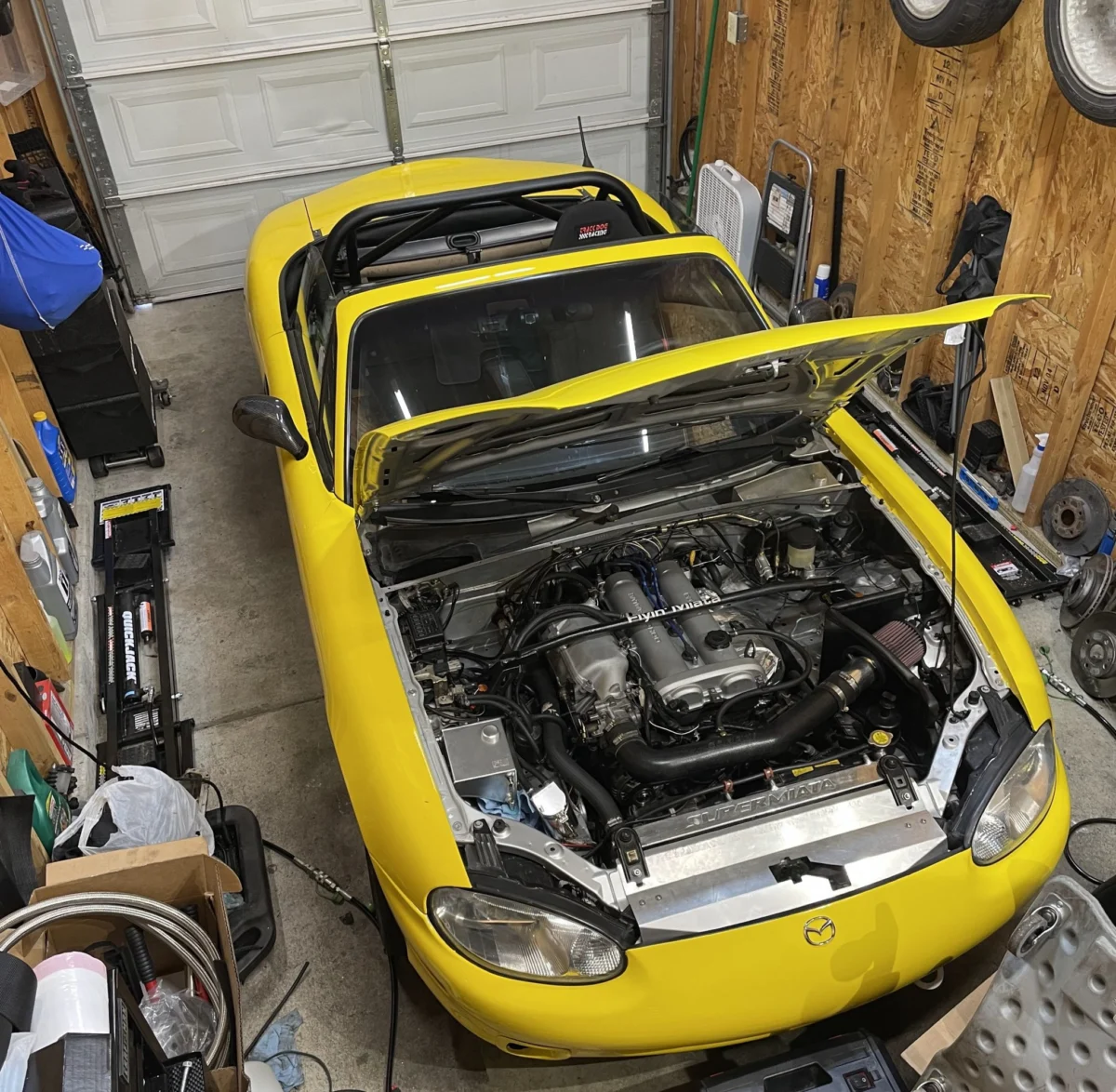
During the dormant months of December 2021 and January 2022, the project undertook its most invasive mechanical work to date. The suspension was completely refreshed with upgraded components to improve damping and roll stiffness. Furthermore, a "engine-out" service was performed in January. This decision was driven by three primary factors:
- Rear Main Seal Leak: A common failure point in high-mileage BP engines.
- Oil Pan Issues: A stripped oil drain plug necessitated a more thorough repair than could be achieved in situ.
- Coolant Reroute Installation: The Miata’s cooling system was originally designed for a transverse engine layout (as seen in the Mazda 323). In the longitudinal Miata layout, the rear cylinders (specifically cylinder four) receive less coolant flow. A "reroute" kit moves the thermostat housing to the rear of the head, normalizing temperature across all cylinders—a vital modification for sustained track use.
Phase VI: Safety Systems and Precision Alignment
In February 2022, the final month of the first year, the project prioritized driver safety and chassis geometry. As track speeds increased, the stock interior was deemed insufficient. The installation of Track Dog Racing UltraShield Rally Sport seats and 6-point harnesses provided the lateral support necessary for high-G cornering. Additionally, the inclusion of a HANS (Head and Neck Support) device and a securely mounted fire extinguisher aligned the vehicle with SCCA (Sports Car Club of America) safety regulations.
A critical milestone was the "broomstick test," a safety requirement for convertibles where a straight edge is placed between the roll bar and the windshield frame; the driver’s helmet must sit below this line. The final task involved a DIY wheel alignment. Utilizing manual measurement tools, the owner set the camber, caster, and toe to specifications optimized for performance rather than the conservative factory settings intended for tire longevity.
Broader Impact and Conclusion
The first twelve months of this 2000 Mazda Miata project illustrate the multi-faceted nature of modern automotive hobbyism. It is not merely an exercise in transportation, but a systematic approach to engineering, aesthetics, and competitive sport. The project successfully transitioned a twenty-year-old vehicle with an uncertain future into a specialized machine capable of withstanding the rigors of the track.
From a broader perspective, the continued popularity of the NB Miata underscores a growing trend in the automotive market: the desire for "analog" experiences. As modern vehicles become increasingly heavy and reliant on electronic driver aids, the simplicity of the Miata platform offers a directness of feedback that is increasingly rare. This project serves as a testament to the platform’s versatility, proving that with disciplined maintenance and targeted upgrades, a two-decade-old roadster can remain relevant, reliable, and competitive in the 2020s. As the project enters its second year, it stands as a refined example of the "slow car fast" philosophy that continues to define the grassroots racing community.