Retno Hari Mulyono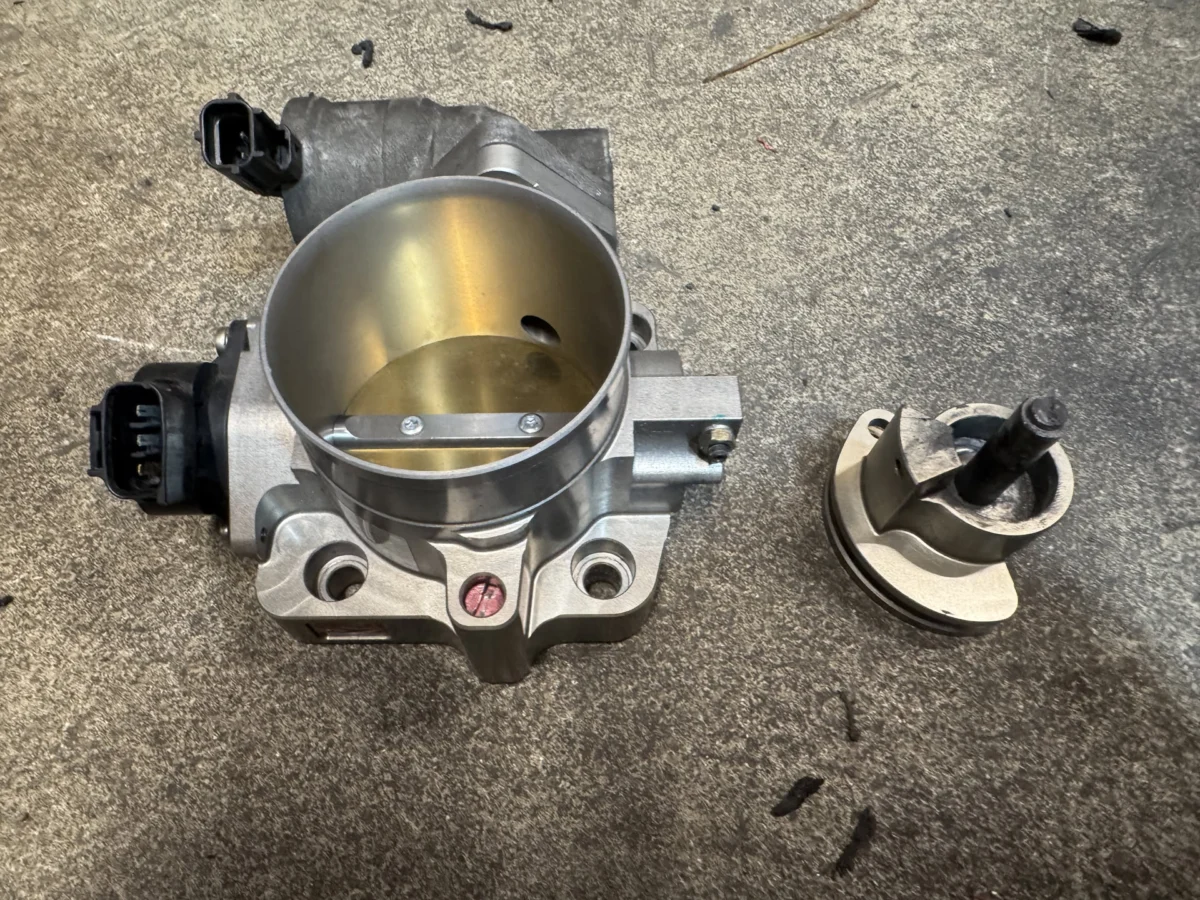
The Mechanical Limitation of Cable-Driven Systems
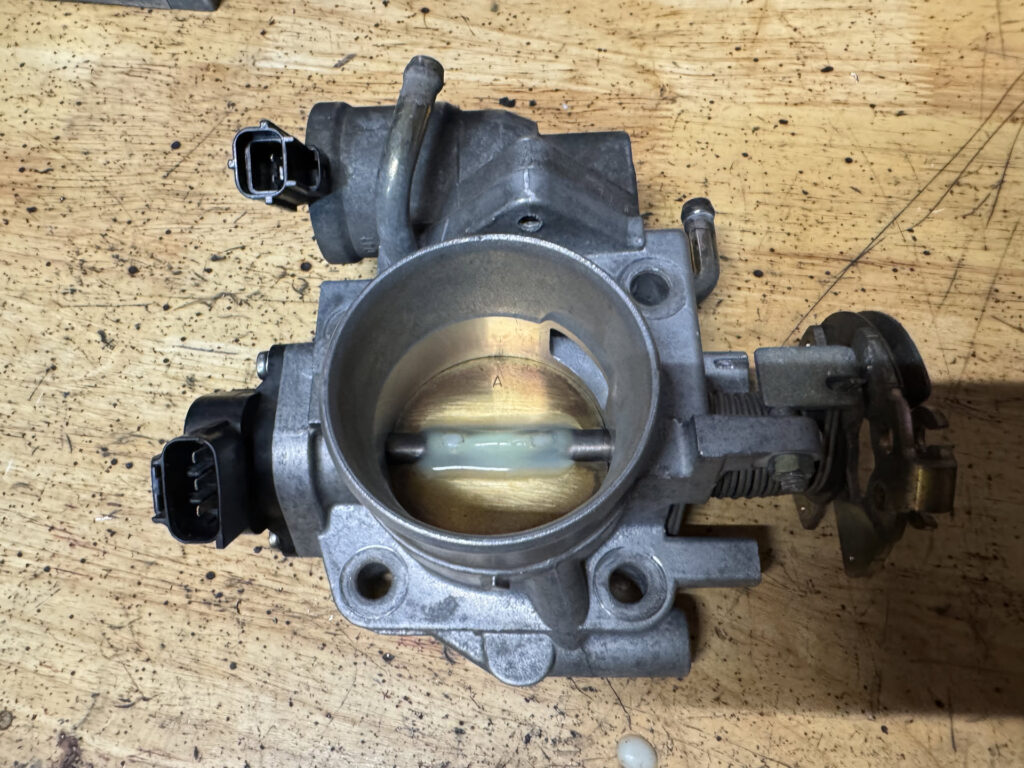
The transition to Drive-By-Wire (DBW) is often born out of necessity rather than a mere desire for modernization. In high-vibration environments, such as those found in the Mazda B-series engines during sustained high-RPM track sessions, mechanical throttle bodies are subject to extreme stress. Documented failures include the snapping of throttle shafts and the backing out of throttle blade screws—incidents that can lead to catastrophic engine failure if the hardware is ingested into the combustion chamber.
Aftermarket solutions, specifically the widely used Skunk2 throttle body, have faced criticism within the racing community for these exact reasons. Reports of the throttle shaft failing mechanically or the unit sticking partially open have led many enthusiasts to label such components as "Junk2," a pejorative reflecting the frustration of track-day enthusiasts who have experienced throttle-related incidents. Even the original equipment manufacturer (OEM) units, while generally more reliable for street use, are not immune to these failure modes. The common "remedy" of applying high-strength epoxy, such as 3M DP420, to the throttle shaft and screws is often viewed as a temporary safeguard rather than a definitive engineering solution.
Chronology of the Drive-By-Wire Conversion Movement
The timeline for DBW adoption in the Miata platform has accelerated over the last five years. While modern performance vehicles have utilized electronic throttle control since the early 2000s, the "DIY" tuning community was historically limited by the lack of affordable, standalone controllers and ECU support.

- 2019: The introduction of the DBWX2 controller marked one of the first reliable methods to bridge the gap between non-DBW ECUs and electronic throttle bodies.
- 2020–2023: Increased availability of Bosch Motorsports 60mm throttle bodies and the development of CNC-machined adapter plates by firms like Outsider Garage and ChathamCNC made the hardware swap more accessible.
- 2024: Firmware updates for popular standalone ECUs, such as the Megasquirt MS3 series, began to offer more robust support for CAN bus-based throttle control.
- October 2025: The market saw the release of the AMP EFI controller, a high-feature unit designed to offer integrated safety and "auto-blip" functionality, signaling a peak in the technology’s maturity for the aftermarket.
Technical Components of the Conversion
A successful conversion requires a synergy of four primary components: the electronic throttle body (ETB), a mechanical adapter, a pedal position sensor, and a dedicated controller to manage the communication between these parts and the Engine Control Unit (ECU).
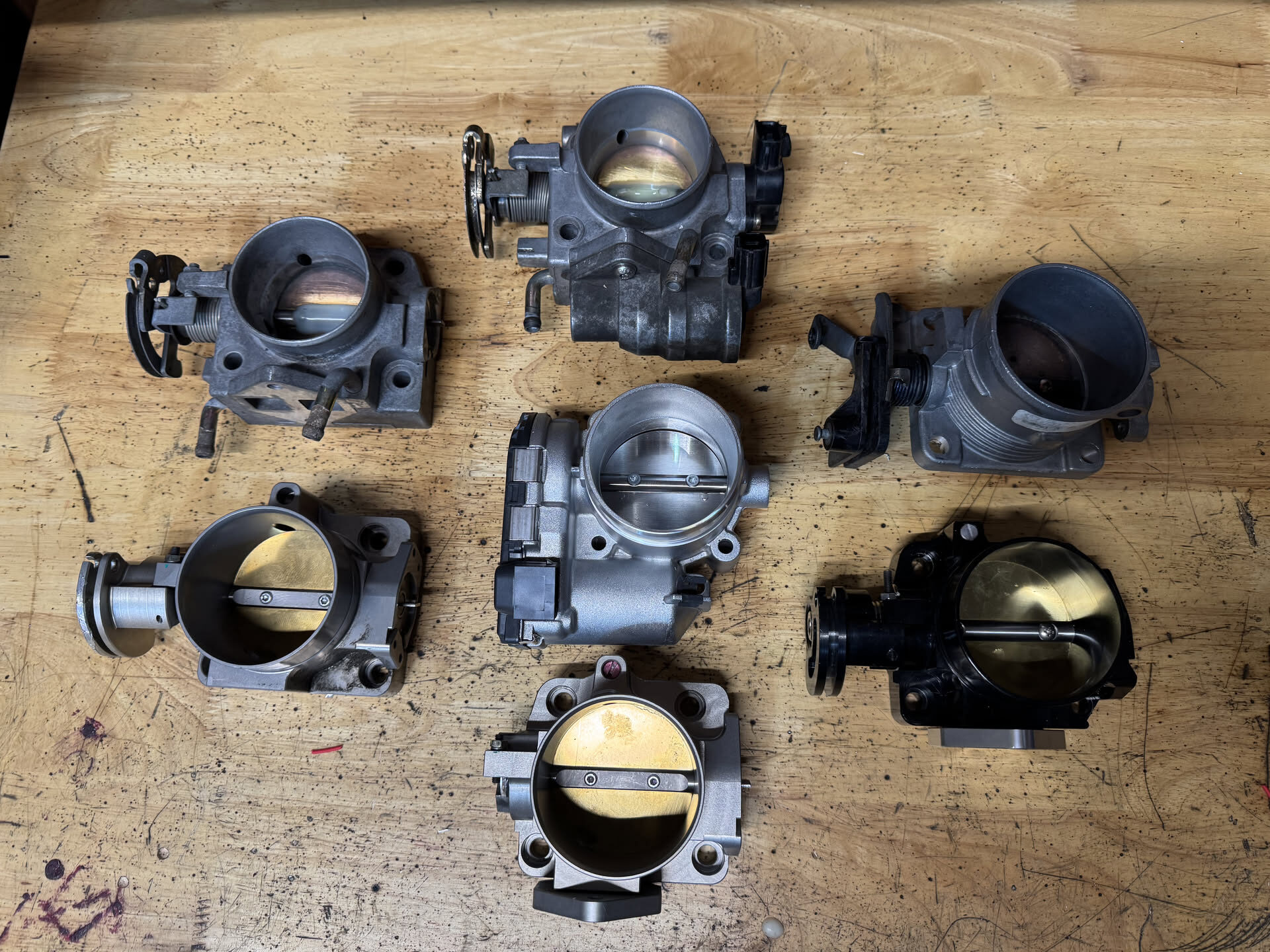
The Bosch 60mm Electronic Throttle Body
The industry standard for this conversion is the Bosch 60mm ETB. These units are prized for their OEM-grade reliability and are found in various production vehicles, making them both affordable and easy to replace. At approximately $150, they provide a 60mm bore—an upgrade over the stock 55mm Miata unit—allowing for increased airflow without sacrificing low-end throttle response when tuned correctly.
Accelerator Pedal Position (APP) Sensors
To communicate driver intent to the ECU, a sensor must be added to the accelerator pedal. Two primary methods exist: replacing the entire pedal assembly with one from a modern vehicle (such as a Mazda RX-8) or utilizing a remote-mounted sensor. The latter, often sourced from 2003–2007 Honda Accords, allows the user to retain the original cable-driven pedal. This sensor converts the mechanical pull of the existing cable into a dual-redundant voltage signal, preserving the original "feel" of the pedal while providing the necessary data for the DBW controller.
Comparative Analysis of CAN Bus Controllers
For users of the Megasquirt MS3Pro platform, which does not support DBW natively via internal H-bridge drivers, an external CAN-based controller is required. As of late 2025, five major players dominate the market, each offering different trade-offs in price and functionality.

- DBWX2 ($500): The premium option, offering dual-channel support for vehicles requiring two throttle bodies. It features a robust metal enclosure and a long track record of reliability.
- AMP EFI ($300): The newest entry, specifically designed for seamless integration with Megasquirt systems. It stands out for its ability to function as a standalone unit and its built-in support for auto-blip downshifting using clutch and brake inputs.
- MS Labs ($400+): Highly regarded for its advanced idle control algorithms and multiple throttle map support, though its availability in the North American market remains limited.
- LD Performance ($200): A mid-range option that provides basic functionality but lacks the integration of TunerStudio configuration, requiring a separate interface for setup.
- SPTronics ($150): The most cost-effective solution. While it lacks some of the advanced PID tuning and firmware update capabilities of its rivals, it provides a stable entry point for budget-conscious builders.
Data-Driven Advantages of Electronic Control
The transition to DBW offers more than just mechanical reliability. From a performance tuning perspective, the advantages are quantifiable:
- Flexible Throttle Mapping: Unlike a mechanical linkage where 50% pedal travel always equals 50% throttle opening, DBW allows for non-linear mapping. This can improve driveability in high-horsepower cars by "softening" the throttle response at low speeds while sharpening it at the track.
- Integrated Idle Control: DBW eliminates the need for a separate Idle Air Control Valve (IACV). The ECU can make minute adjustments to the main throttle blade to maintain a steady idle, reducing complexity and potential vacuum leaks.
- Safety Redundancy: Modern DBW systems use dual-potentiometer sensors. If the signals between the two sensors disagree, the controller immediately cuts power to the throttle motor, causing a return spring to snap the blade shut. This is a significant safety upgrade over a mechanical cable that could potentially bind or snap in the open position.
- Advanced Features: Features such as "Auto-Blip" (rev-matching on downshifts) and "Flat-Shift" (maintaining boost during upshifts) become software-based, requiring no additional hardware beyond the DBW system.
Official Responses and Market Impact
While Mazda has not officially commented on the modification of vintage platforms, the aftermarket industry has responded with a surge in specialized hardware. Representatives from adapter manufacturers have noted a 40% increase in demand for DBW-related components over the last 24 months. Engineers within the tuning community emphasize that as track safety standards become more stringent, the move toward systems with built-in electronic fail-safes is inevitable.

The shift is also impacting the resale market for standalone ECUs. Platforms that offer native DBW support, such as Haltech and MaxxECU, are seeing increased adoption. However, the development of CAN-based controllers has allowed the Megasquirt ecosystem—a staple of the Miata community—to remain competitive by providing an modular upgrade path for existing users.
Broader Implications for the Tuning Community
The move to Drive-By-Wire on the NB Miata platform is emblematic of a broader trend in the "restomod" and amateur racing worlds. It represents the "democratization of technology" that was once reserved for high-end factory supercars. By utilizing OEM components from various manufacturers—Bosch throttle bodies, Honda sensors, and specialized third-party controllers—enthusiasts are creating hybrid systems that outperform the original mechanical designs in every measurable metric.

As the 2025 racing season progresses, the results from these conversions will likely solidify DBW as the standard for any serious Miata build. The elimination of mechanical failure points, combined with the precision of electronic engine management, ensures that the platform will remain a viable and competitive choice for track enthusiasts for years to come. The next phase of this evolution will likely involve even deeper integration, where traction control and stability management systems utilize DBW to provide more granular engine torque intervention, further closing the gap between vintage sports cars and modern performance machinery.