Retno Hari Mulyono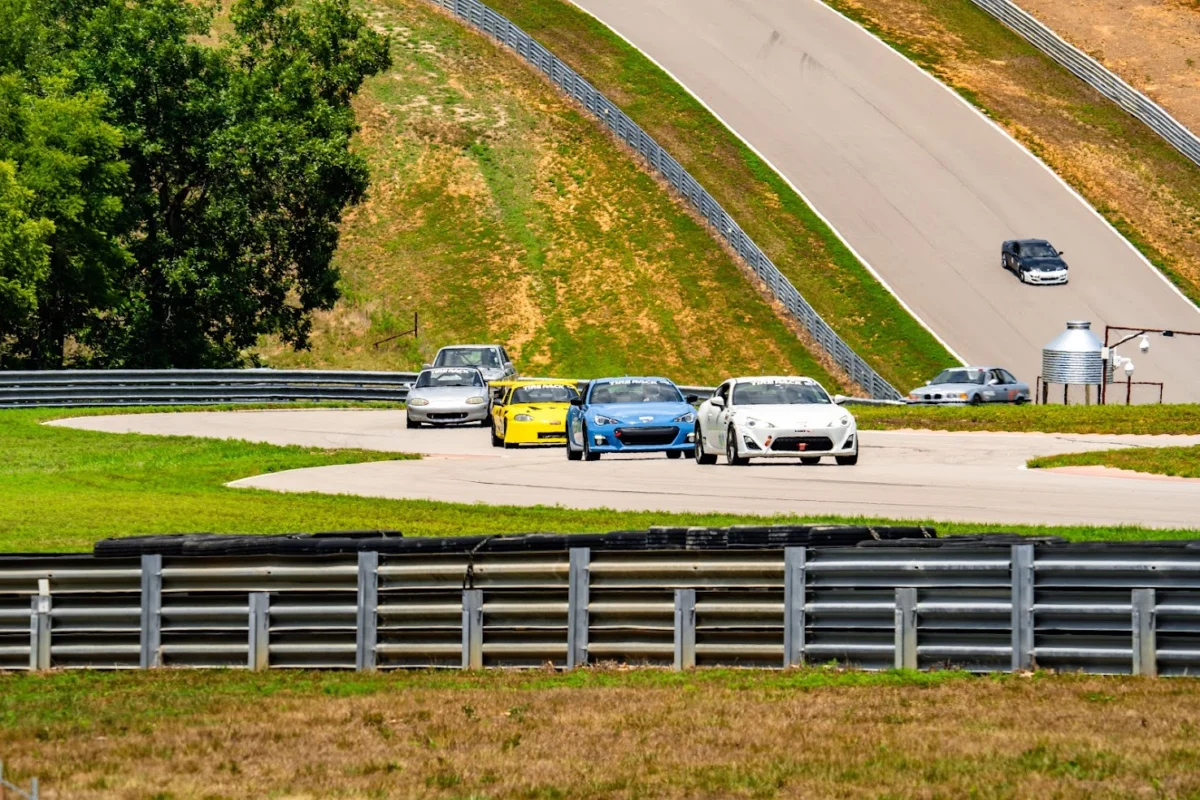
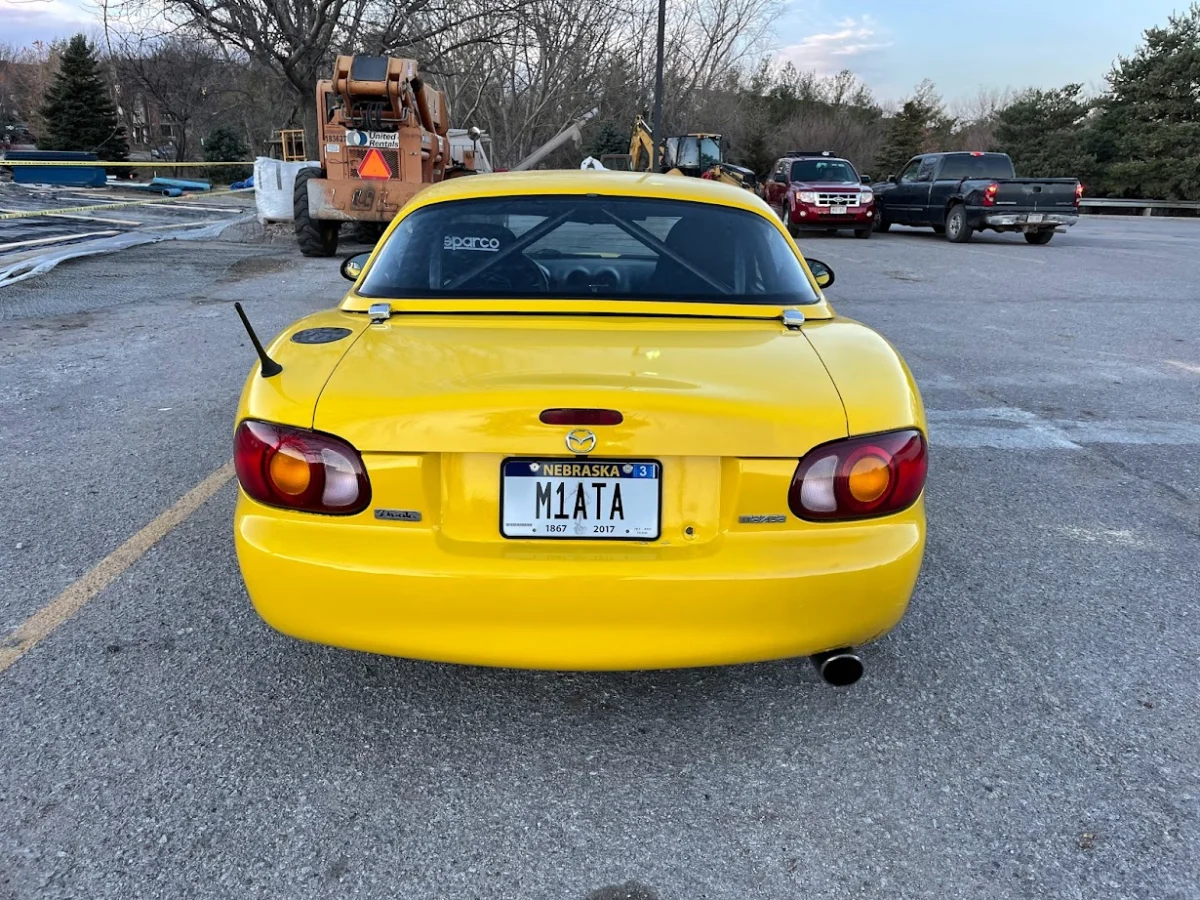
The third year of ownership for a second-generation (NB) Mazda Miata often represents a critical juncture in the vehicle’s lifecycle, marking the transition from a dual-purpose street-and-track machine to a dedicated performance platform. Between March 2023 and February 2024, the subject vehicle underwent a series of technical refinements, aerodynamic testing, and mechanical overhauls designed to optimize its competitiveness in the Sports Car Club of America (SCCA) Time Trials and regional autocross circuits. This period was characterized not only by significant hardware evolution but also by the shifting landscape of Midwestern motorsports, highlighted by the permanent closure of a historic racing venue and the emergence of high-technicality tracks.
Aerodynamic Development and the Logistics of Support Systems
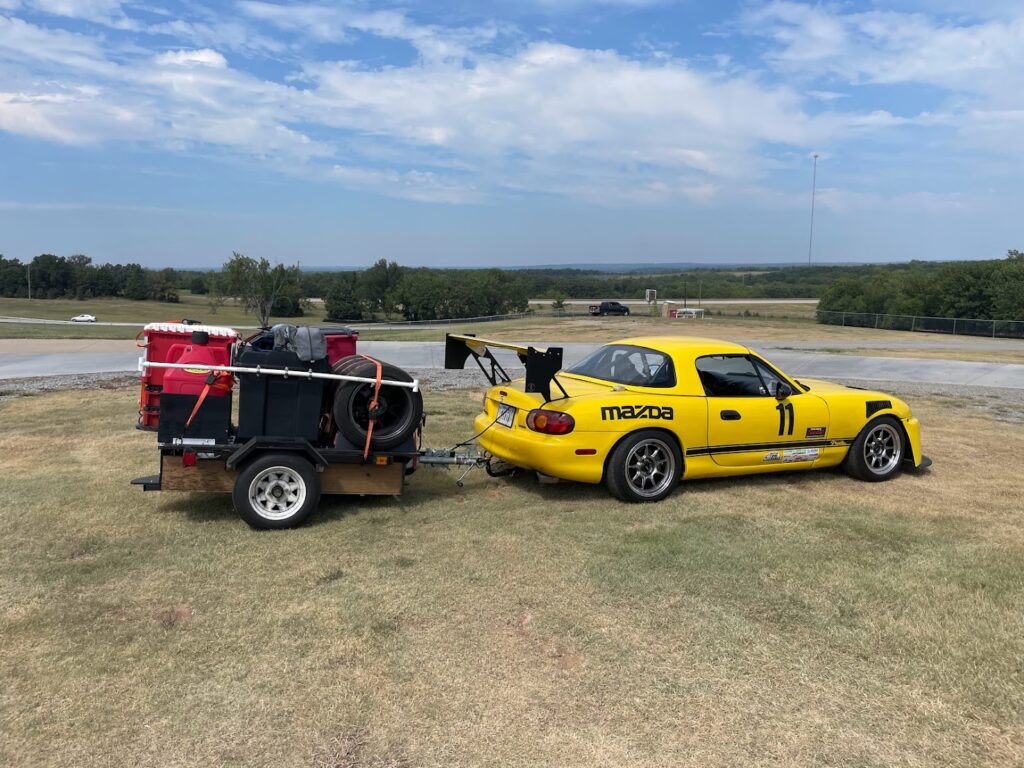
The 2023 season commenced with a focus on logistical efficiency and aerodynamic stability. Following the construction of a custom tire trailer in 2022, the owner implemented several structural upgrades in March 2023. These included a lowered deck for improved center of gravity, the integration of a 15-gallon fuel cell to replace smaller, less efficient jugs, and specialized mounting points for spare splitters and wing Gurney flaps. These modifications highlight a growing trend in grassroots racing where drivers must operate as their own pit crews, requiring highly organized transport solutions for consumables and aerodynamic spares.
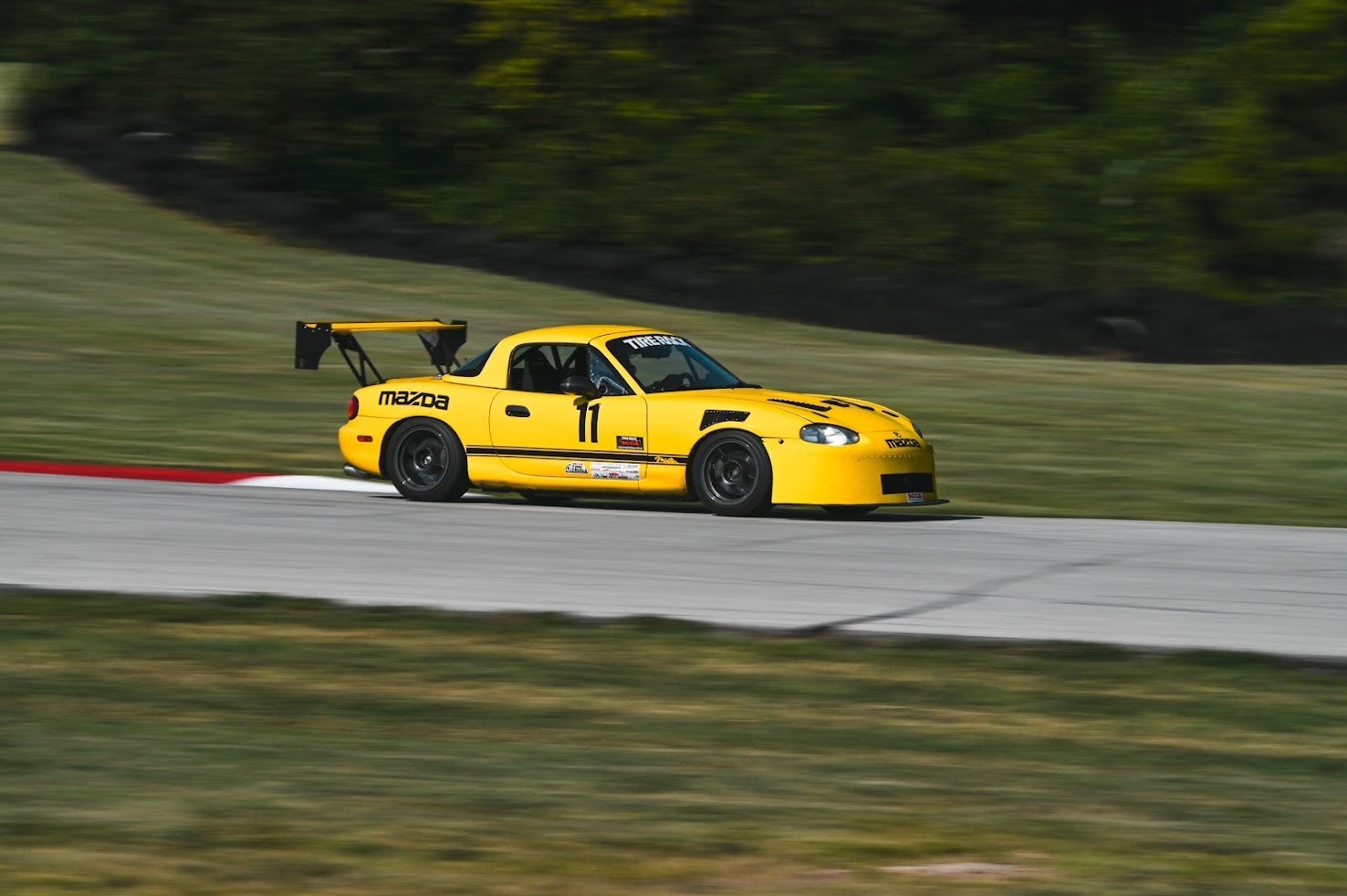
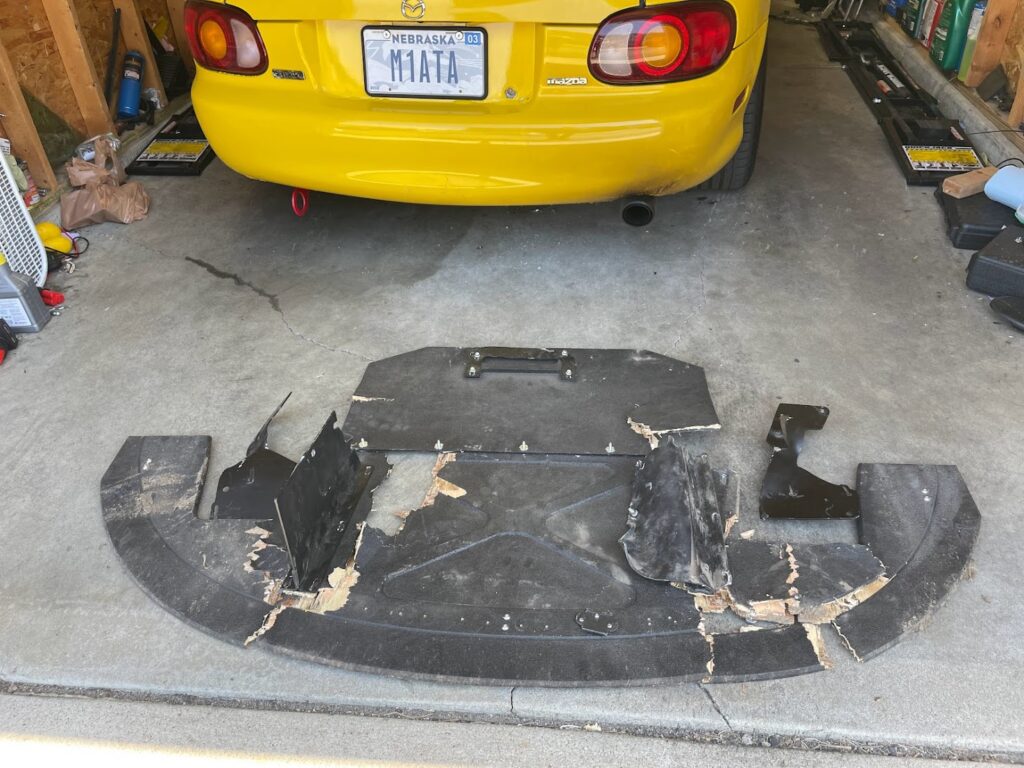
The implementation of a Nine Lives Racing medium-downforce kit introduced a new set of variables regarding ground clearance and structural durability. In April 2023, during a high-speed session at Motorsports Park Hastings, the vehicle suffered a significant "off-track" excursion. The impact resulted in the destruction of the front splitter, bent mounting brackets, and damage to the radiator support. This incident underscores the inherent risks of front-end aerodynamics on tracks with aggressive curbing or unforgiving run-off areas. The subsequent transition from composite materials to 1/2-inch plywood for the splitter reflects a pragmatic approach to "disposable" aero components—a common practice in amateur time trials where cost-effectiveness and ease of replacement are prioritized over aesthetic finish.
The Heartland Motorsports Park Closure and Regional Impact
May 2023 marked a bittersweet milestone with the vehicle’s participation in the SCCA Time Trials at Heartland Motorsports Park (HMP) in Topeka, Kansas. The event provided critical data on the performance of 225/45R15 Falken RT660 tires mounted on 15×9-inch wheels. However, the broader significance of the event lay in the venue itself. Following the 2023 season, Heartland Motorsports Park ceased operations due to a protracted legal dispute between the facility’s ownership and Shawnee County regarding property tax assessments.
The closure of HMP represents a significant blow to the Midwestern racing community. The facility, which opened in 1989 and previously hosted NHRA Nationals and SCCA Runoffs, was auctioned off in separate parcels. Industry analysts suggest that without a unified buyer committed to maintaining the track’s infrastructure, the loss of this venue will force regional competitors to travel significantly further to reach comparable facilities, such as Ozarks International Raceway or Hallett Motor Racing Circuit. This displacement increases the logistical burden on amateur racers and may lead to a consolidation of regional racing classes.
Technical Evaluations: Powertrain and Thermal Management
The mechanical integrity of the NB Miata was tested mid-season during a July excursion to Ozarks International Raceway (OIR). Prior to the event, the vehicle experienced a failure of its organic performance clutch. Due to time constraints, a standard OE-specification clutch was installed as a temporary measure. The technical challenge at OIR is significant; the track is known for its extreme elevation changes and technical complexity, which places immense stress on the vehicle’s drivetrain and braking systems.
Parallel to drivetrain maintenance, the owner addressed the critical issue of driver fatigue and thermal regulation. In September, during the "Miatas at Hallett" event, a "Cool Shirt" system was integrated into the vehicle. This system, which circulates ice-chilled water through a liquid-cooled garment, is increasingly viewed as a safety necessity rather than a luxury in closed-cockpit racing. On-track temperatures in modified Miatas can exceed ambient temperatures by 20 to 30 degrees Fahrenheit, and the reduction in core body temperature provided by such systems has been shown to improve cognitive function and reaction times during endurance sessions.
Comparative Engine Analysis: BP4W vs. BP6D
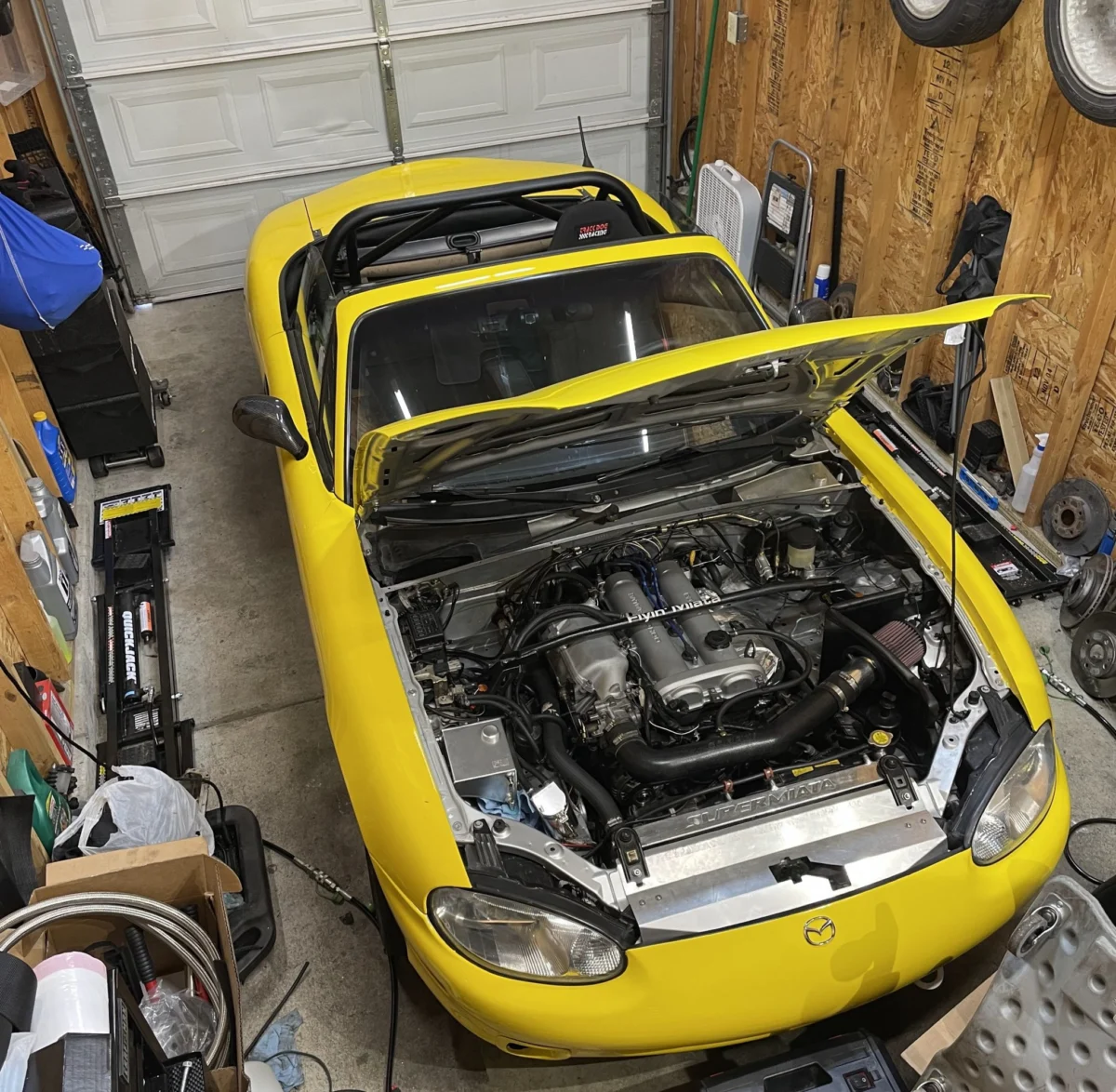
As the vehicle reached the end of its third year, the focus shifted to a long-term engine strategy. The original BP4W engine (1999–2000 specification) exhibited signs of terminal wear, including oil consumption at high RPMs and visible smoke during engine braking. These symptoms are indicative of worn valve stem seals or piston ring degradation, common in high-mileage engines subjected to repeated thermal cycling on track.
The owner’s inventory of spare powerplants provides a glimpse into the modularity of the Mazda B-series engine:
- BP4W (1.8L Non-VVT): Known for its "tumble port" head design, offering strong mid-range flow but susceptible to valve clearance issues over time.
- BP6D (1.8L VVT): Introduced in 2001, this engine features Variable Valve Timing on the intake cam, providing a broader powerband and higher potential for top-end performance in Time Trial classes where naturally aspirated power is capped by weight.
The technical decision to rebuild the BP4W bottom end while utilizing a refurbished BP6D head—effectively creating a "hybrid" build—demonstrates the iterative nature of Miata engine development. By honing the block and installing new BP6D high-compression pistons, the goal is to maximize the volumetric efficiency of the naturally aspirated platform before considering forced induction.
Data Analysis: Tire Longevity and Lap Time Metrics
A data-driven review of the 2023 season reveals a high level of utilization, with 15 track days and 15 autocross events recorded. This volume of competition allowed for a detailed analysis of tire performance across different compounds:
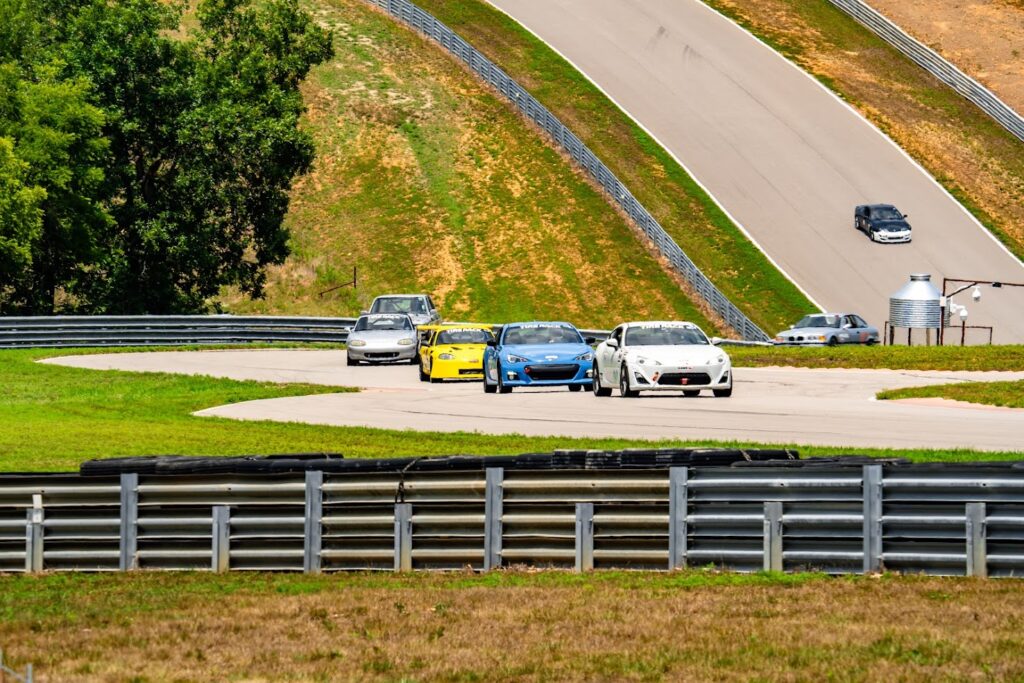
- Bridgestone RE71-RS: Used primarily for autocross, these tires maintained competitive grip levels over 17 events (approximately 70 runs), showcasing improved heat-cycle resilience compared to their predecessor, the RE71-R.
- Falken RT660: Serving as the primary track tire, the RT660s provided 8.5 hours of high-limit operation across 38 heat cycles. While the tires retained tread, the owner noted a gradual decline in peak grip, prompting a planned transition to Nankang CRS v2 for the 2024 season.
- Continental ExtremeContact Sport: These were utilized as a "wet weather" contingency. Interestingly, data suggested that their performance in damp conditions was comparable to older, heat-cycled Hankook RS4 tires, reinforcing the value of dedicated rain tires for maintaining pace in inclement weather.
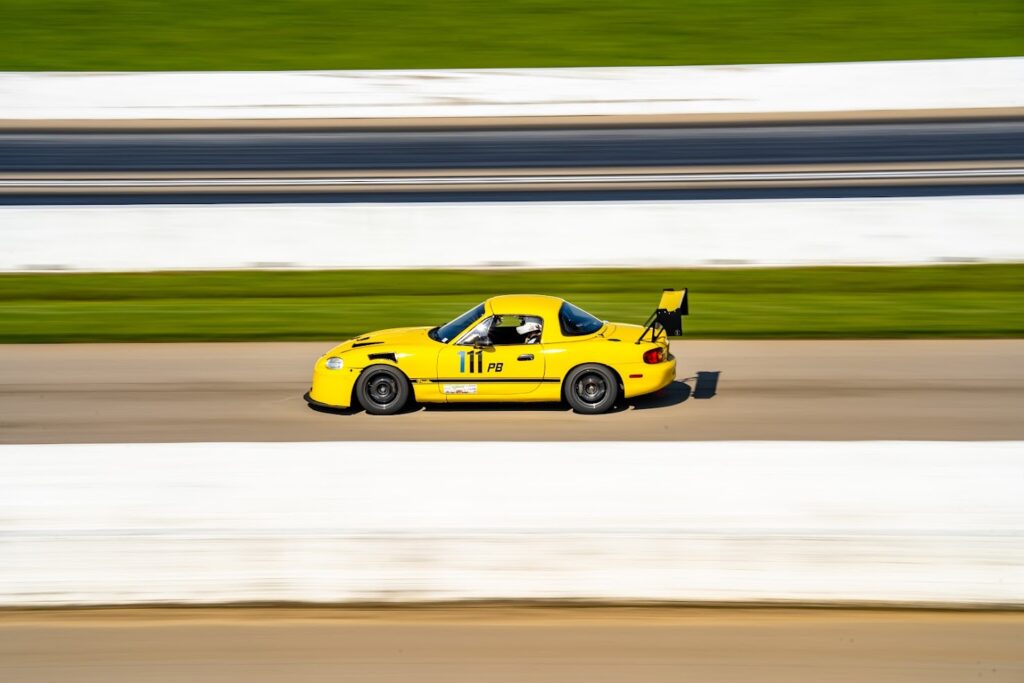
At Motorsports Park Hastings, the vehicle achieved a personal best lap time of 1:42.78. When compared to the NASA Spec Miata record of 1:40.415, the data indicates that while the vehicle’s aerodynamic package provides an advantage in high-speed cornering, the power-to-weight ratio remains the primary bottleneck for achieving elite-level times.
Winter Refinements and Weight Optimization
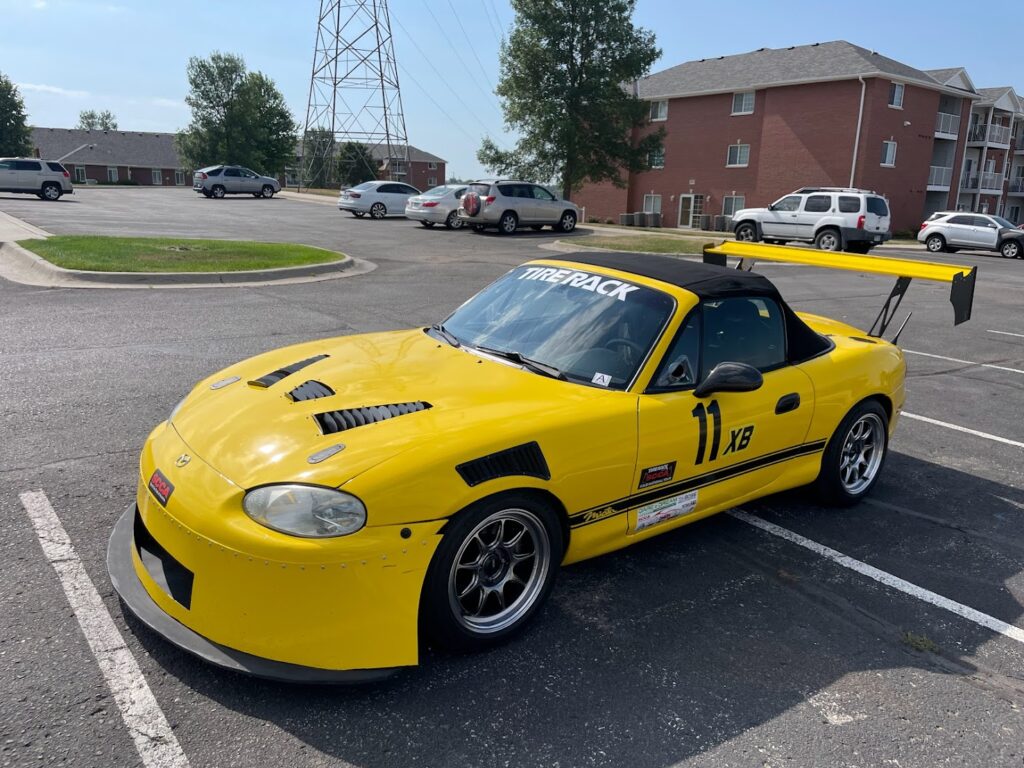
The final quarter of the ownership year (December 2023–February 2024) was dedicated to "lightweighting" and interior ergonomics. In a competitive Time Trials environment, weight reduction is often the most cost-effective method of improving lap times. The owner removed the dashboard and performed an extensive "wire tuck," eliminating redundant circuits from the factory harness. This process, combined with the removal of the soft top in June (which was redundant due to the use of a permanent hardtop for aerodynamic efficiency), resulted in a total weight savings of approximately 50 pounds.
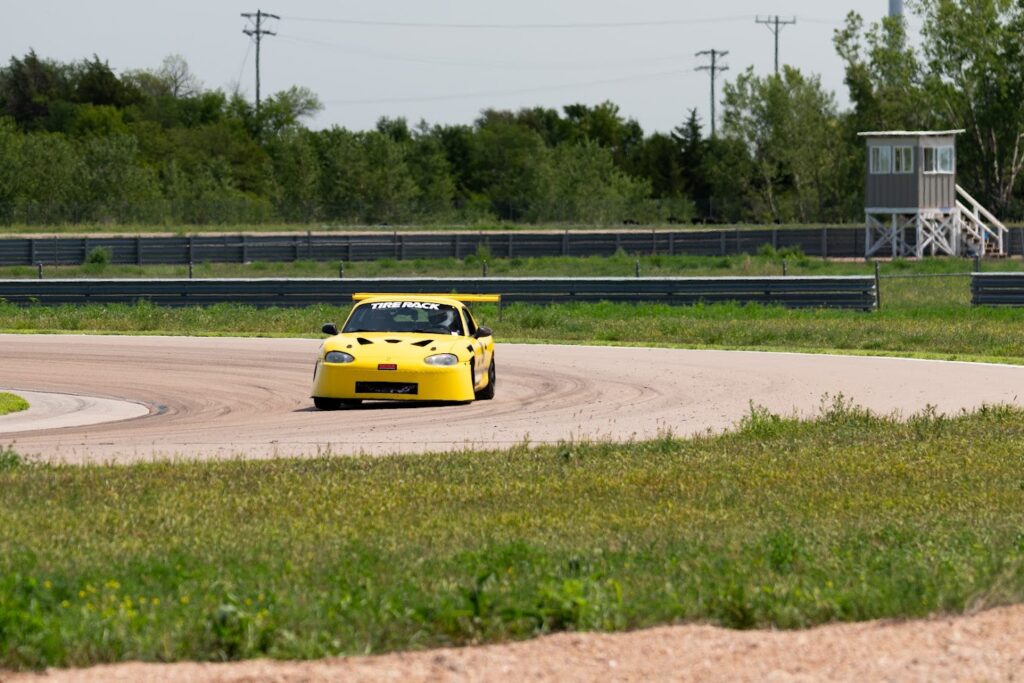
Further interior modifications included the installation of a 330mm OMP flat-dish steering wheel with a quick-release hub. This change was not merely aesthetic; it improved the driver’s ability to ingress and egress the vehicle—a critical safety factor when wearing full racing gear—and allowed for easier access to the pedal box for maintenance. The year concluded with the fabrication of a custom trunk-mounted bracket for the Cool Shirt system, shifting the weight of the cooler to the rear of the car to assist with weight distribution while freeing up the passenger footwell for instructors or ride-alongs.
Conclusion and Future Implications
The three-year evolution of this NB Miata illustrates the transition from a hobbyist’s project to a refined competition vehicle. The 2023–2024 season was defined by a shift from major component installation to incremental optimization. The data gathered from 30 total events across five states provides a robust foundation for the next phase of the build.
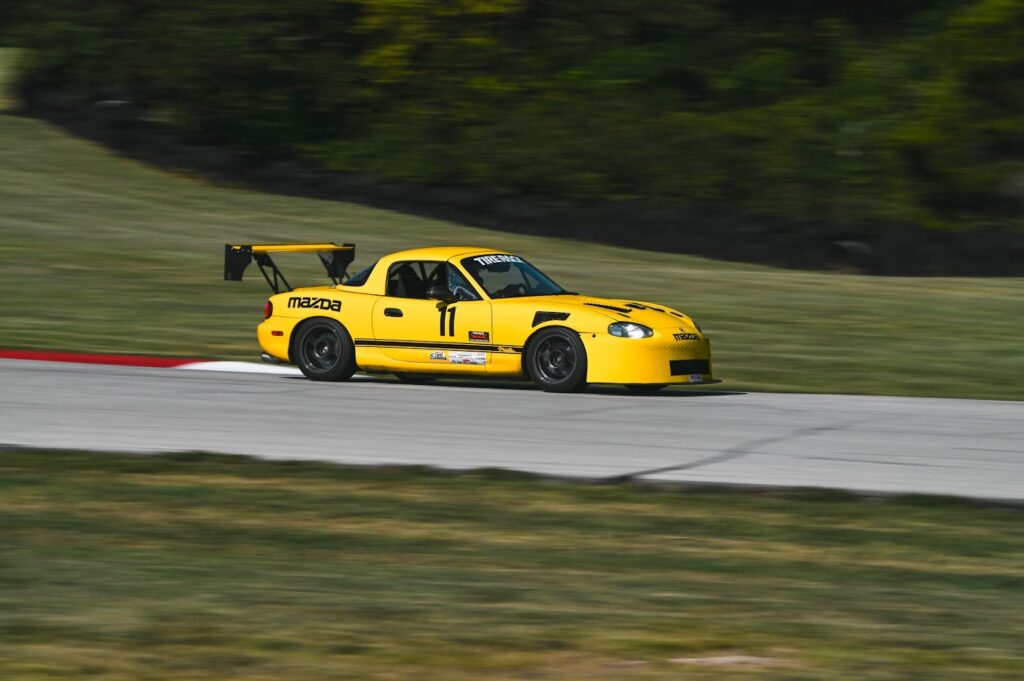
Looking ahead, the vehicle sits at a performance plateau. To move into the upper echelons of SCCA Time Trials "Max" or "Tuner" classes, the owner must decide between continued naturally aspirated refinement or the move toward forced induction. Given the closure of local tracks like Heartland Motorsports Park, the car’s future will likely involve more "towing to compete," necessitating a shift in focus toward long-distance reliability and trailer logistics. As the NB Miata platform continues to age, the availability of high-quality donor engines and the development of cost-effective aero solutions will remain the primary drivers of its enduring popularity in the grassroots motorsports community.