Cecilia Chamidah Nur
In a significant stride for video game preservation, a dedicated community of digital archivists has successfully recovered and made playable several obscure titles from the "Tales of Mobile" series, a collection of games originally developed for Japanese feature phones. This latest wave of preservation efforts includes the partial recovery of the RPG Tales of Wahrheit, alongside the spin-off titles Tales of Quiz and Tales of Wonder Casino, ensuring these rare entries in Bandai Namco’s long-running "Tales" franchise are saved from permanent digital oblivion. The news, disseminated through social media by prominent preservationist RockmanCosmo, highlights the ongoing, often anonymous, efforts to safeguard a critical, yet highly vulnerable, segment of gaming history.
The "Tales of Mobile" series, active primarily during the late 1990s through the 2000s, represents a unique chapter in the beloved JRPG saga. These games, ranging from full-fledged RPGs to strategy titles and various mini-games, were exclusive to Japan’s then-advanced feature phone market, or "keitai." With the global shift towards smartphones and the subsequent dismantling of the intricate, proprietary network infrastructures that supported these legacy devices, the vast majority of these titles faced an imminent threat of permanent disappearance. This existential risk spurred the formation of communities like Keitai Preservation, which have committed themselves to the arduous task of rescuing, archiving, and emulating these digital artifacts.
The Precarious World of Feature Phone Gaming
To fully appreciate the scope and significance of these preservation efforts, it is crucial to understand the unique landscape of Japanese feature phone gaming. Unlike the early mobile gaming scene in the West, which was largely dominated by simple pre-installed games like "Snake," Japan’s feature phones offered a remarkably sophisticated and diverse gaming experience. Platforms such as NTT DoCoMo’s i-mode, KDDI’s EZweb, and SoftBank’s Yahoo! Keitai provided high-speed internet access, robust payment systems, and advanced graphics capabilities for their time, fostering a vibrant ecosystem of mobile-exclusive content. Developers, including major publishers like Bandai Namco, leveraged these capabilities to create bespoke titles that often expanded upon existing console franchises or introduced entirely new concepts.
The "Tales of Mobile" series exemplifies this era. It allowed the "Tales" franchise, known for its deep narratives, real-time combat systems, and memorable characters, to reach a broader audience on the go. However, this convenience came with a fatal flaw: extreme dependency on proprietary network services. Games were often downloaded directly from carrier portals, relied on server-side data for content updates, save file management, or even core gameplay functions, and were intrinsically tied to the specific hardware and software configurations of the phones. As carriers phased out 2G and 3G networks, shut down legacy services, and manufacturers ceased supporting older models, the digital storefronts vanished, and the games became inaccessible, essentially trapped on obsolete devices or lost forever in the ether.
A Chronology of Breakthroughs and Technical Hurdles
The recent recovery of Tales of Wahrheit, Tales of Quiz, and Tales of Wonder Casino is not an isolated event but rather the culmination of sustained, often painstaking, efforts by the Keitai Preservation community. The journey to resurrect these games has been marked by both significant successes and formidable technical challenges.
The push to preserve these "Tales" mobile entries gained considerable public attention in March of last year. At that time, trial versions of three pivotal titles—Tales of Breaker, Tales of Wahrheit, and Tales of Commons—were successfully recovered by an anonymous user, a moment hailed as a major victory for the preservationists. However, this initial triumph quickly unveiled the profound complexities inherent in their task. RockmanCosmo noted that these trials proved to be "the most network-reliant trials" the Keitai preservation group had encountered. They critically depended on official servers to download essential game data, a common practice designed to conserve the limited storage capacity of feature phones. This reliance meant that without the original servers, the recovered trial versions were largely unplayable beyond their initial boot sequences.
Undeterred, a core member of the preservation group embarked on an ambitious project: reverse-engineering and recreating a server for Tales of Breaker. This intricate process involved deciphering outdated network protocols, understanding the game’s data request logic, and constructing a functional backend that could mimic the original server’s responses. The effort bore fruit, allowing the game to boot into its "monster arena section" and providing fans with "the first in-game footage of this game in over a decade." This achievement underscored the profound dedication and technical expertise within the community.
Building on this momentum, June of the following year saw another critical milestone. Preservationist Yuvi successfully archived the trial version of the mobile strategy game, Tales of Tactics. Demonstrating an even more comprehensive approach, Yuvi subsequently developed and implemented a fully working server for the title. This breakthrough made the first chapter of Tales of Tactics entirely playable via the Keitai World Launcher, a bespoke emulator and platform designed to make these preserved games accessible to the public. The ability to create a fully functional, playable experience for a server-dependent game set a new benchmark for the community’s capabilities.
The Latest Recoveries: Expanding the Playable Archive
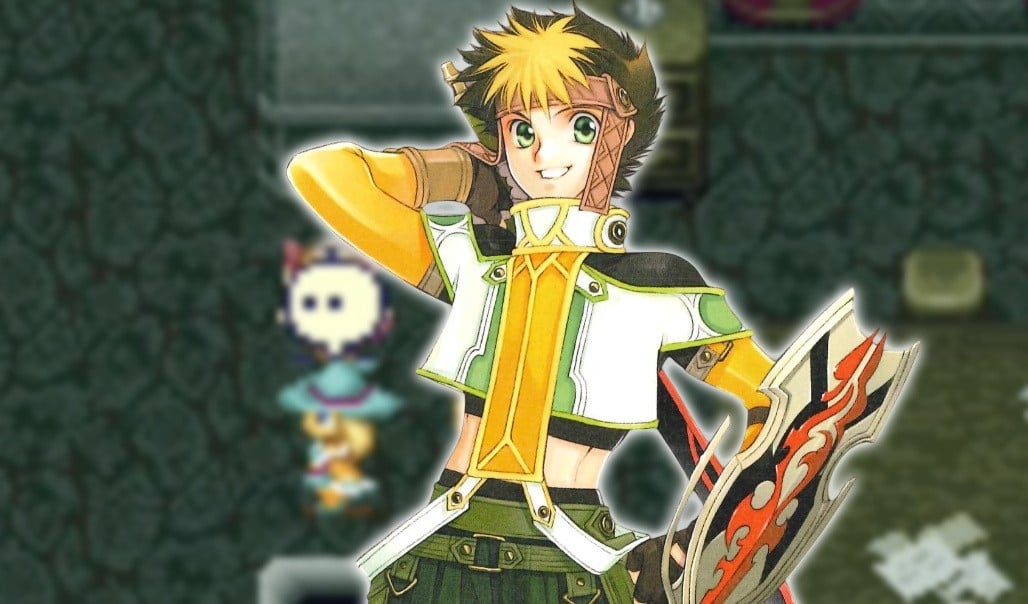
The announcements made by RockmanCosmo this past week represent the latest chapter in this ongoing saga. The partial preservation of Tales of Wahrheit, an RPG entry, was revealed initially. While this version, much like its trial counterpart, remains incomplete due to its heavy reliance on server data—Cosmo explicitly stating "the amount of playable data is pretty small"—it nonetheless offers a crucial window into the game. Players can now at least "load into existing save files," providing a hands-on experience that was previously impossible. This allows fans to explore the game’s early mechanics, character designs, and narrative elements, even as the preservation team continues its efforts to recover more data and restore its full functionality.
Shortly after, RockmanCosmo shared news of the recovery of two spin-off titles: Tales of Quiz and Tales of Wonder Casino. These games showcase the diverse range of experiences offered within the "Tales of Mobile" ecosystem. Tales of Quiz, as described by Cosmo, is themed around iconic console entries such as Tales of Phantasia, Tales of Destiny 2, and Tales of Abyss, likely challenging players’ knowledge of these beloved titles. Tales of Wonder Casino, meanwhile, offers a variety of "Tales"-themed amusement and casino-style minigames, including a whack-a-mole-style challenge, various card games, and even betting on races. These lighter, more casual entries provide valuable context to the franchise’s mobile expansion, illustrating how Bandai Namco adapted its IP for the unique demands of feature phone entertainment.
Technical Deep Dive: The Art of Digital Archaeology
The process of preserving games from the feature phone era is akin to digital archaeology, fraught with technical challenges that far exceed simply dumping ROMs from cartridges. Key challenges include:
- Proprietary Formats and DRM: Feature phone games often used unique file formats and digital rights management (DRM) schemes tied to specific carriers or hardware, making direct emulation difficult.
- Network Protocols: As highlighted by the Tales of Breaker and Tales of Tactics examples, many games relied on custom server-client communication protocols. Recreating these requires extensive reverse-engineering of network traffic and game code.
- Hardware Emulation: Accurate emulation of specific feature phone models is necessary to run the games correctly, given the vast array of hardware configurations and operating systems (e.g., BREW, Java ME).
- Data Scarcity: Finding pristine copies of these games is incredibly difficult. Many are only found on aging, often damaged, physical phones, requiring specialized data extraction techniques.
- Legal Complexities: Navigating copyright and intellectual property rights is a constant concern for preservationists, who operate in a legal grey area by making copyrighted content accessible without official publisher support.
The Keitai World Launcher, developed by the community, serves as a testament to their innovative solutions. It acts as a universal platform, integrating various emulators and custom server implementations, to provide a streamlined experience for accessing these preserved titles. This tool is crucial for transforming fragmented data into playable experiences, democratizing access to games that would otherwise be lost to time.
Statements, Inferences, and Broader Implications
While official statements from Bandai Namco regarding these grassroots preservation efforts are rare, the broader gaming industry often grapples with the economic viability of re-releasing legacy mobile content. The resources required to port, update, and support games from an obsolete platform can be prohibitive, especially for titles that may have had a limited original audience. In this context, community-led preservation initiatives often fill a critical void, acting as the primary custodians of digital heritage. It can be inferred that while not officially sanctioned, these efforts are implicitly tolerated, as they do not typically involve commercial exploitation of the intellectual property.
RockmanCosmo and Yuvi, through their social media announcements and ongoing work, serve as de facto spokespersons for the Keitai Preservation community. Their consistent updates, detailed explanations of technical hurdles, and expressions of satisfaction upon each successful recovery underscore the passion and dedication driving these volunteers. Their ongoing calls for contributions of old phones or data further highlight the collaborative nature of this work, inviting anyone with potential artifacts to become a part of gaming history.
The successful preservation of these "Tales of Mobile" titles carries significant implications:
- Completing the Canon: For dedicated fans of the "Tales" series, these efforts fill crucial gaps in the franchise’s extensive history. They allow for a more complete understanding of its evolution, narrative experimentation, and the diverse ways it engaged with different platforms and audiences.
- Historical Documentation: These games are digital artifacts that reflect a unique, often overlooked, period in mobile gaming. Their preservation allows researchers, historians, and enthusiasts to study the technological and cultural context of Japanese feature phone gaming.
- Lessons for Future Preservation: The challenges faced and overcome by the Keitai Preservation community offer invaluable lessons for the broader field of digital preservation, particularly concerning online-dependent games and cloud-based services. It highlights the inherent fragility of digital-only content and the urgent need for proactive archiving strategies from publishers themselves.
- Accessibility and Education: By making these games accessible through emulators and custom launchers, the community ensures that future generations can experience and learn from these otherwise lost titles, preventing a significant portion of gaming heritage from fading into obscurity.
The work of groups like Keitai Preservation is a testament to the enduring power of community and the shared passion for preserving cultural heritage. Each recovered game is not just a digital file; it is a piece of history, a narrative, and a testament to the ingenuity of a bygone era of mobile entertainment. As the digital landscape continues to evolve at a relentless pace, the role of these unsung digital archivists becomes ever more critical in safeguarding our collective interactive past. The journey to fully restore all "Tales of Mobile" titles is ongoing, but with each successful recovery, the future of gaming history grows a little more secure.