Vera Clarissa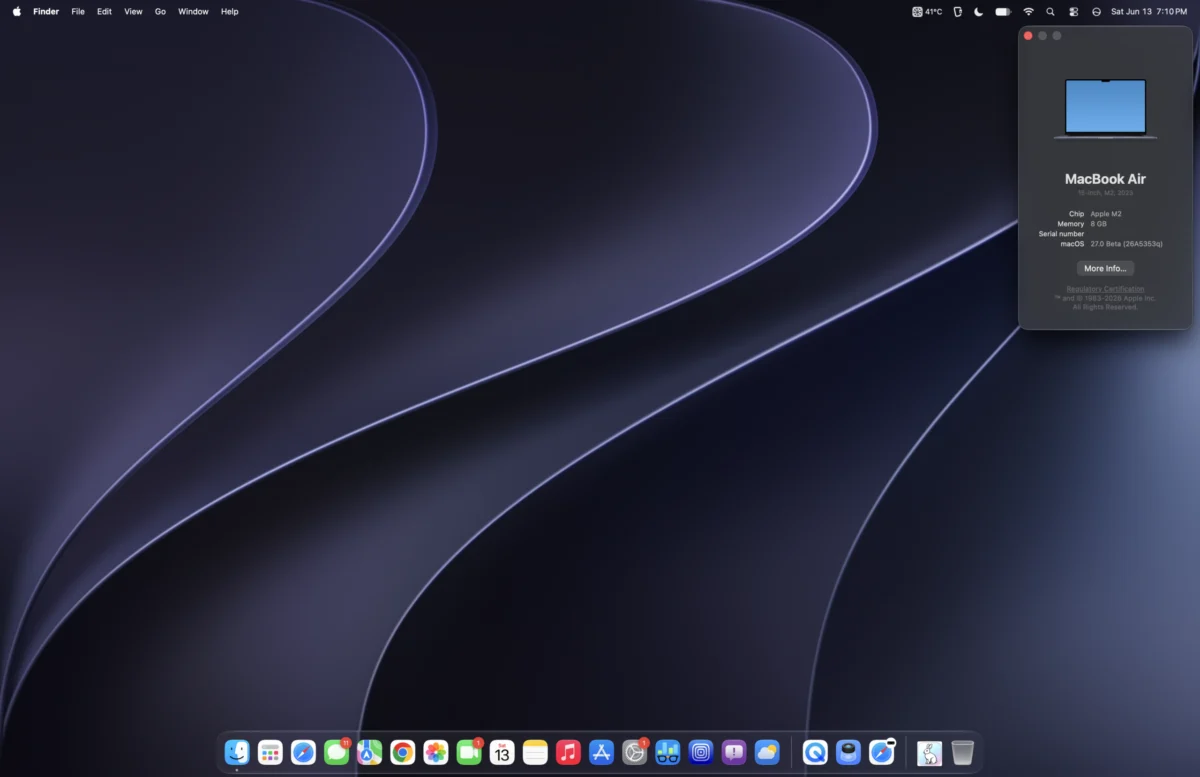
On June 8th, 2026, Apple officially announced macOS Golden Gate, marking a significant milestone as the first version of its desktop operating system designed exclusively for Apple Silicon processors. This pivotal release signifies a complete transition away from Intel architecture support, ushering in a new era of optimized performance and refined user experience for the Mac ecosystem. macOS Golden Gate also represents the final iteration to natively support Rosetta 2, Apple’s translation layer that enabled Intel-based applications to run on Apple Silicon.
The naming convention for macOS Golden Gate draws inspiration from the iconic Golden Gate Strait, the vital waterway connecting the Pacific Ocean to the San Francisco Bay. This choice of nomenclature echoes Apple’s continued commitment to innovation and its deep roots in California. Interestingly, "Golden Gate" was a codename previously associated with macOS Big Sur, hinting at the foundational shifts this new OS aims to achieve.
Apple’s strategic move with macOS Golden Gate mirrors past pivotal OS transitions, most notably the release of macOS 10.6 Snow Leopard. Much like Snow Leopard’s objective to streamline the operating system by removing legacy support and enhancing performance, Golden Gate aims to strip away Intel binaries to unlock the full potential of Apple Silicon. Early reports from developers testing the initial beta versions indicate a tangible increase in responsiveness and overall system fluidity, suggesting that this focus on optimization is already yielding positive results.
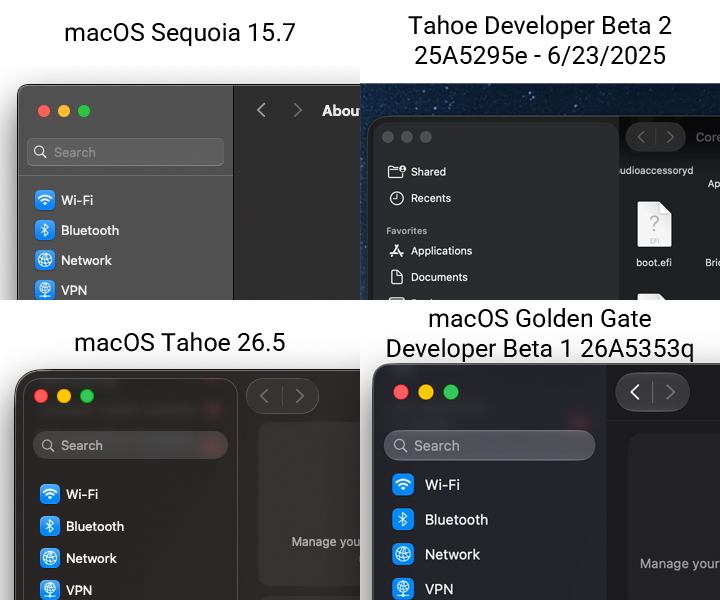
Refinements to the Liquid Glass UI and User-Centric Design
macOS Golden Gate introduces a series of subtle yet impactful refinements to its Liquid Glass UI, a design language that has been evolving since its inception. Apple has reportedly incorporated extensive user feedback into these adjustments, aiming to enhance usability and aesthetic appeal. While specific details of these UI changes are still emerging, the emphasis on user-driven improvements suggests a continued commitment to a user-friendly and intuitive interface. This iterative approach to design, guided by community input, has been a hallmark of Apple’s software development philosophy.
The End of an Era: Rosetta 2’s Final Stand
The discontinuation of native Rosetta 2 support in macOS Golden Gate marks the conclusive end of Apple’s transitional phase from Intel to its own silicon. Rosetta 2 played a crucial role in ensuring a smooth migration for users, allowing them to continue running their existing Intel-based applications on newer Apple Silicon Macs. While the technology was remarkably effective, its phasing out signifies that the vast majority of Mac software has now been updated or recompiled to run natively on Apple Silicon. This move is expected to further boost application performance, reduce power consumption, and enable developers to leverage the full capabilities of the M-series chips. Users who still rely on critical Intel-only applications may need to explore alternative solutions or virtualization options.
Apple Intelligence and the Next Generation of Siri
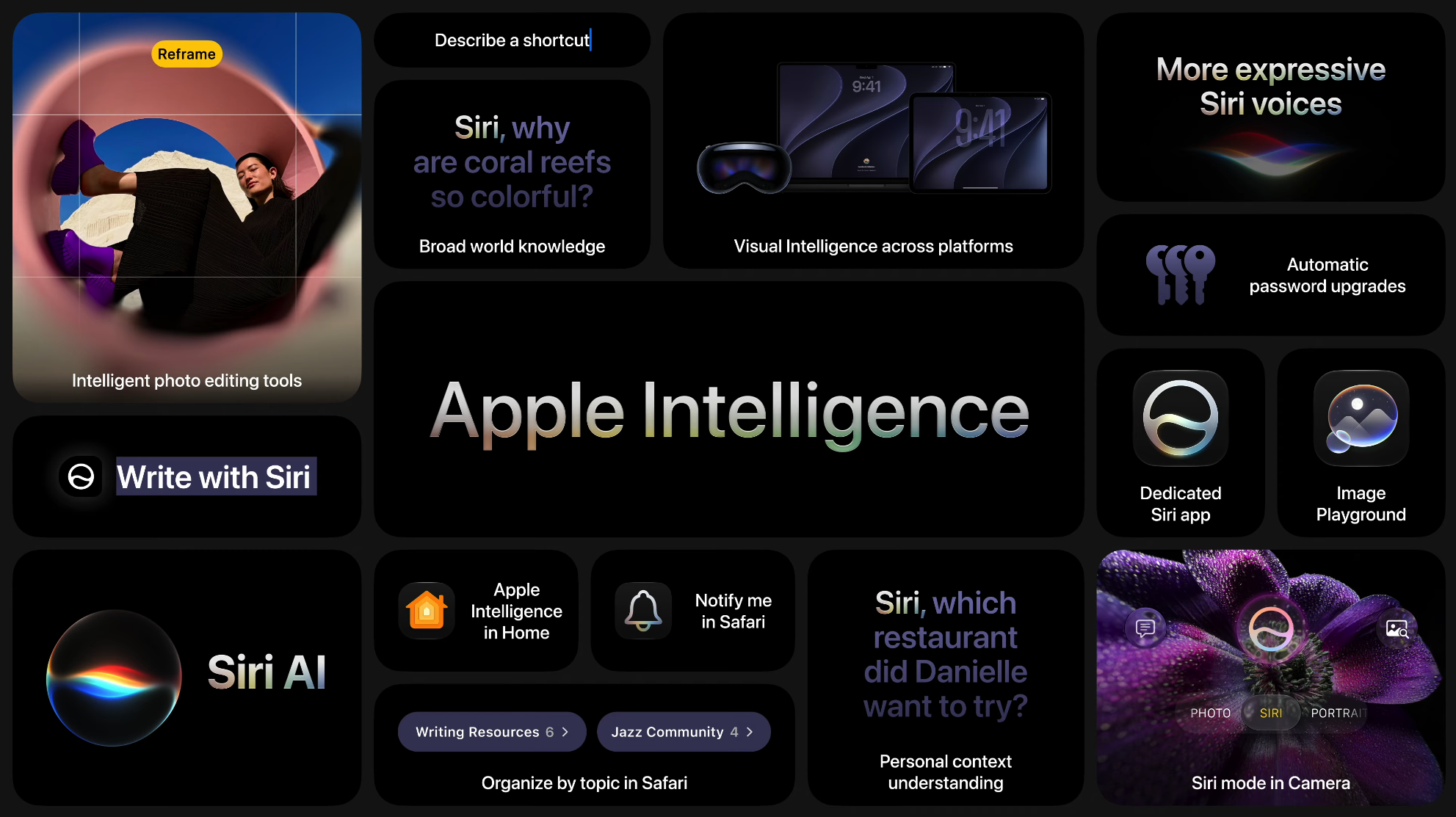
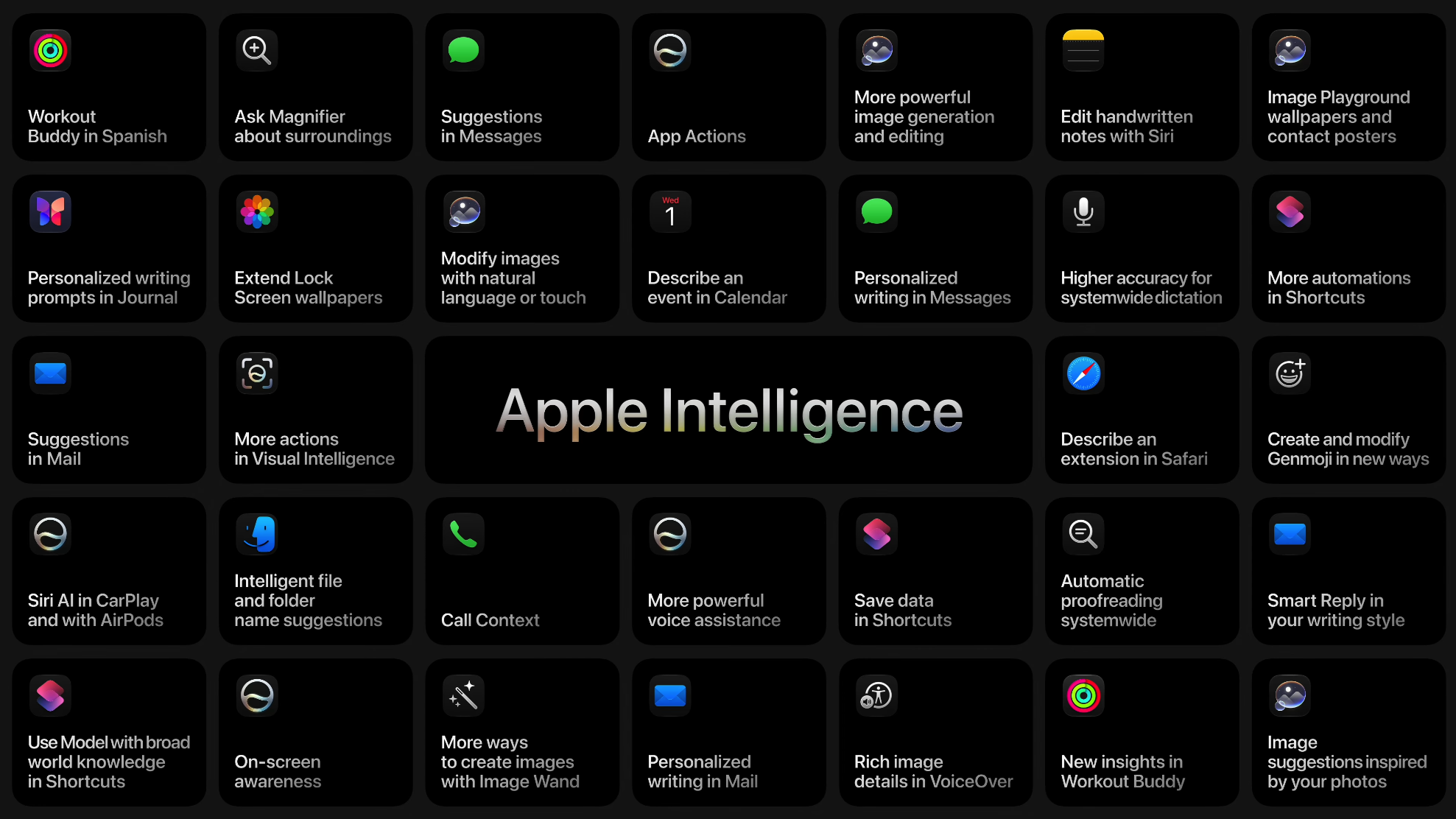
A cornerstone of macOS Golden Gate is the deep integration of Apple Intelligence, Apple’s suite of AI-powered features designed to enhance user productivity and creativity. Apple Intelligence operates on a hybrid model, utilizing both on-device processing for speed and privacy, and private cloud compute for more complex tasks. This architecture prioritizes user data security, ensuring that personal information remains confidential.
The new Siri, powered by Apple Intelligence, promises a more natural and context-aware conversational experience. However, access to the enhanced Siri is not immediate for all users. Apple has implemented a waitlist system within the Settings app, allowing users to register their interest and gain access to the new AI capabilities as they become available. This staggered rollout suggests a cautious approach to deploying advanced AI features, allowing Apple to monitor performance and gather further feedback.
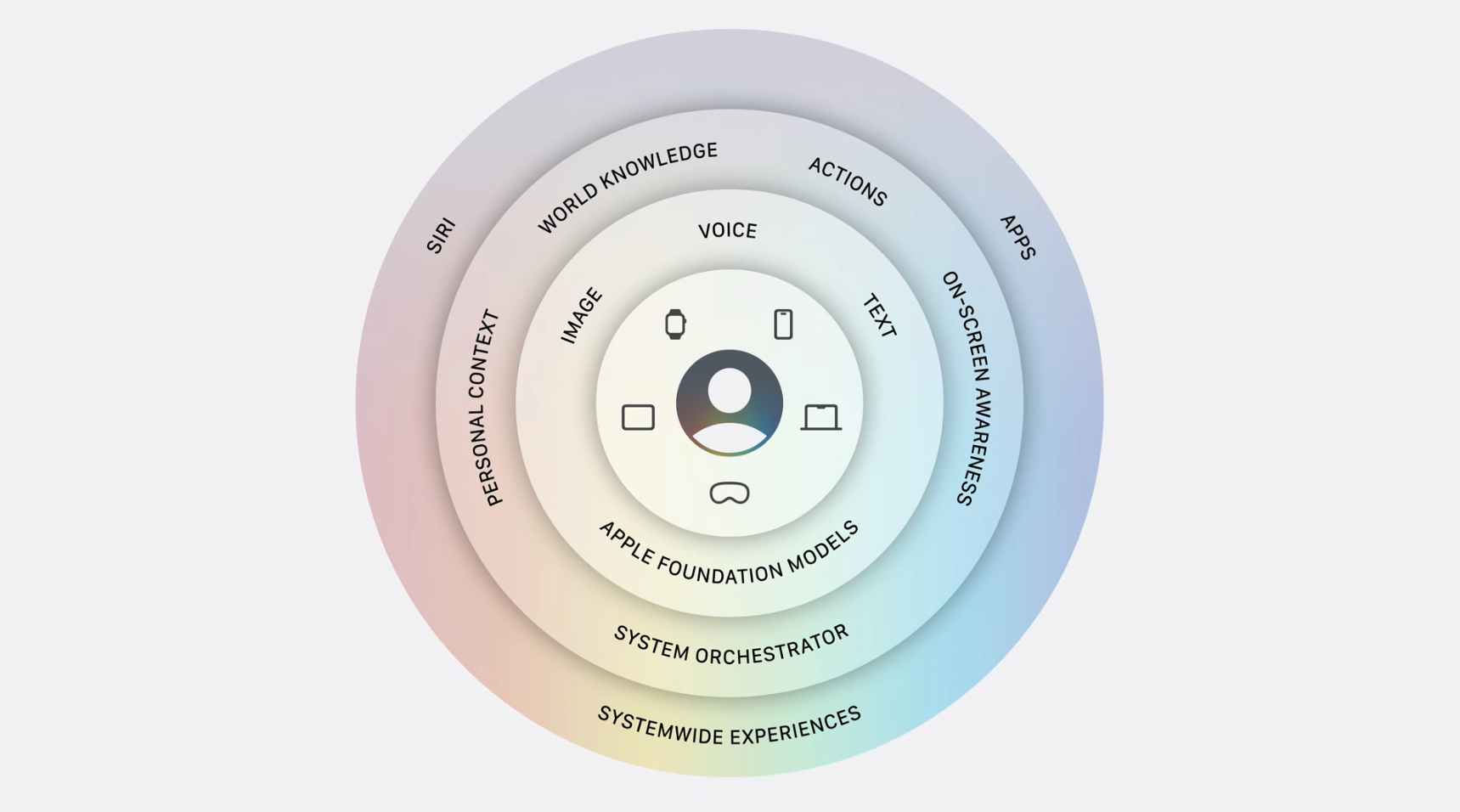
The implications of Apple Intelligence extend beyond just Siri. The system is designed to understand and act upon user requests across a range of applications, streamlining workflows and providing personalized assistance. This includes features such as enhanced writing tools, image generation capabilities, and more sophisticated search functionalities. The focus on privacy in Apple Intelligence is a critical differentiator, addressing growing concerns about AI’s impact on personal data.
System Requirements and Performance Recommendations
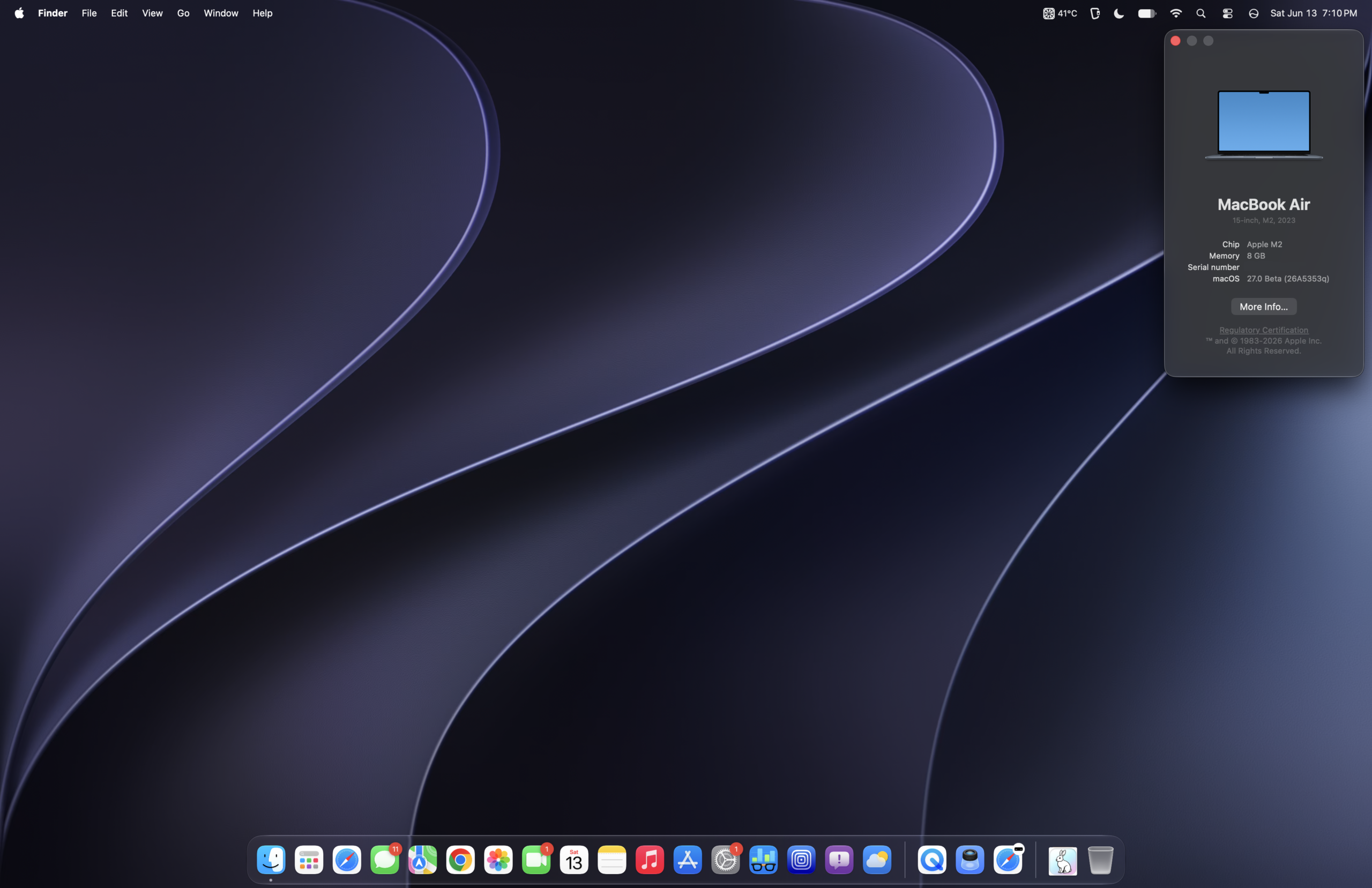
macOS Golden Gate is exclusively compatible with Apple Silicon Macs, encompassing all models released to date. While Apple has not specified a minimum RAM requirement, the company strongly recommends a configuration of at least 16 GB of RAM for optimal performance. Although 8 GB of RAM will suffice for basic operation and booting the OS, users may experience reduced responsiveness when running demanding applications or multitasking extensively.
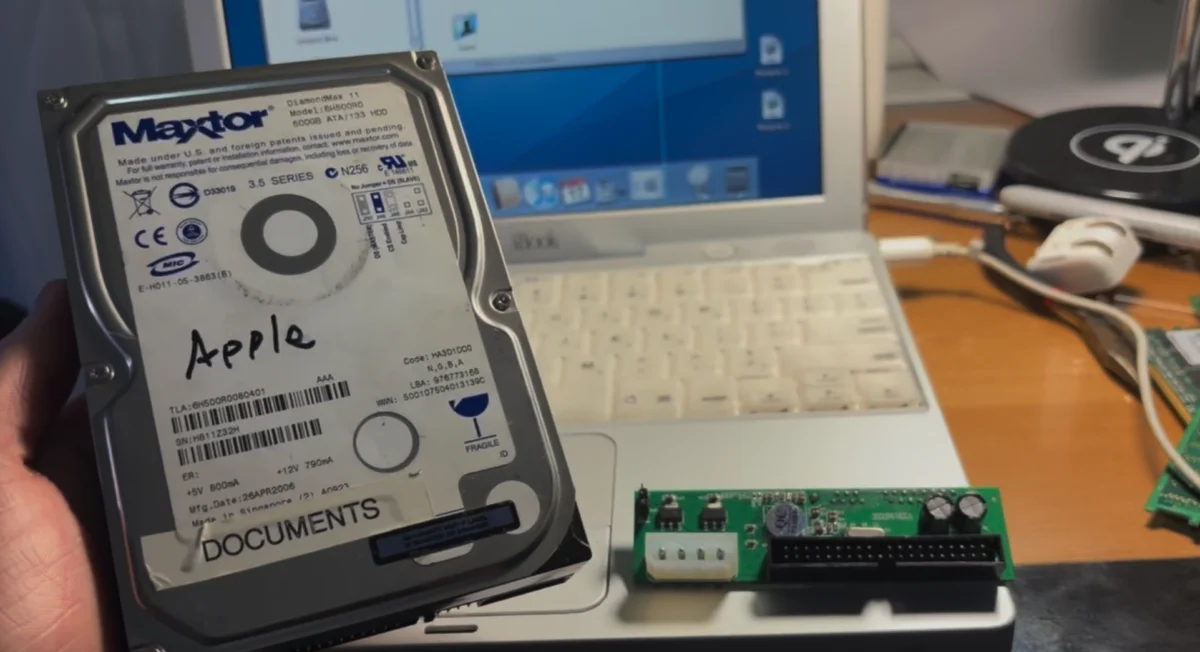
Furthermore, the transition to Apple Silicon has inherently brought about faster storage solutions. macOS Golden Gate continues this trend, with an emphasis on solid-state drives (SSDs). The article strongly advises against running the operating system from a traditional hard drive, citing potential performance bottlenecks. Fortunately, all Apple Silicon Macs come standard with SSDs, mitigating this concern for most users.
The Significance of a "Snow Leopard" Moment
The deliberate positioning of macOS Golden Gate as a "Snow Leopard"-like release is a strategic communication by Apple. Snow Leopard was lauded for its stability, performance enhancements, and its role in paving the way for future macOS iterations. By drawing this parallel, Apple signals its intention for Golden Gate to be a foundational release that streamlines the OS, optimizes it for its proprietary hardware, and sets a robust platform for forthcoming advancements. The removal of legacy support, while potentially impacting a small segment of users, is a necessary step to achieve this streamlined and high-performance vision.
Continued Support for Legacy Hardware: PowerPC Mac VNC Access
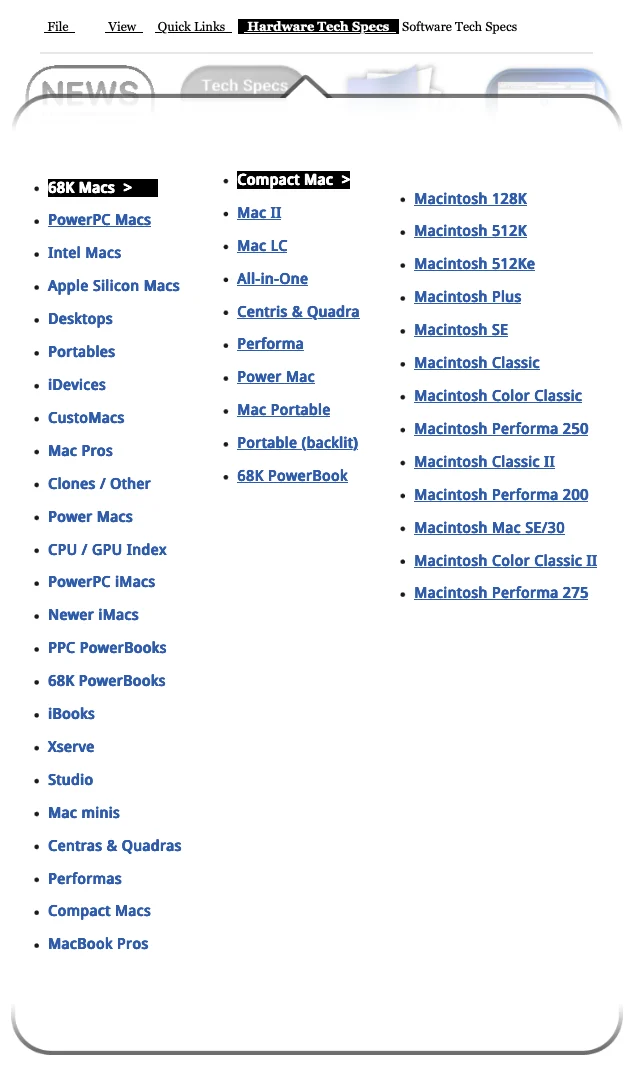
In a surprising and welcome move for long-time Mac enthusiasts, macOS Golden Gate continues to support VNC (Virtual Network Computing) access to PowerPC-based Macs. This means users can still remotely control and interact with older Macs running Mac OS X Leopard (10.5) or earlier, provided screen sharing is enabled on the PowerPC machine. This feature is particularly significant for users who maintain a collection of classic Macs for specific purposes or archival reasons.
The ability to screen share into these older machines from a modern macOS Golden Gate environment underscores Apple’s nuanced approach to hardware transitions. While the OS itself is exclusively for Apple Silicon, compatibility with older software protocols for specific use cases demonstrates a commitment to preserving access to legacy systems where feasible.

Initial testing of file sharing between macOS Golden Gate and PowerPC Macs has shown some variability, described as "hit-or-miss" in the Beta 1 release. However, with improvements to network file browsing expected in macOS 27, it is anticipated that this functionality will become more reliable in future updates. This continued support for PowerPC Macs via VNC is a testament to the enduring value of older hardware for certain user segments and Apple’s acknowledgment of this niche.
The Unchanging Landscape of Unsupported Macs
As anticipated with a major OS shift, macOS Golden Gate remains strictly an Apple Silicon affair. There are currently no patches or workarounds available through methods like OpenCore, a boot loader known for enabling macOS installations on unsupported Intel Macs. OpenCore’s functionality relies on injecting and patching data in memory to simulate compatibility with hardware it was not originally designed for. However, the fundamental architectural differences between Intel and Apple Silicon processors, coupled with Apple’s closed ecosystem approach for its latest hardware, make such modifications impractical for Golden Gate. This reinforces the exclusive nature of this release and the clear direction Apple is taking with its Mac hardware.
Looking Ahead: A Streamlined and Intelligent Future
macOS Golden Gate represents more than just a new operating system; it signifies Apple’s unwavering commitment to its Apple Silicon strategy. By consolidating its software development efforts solely on its own silicon, Apple is poised to deliver increasingly powerful, efficient, and intelligent computing experiences. The refinements to the UI, the final farewell to Rosetta 2, and the deep integration of Apple Intelligence all point towards a future where the Mac is more seamlessly integrated into the user’s digital life, prioritizing performance, privacy, and intuitive interaction. While the transition may present minor challenges for users with specific legacy needs, the overall trajectory promises a more optimized and advanced Mac ecosystem for the vast majority of users. The coming months will undoubtedly reveal further details and refinements as macOS Golden Gate moves towards its public release, solidifying its place as a landmark in macOS history.