Vera Clarissa
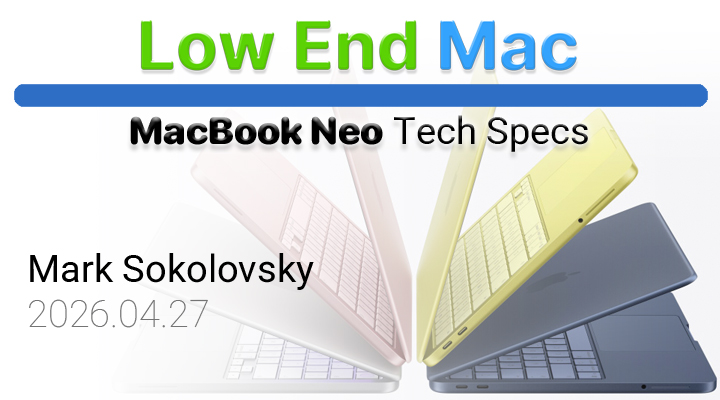
Apple has dramatically reshaped its notebook offerings with the introduction of the MacBook Neo, a device engineered to be exceptionally affordable, remarkably lightweight, and available in a vibrant spectrum of colors. This strategic pivot marks a significant departure from Apple’s traditional premium pricing, positioning the MacBook Neo as the most accessible Mac laptop to date, with a starting price of $599 USD. For students and educational institutions, the device becomes even more attainable through Apple’s Education Store, retailing at $499.
This aggressive pricing strategy signals Apple’s intent to capture a broader segment of the personal computing market, previously dominated by more budget-conscious alternatives like Chromebooks and entry-level Windows laptops. The MacBook Neo’s debut is particularly noteworthy given the current economic climate, where consumers are increasingly seeking value without compromising on essential performance and build quality.
A New Era of Mac Affordability: Performance Meets Accessibility
The MacBook Neo represents a bold step for Apple, challenging the long-held perception of Macs as exclusively high-end devices. By leveraging advanced mobile chip technology, Apple has managed to deliver substantial processing power at an unprecedented price point. The device is powered by the A18 Pro chip, the same cutting-edge silicon found in the latest iPhone models. This integration of iPhone-class processing power into a laptop is a first for the MacBook line and delivers a significant performance leap over previous entry-level Macs.
Benchmarking data indicates that the A18 Pro chip provides nearly double the CPU performance of the M1 MacBook Air, a benchmark established in the budget-friendly Mac segment just a few years prior. This substantial increase in computational power ensures that the MacBook Neo is not merely a device for basic tasks but is capable of handling more demanding applications with fluidity. This performance parity is crucial in a market segment where competitors often rely on underpowered processors that can lead to lag and a frustrating user experience.
The technological integration extends to the Neo’s single-core CPU performance, which, remarkably, matches that of AMD’s high-end Ryzen 9 9950X3D processor. This comparison, while highlighting the efficiency of Apple’s silicon, underscores the substantial processing capabilities packed into the Neo. This level of performance in an affordable notebook is expected to set a new standard, particularly when contrasted with the often underpowered Intel chips found in many Chromebooks and the compromised build quality of similarly priced Windows notebooks.
Design and Build: Apple’s Commitment to Quality Persists
Despite its accessible price point, the MacBook Neo does not compromise on Apple’s signature build quality. The chassis is constructed from sturdy aluminum, providing a premium feel and ensuring durability that is often absent in the budget laptop market. This commitment to robust materials is a key differentiator, offering consumers a device that is built to last.
The device also features a redesigned trackpad, a subtle but significant improvement that enhances user interaction and productivity. The larger, more responsive trackpad contributes to a smoother and more intuitive computing experience, a hallmark of Apple’s human-interface design principles.

A Splash of Color and a Vivid Display
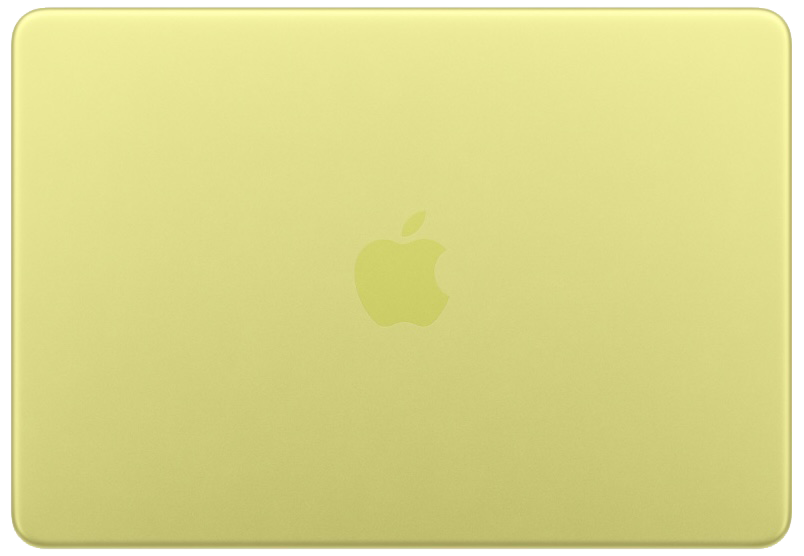
Adding to its consumer appeal, the MacBook Neo is available in four distinct and vibrant color options: Silver, Blush (a soft pink), Citrus (a bright, zesty yellow reminiscent of Gatorade’s lemon-lime flavor), and Indigo (a deep, faded blue). These color choices cater to a broader aesthetic preference, moving beyond the traditional monochromatic palettes often seen in this price bracket.
The display is a 13-inch IPS LCD panel with a high brightness of 500 nits, ensuring excellent visibility even in well-lit environments. It boasts a crisp resolution of 2408 x 1506 pixels, delivering a pixel density of 219 pixels per inch (ppi). This combination results in sharp text, vibrant images, and an overall visually pleasing experience for everyday tasks, media consumption, and light creative work.
Core Specifications: Powering the Neo Experience
Under the hood, the MacBook Neo is equipped with a robust configuration designed for efficient performance. It comes standard with 8 GB of 3750 MHz LPDDR5X-7500 SDRAM, providing ample memory for multitasking and running modern applications. The graphics processing is handled by a 5-core GPU integrated within the A18 Pro chip. The A18 Pro itself is a marvel of miniaturization and efficiency, manufactured on TSMC’s advanced 3-nanometer N3E FinFET process. This cutting-edge manufacturing node allows for higher transistor density, improved power efficiency, and enhanced performance.
Storage and Expandability: Performance with a Caveat
The storage subsystem in the MacBook Neo is designed for speed and responsiveness. It utilizes PCIe NVMe K8A5 NAND flash memory, achieving impressive read and write speeds of approximately 1.4 GB/s. This rapid data access significantly contributes to the overall perceived performance of the device, ensuring quick boot times, fast application loading, and snappy file transfers.

However, in line with Apple’s design philosophy for many of its devices, both the RAM and the onboard storage are soldered directly to the logic board. This means that, unlike in some older or competing laptops, users cannot easily upgrade these components themselves. While the RAM is fixed, there is a notable caveat regarding storage: it is technically possible to upgrade the internal SSD using specialized tools and knowledge, as demonstrated by independent repair enthusiasts. This offers a potential upgrade path for users who may initially opt for a smaller storage capacity.
In retail, the MacBook Neo is offered with two storage configurations: a 256 GB SSD for the base $599 model and a 512 GB SSD for the $699 model. This tiered pricing allows consumers to balance cost with their storage needs.
Compromises for Affordability: What’s Missing
To achieve its aggressive price point, Apple has made certain design choices that result in the omission of some features found on higher-end MacBooks. Notably, the MacBook Neo does not feature MagSafe charging, a magnetic charging connector that was a staple on MacBooks since 2020. Instead, users will rely on the USB-C port for power delivery.
Connectivity is also streamlined, with the device offering only one USB 3.0 port and one USB 2.0 port. This limited port selection may necessitate the use of adapters or a USB hub for users who require multiple peripheral connections simultaneously.
Another notable omission is a backlit keyboard. While the Neo lacks illumination, it compensates with a light-tone color keyboard that complements the body color of the device, aiming for a cohesive aesthetic. Touch ID fingerprint authentication is also reserved for the higher-priced $699 model, providing an additional incentive for users to opt for the larger SSD. A standard 3.5mm headphone jack remains, offering a familiar option for audio output.
Apple Intelligence Integration: AI Capabilities on a Budget
A significant aspect of the MacBook Neo’s appeal is its compatibility with Apple Intelligence, Apple’s suite of AI-powered features designed to enhance user experience across its ecosystem. macOS supports Apple Intelligence on any Mac equipped with Apple Silicon, including the Neo. This means users can leverage advanced AI capabilities for tasks such as text summarization, image generation, and intelligent personal assistance directly on their affordable laptop.
This integration is particularly impactful for the budget segment, as it brings sophisticated AI functionalities, often associated with premium devices, to a much wider audience. Apple Intelligence is also available on most iPads with an M-chip and iOS devices running iOS 18 and later with an A17 Pro chip or better, creating a cohesive AI-driven experience across Apple’s product lines.
Key Features and Technical Specifications
Closed Lid Mode: The MacBook Neo fully supports "closed lid" or clamshell mode. This functionality allows users to operate the laptop with the built-in display turned off, dedicating all available unified memory to one or two external displays. To enable this mode, the MacBook Neo must be connected to AC power, an external display, and an external USB or Bluetooth mouse and keyboard. Upon waking the device and displaying the desktop on the external monitor, closing the lid will put the MacBook Neo to sleep, but it can be easily awakened by user input. This feature is invaluable for users who wish to use their Neo as a desktop replacement. To resume using the internal display, users simply need to disconnect the external display, put the computer to sleep, and then open the lid.

Battery Life: Apple claims an impressive battery life for the MacBook Neo, offering up to 11 hours of wireless web browsing and an extended 16 hours of video streaming on a single charge. This endurance is a testament to the power efficiency of the A18 Pro chip and Apple’s software optimization.
Core System: The A18 Pro chip, manufactured on TSMC’s 3nm N3E process, is the heart of the MacBook Neo. While specific cache configurations for the A18 Pro chip are detailed in Apple’s technical documentation, the emphasis is on its balanced architecture for both performance and power efficiency.
Memory: The device comes equipped with 8 GB of 3750 MHz LPDDR5X-7500 SDRAM, providing sufficient bandwidth for demanding tasks.
Video: The integrated 5-core GPU within the A18 Pro chip handles graphics processing, capable of driving the 13-inch 219 ppi IPS LCD display with a resolution of 2408 x 1506.
Drives: The Neo features fast PCIe NVMe K8A5 NAND storage, with read and write speeds up to ~1.4 GB/s. Configurations include 256 GB ($599) and 512 GB ($699) options.
Expansion: Connectivity is limited to one USB 3.0 port and one USB 2.0 port, alongside a 3.5mm headphone jack.
Physical: The device is designed to be lightweight and durable, featuring an aluminum chassis.
Broader Market Implications and Analysis
The introduction of the MacBook Neo signifies a strategic shift in Apple’s product segmentation. By targeting the sub-$600 price point, Apple aims to disrupt the dominance of Chromebooks and lower-end Windows laptops in education and for budget-conscious consumers. This move could significantly expand the Mac user base, potentially converting users who were previously priced out of the Apple ecosystem.

The emphasis on the A18 Pro chip and Apple Intelligence integration suggests that Apple is committed to delivering advanced computing experiences across its entire product line, not just its premium offerings. This democratizes access to powerful AI capabilities and reinforces the value proposition of macOS.
However, the compromises in port selection, the absence of MagSafe, and the lack of a backlit keyboard on the base model are clear indicators of where cost savings were implemented. These factors will likely be key considerations for potential buyers, particularly those accustomed to the features of higher-end laptops. The potential for storage upgrades, while technically possible, also highlights a departure from Apple’s typical user-serviceability stance and may appeal to a niche segment of technically inclined users.
The MacBook Neo’s success will likely depend on its ability to strike a balance between affordability, performance, and the core Apple user experience. If Apple can effectively communicate the value proposition of its most affordable MacBook to date, it could usher in a new era of accessibility for the Mac platform and significantly alter the competitive landscape of the notebook market.