Chalid Lutfie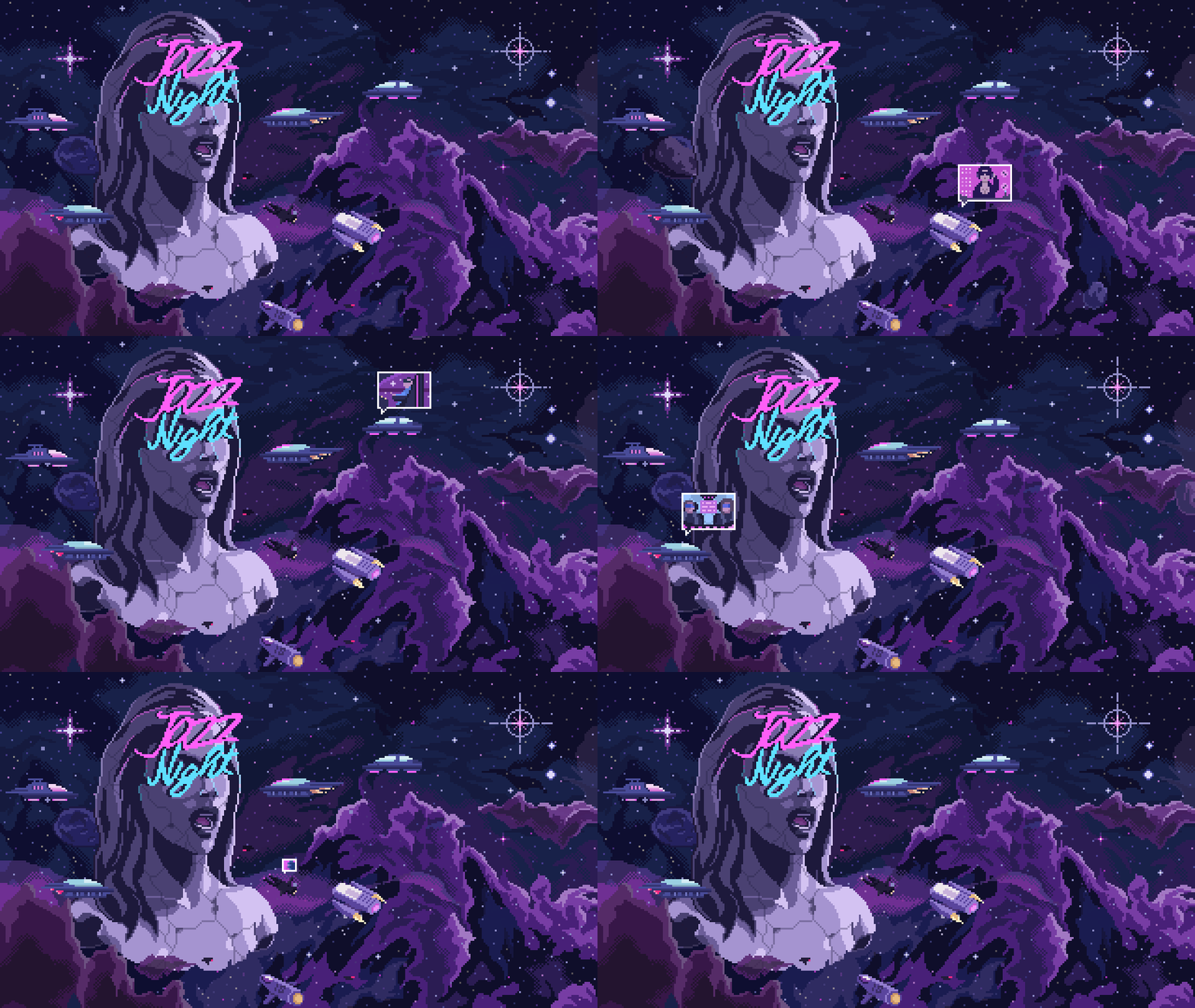
The intersection of vintage digital technology and traditional musical theory has reached a new milestone with the release of The Frequency Modulators Orchestra, Vol. 1, the latest project from Los Angeles-based producer Juan Irming, performing under the moniker Amplitude Problem. Released on April 25, 2017, through the Ubiktune record label, the album represents a rigorous exploration of Frequency Modulation (FM) synthesis—a method of sound generation often characterized by its metallic and "cold" textures—reimagined through the lens of warm, improvisational jazz and funk. This debut on Ubiktune marks a significant pivot for the artist, blending the technical precision of the 1980s demoscene with the sophisticated harmonic structures of mid-century jazz fusion.
Technical Foundation and the Aesthetic of FM Synthesis
To understand the significance of The Frequency Modulators Orchestra, Vol. 1, one must consider the technical constraints Irming imposed upon the production. The album was composed exclusively using FM synthesizers and lo-fi drum samples. FM synthesis, popularized in the 1980s by the Yamaha DX7 and later utilized in the sound chips of the Sega Genesis and early PC sound cards, operates by modulating the frequency of one waveform (the carrier) with another (the modulator). This process creates complex harmonic spectra that differ significantly from the "warm" subtractive synthesis found in Moog or Sequential Circuits hardware.
Historically, FM synthesis has been associated with the digital sheen of 80s pop or the gritty, percussive soundtracks of 16-bit video games. Irming’s objective with this release was to challenge the perceived "coldness" of this digital medium. By applying these sounds to the "warm, human grooves" of jazz, the album functions as a sonic experiment in contrast. The result is a "zany chiptune adventure" that utilizes the precision of digital modulation to mimic the expressive nuances of human performance.

A Chronology of Amplitude Problem: From Atari to Los Angeles
The creative trajectory of Juan Irming is deeply rooted in the evolution of electronic music technology. His career began in the late 1980s within the European demoscene, a subculture dedicated to pushing the technical limits of home computers through real-time audiovisual presentations. Irming served as a composer for SYNC, an Atari ST demo crew that gained international recognition for its technical prowess. During this period, Irming secured several first-place finishes in music competitions, establishing a foundation in tracker-based composition and hardware-specific sound design.
Following his success in the demoscene, Irming relocated to the United States to attend the Musicians Institute in the early 1990s. This formal education allowed him to bridge the gap between technical programming and traditional music theory. Over the subsequent decades, his portfolio expanded to include work as a producer, sound designer, and keyboardist. He has contributed to a diverse array of projects, ranging from hip-hop and synthwave to video game soundtracks and sound effects.
Prior to the release of The Frequency Modulators Orchestra, Vol. 1, Irming’s work was featured on ten LPs. Notably, he collaborated with legendary geek-rapper YTCracker on the cyberpunk-themed album Introducing Neals (2014). His reputation in the synthwave and chiptune communities led to appearances alongside prominent artists such as Mitch Murder, Lazerhawk, and GUNSHIP. Furthermore, his live performances have spanned major cultural events, including Comic-Con and the Game On Expo, where he shared stages with acts like The Minibosses and The Gothsicles.
Behind the Composition: The Ten-Month Creative Journey
The conceptual seeds for The Frequency Modulators Orchestra were planted in 2014 during the production of YTCracker’s Introducing Neals. While writing the instrumental for the track "Feel Like Leisure Suit Larry," Irming rediscovered the percussive potential of FM synthesis. This interest was further explored in his 2015 solo album, Blue Bots Dots, specifically on the track "Funky Mustache."
By late 2015, Irming committed to a ten-month production cycle dedicated to a full-length FM-based jazz-funk project. The shift from vocal-centric production to purely instrumental music presented a unique set of challenges. Without the narrative structure provided by lyrics, the burden of maintaining listener engagement fell entirely on the melodic and harmonic complexity of the compositions. Irming opted for a heavy reliance on improvisation to ensure the tracks felt "spontaneous and in-the-moment," a hallmark of the jazz genre.
This improvisational approach is particularly evident in tracks such as "Ghosts in My Medicine Cabinet," which Irming describes as a composition requiring total conviction. The album is structured as a personal narrative: the first four tracks serve as a deep introspective study, while the final three tracks offer a broader commentary on life and the universe. The title of the album itself reflects a collaborative philosophy; Irming conceptualized "The Frequency Modulators" as a fictional band where each FM instrument is treated as an individual member granted the autonomy to improvise.
Collaboration and Visual Identity
The production value of The Frequency Modulators Orchestra, Vol. 1 was bolstered by high-level collaborations in both the auditory and visual spheres. To ensure the album met the standards of "discerning jazz fans," Irming enlisted the services of Don Grossinger for mastering. Grossinger is a Grammy Award-winning engineer whose credits include legendary figures such as Miles Davis, Paul McCartney, and The Rolling Stones. His involvement provided a bridge between the niche world of chiptune and the established standards of professional jazz recording.
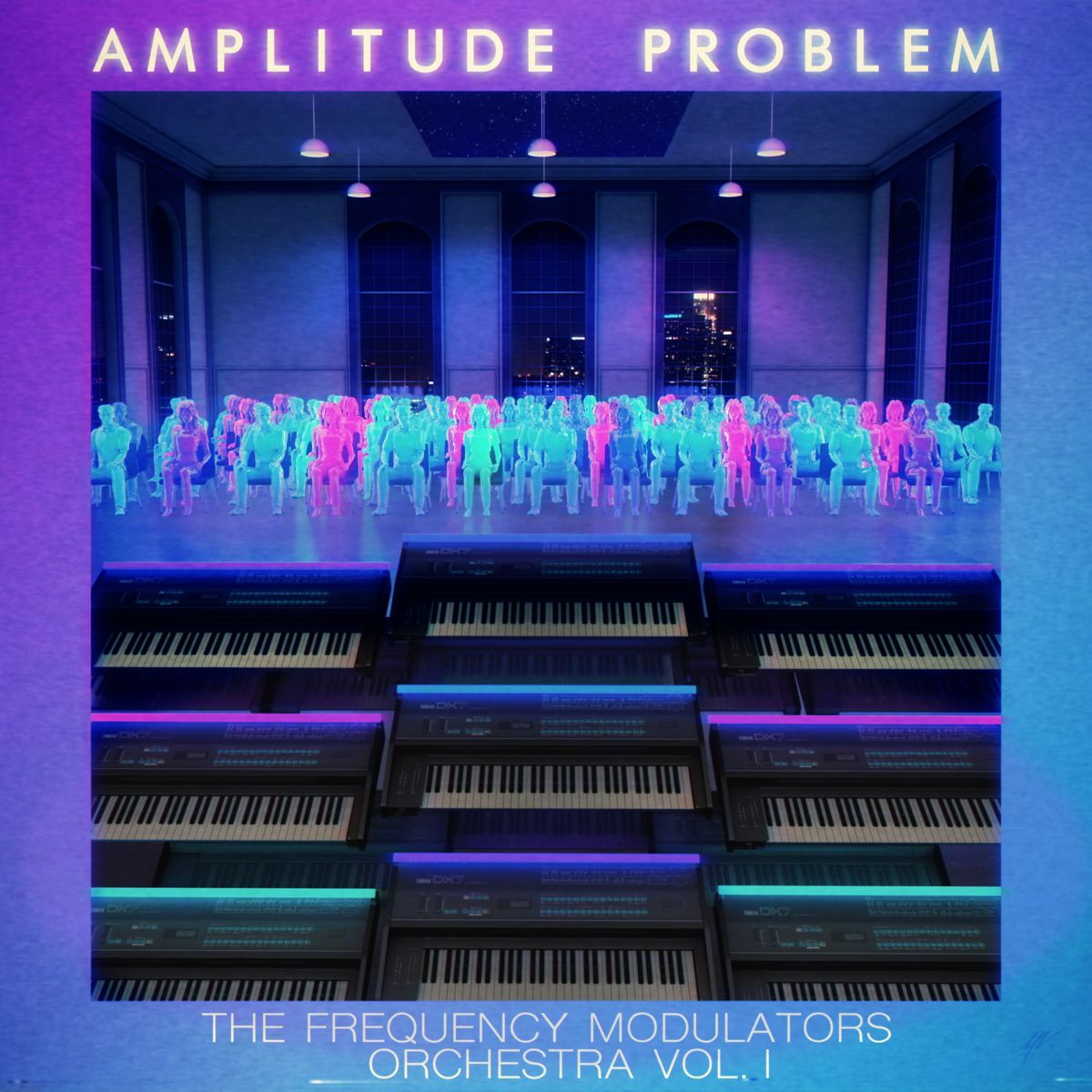
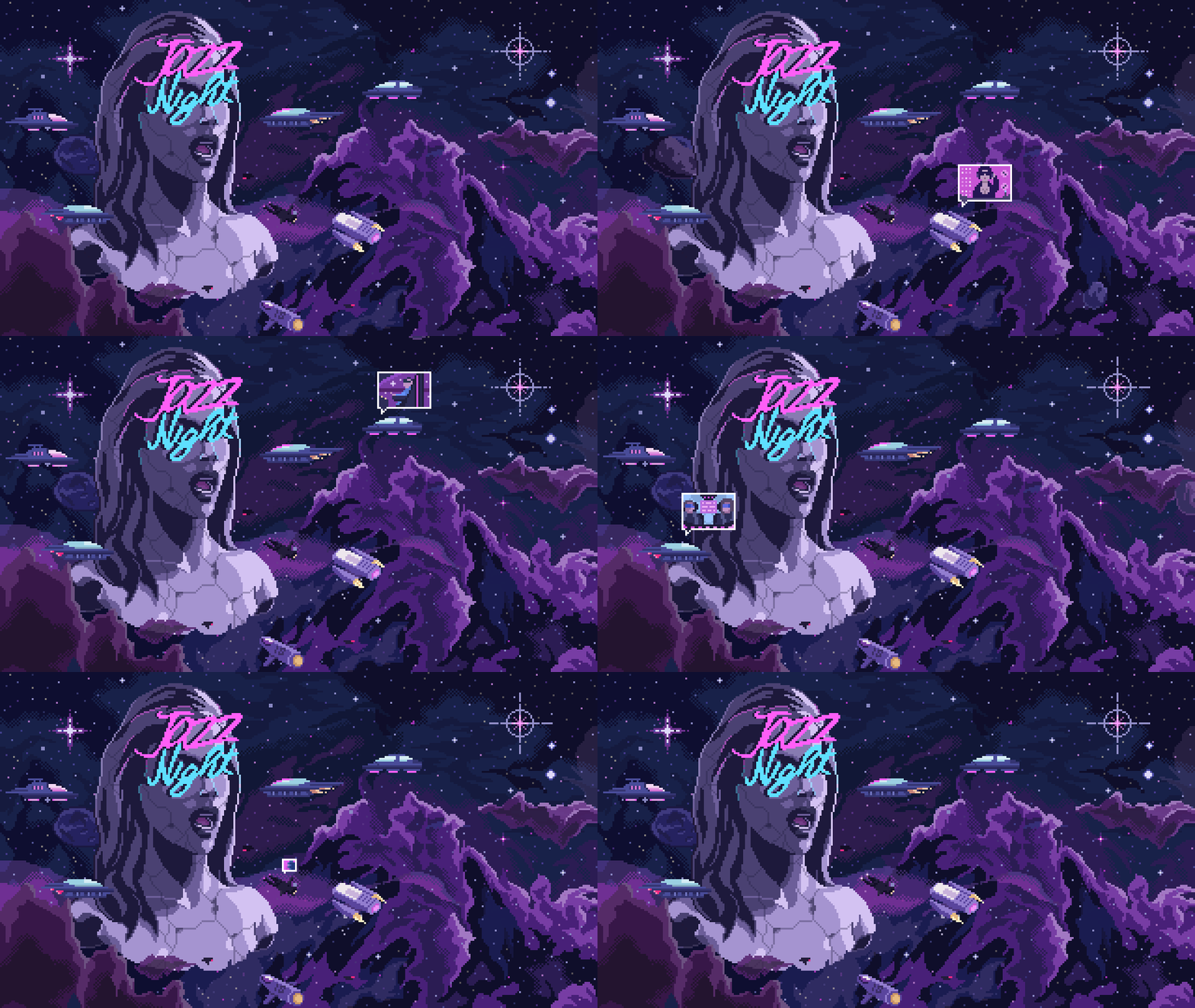
The visual component of the release is equally meticulously crafted. The front cover art was created by Mythical Vigilante, while additional art and pixel-art animations were provided by Valenberg. Valenberg, known for his work in the synthwave community and his involvement in the game VirtuaVerse, created a "Jazz Night" animation that serves as a visual counterpart to Irming’s soundscapes. This synergy between pixel art and FM synthesis reinforces the "retro-electro" aesthetic of the project, grounding it in a specific cultural intersection of 1980s technology and modern digital artistry.

Industry Implications and Market Context
The release of this album occurs at a time of renewed interest in hardware-specific music production. While modern Digital Audio Workstations (DAWs) offer nearly limitless possibilities, many contemporary producers are returning to the limitations of vintage chips to find a unique "voice." Ubiktune, the label hosting the release, has long been a proponent of this movement, specializing in music that utilizes or is inspired by vintage sound chips.
By merging FM synthesis with jazz-funk, Amplitude Problem is participating in a broader trend of genre-bending within the electronic music scene. This "fusion" approach appeals to multiple demographics:
- The Audiophile Community: Attracted by the high-fidelity mastering of Don Grossinger and the complex harmonics of FM synthesis.
- The Retro-Gaming and Chiptune Community: Drawn to the nostalgia of OPL-style sounds and the Atari ST heritage of the artist.
- The Synthwave and Cyberpunk Subcultures: Engaged by the visual aesthetics of Valenberg and the thematic link to artists like YTCracker.
Analysis of the FM-Jazz Synthesis
From an analytical standpoint, The Frequency Modulators Orchestra, Vol. 1 challenges the binary of "digital vs. analog." In the history of music technology, analog synthesis is often romanticized for its "warmth" and "imperfections," while digital synthesis is frequently dismissed as "sterile." Irming’s work suggests that the "warmth" of a musical piece is not solely a product of the hardware’s signal path, but rather a result of the composition’s timing, swing, and harmonic movement.
By utilizing the "cold" FM synthesis to play "warm" jazz, Irming highlights the versatility of digital instruments. The percussive nature of FM synthesis is particularly well-suited for the "slap" of funk basslines and the sharp "stab" of jazz brass sections. This album serves as a technical demonstration of how 1980s computer music technology can be elevated to the status of a sophisticated musical tool, capable of expressing "the great art of jazz."
Availability and Future Outlook
The Frequency Modulators Orchestra, Vol. 1 is currently available across all major digital distribution platforms and streaming services. As a "Vol. 1," the title implies a continuing series, suggesting that Irming intends to further explore the boundaries of this specific stylistic marriage.
Given Irming’s background in game development—having created soundtracks and sound effects for titles like Power Drive 2000 and VirtuaVerse—the success of this album may also influence the sonic direction of future indie game scores. The blend of high-concept jazz and retro-tech sounds offers a template for developers looking to move beyond standard chiptune tropes toward a more sophisticated, "hi-fi" digital aesthetic.
In conclusion, Juan Irming’s debut on Ubiktune is more than a nostalgic trip through 16-bit soundscapes. It is a calculated, professional-grade fusion of disparate musical worlds, backed by industry veterans and informed by decades of technical expertise. As the "synth-funk soundtrack to your brain," it stands as a testament to the enduring relevance of FM synthesis in the modern musical landscape.