Retno Hari Mulyono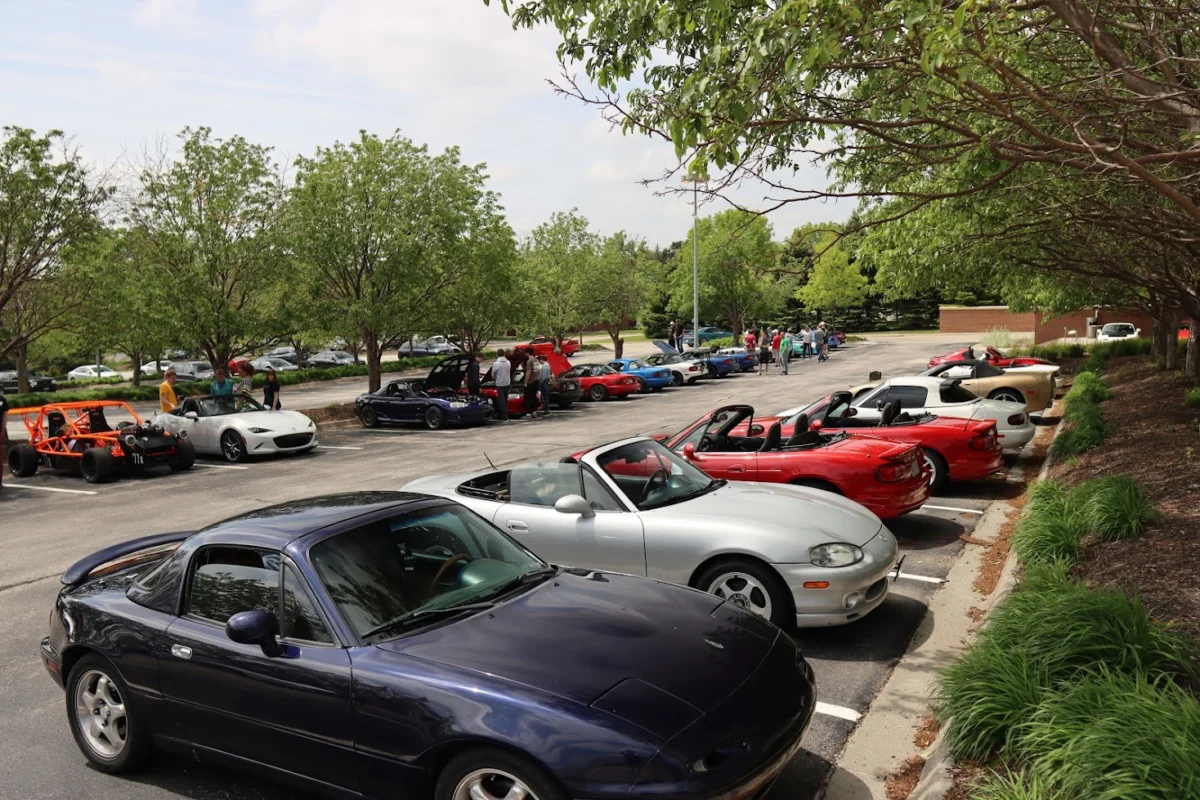
The acquisition and subsequent twelve-month transformation of a 2000 Mazda Miata (NB generation) provides a comprehensive case study in automotive preservation, performance tuning, and the growing culture of grassroots motorsports. Purchased in March 2021, the vehicle underwent a systematic overhaul that transitioned it from a high-mileage survivor into a purpose-built track and autocross competitor. This chronological progression highlights the technical challenges and mechanical milestones inherent in maintaining a twenty-year-old sports car platform while adapting it for modern performance standards.
Acquisition and Initial Mechanical Assessment
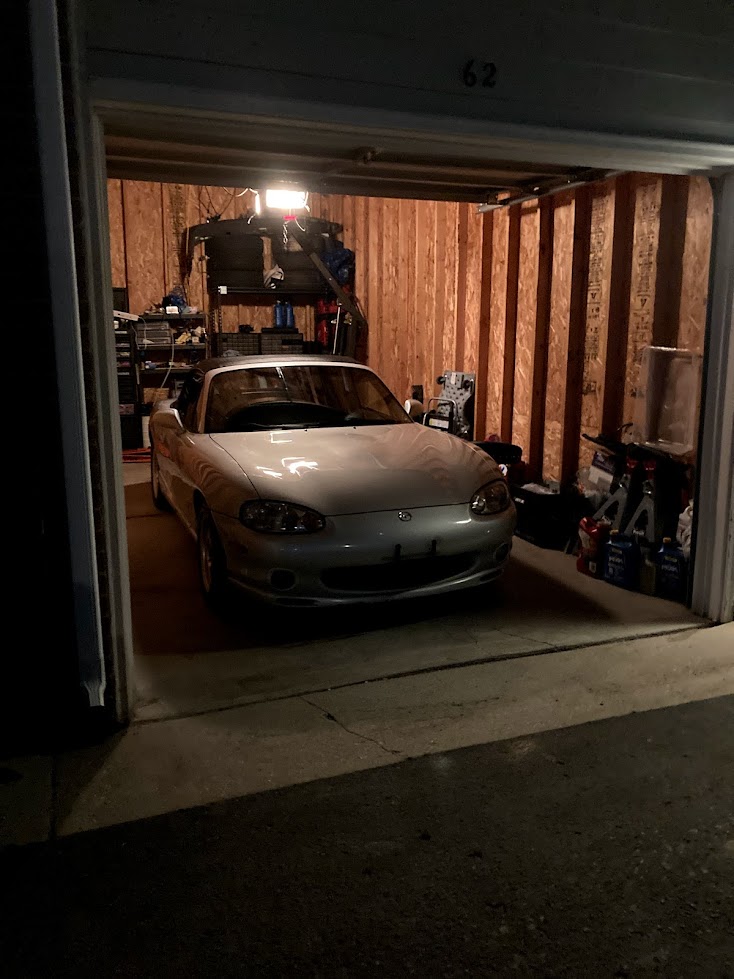
The project commenced on March 19, 2021, with the purchase of a 2000 Mazda Miata, a model representing the second generation (NB) of the iconic roadster. The NB Miata, produced between 1998 and 2005, is often cited by enthusiasts for its refined chassis and the inclusion of the BP4W engine, which featured a high-tumble cylinder head design. Upon acquisition, the vehicle was noted for its raw driving dynamics—a characteristic often lost in modern vehicles due to the proliferation of electronic driver aids and increased curb weights.
The initial phase focused on baseline performance. While the stock 1.8-liter engine was not designed for straight-line speed, its lightweight architecture (approximately 2,300 pounds) provided a superior power-to-weight ratio for cornering and technical driving. The owner’s primary objective was to leverage this lightweight platform through a series of reliability-focused interventions.
Chronology of Maintenance and Mechanical Stabilization
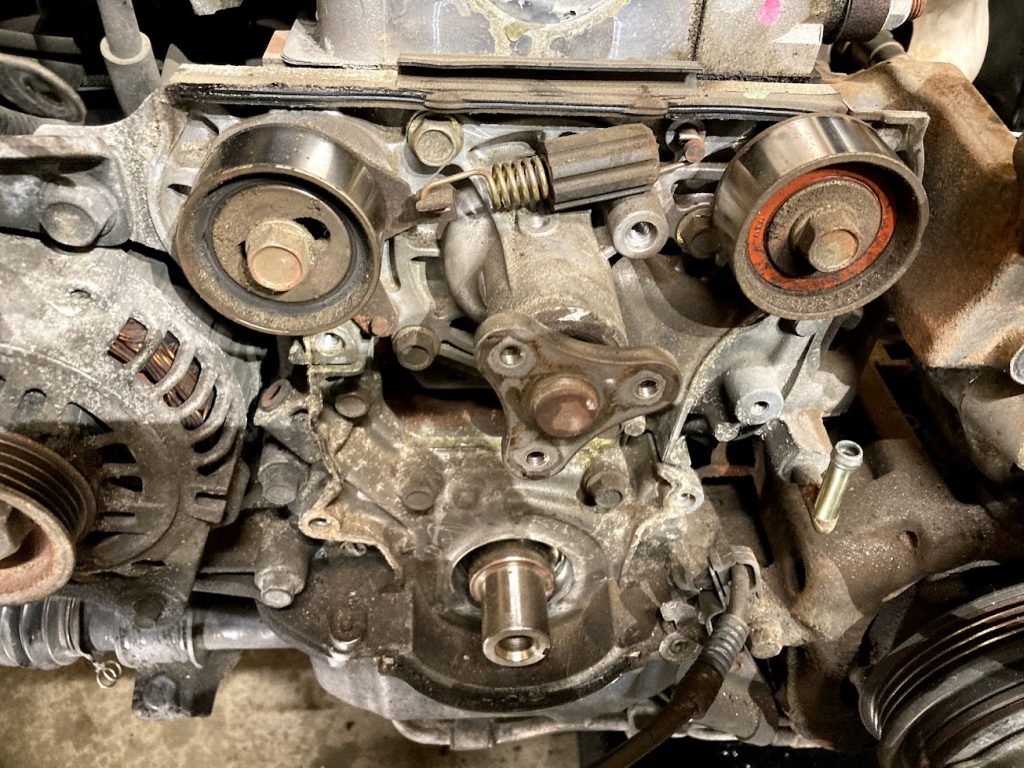
In April 2021, the focus shifted toward preventative maintenance. A critical factor in the longevity of the Mazda BP-series engine is the timing belt. While the BP4W is a non-interference engine—meaning a belt failure would not typically result in catastrophic valve-to-piston contact—the risk of roadside strandedness necessitated a proactive replacement. The maintenance schedule included a full "front-of-engine" service, encompassing the water pump, timing belt, and associated seals. This established a "known good" state, essential for the high-stress environments of track days and autocross.
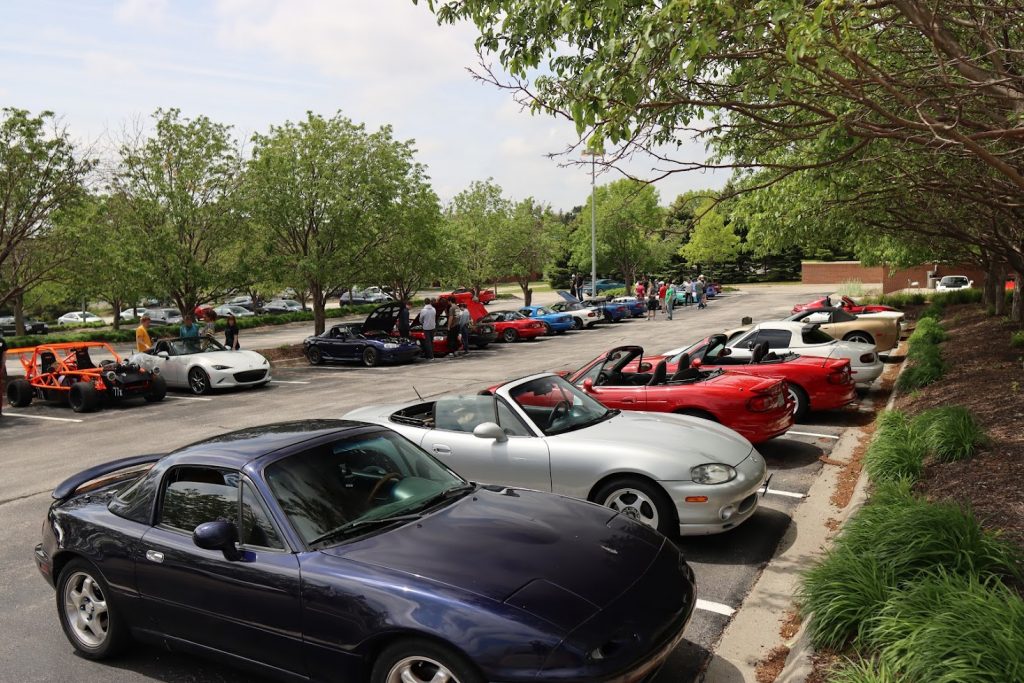
By May 2021, the project integrated into the broader enthusiast community. Attendance at local Miata-specific events revealed the versatility of the platform, with builds ranging from stock restorations to V8-swapped Exocet kit cars. This community exposure reinforced the technical viability of the NB chassis as a modular platform for various levels of performance.
Performance Tuning and Exhaust Systems
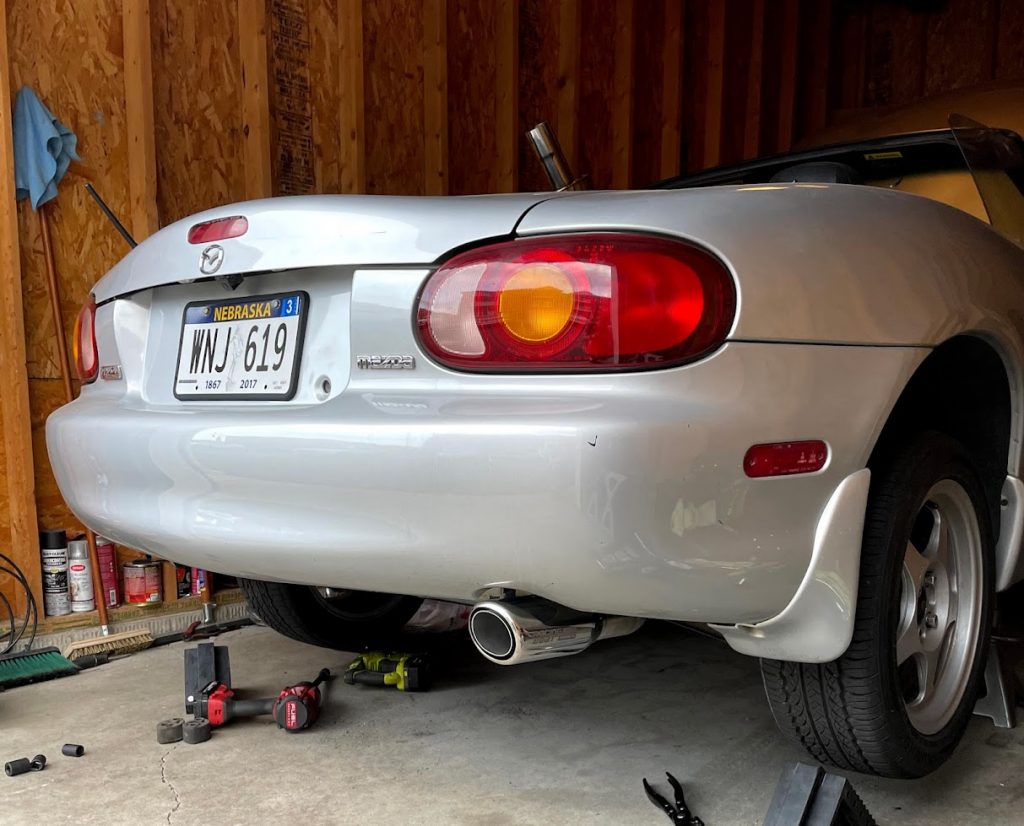
June 2021 marked the first significant performance modifications. The factory exhaust system, plagued by aging components and restrictive flow, was replaced with a curated selection of aftermarket parts. The installation included a Raceland header, a Cobalt midpipe, and a Racing Beat Power Pulse muffler.
This configuration was designed to balance acoustic feedback with daily drivability. However, the installation also highlighted the complexities of modern emissions systems; a failure to properly reconnect the Exhaust Gas Recirculation (EGR) pipe led to persistent engine diagnostic codes. This phase illustrated the delicate balance required when modifying factory engine management systems to ensure both performance gains and operational compliance.
Aesthetic Overhaul and the Transition to Yellow
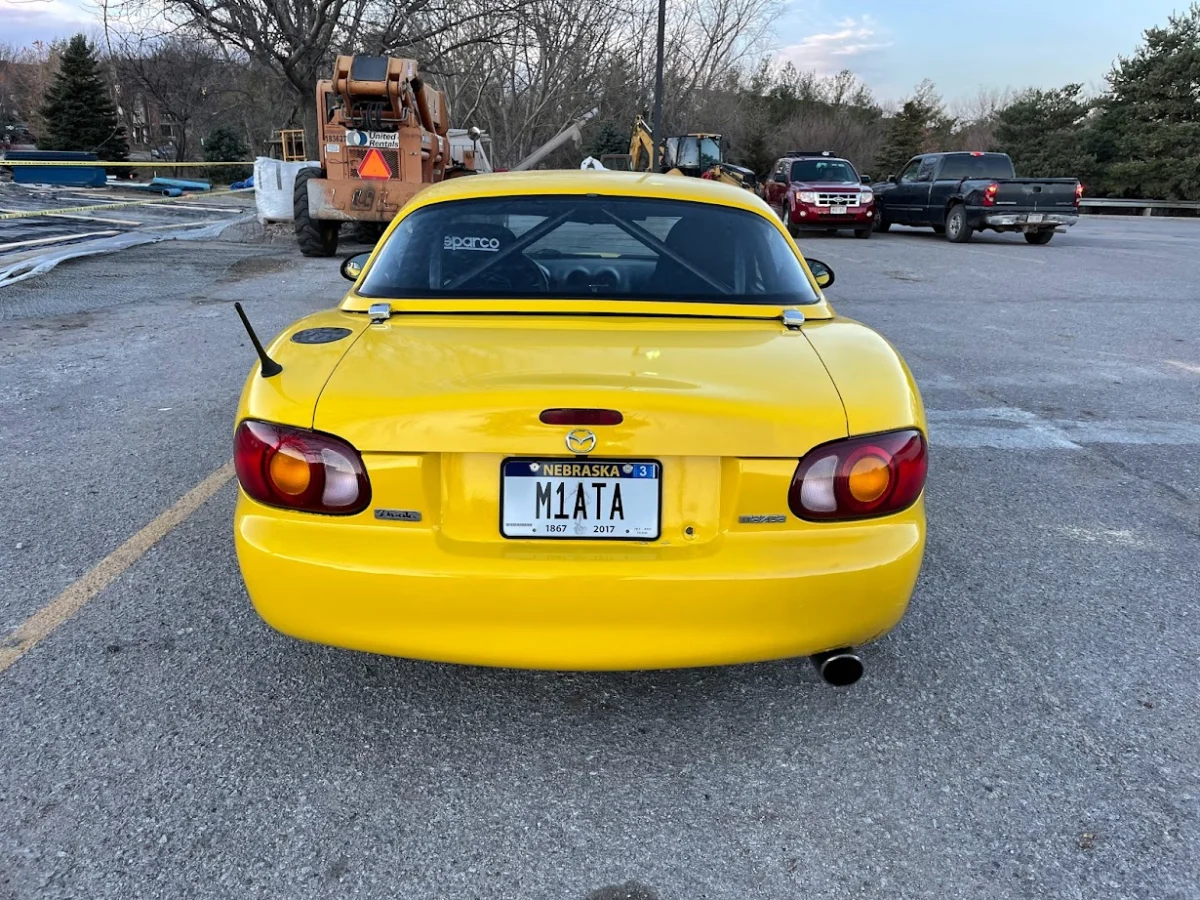
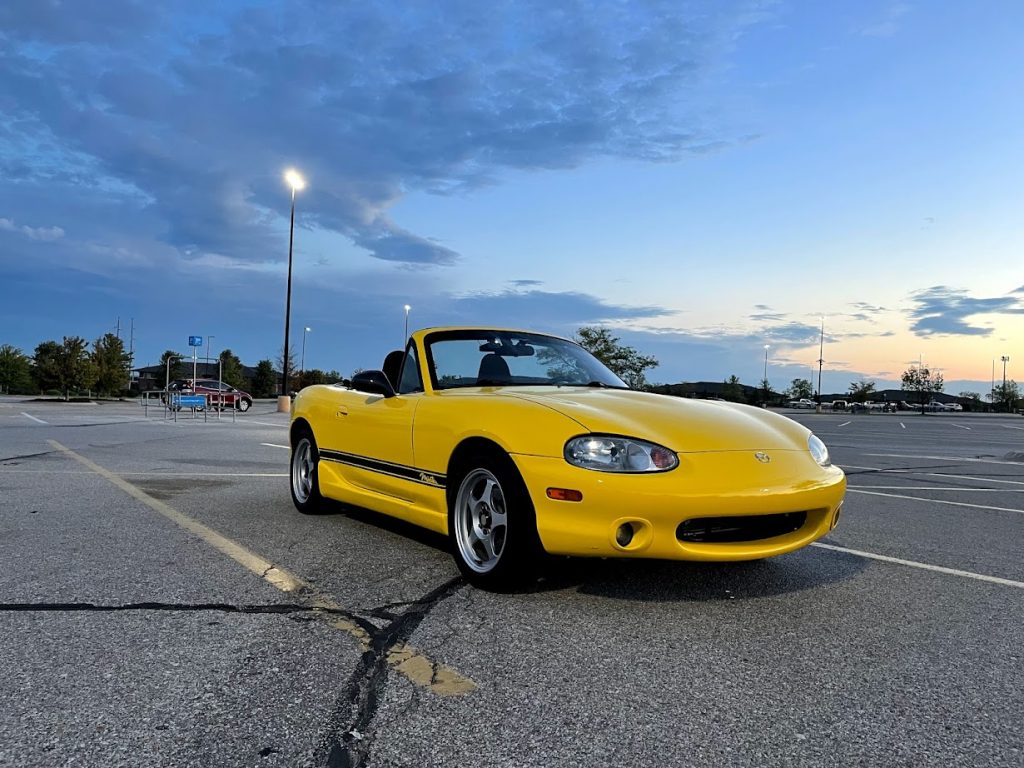
In July and August 2021, the vehicle underwent a visual rebranding. Originally finished in silver, the car featured a damaged front fender that was replaced with a paint-matched panel before the entire body was wrapped in yellow vinyl. The decision to wrap the vehicle served two purposes: protecting the underlying paint from track debris and providing a distinct visual identity. Automotive industry data suggests that "high-visibility" colors like yellow often resonate with the heritage of lightweight sports cars, echoing limited-edition releases like the Sunburst Yellow NA Miata of the early 1990s.
Motorsports Deployment: Track and Autocross Analysis
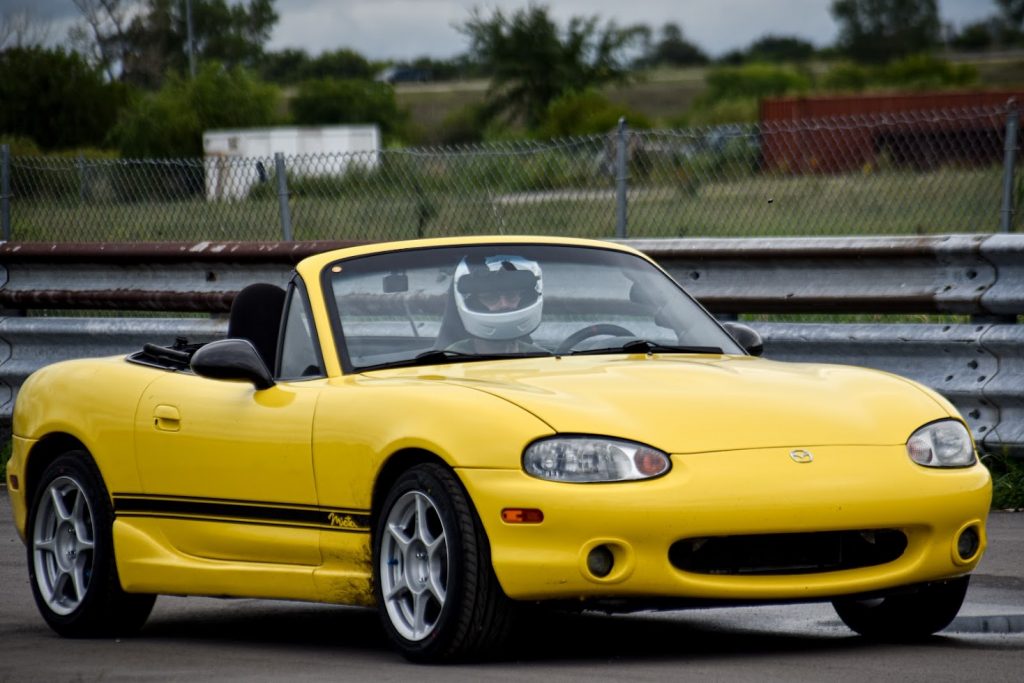
The transition from a street-driven project to a competitive vehicle occurred in September 2021. The vehicle was entered into a track day at Raceway Park of the Midlands. Track environments place extreme thermal and mechanical loads on a vehicle’s braking and cooling systems. The successful completion of this event provided the data necessary to plan future suspension and safety upgrades.
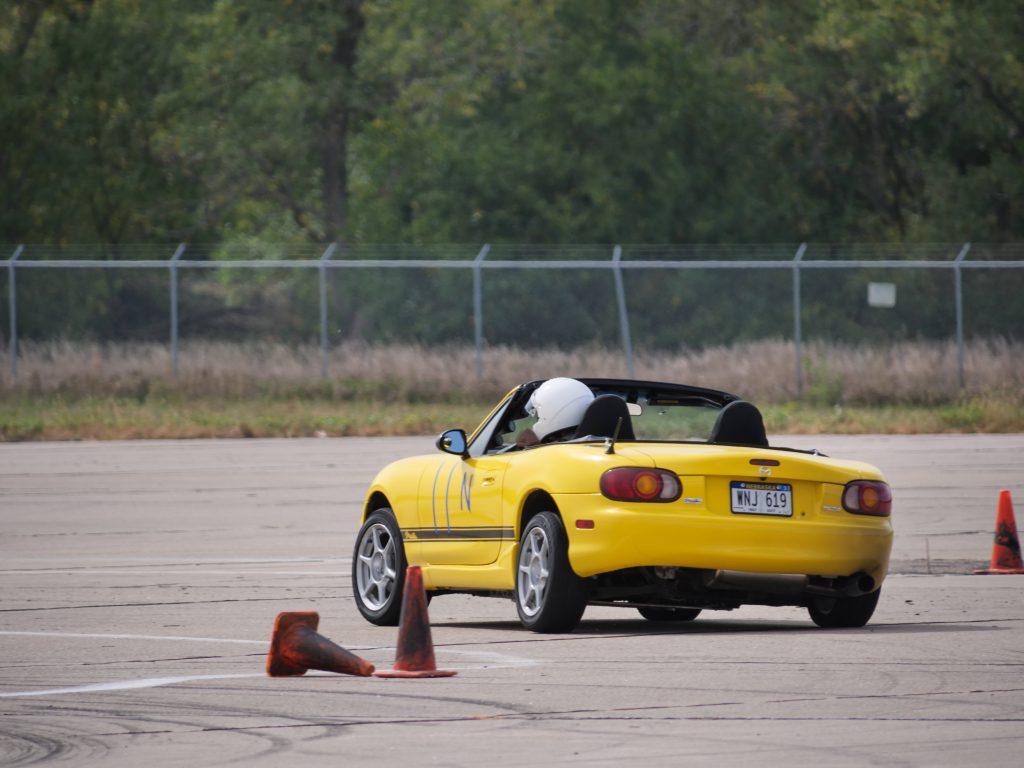
In October 2021, the focus moved to autocross, a discipline that emphasizes low-speed agility and driver precision over peak horsepower. Autocross serves as a cost-effective entry point for performance testing, allowing for the evaluation of tire grip and turn-in response in a controlled environment. The project’s participation in these events highlighted the Miata’s inherent "momentum car" philosophy, where maintaining speed through corners is paramount.
Winter Engineering and Suspension Dynamics
As the climate in Nebraska shifted toward winter in November 2021, the project entered a preservation phase. To avoid the corrosive effects of road salt—which is particularly detrimental to the NB Miata’s frame rails and quarter panels—the vehicle was largely withdrawn from daily use. During this period, a factory hardtop was installed. Beyond weather protection, the hardtop increases the structural rigidity of the chassis and improves aerodynamic efficiency, a critical factor for track use.
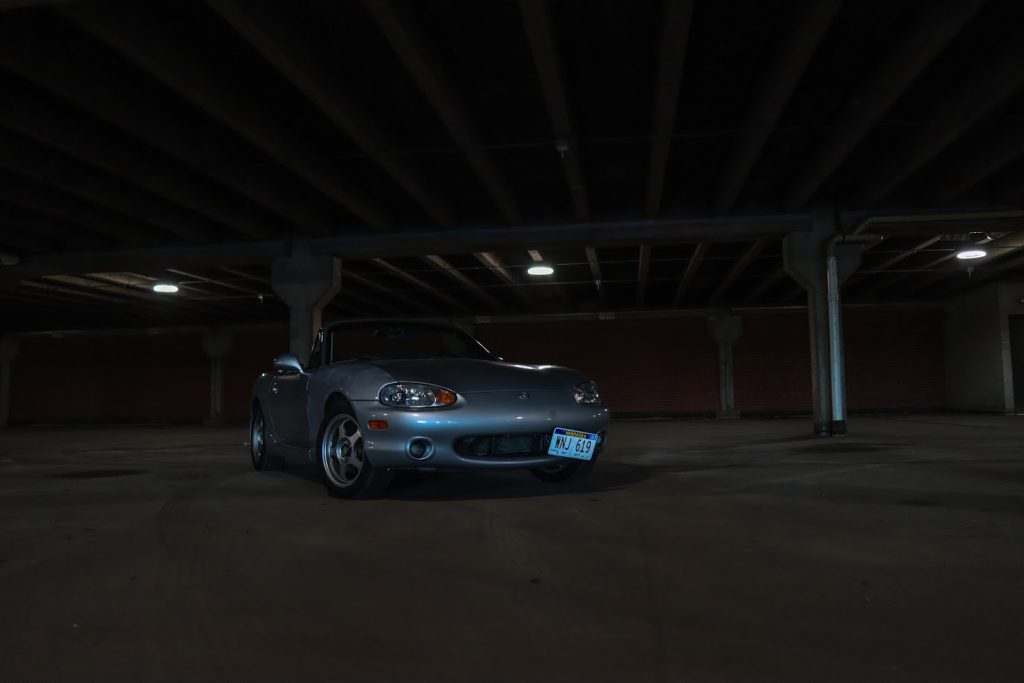
December 2021 was dedicated to a comprehensive suspension overhaul. The aging factory components were replaced with upgraded units designed to lower the center of gravity and reduce body roll. Following the suspension work, the vehicle received "M1ATA" vanity plates, signaling its finalized status as a dedicated project car.
Powertrain Overhaul and Safety Infrastructure
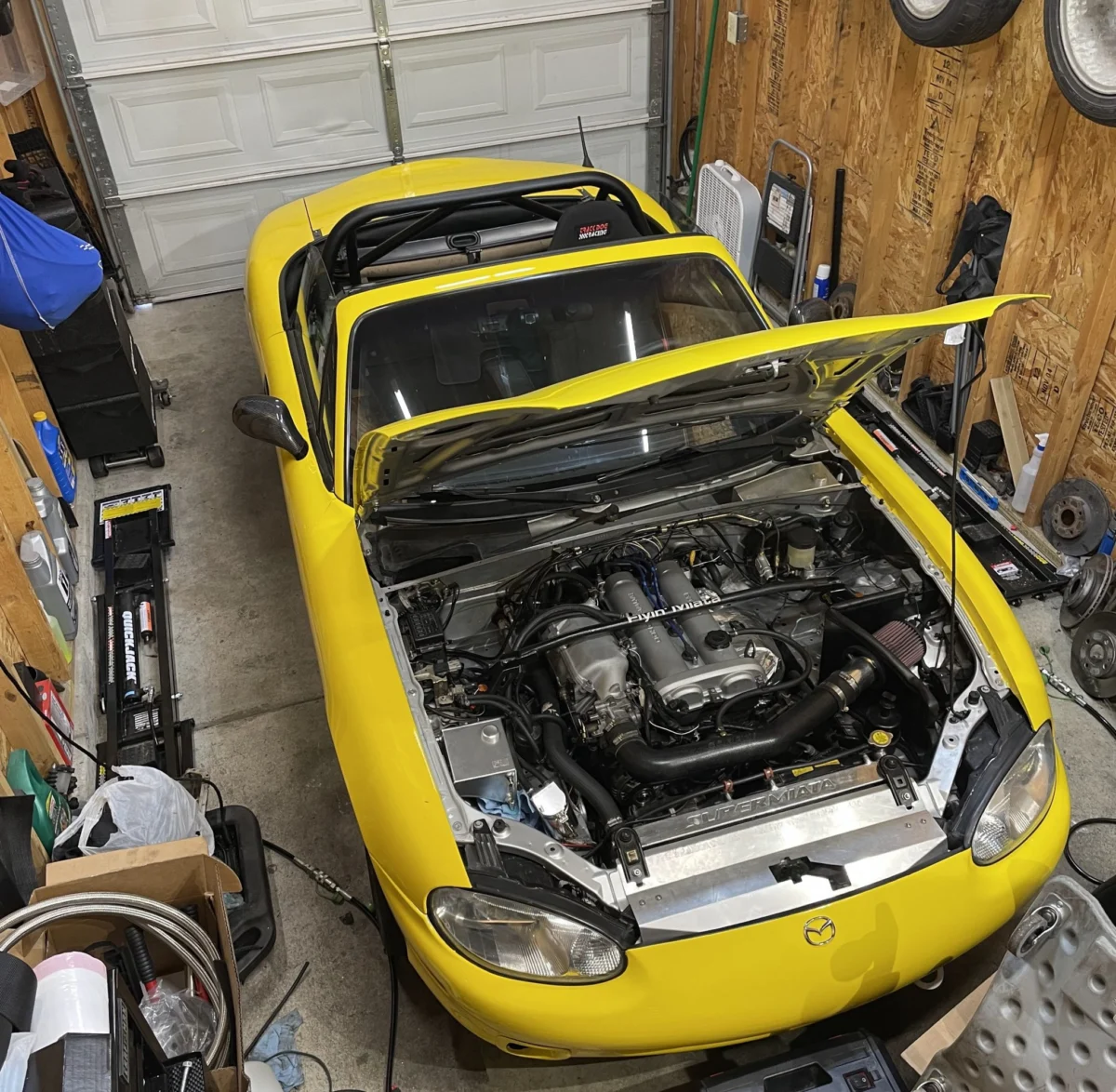
The most intensive mechanical work occurred in January 2022. With the engine removed from the chassis, the owner addressed several long-standing issues:
- Rear Main Seal Replacement: A common leak point on high-mileage BP engines.
- Oil Pan and Drain Plug Repair: Addressing a stripped drain plug to ensure reliable oil changes.
- Coolant Reroute Installation: This is a critical modification for the Miata. The factory cooling path is optimized for front-wheel-drive layouts; in the rear-wheel-drive Miata, it often results in the fourth cylinder running hotter than the others. The reroute kit forces coolant through the entire block, equalizing temperatures across all cylinders.
In February 2022, the project shifted toward driver safety in preparation for the upcoming racing season. The installation of Track Dog Racing UltraShield Rally Sport seats and six-point harnesses provided the necessary lateral support for high-G cornering. Furthermore, the owner addressed the "broomstick test"—a safety requirement ensuring the driver’s helmet sits below a line drawn from the roll bar to the windshield frame. The month concluded with a DIY alignment, utilizing string-based precision to set toe and camber angles tailored for track performance.
Technical Analysis of the NB Miata Platform
The 2000 Mazda Miata remains a benchmark for automotive engineering due to its simplicity and balanced weight distribution. From a technical perspective, the twelve-month project documented here highlights the "golden era" of analog sports cars. Unlike modern vehicles equipped with Electric Power Assisted Steering (EPAS) and complex CAN-bus architectures, the NB Miata offers direct mechanical feedback.
Data from the used car market indicates that the value of well-maintained NB Miatas has seen a steady increase, with a reported 15-20% rise in valuation between 2021 and 2022. This trend is driven by enthusiasts seeking platforms that are easy to wrench on and capable of performing double duty as both daily drivers and weekend racers.
Broader Impact and Future Implications
The evolution of this 2000 Mazda Miata underscores the viability of the "built, not bought" philosophy. By systematically addressing the vehicle’s weaknesses—specifically in cooling, safety, and suspension—the owner transformed a twenty-year-old car into a modern performance tool.
The implications of such a project extend beyond the individual owner. It contributes to the preservation of automotive history and supports a secondary market of aftermarket manufacturers. As the industry moves toward electrification and increased automation, projects like this serve as a vital link to the mechanical purity of the past. The next twelve months for this NB Miata are expected to focus on fine-tuning the engine management and potentially exploring forced induction, continuing the cycle of iterative development that defines the automotive enthusiast experience.