Hartono Sudibyo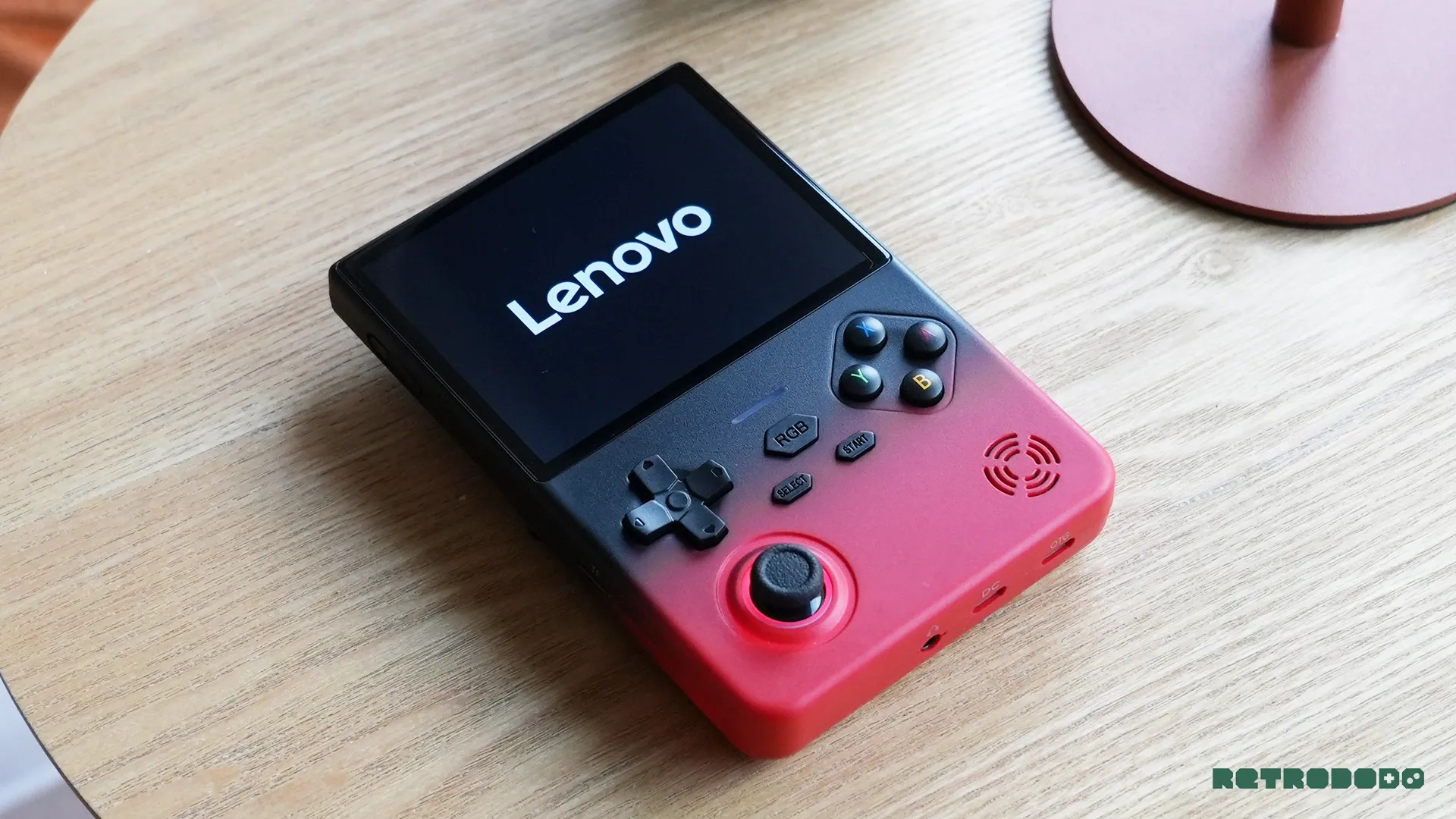
The global technology landscape is no stranger to the intricate dance between innovation, branding, and intellectual property. Recently, a peculiar device has surfaced on online marketplaces, most notably AliExpress, bearing the unmistakable Lenovo logo. This retro-style handheld gaming console, identified as the G02, has ignited a flurry of questions regarding its legitimacy, its origins, and the implications for a tech giant like Lenovo. Initial observations suggested a clear case of trademark infringement, a common occurrence in the grey market of electronics. However, the sophisticated packaging, aggressive marketing, and even Lenovo’s own presence on its Chinese website have complicated this narrative, prompting a deeper investigation into the device’s true identity.
The Genesis of the Mystery: A Suspicious Product Appears
The appearance of the Lenovo-branded handheld on platforms like AliExpress is, on its surface, a familiar scenario. Chinese manufacturers have a history of leveraging well-known brand names to lend credibility to their products, often in the retro gaming sector. These devices are frequently pre-loaded with copyrighted game ROMs, a practice that is unequivocally illegal. However, the Lenovo G02 presented a deviation from the norm. Its professional packaging, complete with manuals and official branding, suggested a level of legitimacy rarely seen in such unauthorized products. The curiosity intensified when Lenovo itself featured the device on its Chinese website, a move that blurred the lines between a genuine product and a sophisticated counterfeit.
An Investigative Purchase: Unveiling the G02
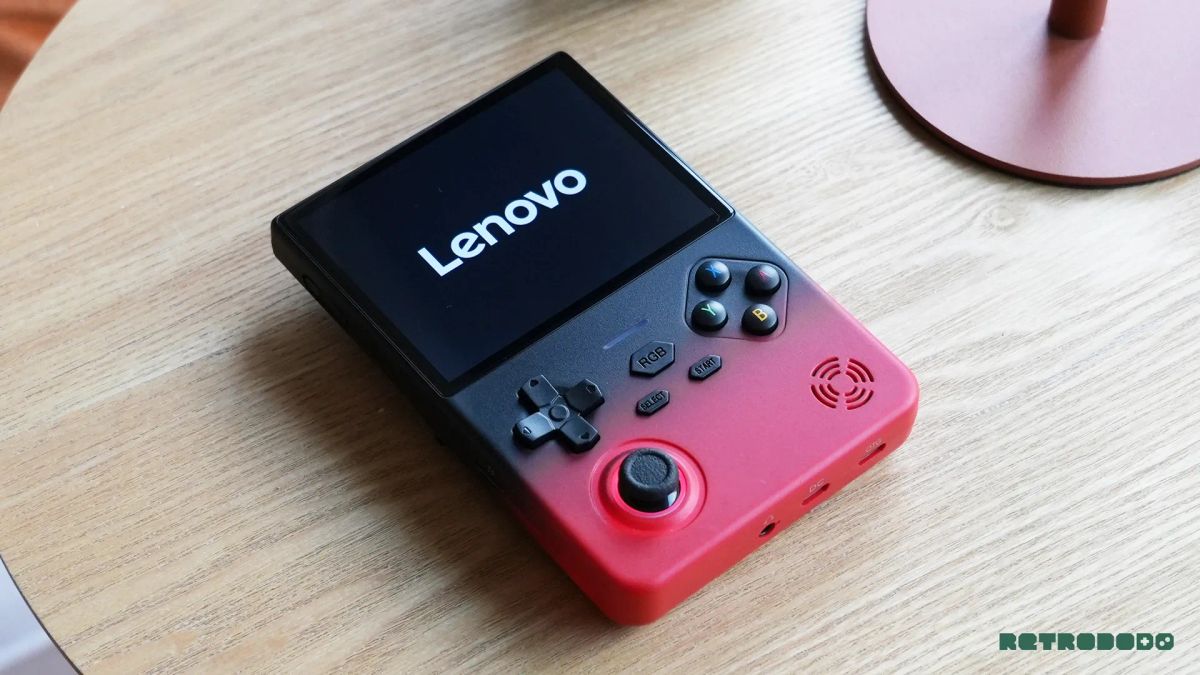
Driven by this unusual confluence of factors, a journalist from RetroDodo took the initiative to purchase the Lenovo G02 from AliExpress for approximately £65. The expectation was that the device would be a low-quality imitation, possibly non-functional or a clear indicator of intellectual property theft. However, upon arrival, the reality proved to be far more complex. The handheld arrived in its official Lenovo packaging, complete with Lenovo-branded documentation. Crucially, upon powering on, the device displayed the official Lenovo logo, further deepening the mystery. This initial unboxing suggested that the G02 was not merely a bootleg product but something more officially sanctioned, albeit in a manner that was not immediately clear.
The Search for Official Confirmation: Reaching Out to Lenovo
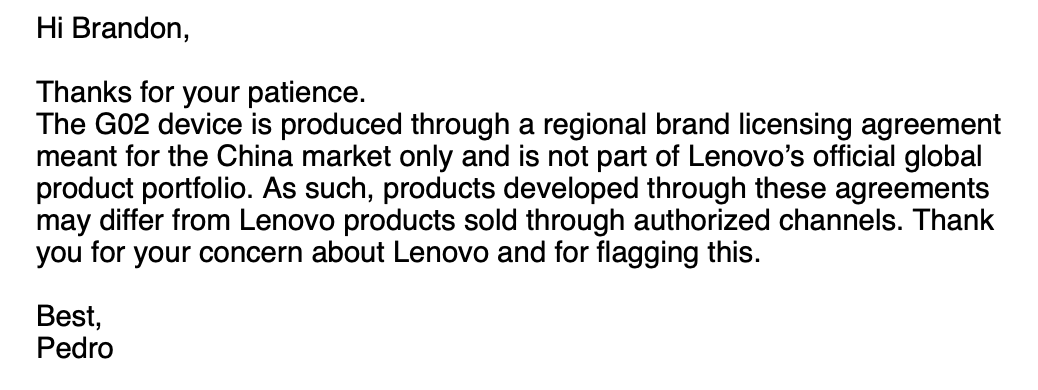
The presence of official Lenovo branding on a device pre-loaded with thousands of copyrighted games, including many from Nintendo, presented a significant ethical and legal quandary. The journalist initiated contact with Lenovo’s public relations and product licensing departments, seeking clarification. After an extended period of communication, involving multiple departments and contacts within Lenovo, a response was finally received from Pedro, representing the company’s Product and Licensing team in China.
Lenovo’s Official Statement: A Regional Licensing Agreement
Pedro’s communication provided a pivotal insight into the G02’s status. He stated, "The G02 device is produced through a regional brand licensing agreement meant for the China market only and is not part of Lenovo’s official global product portfolio. As such, products developed through these agreements may differ from Lenovo products sold through authorized channels. Thank you for your concern about Lenovo and for flagging this."
This statement, while confirming the device’s official status in China, simultaneously raises several critical points:
- Brand Licensing: Lenovo has indeed licensed its brand for the production of this device. This implies a level of knowledge and tacit approval of the product’s existence and its branding.
- Regional Exclusivity: The explicit mention of a "China market only" agreement is significant. It suggests that Lenovo’s direct involvement and oversight might be limited to this specific geographical region.
- Product Differentiation: The acknowledgment that "products developed through these agreements may differ from Lenovo products sold through authorized channels" is a crucial qualifier. It indicates that Lenovo, as a global brand, does not necessarily vouch for the quality or content of all products bearing its name, particularly those operating under specific regional licensing deals.
Analysis of Implications: Brand Dilution and Legal Ambiguity
Lenovo’s confirmation of a regional licensing agreement for the G02, while intended to clarify its status, paradoxically amplifies concerns about brand integrity and legal adherence.
Brand Integrity: A Compromised Image
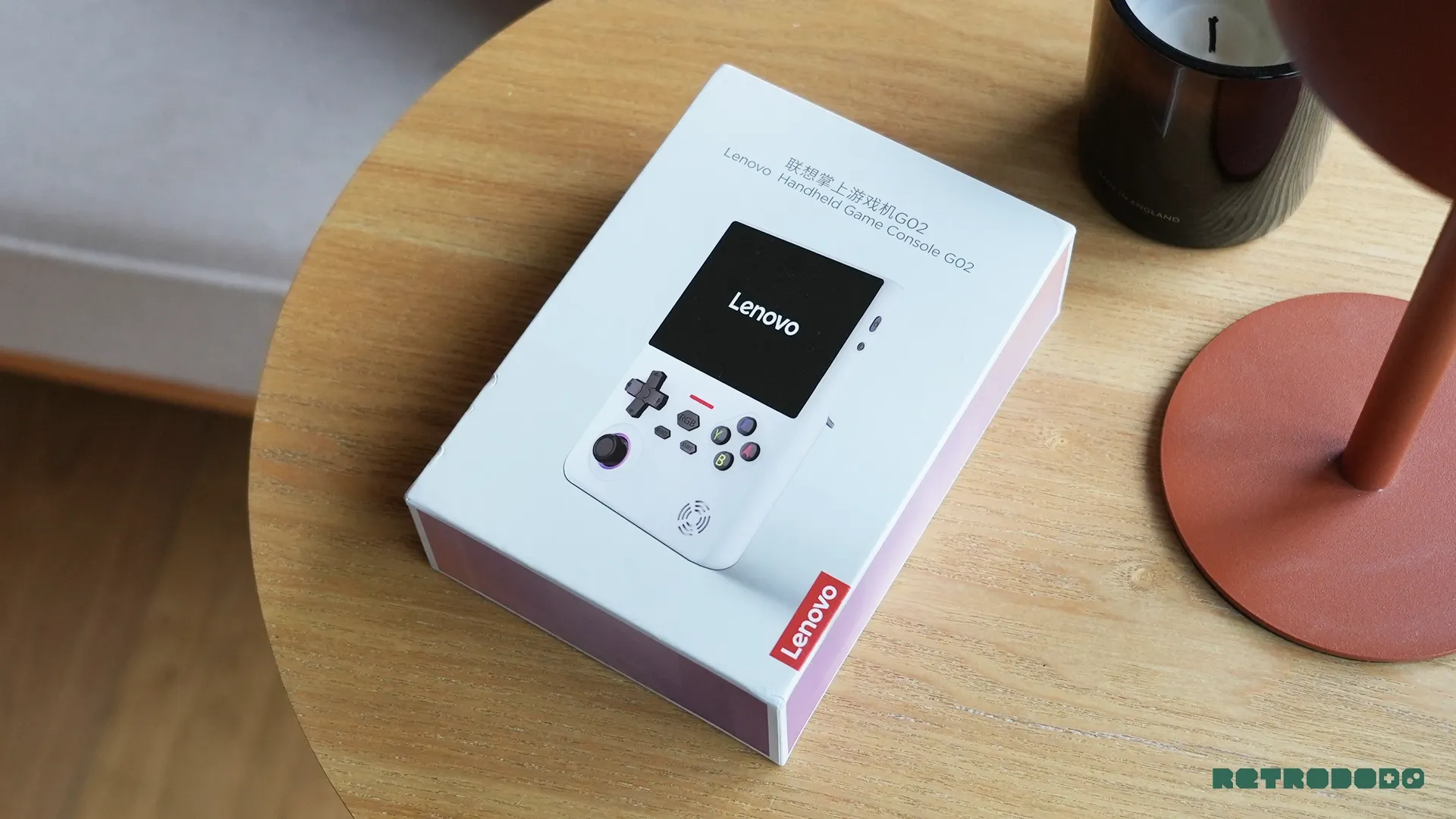
For a company of Lenovo’s stature, known for its personal computers, smartphones, and innovative technology solutions, the association with a low-quality retro handheld pre-loaded with pirated games is detrimental. The G02, described as an "incredibly low-quality product" and potentially "e-waste," directly contradicts the image of technological advancement and reliability that Lenovo strives to cultivate.
- Consumer Perception: Consumers, particularly those who are unaware of the nuances of regional licensing, may associate the G02’s flaws and the pre-loaded copyrighted content directly with Lenovo’s global brand. This can lead to a dilution of brand trust and a diminished perception of quality.
- Competitive Landscape: The retro handheld market is increasingly competitive, with dedicated companies focusing on delivering high-quality emulation experiences. A device like the G02, perceived as a quick cash grab, can undermine the efforts of legitimate players and create confusion for consumers looking for authentic retro gaming solutions.
Legal Ambiguity: The Shadow of Copyright Infringement
The most significant concern surrounding the Lenovo G02 is the pre-installation of thousands of copyrighted games, primarily from Nintendo and Sega. While Lenovo’s statement emphasizes the "China market only" aspect of the licensing agreement, it does not absolve them of responsibility for the broader implications.
- Whitelabeling and Third-Party Responsibility: The licensing agreement suggests that a third-party manufacturer is responsible for the actual production and content loading of the G02. However, the act of licensing their brand for such a product, especially one with demonstrably illegal content, places Lenovo in a precarious position. The question remains whether Lenovo conducted adequate due diligence to ensure its licensees adhered to all applicable laws, including copyright.
- Global Reach of Online Marketplaces: Despite the "China market only" stipulation, online marketplaces like AliExpress have a global reach. This means that the G02 is accessible to consumers worldwide, potentially exposing Lenovo to legal challenges from copyright holders in various jurisdictions. The company’s argument that it was intended solely for the Chinese market may not hold up against the reality of its international availability.
- Precedent and Future Licensing: This situation sets a concerning precedent for future brand licensing in the consumer electronics space. It highlights the potential for major brands to inadvertently or deliberately become associated with illegal activities through such agreements, especially when profit margins are prioritized over rigorous oversight.
A Chronology of Events: From Discovery to Confirmation
The emergence and subsequent investigation of the Lenovo G02 can be pieced together through the provided information, suggesting a timeline of discovery and inquiry:
- Initial Discovery: The Lenovo G02 retro handheld begins appearing on online retail platforms, notably AliExpress, bearing prominent Lenovo branding.
- Suspicion of Infringement: The presence of unauthorized branding and the common practice of pre-loading ROMs lead to initial assumptions of trademark infringement and illegal software distribution.
- Unusual Indicators: The device’s premium packaging, extensive marketing as a Lenovo product, and its inclusion on Lenovo’s Chinese website raise questions about its legitimacy and deviate from typical counterfeit scenarios.
- Investigative Purchase: A journalist from RetroDodo purchases the G02 from AliExpress to verify its authenticity and nature.
- Receipt and Initial Assessment: The device arrives with official Lenovo branding, packaging, and manuals, and boots up with the Lenovo logo, contradicting initial assumptions of a complete counterfeit.
- Direct Inquiry to Lenovo: The journalist contacts Lenovo’s PR and product licensing departments to ascertain the device’s official status.
- Official Response: After a period of communication, Lenovo provides a statement confirming a "regional brand licensing agreement" for the China market only, acknowledging that such products may differ from their global offerings.
- Analysis and Reporting: The information gathered leads to the current report, highlighting the implications for brand integrity and legal compliance.
Broader Impact and Industry Concerns
The Lenovo G02 incident is not an isolated event but rather symptomatic of broader challenges within the consumer electronics and retro gaming industries.
- The Blurring Lines of "Official": In an era of extensive outsourcing and complex supply chains, distinguishing between genuinely official products and those operating under various licensing agreements can be difficult for consumers. This case underscores the importance of transparency and clear labeling.
- The Ethical Dilemma of Whitelabeling: Whitelabeling, where a manufacturer produces goods for sale under another company’s brand, is a common business practice. However, when the licensed brand is associated with a product that infringes on copyright and potentially contributes to e-waste, the ethical implications become profound.
- The Role of Chinese E-commerce Platforms: Platforms like AliExpress are crucial for global market access but also serve as conduits for products with questionable legal and ethical standing. While these platforms have made efforts to combat counterfeit goods, the sheer volume of listings presents an ongoing challenge.
- Legal Repercussions for Content Owners: The widespread availability of devices pre-loaded with copyrighted games represents a significant loss of revenue for game developers and publishers. Companies like Nintendo and Sega have a vested interest in protecting their intellectual property, and this incident could potentially lead to further legal scrutiny and action.
Lenovo’s Position: A Question of Due Diligence
Lenovo, as a publicly traded company with billions in revenue, has the resources and expertise to develop and market its own high-quality retro gaming devices, or to ensure that any licensed products meet stringent legal and quality standards. The decision to engage in a regional licensing agreement for a product that appears to be of low quality and pre-loaded with copyrighted material raises questions about their internal oversight and risk assessment.
The statement from Pedro indicates that Lenovo is aware of the G02 and its licensing arrangements. However, the company’s assertion that it is "not part of Lenovo’s official global product portfolio" and that such products "may differ" is a defensive stance. It suggests a potential attempt to distance themselves from the more problematic aspects of the device, such as its copyright-infringing content and its global availability beyond the intended Chinese market.
Conclusion: A Call for Greater Accountability
The Lenovo G02 serves as a stark reminder of the complexities inherent in global branding and product distribution. While the device’s existence is confirmed as an officially licensed product within China, its availability on international platforms and its pre-loaded content create a shadow of doubt over Lenovo’s brand integrity and commitment to legal compliance.
The company’s substantial financial resources and established reputation make its involvement in such a venture particularly surprising and, for many, disappointing. The potential for brand dilution, consumer confusion, and legal challenges from copyright holders underscores the need for greater accountability in brand licensing practices. As the situation evolves, further updates from Lenovo or affected parties may shed more light on the long-term ramifications of this peculiar retro handheld’s journey into the global market. The core message remains clear: for a company of Lenovo’s caliber, the pursuit of quick profit should not come at the expense of brand reputation and legal integrity.