Hartono Sudibyo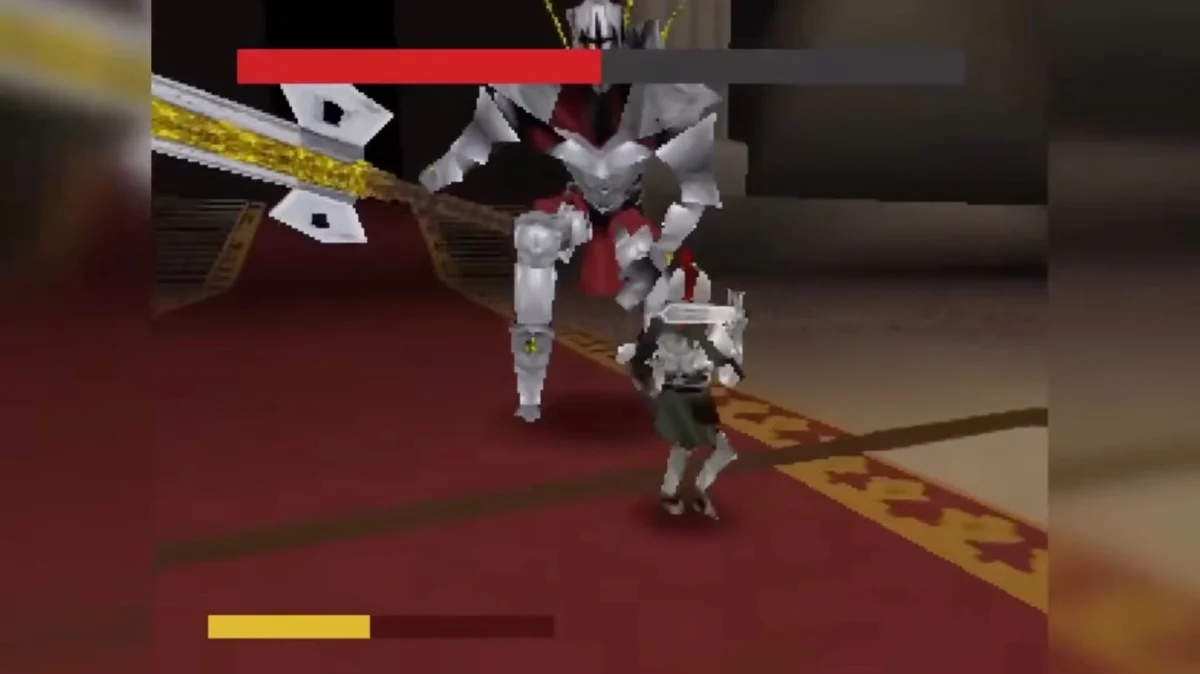
The groundbreaking reimagining of a boss encounter from the critically acclaimed action RPG Elden Ring, developed for the Nintendo 64 console by independent creator BoxingBruin, has ignited widespread enthusiasm across the gaming landscape. The project, initially showcased in a YouTube video released on May 18, 2026, has since garnered over 11,000 subscribers for the creator, underscoring the significant impact of this retro-inspired game development. This impressive surge in popularity highlights a persistent fascination with the capabilities of vintage hardware and the creative potential of blending modern game design principles with nostalgic aesthetics.
The Genesis of a Nostalgic Vision
BoxingBruin, whose real name is not publicly disclosed but is recognized within the independent game development community, embarked on this ambitious project with a long-standing aspiration to create a game for the Nintendo 64. The developer detailed in an interview that their journey into N64 development was propelled by an immersion in "Tiny 3D," a development environment specifically tailored for the platform. This deep dive into the intricacies of N64 programming culminated in the ambitious goal of recreating an Elden Ring-esque boss fight, meticulously designed to emulate the visual and mechanical fidelity that one might have expected from the console in its prime.
The project was undertaken as part of a rigorous two-month game jam, a concentrated period of collaborative or solo game development, often with specific themes or constraints. This compressed timeline presented a significant challenge: constructing a complex boss encounter, reminiscent of the intricate combat systems found in FromSoftware’s Elden Ring, entirely from scratch. The objective was not to port the original game, but to interpret its core elements and translate them into a format that would feel authentic to the Nintendo 64 era.
A Symphony of Retro Design and Modern Influence
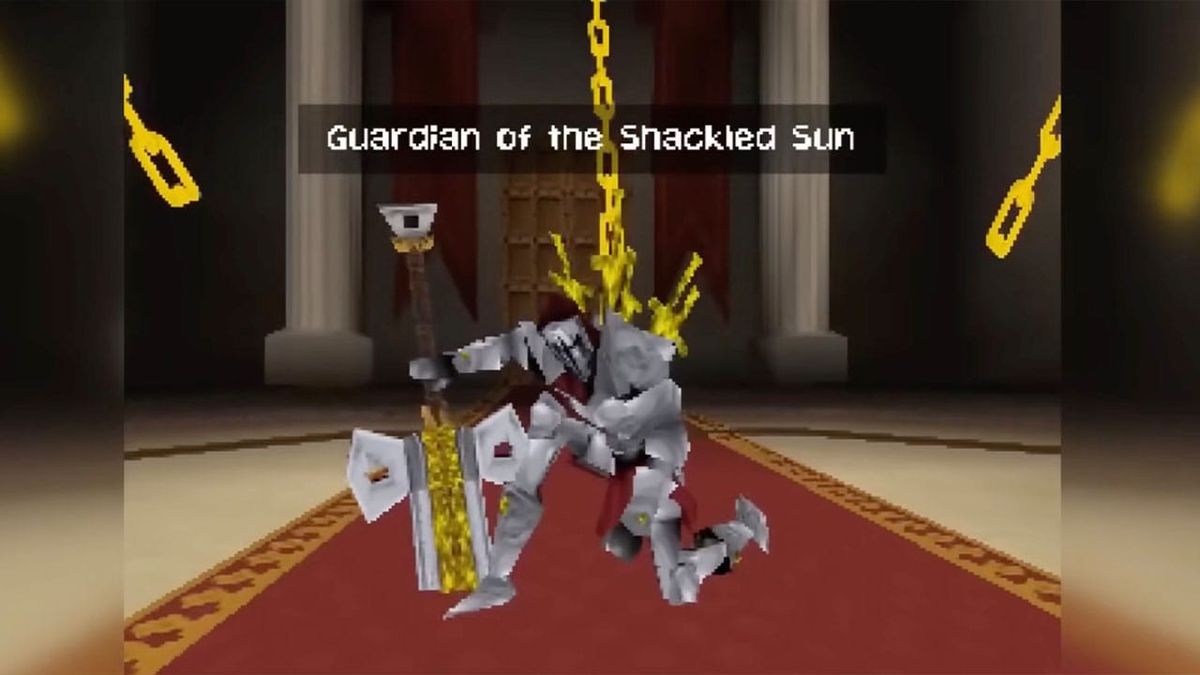
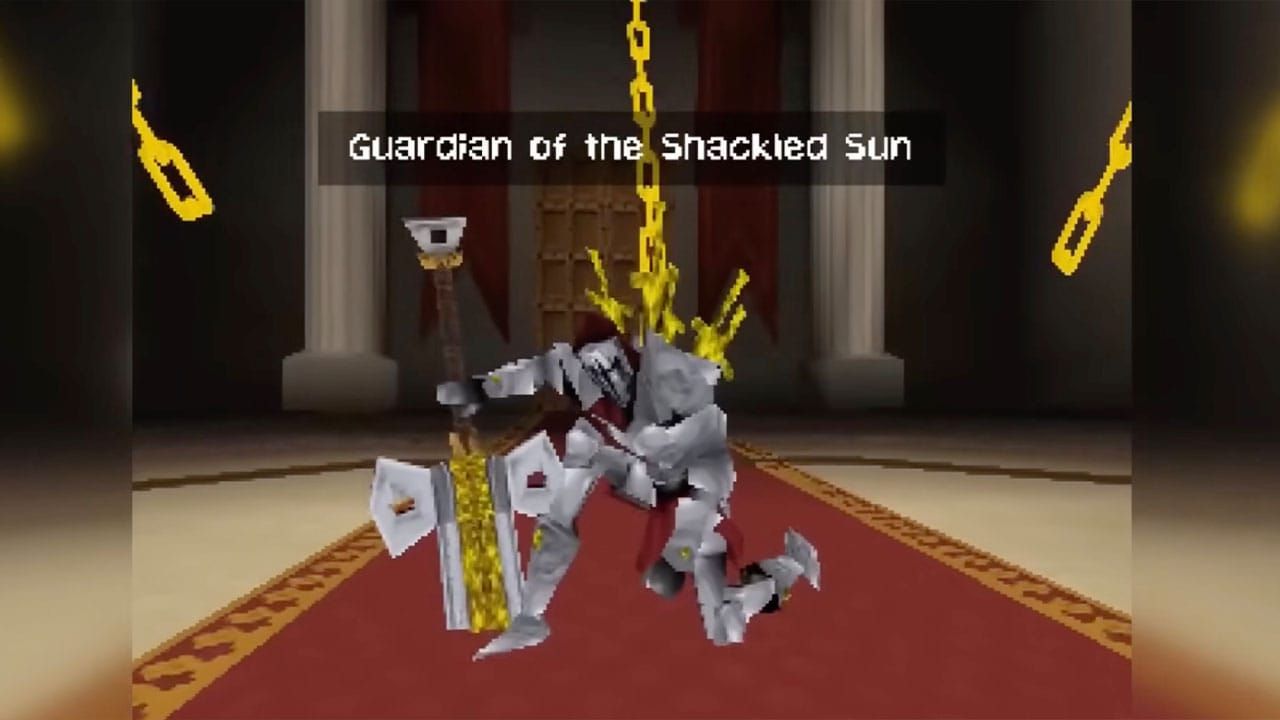
The resulting demo, titled "Pandemonium," features a boss battle that pays homage to the formidable encounters within Elden Ring. The visual style deliberately evokes the characteristic low-polygon count, textured environments, and unique graphical filters of the N64. This includes the distinctive "fog of war" effect and the characteristic dithering patterns often seen in games of that generation. The gameplay mechanics, while simplified to suit the N64’s input capabilities and processing power, retain the core essence of Elden Ring’s combat, including dodging, attacking, and strategic maneuvering.
Beyond the direct inspiration from Elden Ring, BoxingBruin has ingeniously woven in subtle nods to other beloved Nintendo 64 titles, most notably "The Legend of Zelda: Ocarina of Time" and "The Legend of Zelda: Majora’s Mask." The name of the boss encounter, "Dawn of the First Month," is a clear and affectionate reference to Majora’s Mask’s iconic in-game timer and narrative structure. These Easter eggs underscore BoxingBruin’s deep appreciation for the N64’s gaming legacy and its profound influence on their creative process. Such meticulous attention to detail has resonated deeply with players who share this nostalgic connection.

The technical execution of "Pandemonium" is a testament to BoxingBruin’s expertise. The project encompasses not only the visual assets and combat logic but also an original soundtrack that complements the epic scale of the boss fight. The developer and their collaborator, whose identity is also not publicly disclosed, were responsible for every facet of the creation, from the character controls to the atmospheric audio design. The game is designed to be playable on original Nintendo 64 hardware, a remarkable achievement that further solidifies its retro authenticity. It is also compatible with the Ares emulator, a modern software designed to accurately replicate the N64’s functionality.
Community Reaction and Future Prospects
The release of the "Pandemonium" video on YouTube has elicited an overwhelmingly positive response from the gaming community. The comment sections have been flooded with expressions of admiration for BoxingBruin’s talent and dedication. Many viewers have conveyed a strong desire to see a full-fledged game developed in this style, with numerous individuals stating that they would have been captivated by such a title during the N64’s original lifespan in the late 1990s. This sentiment highlights a potential market for high-quality, retro-inspired games that capture the spirit of a bygone era while offering modern gameplay sensibilities.
While "Pandemonium" is currently a standalone boss battle demo, BoxingBruin is actively engaged in developing new projects. Their current undertaking is a game tentatively titled "Pickle64," which has been described as bearing a visual and thematic resemblance to titles such as "40 Winks" and "Banjo-Kazooie." This suggests a continued focus on character-driven platforming and adventure games with a distinct retro aesthetic. Fans eager to stay informed about BoxingBruin’s ongoing work can join their official Discord server, a platform where the developer frequently shares updates and interacts with their growing community.
The success of "Pandemonium" can be analyzed through several lenses. Firstly, it demonstrates the enduring appeal of the Nintendo 64 as a platform. Despite its age, the console continues to hold a special place in the hearts of many gamers, who are drawn to its unique technological limitations and the distinct gaming experiences it offered. Secondly, it highlights the power of independent game development and the accessibility of modern game development tools that allow creators to bring ambitious visions to life. The fact that BoxingBruin was able to achieve this level of quality within a two-month game jam is a testament to their skill and the efficacy of the development environment they utilized.
Furthermore, the project taps into a broader trend of nostalgia in the entertainment industry. As audiences age, there is a natural inclination to revisit the media that shaped their formative years. This nostalgia is not merely about sentimentality; it is often coupled with an appreciation for the design philosophies and artistic styles that characterized those earlier periods. In the case of video games, this translates to a demand for experiences that evoke the tactile feel, visual aesthetics, and gameplay challenges of classic consoles.
The implications of BoxingBruin’s achievement extend beyond individual appreciation. It serves as an inspiration to aspiring game developers, proving that passion, dedication, and technical proficiency can lead to significant recognition, even without the backing of a major publisher. The widespread positive reception also signals to the industry that there is a viable audience for games that embrace retro aesthetics and design principles, potentially encouraging further exploration of this niche within the broader gaming market.
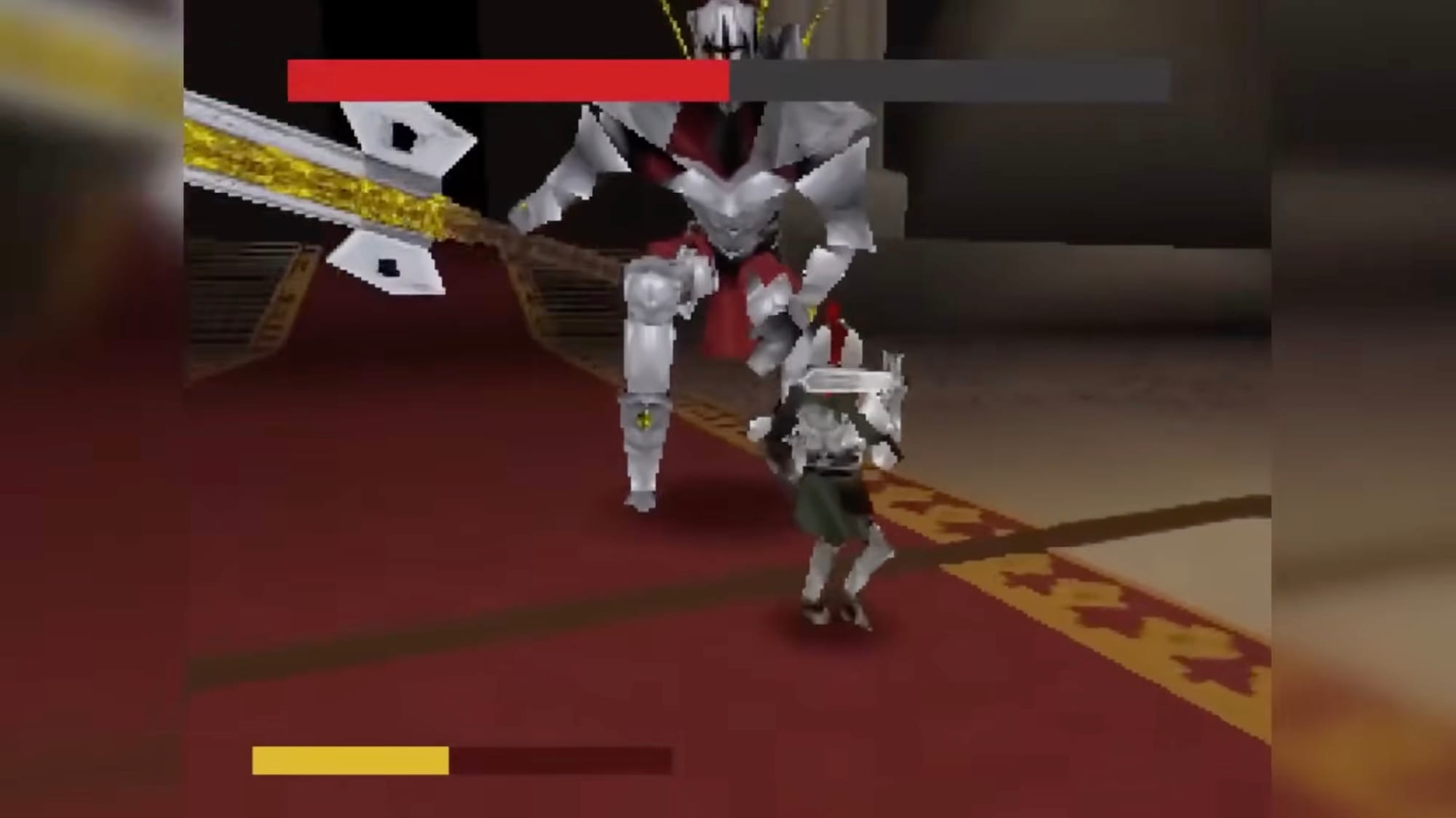
The ability to play "Pandemonium" on original N64 hardware is a particularly significant detail. It caters to a dedicated segment of the retro gaming community that values authenticity and the tangible experience of playing games on original consoles. This commitment to hardware compatibility adds a layer of legitimacy and appeal to the project, setting it apart from purely emulation-based endeavors. The fact that the game is specifically designed to function on the N64 and the Ares emulator, and not on more general PC-based emulators, further emphasizes this commitment to a specific retro experience.
In conclusion, BoxingBruin’s Elden Ring reimagining for the Nintendo 64, "Pandemonium," represents more than just a fan project. It is a confluence of technical skill, artistic vision, and a deep understanding of gaming history. Its remarkable success underscores the enduring legacy of the Nintendo 64 and the vibrant potential of independent game development to captivate audiences with innovative and nostalgic experiences. As BoxingBruin continues to evolve their craft with projects like "Pickle64," the gaming community will undoubtedly remain eager to witness their future contributions to the world of retro-inspired game design. The project has not only reignited a passion for the N64 but has also showcased the creative frontiers that can be explored by merging the past with the present in the realm of interactive entertainment.