Retno Hari Mulyono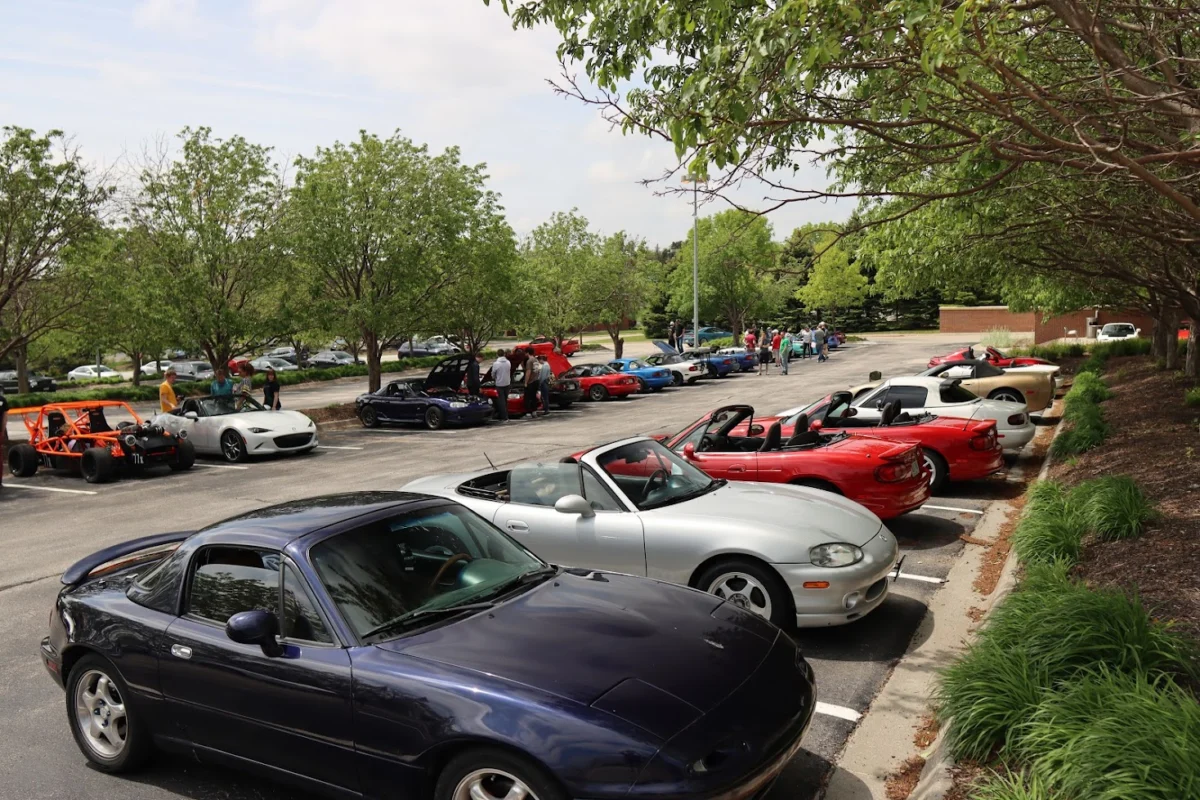
The acquisition and subsequent transformation of a 2000 Mazda MX-5 Miata, specifically the second-generation "NB" model, represents a significant case study in the modern automotive enthusiast landscape. Purchased in March 2021, the vehicle served as the primary subject for a year-long initiative focused on mechanical restoration, aesthetic modification, and performance optimization for competitive use. This trajectory from a stock, twenty-one-year-old roadster to a track-capable performance machine highlights the enduring appeal of the lightweight, rear-wheel-drive platform and the robust aftermarket ecosystem that supports it. Over the course of twelve months, the project navigated the complexities of high-mileage maintenance, the nuances of DIY aerodynamic and cosmetic alterations, and the rigorous demands of closed-course motorsport, providing a comprehensive look at the lifecycle of a dedicated project vehicle.
The Foundation: Acquisition and Mechanical Baseline
The project commenced on March 19, 2021, with the purchase of a 2000 Mazda Miata. The NB generation, produced between 1998 and 2005, is often cited by automotive historians as a refinement of the original NA platform. While it lacks the iconic "pop-up" headlights of its predecessor, the NB offers increased chassis rigidity and a more powerful iteration of the Mazda B engine. The specific unit acquired featured the BP4W engine, a 1.8-liter inline-four cylinder power plant known for its reliability and "non-interference" design—a critical safety feature where the pistons and valves do not occupy the same space, preventing catastrophic engine failure should the timing belt snap.
Initial impressions of the vehicle underscored the fundamental philosophy of the MX-5: a focus on "Jinba Ittai," or the oneness of horse and rider. Despite a modest factory output of approximately 140 horsepower, the vehicle’s low curb weight—roughly 2,300 pounds—provided a raw, tactile driving experience often absent in contemporary sports cars burdened by electronic assists and increased mass.
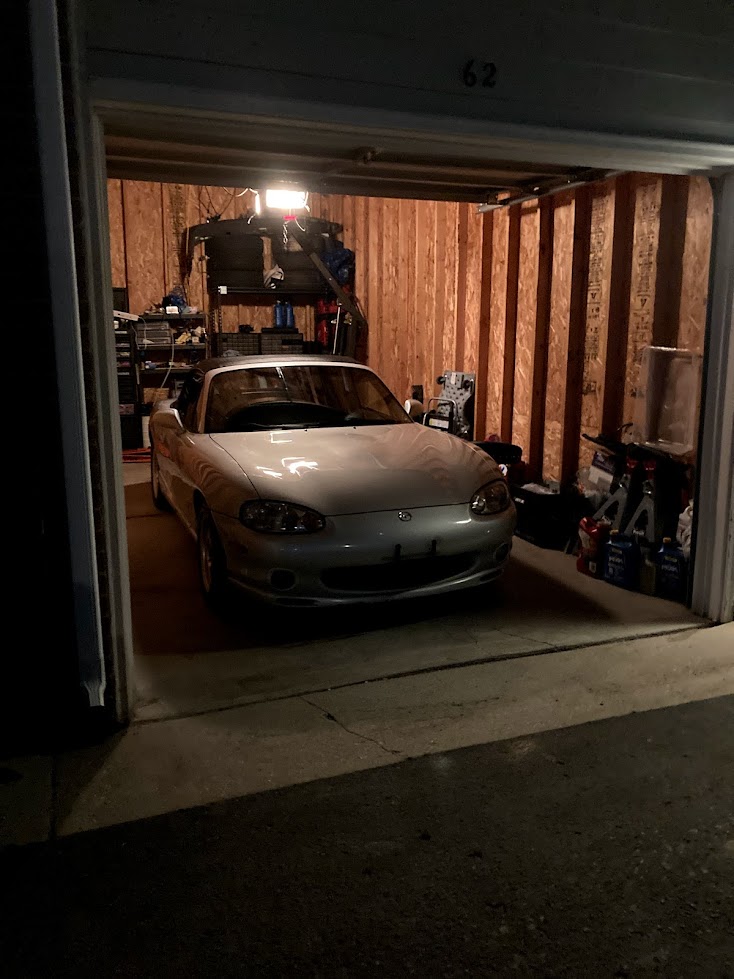
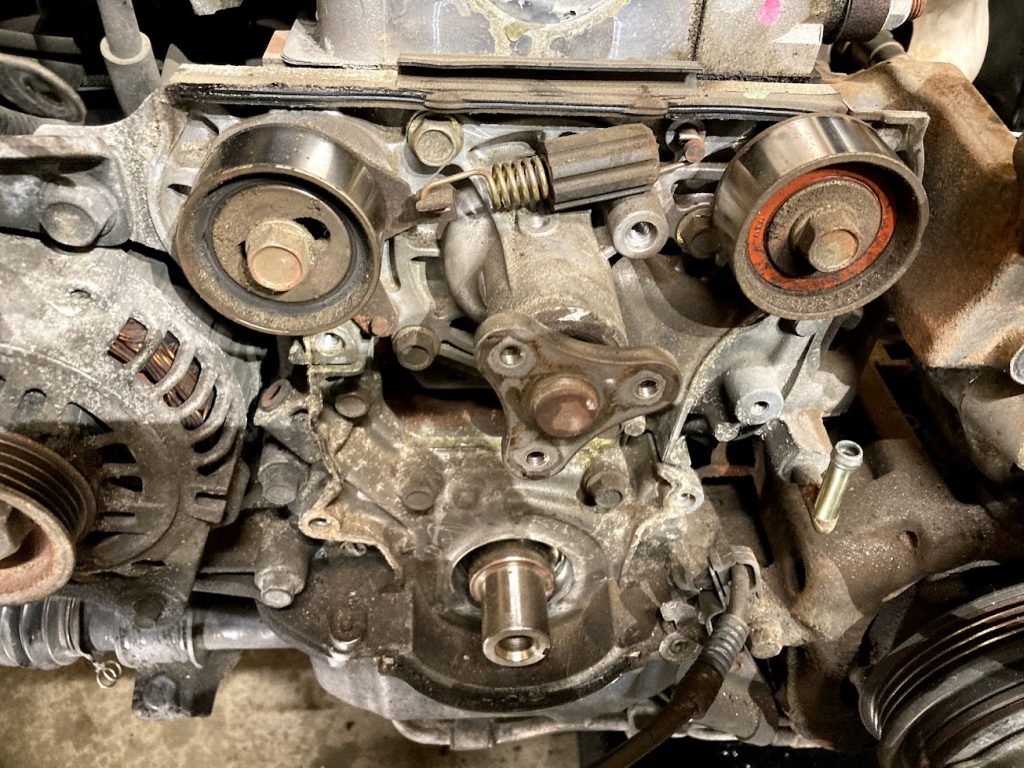
However, the lack of a documented maintenance history necessitated an immediate shift toward mechanical stabilization. In April 2021, the vehicle underwent a comprehensive baseline service. This phase is considered mandatory for any high-mileage enthusiast vehicle to ensure a "known good" state before performance limits are tested. Technical tasks included the inspection of the timing assembly, fluid flushes, and the replacement of wear items. By addressing these foundational concerns, the owner mitigated the risk of roadside failure and established a reliable platform for the performance modifications that would follow.
Community Integration and Exhaust Optimization
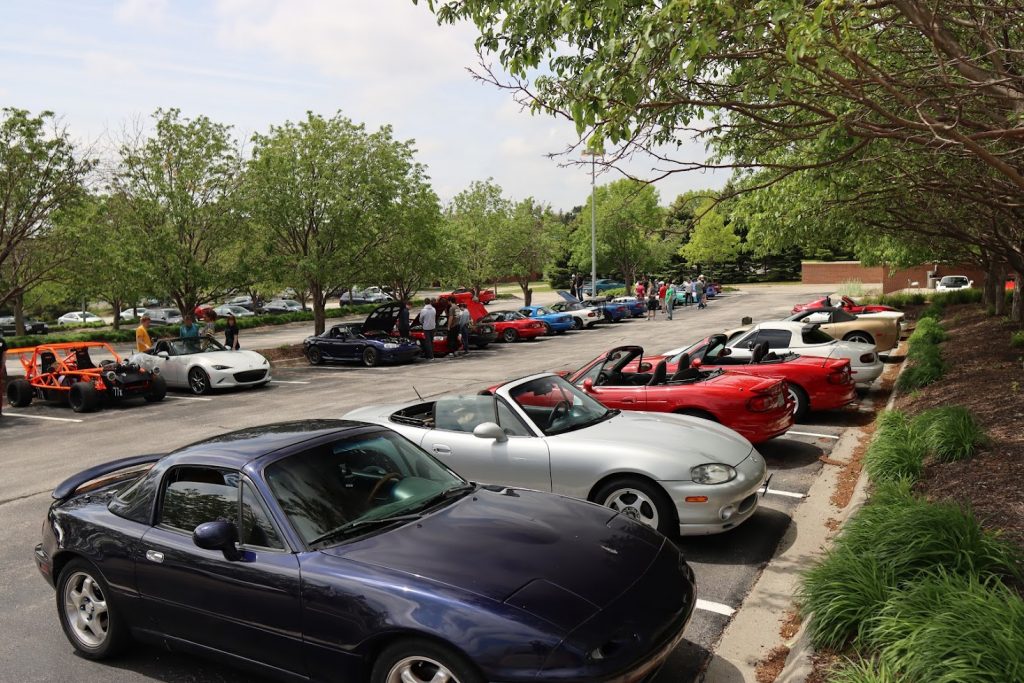
By May 2021, the project transitioned from the garage to the broader enthusiast community. Attendance at regional Miata-specific gatherings provided a benchmarking opportunity, allowing for the observation of various modification paths, including forced induction (turbocharging and supercharging) and engine swaps, such as the V8-powered Exocet kit cars. These interactions reinforce the Miata’s status as one of the most versatile platforms in automotive history, capable of serving as a daily driver, a show car, or a dedicated racing implement.
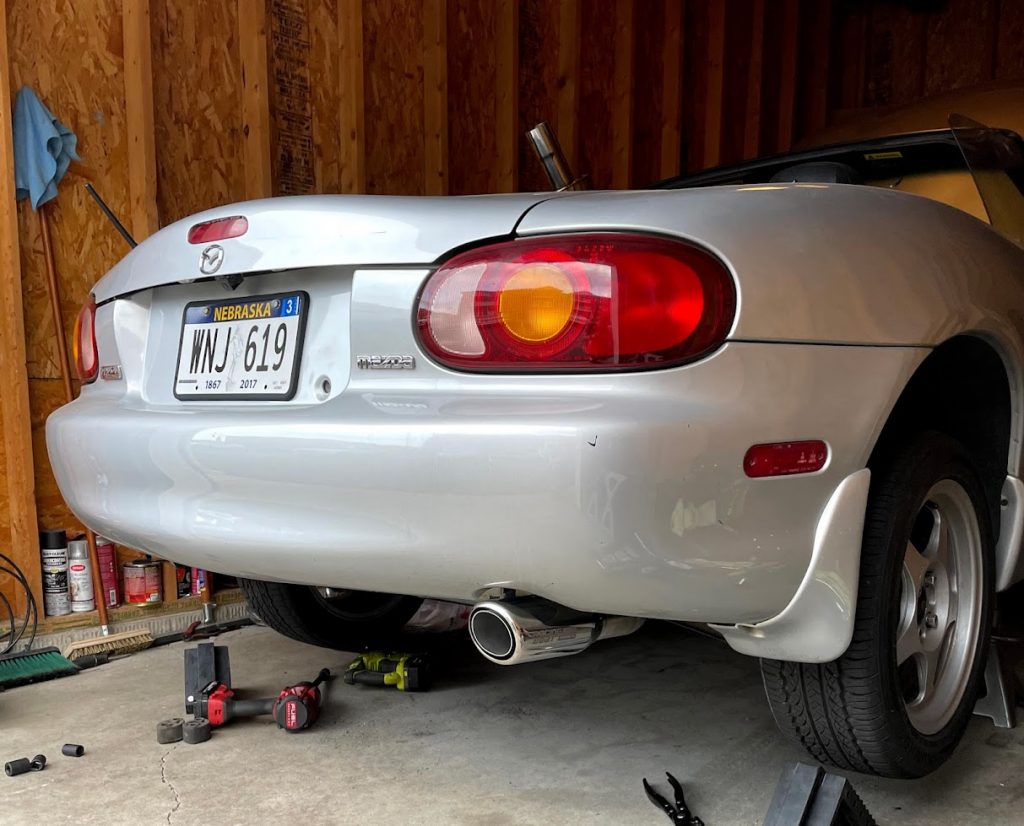
In June 2021, the focus shifted to the vehicle’s breathing and acoustic profile. The factory exhaust system, plagued by two decades of heat cycles and rust, was replaced with a curated selection of aftermarket components. The upgrade included a Raceland header, a Cobalt midpipe, and a Racing Beat Power Pulse muffler. This configuration was selected to achieve a balance between increased exhaust flow and a sophisticated tonal quality without the "drone" often associated with cheaper, straight-through designs.
The installation process highlighted a common challenge in DIY automotive work: the integration of emissions components. A failure to properly reconnect the Exhaust Gas Recirculation (EGR) pipe resulted in persistent engine fault codes, illustrating the precision required when modifying vehicles equipped with OBD-II (On-Board Diagnostics) systems. This period served as a reminder that performance gains often come with increased maintenance complexity.
Aesthetic Evolution: The Transition to Yellow
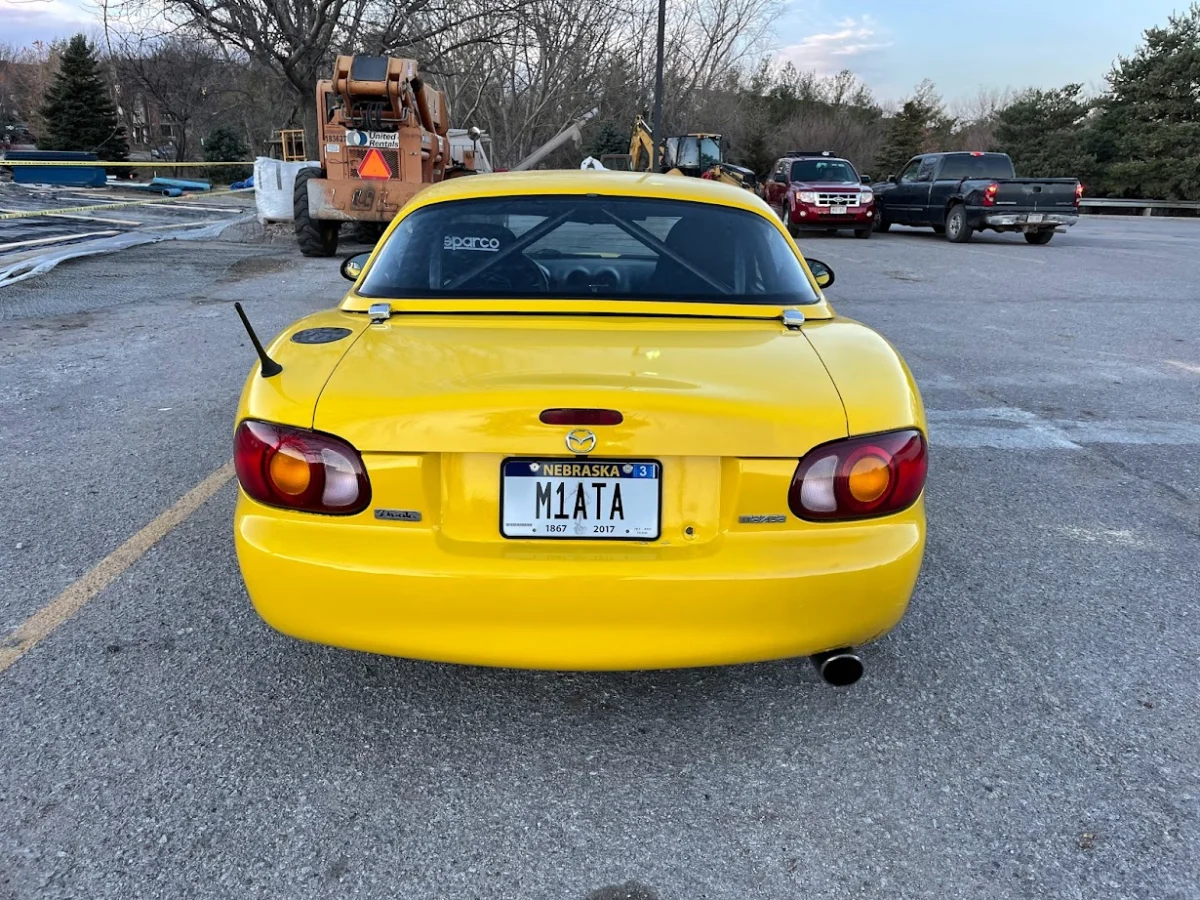
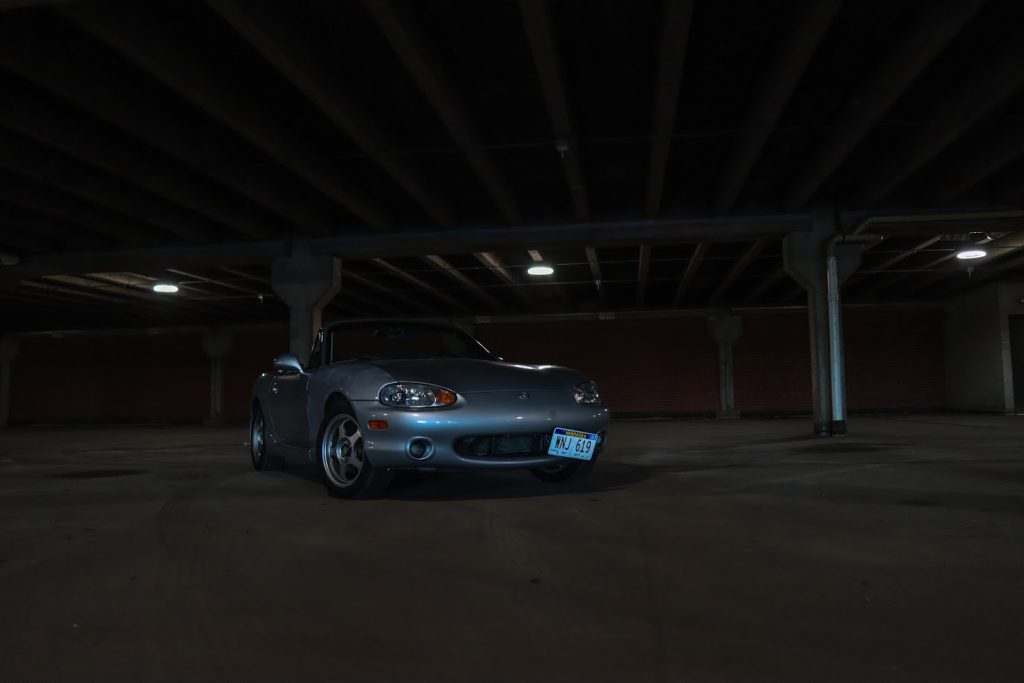
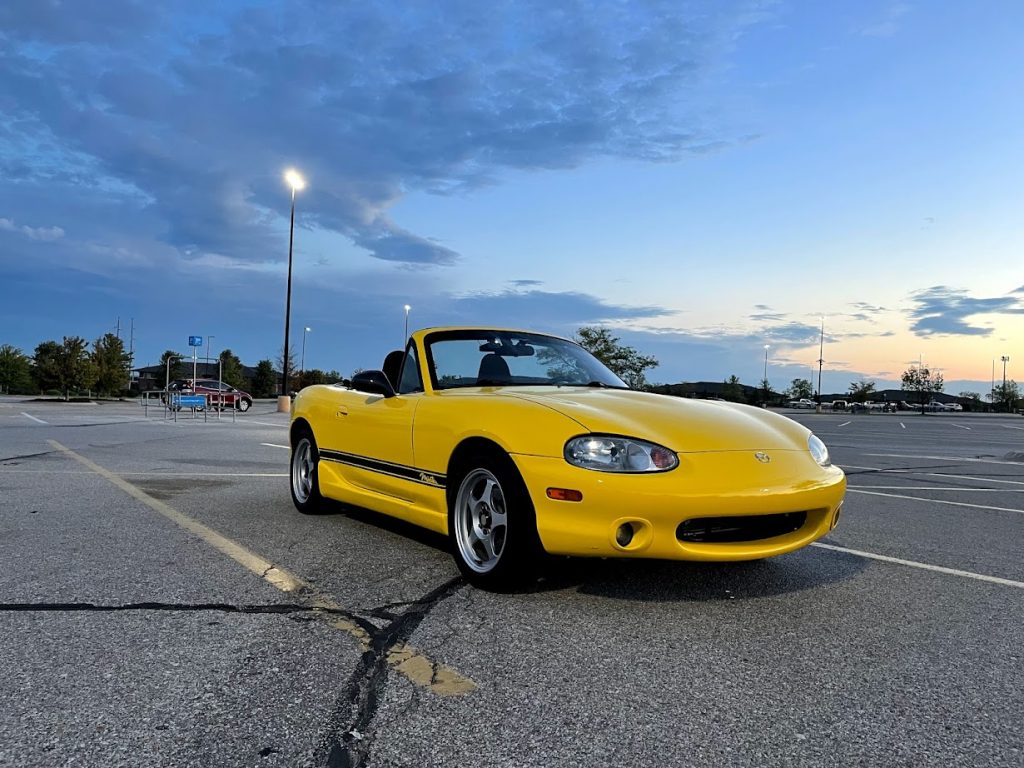
The summer of 2021 marked a dramatic shift in the vehicle’s visual identity. Originally finished in Highlight Silver, the car underwent a full exterior color change in July and August. Rather than a traditional respray, which can be cost-prohibitive and permanent, the owner opted for a vinyl wrap in a vibrant yellow hue.
Before the wrap could be applied, structural and surface imperfections had to be addressed. This included replacing a dented front fender with a replacement part that was "rattle-can" painted to create a smooth substrate for the vinyl. The transition to yellow was completed by August, fundamentally altering the vehicle’s road presence. In the enthusiast market, color often dictates the "personality" of a car; while silver is viewed as understated and professional, yellow aligns with the Miata’s playful, performance-oriented reputation. This cosmetic overhaul demonstrated the efficacy of modern vinyl technology in revitalizing aging paintwork while protecting the underlying metal from environmental hazards.
Dynamic Testing: Track Days and Autocross
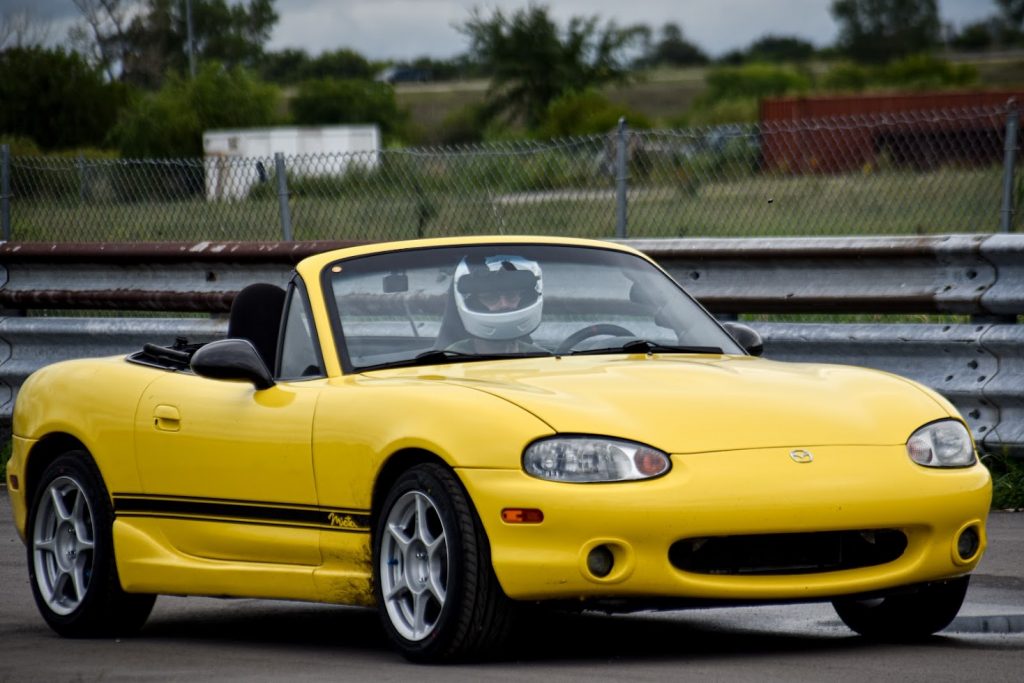
The true test of the vehicle’s mechanical integrity and the owner’s engineering choices occurred in the autumn of 2021. In September, the Miata debuted at its first track day at Raceway Park of the Midlands. Track driving subjects a vehicle to extreme thermal and mechanical stresses, particularly on the braking system and engine cooling circuits. The Miata’s performance during this event validated the earlier emphasis on baseline maintenance and served as a catalyst for future suspension and safety upgrades.
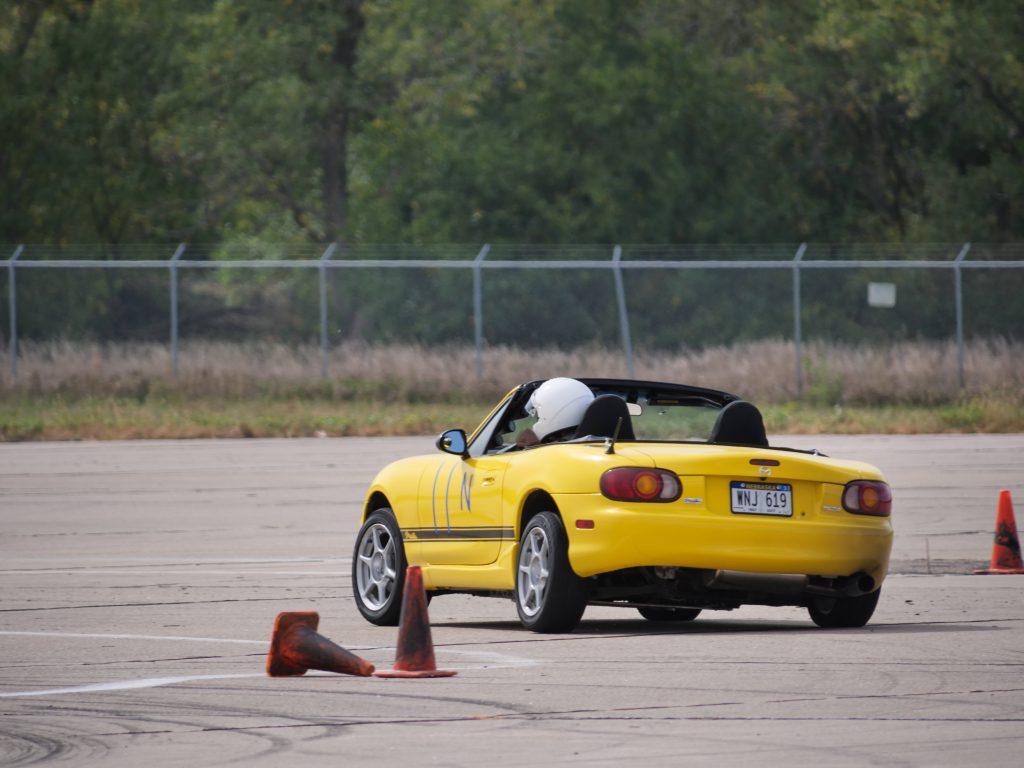
In October, the vehicle participated in its second autocross event. Unlike high-speed track days, autocross focuses on low-speed technical handling and transitional stability within a course defined by traffic cones. These events are highly regarded in the automotive community for their accessibility and lower cost of entry. The Miata, with its short wheelbase and 50/50 weight distribution, is a perennial favorite in SCCA (Sports Car Club of America) Solo competition. These competitive outings provided critical data on the vehicle’s handling characteristics, identifying the need for a more aggressive suspension geometry and improved driver restraint systems.
Winter Engineering and Major Mechanical Overhauls
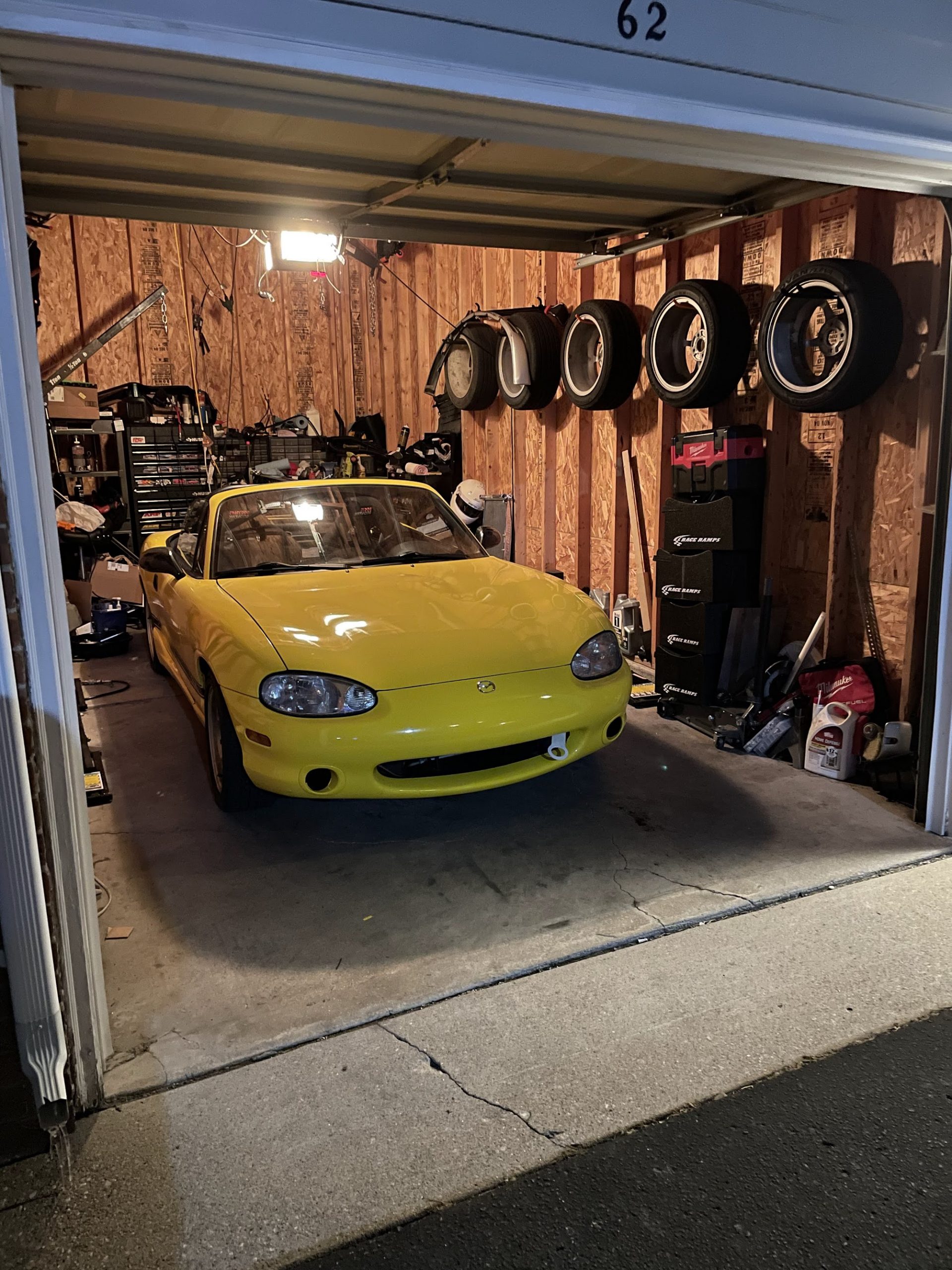
As temperatures dropped in late 2021, the project entered a phase of preventative storage and deep mechanical work. In the Midwestern United States, particularly Nebraska, the use of road salt during winter poses an existential threat to Japanese steel from the early 2000s. The NB Miata is notably susceptible to "rocker rust" and frame rail corrosion. To preserve the chassis, the vehicle was largely withdrawn from daily use during the winter months, though an unusually mild December allowed for a brief period of driving following a suspension refresh.
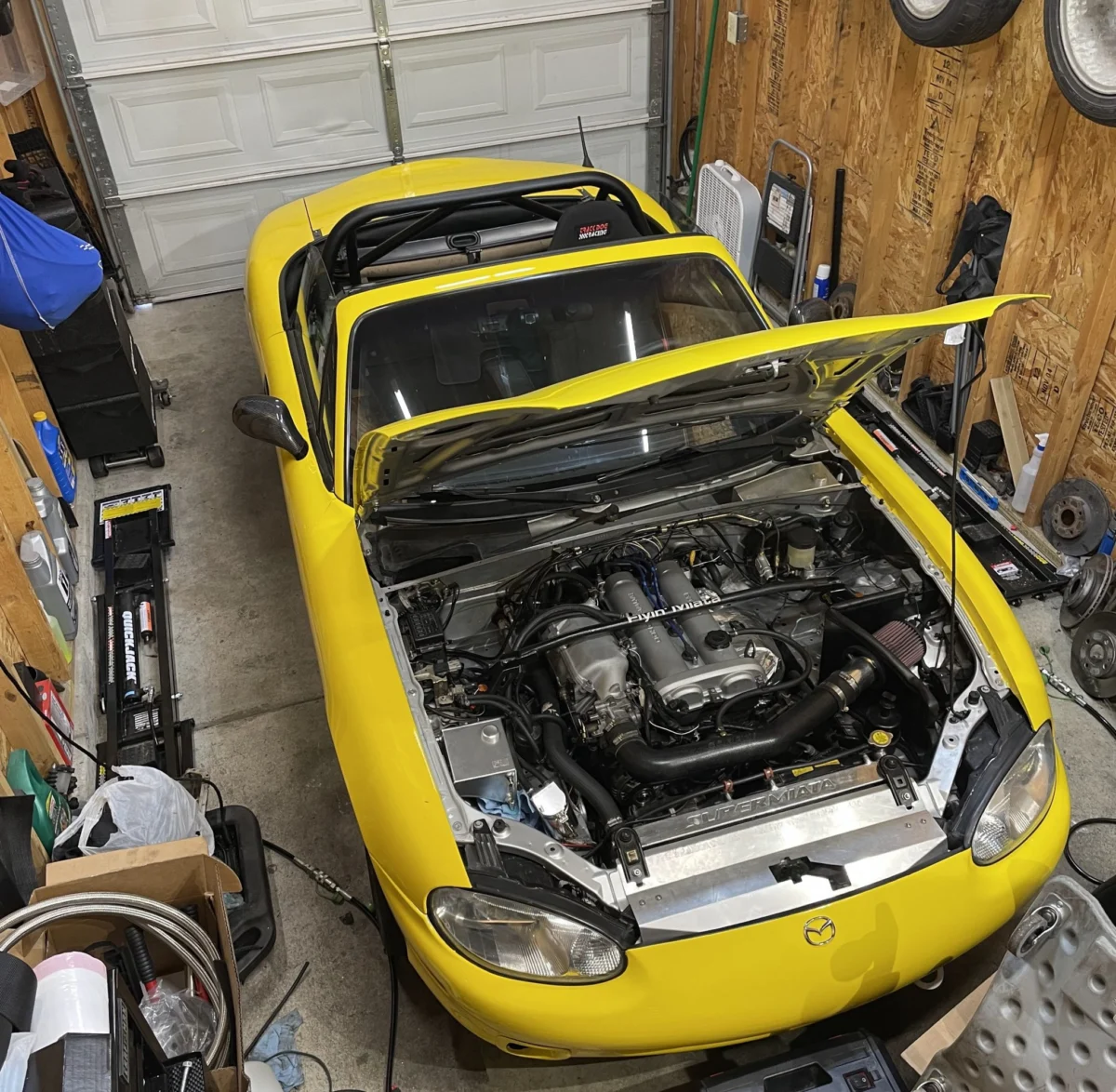
January 2022 saw the most intensive mechanical undertaking of the year: an "engine-out" service. While the BP4W engine is robust, age-related seal failures are common. With the engine removed, the owner was able to address a leaking rear main seal and a stripped oil drain plug—tasks that are significantly more difficult with the engine in the chassis.
Furthermore, a "coolant reroute" was installed. This is a common modification for the Mazda B engine, which was originally designed for a front-wheel-drive application. In the rear-wheel-drive Miata configuration, the factory cooling path results in the rear cylinders (specifically cylinder #4) running hotter than the front. By rerouting the coolant flow to exit from the rear of the head, the modification ensures more uniform temperature distribution across the engine block, a vital upgrade for sustained high-RPM track use.
Safety Synchronization and Final Preparations
As the one-year anniversary approached in February 2022, the focus shifted to driver safety and precision tuning. The rigors of track driving necessitated the installation of Track Dog Racing UltraShield Rally Sport seats and six-point racing harnesses. These components are designed to keep the driver fixed in position during high-G cornering, improving both safety and tactile feedback.
A critical safety metric for convertible track cars is the "broomstick test," which requires the driver’s helmet to sit below a theoretical line drawn from the top of the roll bar to the front structural members of the car. Achieving this clearance in a small cabin like the Miata’s often requires mounting seats directly to the floor.
The year concluded with a DIY alignment. Using manual measurement tools, the owner adjusted the caster, camber, and toe settings to optimize the contact patch of the tires during aggressive cornering. While professional laser alignments offer higher precision, the ability to perform "string alignments" at home is a valued skill in the amateur racing community, allowing for quick adjustments between track sessions.
Conclusion: The Impact of the Twelve-Month Evolution
The first year of owning and modifying the 2000 Mazda Miata NB illustrates the symbiotic relationship between an enthusiast and their machine. Through a systematic approach—beginning with reliability, moving through aesthetic personalization, and culminating in competitive optimization—the project has successfully transformed a depreciated used car into a specialized performance tool.
Data from the used car market suggests that well-maintained and tastefully modified NB Miatas are beginning to appreciate in value as the "Radwood" era of 1980s and 90s cars gains mainstream collector status. However, for the dedicated enthusiast, the value lies not in the potential resale, but in the technical knowledge gained and the thrill of the drive. As the project enters its second year, the foundation is set for even more ambitious modifications, proving that in the world of automotive performance, the Miata remains a premier choice for those who value engagement over raw statistics.