Cecilia Chamidah Nur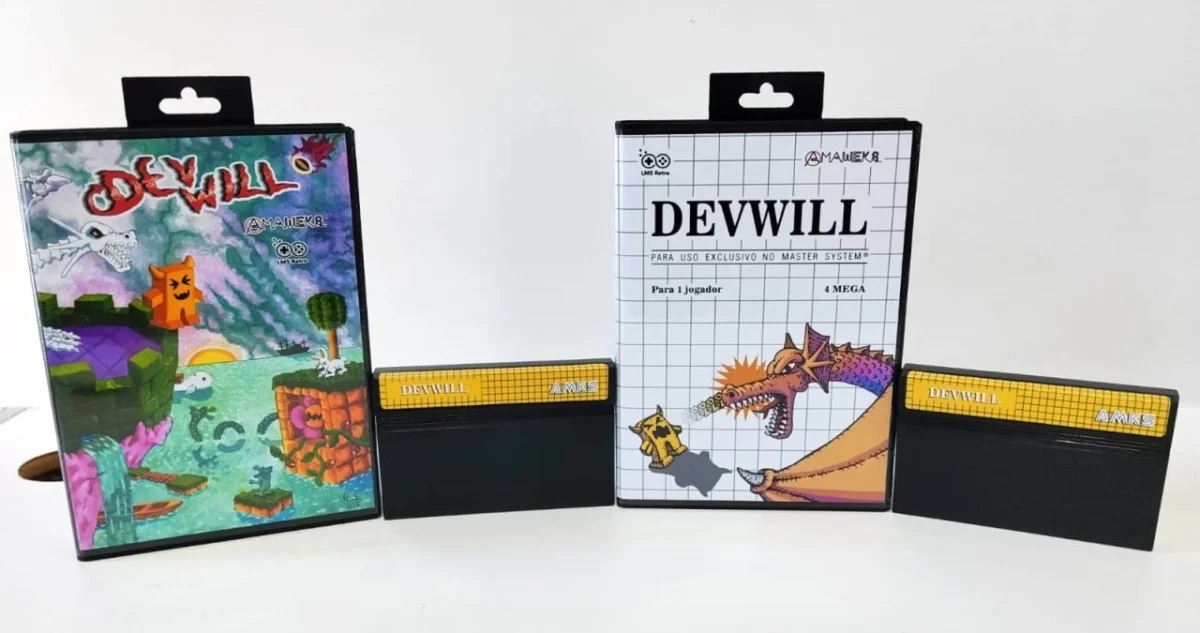
The enduring allure of classic gaming hardware continues to captivate developers and enthusiasts alike, with the Sega Master System, a console that first graced living rooms roughly 40 years ago, demonstrating remarkable longevity through a vibrant homebrew community. This dedicated network of creators tirelessly works to breathe new life into the 8-bit machine, consistently delivering a steady stream of innovative releases that defy the console’s age. Among the latest and most intriguing projects to emerge is a physical cartridge port of Devwill, an arcade-style platformer developed by Brazilian illustrator and homebrew enthusiast Amaweks, slated for release in August 2026. This announcement not only underscores the Master System’s unwavering relevance but also highlights a broader cultural movement within gaming that cherishes artisanal craftsmanship and the preservation of retro aesthetics.
The forthcoming Devwill Master System port represents a significant milestone, transitioning a critically noted PC title from 2017 into a tangible, collectible format for a console from a bygone era. The game will see a Brazilian launch on August 5th, 2026, facilitated by LMS Retro, with a subsequent European release managed by Teknamic. A particular point of emphasis from Amaweks, the game’s sole developer, is the accompanying manual: a vibrant, hand-drawn artifact explicitly stated to be free of any AI involvement, crafted "the old school way by the developer and publisher." This detail resonates profoundly in an age increasingly grappling with the ethics and implications of artificial intelligence in creative fields, positioning Devwill as a testament to human ingenuity and traditional artistry. To mark this exciting development, Amaweks has also unveiled a new trailer for the game, a creative blend of in-game footage and meticulously crafted stop-motion animation, personally developed over two days, further showcasing the developer’s multi-faceted talents and dedication.
The Genesis of an 8-bit Icon: The Sega Master System’s Enduring Legacy
To fully appreciate the significance of Devwill‘s Master System release, one must contextualize the console’s own journey. Originally launched in Japan in 1985 as the Sega Mark III, and subsequently in North America and Europe in 1986 as the Master System, Sega’s 8-bit contender faced an uphill battle against Nintendo’s dominant Famicom/NES. Despite its technically superior hardware in some aspects—boasting a richer color palette (32 out of 64 on-screen, compared to the NES’s 25 out of 54) and more advanced sprite capabilities (allowing for larger sprites and more on-screen objects with less flicker)—the Master System struggled to gain significant market share in North America and Japan, primarily due to Nintendo’s aggressive licensing practices and early market penetration. Industry estimates place NES sales significantly higher globally, with Nintendo reportedly selling over 60 million units worldwide, while the Master System achieved around 10-13 million units globally.
However, the Master System found immense success and a devoted following in other regions, most notably Europe and Brazil. In Europe, the console sold considerably better than in North America, often outselling the NES in territories like the UK and France for periods. In Brazil, particularly, the console achieved legendary status, thanks to a robust partnership between Sega and Tec Toy, a local electronics company. Tec Toy not only manufactured and distributed the console but also localized games, developed exclusive titles (such as Sítio do Picapau Amarelo and Mônica no Castelo do Dragão), and continued to support the system long after Sega had shifted its focus to the 16-bit Mega Drive/Genesis. This prolonged lifespan and cultural embedding in territories like Brazil, where it reportedly sold over 8 million units, forged a deep-seated affection for the Master System, which continues to fuel its vibrant homebrew scene today.
The console’s library, while perhaps smaller than its rival, featured iconic titles such as Alex Kidd in Miracle World, Phantasy Star, and Wonder Boy III: The Dragon’s Trap. These games demonstrated the Master System’s capacity for engaging gameplay, memorable characters, and innovative design, establishing a distinct identity for Sega’s 8-bit machine. Today, this legacy serves as a powerful magnet for both veteran players seeking to relive cherished memories and new enthusiasts eager to explore the foundational elements of video game history. The relative simplicity of 8-bit architecture, combined with readily available emulation and development tools like the SMS Power! community’s development suite, creates an accessible entry point for aspiring homebrew developers, ensuring that the Master System’s story is continuously being written.
The Homebrew Renaissance: Keeping Retro Consoles Alive
The concept of "homebrew" in video gaming refers to software, typically games, created by independent developers for existing, often vintage, game consoles or platforms. This phenomenon is a cornerstone of retro gaming culture, serving multiple critical functions: it expands existing game libraries, offers modern interpretations of classic genres, pushes the technical boundaries of old hardware, and fundamentally, acts as a form of digital preservation and artistic expression. The Master System homebrew scene is a particularly active one, driven by a passionate community eager to explore the console’s potential. Forums like SMS Power! serve as central hubs for developers to share tools, discuss techniques, and showcase their latest projects, fostering a collaborative environment.
The original article highlights two significant examples of this burgeoning scene: Mighty Cuphead Adventure from Studio MDHR and the eagerly awaited shoot ’em up Razing Core. The involvement of Studio MDHR, the acclaimed developers behind the notoriously challenging and visually distinct Cuphead, in creating an 8-bit spin-off for the Master System is a remarkable testament to the console’s enduring appeal. This collaboration, which caught the industry by surprise, bridges contemporary indie development with retro platforms, injecting significant visibility and credibility into the homebrew movement. It signals a recognition from established studios that there is not only a market but also a creative joy in developing for older hardware. Such projects demonstrate that the interest in classic hardware transcends mere nostalgia; it represents a genuine appreciation for foundational game design and the unique challenges and opportunities presented by limited technical specifications. Razing Core, another highly anticipated title, further illustrates the community’s desire for new, high-quality experiences within beloved genres like the shoot ’em up, a staple of 8-bit and 16-bit gaming. These titles, alongside Devwill, collectively paint a picture of a console that, far from being a relic, is a dynamic platform for ongoing creative development.
Devwill’s Evolution: From PC Indie to 8-bit Cartridge
The journey of Devwill itself is a fascinating narrative of artistic vision and platform adaptation. The game’s origin lies in a 2017 PC release, where it quickly garnered attention for its distinctive aesthetic and gameplay. Developed entirely by Amaweks, the original Devwill was conceived as an arcade-style platformer, drawing visual inspiration from "old black-and-white movies." This unique stylistic choice imbues the game with a timeless, cinematic quality rarely seen in the pixel art landscape. The narrative, too, was unconventional, following a golem who mysteriously springs to life and embarks on an adventure to uncover his purpose, rebelling against his creator in the process. This existential quest was conveyed through silent-film-era-esque title cards, presenting the golem’s inner thoughts as a dramatic poem, adding layers of artistic depth to the platforming action. Players guided the golem through treacherous environments, battling undead foes with fireballs, all while collecting keys and solving environmental puzzles. The original PC version, available on platforms like itch.io, received positive feedback for its innovative presentation and challenging gameplay.
Amaweks’ affinity for retro platforms became even more apparent with the 2019 follow-up, Devwill Too, which notably launched for the Sega Mega Drive (known as Genesis in North America), alongside other platforms. This sequel underscored the developer’s commitment to classic console architectures and his ability to adapt his unique vision to different hardware capabilities. Prior to the current Master System port, Devwill had already flirted with Sega’s 8-bit and 16-bit systems through other community efforts. There was an unfinished Sega Genesis/Mega Drive port, indicating a sustained interest in bringing the original experience to Sega’s classic machines. Furthermore, a Master System ROM hack of Alex Kidd in Miracle World featuring Devwill elements existed, demonstrating the community’s early experimentation with integrating Amaweks’ creation into existing Master System frameworks. ROM hacks, in the homebrew context, are modified versions of existing game ROMs, often used by enthusiasts to create new levels, characters, or even entirely new games using the original game’s engine as a base. These prior iterations, though not official releases, paved the way for the current, fully-fledged cartridge version, proving the game’s inherent suitability for classic hardware and the community’s long-standing desire for it.
The Anticipated Cartridge Release: Details and Artistic Integrity
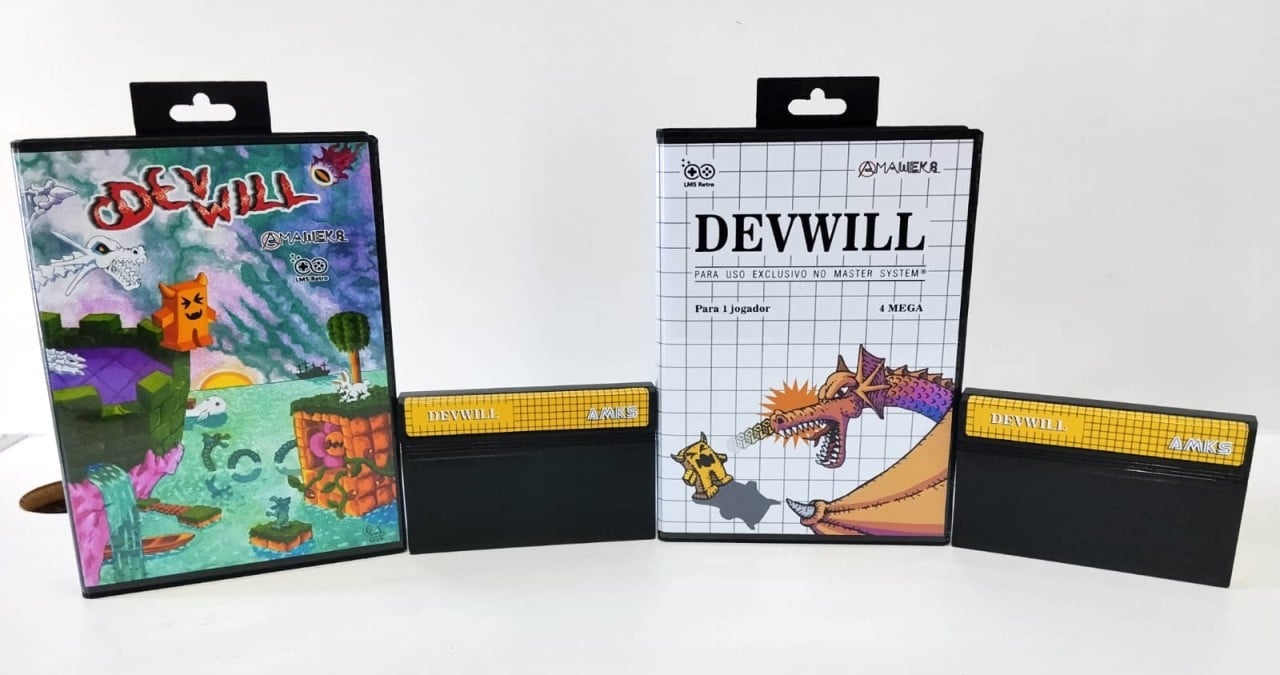
The official announcement of Devwill‘s physical cartridge release for the Sega Master System, disseminated via Twitter/X, has generated considerable excitement within the retro gaming community. The August 5th, 2026 launch date for the Brazilian market, handled by LMS Retro, signifies a strategic move to cater to one of the Master System’s most dedicated fanbases. The subsequent European release through Teknamic ensures broader international availability, acknowledging the console’s widespread popularity across the continent. These distribution partnerships are crucial, as they leverage established networks within the retro hardware and homebrew publishing scene to reach enthusiasts globally.
A standout feature of this physical release, and one that Amaweks has particularly highlighted, is the inclusion of a colourful, hand-drawn manual. The explicit declaration that this manual uses "no AI" and was "made the old school way by the developer and publisher" is a powerful statement in today’s creative landscape. This emphasis on human artistry speaks to a growing concern within creative industries regarding the proliferation of AI-generated content, which can raise questions about authorship, intellectual property, and the value of human skill. By consciously opting for traditional methods, Amaweks not only assures authenticity but also champions the value of human skill, effort, and unique artistic fingerprint. This decision aligns with the broader ethos of the homebrew scene, where the challenge and satisfaction of creating within constraints, using traditional methods, are highly valued. It positions Devwill not just as a game, but as a handcrafted artifact, enhancing its appeal to collectors and purists who appreciate the tangible results of dedicated human labor.

Further underscoring Amaweks’ dedication to traditional craftsmanship is the promotional trailer for the game. This short video is a masterful blend of in-game footage and custom stop-motion animation, personally created by the developer over a two-day period. Stop-motion, an intricate and time-consuming animation technique that involves physically manipulating objects frame by frame, requires immense patience and attention to detail. Its inclusion in the trailer is a vivid demonstration of Amaweks’ artistic range and his commitment to producing a holistic, handcrafted experience around Devwill, from the game itself to its supplementary materials and promotional content. This approach resonates deeply with a community that values the effort and personal touch behind creative endeavors.
The Significance of Physical Releases in a Digital Age
In an era dominated by digital downloads and subscription services, where games often exist as intangible licenses rather than physical objects, the decision to release Devwill on a physical Master System cartridge carries profound significance for the retro gaming community. Physical releases offer several advantages that resonate deeply with collectors and enthusiasts:
- Authenticity and Collectibility: A physical cartridge provides an authentic experience, mirroring how games were originally consumed on these consoles. For collectors, it represents a tangible piece of gaming history, often appreciating in value and becoming a cherished part of a collection. The act of inserting a cartridge, rather than selecting a digital file, evokes a sense of nostalgia and ritual, connecting players to the past.
- Preservation: Digital storefronts are ephemeral; games can be delisted, and platforms can be shut down, leading to the potential loss of digital titles. While physical media is not impervious to degradation, it offers a more robust form of preservation, ensuring that games remain playable for future generations, independent of online services or corporate decisions. This is a critical concern for gaming archivists and historians.
- Support for Homebrew Developers: Purchasing a physical cartridge directly supports the independent developers and small publishers who pour countless hours into creating these passion projects. It provides a sustainable model for the homebrew scene, encouraging continued innovation and creation by offering a direct revenue stream that values their unique contributions.
- Artistic Statement: As seen with Devwill‘s hand-drawn manual and custom packaging, a physical release allows for additional artistic expression beyond the game itself, transforming the entire product into a curated work of art. The packaging, manual, and cartridge design become integral parts of the overall experience, enhancing its appeal and value.
LMS Retro and Teknamic, as publishers for this release, play a crucial role in bridging the gap between independent development and physical distribution. They handle the manufacturing, logistics, and marketing, enabling creators like Amaweks to focus on their artistic endeavors while bringing these unique projects to a wider audience. Their involvement signifies the growing professionalism and commercial viability of the retro homebrew market, which has matured from hobbyist endeavors into a legitimate niche industry.
Amaweks: A Visionary in the Homebrew Landscape
Amaweks, as the sole developer behind Devwill, stands as a prime example of the visionary talent thriving within the homebrew community. His background as an illustrator is undeniably evident in Devwill‘s distinctive black-and-white, silent-film-inspired aesthetic, showcasing a deliberate and unique artistic vision. His decision to blend this style with the narrative structure of a dramatic poem, conveyed through title cards, pushes the boundaries of storytelling within the arcade platformer genre, proving that visual and narrative innovation can exist independently of cutting-edge graphics.
His consistent return to retro platforms, from the PC original to the Mega Drive sequel and now the Master System port, reveals a deep-seated passion for classic hardware and its unique creative constraints. This isn’t merely about porting; it’s about reinterpreting and adapting an artistic vision to different technological limitations, a challenge that many modern developers might shy away from. Amaweks’ hands-on approach, from crafting the game’s visuals and code to designing the manual and producing the trailer, underscores a holistic commitment to his projects. His inferred motivation is likely a blend of artistic expression, a deep love for retro gaming, the intellectual challenge of working with vintage hardware, and a desire to contribute meaningfully to the communities that cherish these systems. He is not just a programmer or an artist; he is a complete auteur, stewarding his creations through every stage of their development and presentation, embodying the spirit of independent game development.
Broader Implications for Retro Gaming and Preservation
The release of Devwill on the Sega Master System is more than just another game; it is a significant event within the broader landscape of retro gaming and digital preservation. It signifies that classic consoles are not merely museum pieces or objects of nostalgic longing but active platforms for contemporary creation. This ongoing influx of high-quality homebrew titles, supported by dedicated publishers and an enthusiastic player base, transforms the narrative around retro gaming. It shifts from a passive act of replaying old favorites to an active engagement with a living, evolving ecosystem. Projects like Devwill