Cecilia Chamidah Nur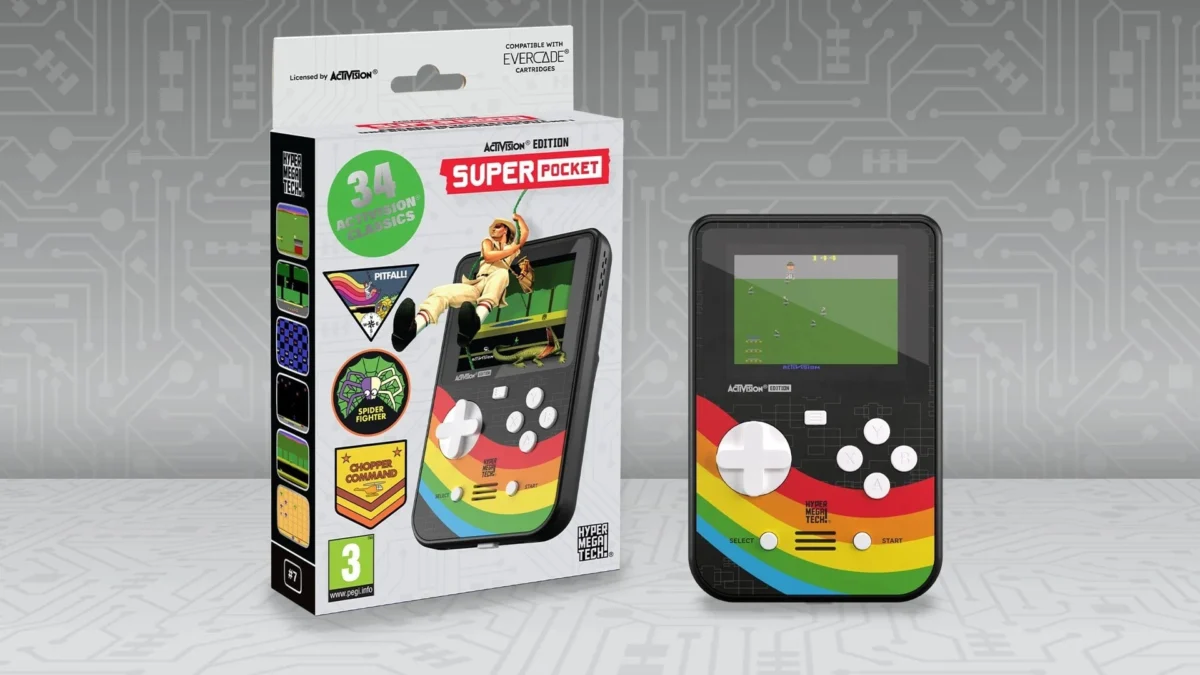
The past week, culminating on July 12th, 2026, has delivered a robust array of headlines for the retro gaming community, spanning revelations about long-lost titles, innovative new hardware, fan-driven preservation efforts, and significant industry shifts that will redefine the future of physical media. From unearthed historical curiosities to the latest in handheld gaming and a controversial move by a major console manufacturer, the landscape of classic and contemporary gaming converged in a series of impactful announcements.
One of the most significant discussions this week revolved around Sony’s confirmation regarding the cessation of physical media production for its PlayStation 5 console by 2028, with its successor, the PlayStation 6, slated to be a purely digital console. This move has ignited fervent debate among players, collectors, and industry analysts alike, signaling a profound shift in consumer access and game ownership paradigms.
Sony’s Digital Future: The End of Physical PlayStation Media
Sony Interactive Entertainment has officially announced its intention to cease the production of physical game discs for the PlayStation 5 by 2028. This pivotal decision aligns with the company’s long-term strategy to transition its console ecosystem entirely to digital distribution, with the forthcoming PlayStation 6 confirmed to launch as a digital-only platform. The news, which broke early in the week, immediately sparked a substantial "kerfuffle" across gaming communities worldwide.
The rationale behind Sony’s aggressive pivot towards an all-digital future is rooted in evolving market dynamics. For years, digital game sales have steadily eclipsed physical sales, a trend significantly accelerated by improved internet infrastructure and the convenience of direct downloads. Industry reports indicate that digital distribution now accounts for over 80% of PlayStation game sales globally, with physical media contributing a diminishing share to Sony’s bottom line. Manufacturing, shipping, and retail distribution costs associated with physical discs represent a considerable overhead that digital sales circumvent entirely, offering higher profit margins for publishers.
The immediate fallout from the announcement was dramatic. Online petitions quickly materialized, with one prominent petition garnering over 200,000 signatures in a matter of days, urging Sony to reconsider its decision. The sentiment "no disc, no buy" echoed across social media platforms, with many gamers expressing profound disappointment and concern. Voice actors from iconic series, including the legendary David Hayter, known for his portrayal of Solid Snake in the Metal Gear Solid series, even lent their voices to the chorus of dissent, highlighting the emotional attachment players have to physical collections.
Analysts, however, are largely unanimous in their assessment that Sony is unlikely to reverse course. Speaking on condition of anonymity, several industry insiders indicated that this decision has been years in the making and is a calculated strategic move. "They wait for this storm to pass," one analyst noted, suggesting that the initial wave of backlash is an anticipated part of the transition. The broader implications are extensive, impacting game preservation efforts, the resale market for used games, and the fundamental concept of game ownership. For many, physical media represents a tangible asset, a safeguard against server shutdowns or digital license revocations. The shift raises significant questions about the long-term accessibility of titles and the potential for a more volatile digital storefront ecosystem. For veteran gaming journalists, such as Damien, the news has evoked "conflicted feelings," acknowledging the convenience of digital while lamenting the cultural and archival loss of physical media. This development marks a watershed moment, pushing the industry further into a digital-first era with consequences that will unfold over the coming decade.
Project Phoenix: A Decade-Long Kickstarter Saga Continues, Targeting 2031
In a development that surprised many and reignited discussions about crowdfunding accountability, the infamous Kickstarter project Project Phoenix has confirmed it is back in active production, though its release date has been pushed to a staggering 2031. The JRPG, which garnered over $1 million in funding back in 2013, has been a poster child for crowdfunding delays and "vaporware" concerns for over a decade.
Launched during the height of the Kickstarter boom, Project Phoenix captivated backers with its ambitious vision: a Japanese indie RPG featuring "AAA talent," including Final Fantasy composer Nobuo Uematsu and Vagrant Story artist Hiroaki Yura at its helm. The campaign easily surpassed its initial $100,000 goal, ultimately raising $1,014,600 from enthusiastic supporters. However, the initial hype quickly gave way to prolonged silence, infrequent updates, and escalating skepticism as years passed without significant progress. The project became a cautionary tale in the crowdfunding landscape, often cited alongside other high-profile failures and delays.
In a recent interview with Video Games Chronicle (VGC), Hiroaki Yura, the project’s director, offered a candid explanation for the protracted development. Yura cited a myriad of challenges, including severe scope creep, which saw the game’s ambition expand far beyond its initial budget and team capabilities. There were also reported issues with team cohesion, key personnel changes, and significant financial mismanagement early in the project’s life, which depleted funds before substantial development could be completed. The initial promise of an all-star team proved difficult to maintain under the pressures of indie development and the complexities of coordinating international talent remotely.
The confirmation that the game is indeed still being worked on, albeit with an eight-year roadmap to completion, has elicited a mix of relief and renewed skepticism from its original backers. While some express cautious optimism that the game might eventually see the light of day, others question the relevance of a game conceptualized over 18 years prior to its new target release. The gaming industry, particularly the JRPG genre, evolves rapidly; a game designed in the early 2010s might struggle to find a contemporary audience in the 2030s, both aesthetically and mechanically. This extended timeline underscores the inherent risks and unpredictable nature of crowdfunding, particularly for projects with grand ambitions and limited oversight. The Project Phoenix saga serves as a continuous reminder of the delicate balance between creative vision, financial management, and transparent communication in game development.
A Glimpse into the Past: Hudson Soft’s Bizarre Super Mario Bros. "Spin-Off"
This week, retro enthusiasts delved into the intriguing history of Super Mario Bros. Special, a largely unknown variant of the original Super Mario Bros. game. Developed by Hudson Soft, this title represents a fascinating, albeit peculiar, chapter in Nintendo’s early third-party collaborations.
Super Mario Bros. Special was released in 1986, not on Nintendo’s burgeoning Famicom console, but on various Japanese home computers, including the NEC PC-8801 and Sharp X1. This unusual platform choice was a direct result of a cross-licensing agreement between Nintendo and Hudson Soft. Hudson, an early pioneer in the Japanese video game industry, had previously collaborated with Nintendo on Family BASIC, a programming environment for the Famicom. This relationship granted Hudson the unique privilege of developing versions of Nintendo’s intellectual property for non-Nintendo platforms in Japan.
Interviews with Takashi Takebe and Ichiro Sakurada, key figures involved in the game’s development, shed light on this oft-misunderstood title. They revealed the technical challenges of porting a Famicom game to less powerful or differently architected home computers. The resulting game is indeed "bizarre" to modern eyes. Due to the limitations of the target hardware, Super Mario Bros. Special features slower scrolling, significant screen tearing, and often requires screen-by-screen progression rather than smooth horizontal movement, fundamentally altering the fluid platforming experience of the original. Despite these technical quirks, Hudson Soft introduced unique level designs, new enemies, and even some exclusive power-ups, making it a distinct entity rather than a direct port.
Historically, Super Mario Bros. Special stands as a rare example of a first-party Nintendo franchise being developed by a third party for a non-Nintendo system. It offers a unique insight into the early days of console licensing and the creative solutions developers employed when faced with disparate hardware. While it never achieved the widespread recognition of its Famicom counterpart, it remains a coveted curiosity for retro game historians and collectors, highlighting the experimental nature of the nascent video game industry in the mid-1980s. Its existence underscores Hudson Soft’s pivotal role in shaping the early Japanese gaming landscape and its unique relationship with Nintendo.

New Hardware and Accessories: Activision Super Pocket and INIU Power Bank
The retro gaming hardware market continues its vibrant expansion with the announcement of a new Activision-themed Super Pocket handheld and the highly anticipated review of a robust power bank designed for modern portable consoles.
Blaze Entertainment’s HyperMegaTech sub-label unveiled the Activision Super Pocket, the latest addition to its line of compact retro gaming devices. Set to launch on September 28th, this new model comes pre-loaded with an impressive collection of 34 classic Atari home console titles, appealing directly to fans of early console gaming. Priced at £59.99 / $69.99 / €69.99, the device offers a curated library in a portable format, with pre-orders now officially open. The Super Pocket series, alongside Blaze’s Evercade line, has carved a niche by offering officially licensed retro game collections in dedicated hardware, often bridging the gap between digital emulation and physical collecting.
However, the week also brought less favorable news for Evercade and Super Pocket enthusiasts. Blaze confirmed that prices for both Evercade cartridges and Super Pocket handhelds are set to increase. Curiously, the official statement attributed part of this price hike to "AI," a justification that has raised eyebrows among consumers and industry observers. While the direct link between artificial intelligence and increased manufacturing costs is not immediately clear, it is likely an umbrella term covering broader technological investments, supply chain pressures, or other economic factors impacting production. This price adjustment could temper enthusiasm for the otherwise appealing new Activision Super Pocket, presenting a dilemma for budget-conscious retro gamers.
In other hardware-related news, the INIU Cougar P63 power bank received a glowing review, positioning it as a "daily driver" for contemporary handheld gaming devices. With the advent of powerful portable consoles like the Nintendo Switch 2, Steam Deck, and AYANEO 3, battery life remains a critical limiting factor for extended play sessions. The INIU Cougar P63, described as one of the "roomiest" (implying a high capacity, likely 25,000mAh or more, with fast charging capabilities like 100W output), directly addresses this need. Its robust performance makes it an essential accessory for gamers who demand AAA performance on the go, providing the longevity required to fully enjoy these advanced handhelds without constant concern for power outlets. This accessory highlights the ongoing evolution of the handheld gaming ecosystem, where peripherals play an increasingly vital role in optimizing the user experience.
Cult Classics and Fan Creations: Rhapsody Remastered and Super Mario Sunshine Mod
The world of retro gaming continues to be enriched by both official re-releases and passionate fan projects, ensuring classic titles remain accessible and relevant.
Nippon Ichi Software’s PlayStation RPG, Rhapsody: A Musical Adventure, is making a grand return to modern platforms. The Disney-inspired title is set to launch on PlayStation 5 and Nintendo Switch 2 this week as part of the "Console Archives" initiative, a curated series dedicated to bringing beloved classics to contemporary systems. Originally released in Japan in 1998 and two years later in North America by Atlus USA, Rhapsody is notable for its unique musical presentation, charming puppet-based combat, and heartwarming narrative. The game was designed by Sohei Niikawa, who would later achieve widespread recognition as the creator of the iconic Disgaea series. At the time of Rhapsody‘s development, Niikawa was reportedly working in Nippon Ichi Software’s sales and marketing department, making his creative input on the game an early testament to his design prowess. The re-release will introduce Rhapsody‘s whimsical world to a new generation of players, solidifying its place as a cult classic within the rich tapestry of PlayStation-era JRPGs and underscoring the ongoing trend of preserving and monetizing classic game catalogs.
Meanwhile, the modding community continues to breathe new life into beloved titles through impressive fan-made projects. Super Mario Sunshine, the 2002 GameCube platformer, is slated to receive a visually stunning and relaxing new mod titled Super Mario Sunset. Developed by the prolific modding team Super Mario Elements, known for their previous ambitious projects like Super Mario Sunshine Tropical Freeze, Super Mario/Luigi Sunburn, and a Super Mario Sunshine Randomiser, this latest creation promises a complete aesthetic overhaul. Super Mario Sunset will feature a tranquil, sunset-themed visual makeover, complemented by new music, sound effects, and refreshed secrets to discover. The project’s lead, an individual known as Sean.O, is utilizing JoshuaMK’s Better Sunshine Engine, a powerful tool that unlocks significant enhancements such including improved camera controls, higher FPS (frames per second), enhanced aspect ratio options, and refined physics. These technical advancements allow the mod to push the boundaries of the original game, offering a fresh and highly polished experience for veterans and newcomers alike. Such fan-driven initiatives not only extend the lifespan of classic games but also demonstrate the enduring creativity and dedication of the retro gaming community, showcasing what can be achieved when passion meets advanced modding tools.
Metal Slug’s Tabletop Twist and Celestial Photography with a Game Boy Camera
This week also saw a mixed bag of announcements, from a highly anticipated retro franchise tease taking an unexpected turn to a unique demonstration of vintage hardware ingenuity.
Pix’n Love Games, a publisher renowned for its high-quality physical releases of classic and independent games, stirred significant excitement with an "explosive" tease related to the beloved Metal Slug series. Their social media announcement, which encouraged followers to "Get ready to head back into battle with Marco, Tarma, Fio, and Eri…", immediately sent fans into a frenzy of speculation. Many hoped for a brand-new Metal Slug game or, more commonly, a comprehensive Metal Slug Anthology Collection for modern platforms, especially given SNK’s prior statements about an "upcoming reboot" for the franchise. The anticipation was palpable, reflecting the enduring popularity of the run ‘n gun arcade series.
However, the "explosive" announcement turned out to be a new tabletop board game based on the Metal Slug series, destined for crowdfunding platforms in the near future. While a board game adaptation offers a new way to experience the franchise, the reveal was met with a degree of disappointment from those who had envisioned a digital return to form. This incident highlights the challenges publishers face in managing fan expectations, particularly when teasing beloved IPs. It also underscores the growing trend of video game franchises expanding into other media, such as board games, to diversify their reach and revenue streams.
In a remarkable display of retro technology ingenuity, Chris Graue, a director, musician, and dedicated video game fan, successfully used a rudimentary Game Boy Camera to capture an image of Jupiter. Graue, who previously garnered attention for his creative SNES tripod project, described his latest endeavor as "more dumb Game Boy Camera BS," a testament to his playful spirit and technical skill. He accomplished this feat by creating a specialized telescope adapter for the Game Boy Camera, allowing the low-resolution, grayscale accessory, originally released in 1998, to interface with astronomical equipment.
The Game Boy Camera, famous for being the smallest digital camera in the world at the time of its release, offered a mere 128×112 pixel resolution and a four-color grayscale palette. Its use for astrophotography is a testament to Graue’s innovative spirit and the enduring appeal of pushing the boundaries of "obsolete" technology. This project not only showcases the creative potential inherent in retro hardware but also inspires a wider community of makers and tinkerers to revisit old gadgets with new purposes. Graue’s work stands as a shining example of how passion and ingenuity can transform seemingly limited devices into tools for extraordinary achievements, capturing the imagination of both retro tech enthusiasts and astronomy buffs.
This past week in retro gaming has truly been a microcosm of the industry’s dynamic nature: a blend of nostalgic celebration, cutting-edge fan innovation, strategic corporate shifts, and the perpetual debate over the future of game preservation and accessibility. As the industry continues to evolve, the conversations ignited this week will undoubtedly shape the trajectory of gaming for years to come.