Retno Hari Mulyono
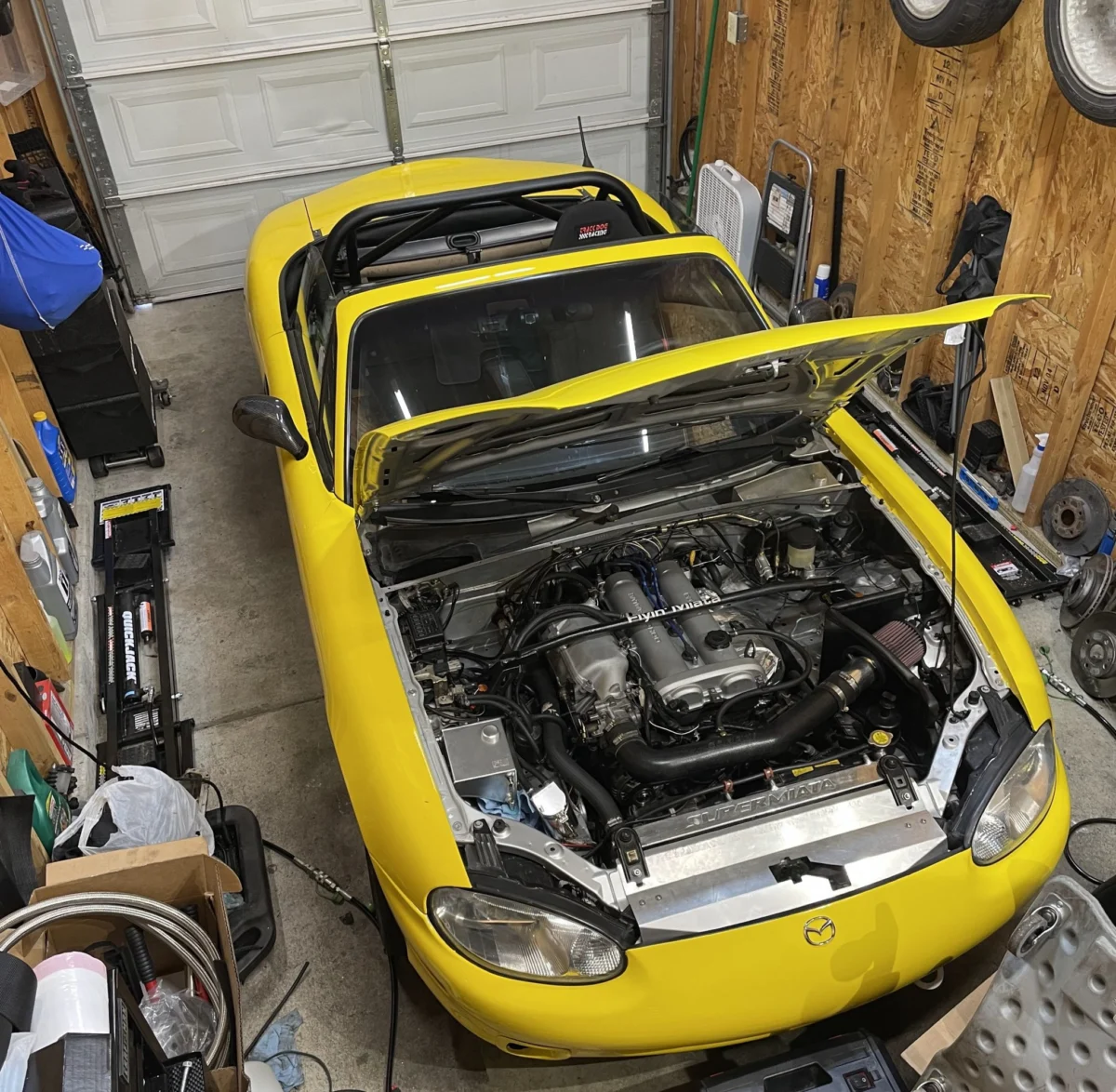
The evolution of the Mazda MX-5 NB (1998–2005) from a popular roadster to a dedicated performance platform has necessitated a parallel evolution in how vehicle data is monitored and displayed. For decades, enthusiasts have grappled with the inherent limitations of factory instrumentation, which often prioritizes aesthetic simplicity over technical accuracy. Recent developments in aftermarket integration, specifically the adoption of multifunction LCD displays and high-fidelity custom gauge faces, have provided a solution that bridges the gap between classic analog aesthetics and modern data requirements. This transition marks a significant shift in the "Restomod" philosophy, where the objective is to enhance vehicle capability without compromising the ergonomic integrity of the cockpit.
The Technical Limitations of Factory NB Instrumentation
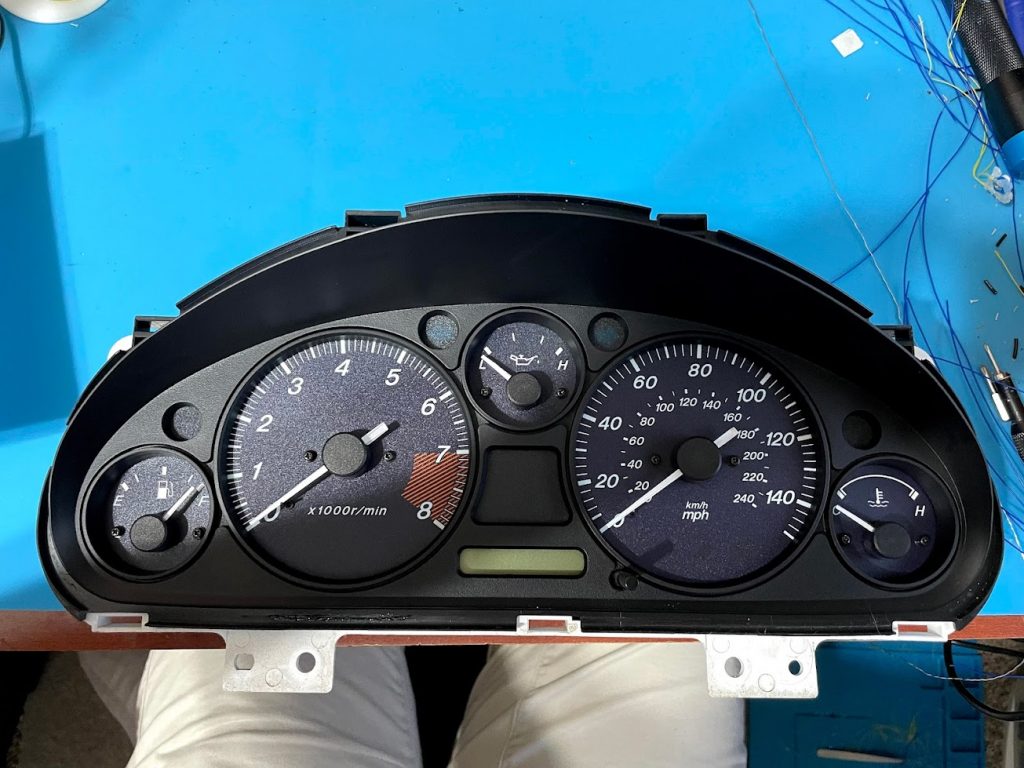
The second-generation Mazda MX-5, known internally as the NB, features a gauge cluster that, while visually cohesive, lacks the precision required for high-performance driving or forced induction applications. The factory configuration consists of five primary instruments: a large tachometer and speedometer flanked by smaller fuel, coolant temperature, and oil pressure gauges. However, technical analysis of the factory sensors reveals a significant discrepancy between the gauge movement and the actual engine conditions.
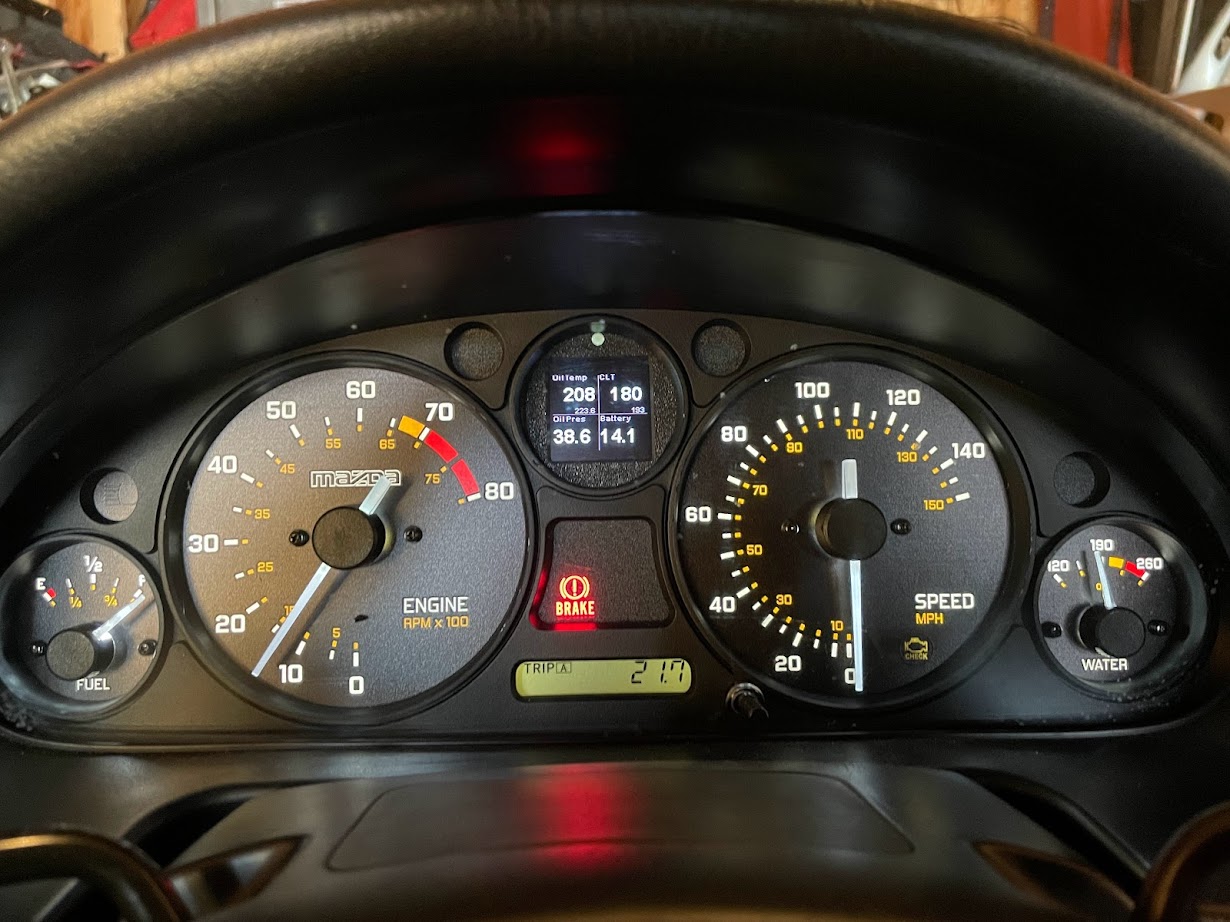
The factory oil pressure gauge in the NB series is colloquially referred to by the engineering community as a "dummy gauge." Unlike the linear analog gauges found in the earlier 1990–1993 NA6 models, the NB unit functions as a damped binary switch. Once the engine reaches a minimum threshold of oil pressure, the needle moves to a static middle position and remains there regardless of fluctuations in pressure caused by RPM or oil viscosity changes. This lack of granularity means that critical drops in pressure often go unnoticed until catastrophic engine failure is imminent.
Similarly, the factory coolant temperature gauge utilizes a non-linear buffering system. The needle is programmed to stay at a "normal" center position across a wide thermal range, typically between 165°F and 210°F. By the time the needle begins to climb toward the "hot" zone, the engine has often already reached temperatures that risk head gasket failure or warping. For drivers participating in autocross or track days, these "idiot lights" in gauge form are insufficient for maintaining engine longevity under stress.
The Ergonomic Deficiencies of Conventional Aftermarket Solutions
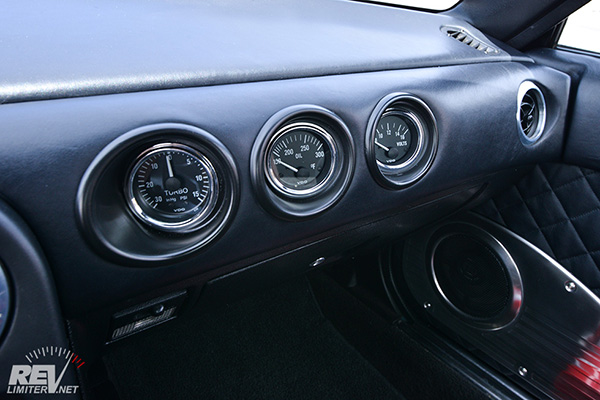
To compensate for these factory shortcomings, the traditional enthusiast approach has involved the installation of auxiliary gauges. The most common method utilizes the A-pillar—the structural support between the windshield and the side window—to house a vertical stack of 52mm gauges. While effective at providing real-time data from sensors like wideband oxygen monitors, boost gauges, and linear oil pressure sensors, this configuration introduces significant safety and aesthetic compromises.
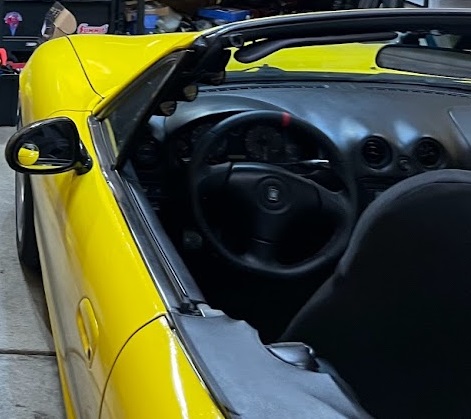
Performance data suggests that A-pillar pods create a substantial blind spot in the driver’s forward-left field of vision. In competitive environments, such as tight autocross courses or technical track layouts, this obstruction can hide apexes or safety flaggers. Furthermore, the installation of triple-gauge pods often requires the modification of factory trim, leading to fitment issues and a cluttered interior aesthetic dominated by a "birds-nest" of vacuum lines and electrical wiring. This has led a growing segment of the Miata community to seek "stealth" or "OEM+" solutions that integrate high-tech monitoring directly into the existing dashboard architecture.
The Integration of CANchecked Multifunction Displays
A pivotal shift in instrumentation technology for the MX-5 platform has arrived via the CANchecked MFA 2.0 multifunction display. This device represents a sophisticated integration of liquid crystal display (LCD) technology into the factory gauge cluster housing. Designed to replace the redundant factory oil pressure gauge, the CANchecked unit offers a high-resolution interface capable of displaying up to six different sensor parameters simultaneously across multiple customizable pages.
The technical backbone of this system relies on the Controller Area Network (CAN) bus protocol. Because the factory NB Miata ECU (Engine Control Unit) does not support modern CAN bus communication, this upgrade is typically paired with a standalone ECU, such as the Megasquirt MS3 or Haltech systems. By tapping into the CAN high and CAN low signal wires, the display can extract every piece of data the ECU sees—including intake air temperature, ignition timing, fuel trim, and manifold absolute pressure—without the need for redundant wiring.
For parameters not monitored by the ECU, the CANchecked hardware provides four additional analog inputs. This allows for the direct connection of dedicated sensors for oil temperature, oil pressure, and fuel pressure. This hybrid approach—combining digital data from the ECU with analog signals from specialized sensors—creates a comprehensive monitoring suite that fits entirely within the original footprint of the gauge cluster.
Chronology of the Modernization Process
The transition from a stock configuration to a modernized digital-analog hybrid typically follows a specific technical trajectory:
- Baseline Assessment: Identification of the specific data points required for the vehicle’s use case (e.g., boost pressure for turbocharged builds or oil temperature for endurance racing).
- Auxiliary Phase: The installation of temporary A-pillar or vent-mounted gauges (such as AEM or Innovate Motorsports units) to establish a baseline for engine health.
- Digital Transition: The removal of the factory cluster and the deconstruction of the internal housing to facilitate the mounting of the CANchecked LCD.
- Signal Integration: Configuring the standalone ECU to broadcast data over the CAN bus and calibrating the analog-to-digital converters for external sensors.
- Aesthetic Refinement: The installation of high-quality aftermarket gauge faces to ensure the remaining analog gauges (tachometer and speedometer) match the modern aesthetic of the new digital display.
Aesthetic Cohesion via RevLimiter Custom Instrumentation
While the CANchecked display solves the data problem, it creates a visual imbalance when paired with aging, green-tinted factory gauge faces. To resolve this, the "RevLimiter" series of gauge faces has become the industry standard for MX-5 interior restoration. These faces are engineered to exceed OEM quality, utilizing modern printing techniques that offer superior light diffusion and durability.
One of the more prominent designs, the "JNC" (Japanese Nostalgic Car) face, draws inspiration from 1960s and 70s Japanese performance icons. By replacing the stock faces with these custom units and upgrading the internal illumination from incandescent bulbs to high-output white LEDs, the cluster achieves a contemporary look that feels factory-original. This process involves the delicate recalibration of the gauge needles, a task that requires precision to ensure the speedometer and tachometer remain accurate across their respective ranges.
Industry Analysis and Safety Implications
Automotive safety experts note that the move away from A-pillar pods toward integrated cluster displays is a positive trend for driver safety. By centralizing information within the primary instrument cluster, the driver’s eyes remain focused on a single focal plane, reducing cognitive load and eye strain.
"The integration of digital telemetry into classic cockpits is no longer just about aesthetics; it’s about situational awareness," states an industry analyst focusing on aftermarket electronics. "When a driver can see oil pressure, coolant temperature, and air-fuel ratios in a single, high-contrast display located in their primary line of sight, the response time to a mechanical failure is significantly reduced."
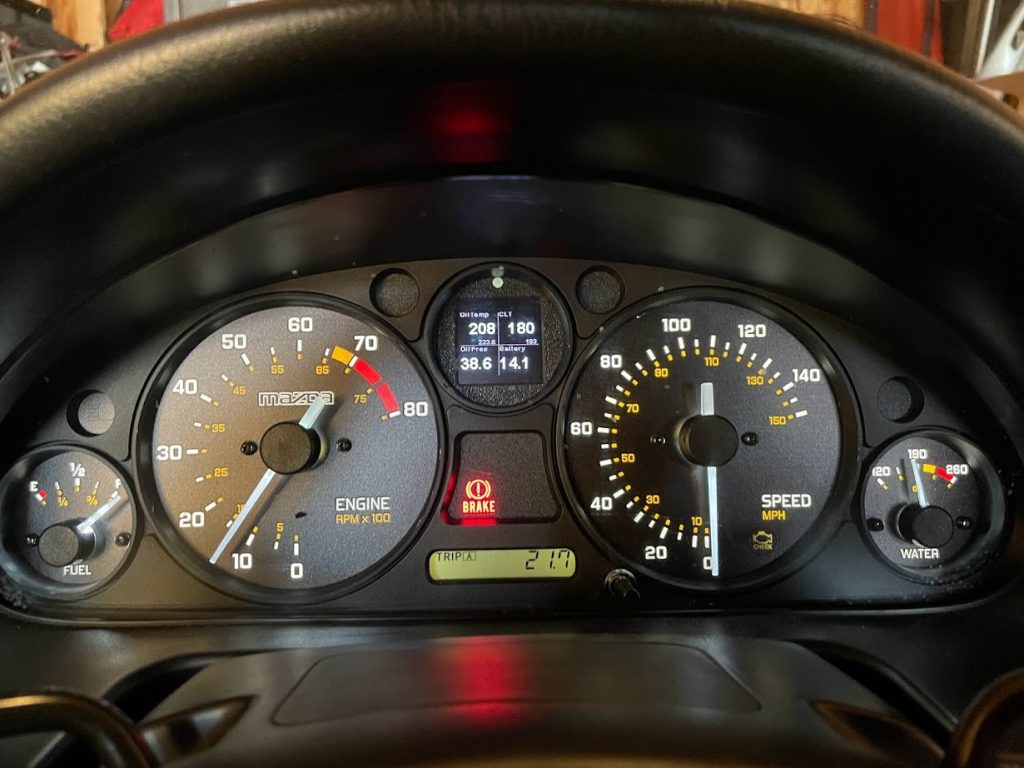
However, the technology is not without its limitations. User feedback regarding the CANchecked units indicates that while the resolution is high, the screen’s peak brightness can struggle under direct sunlight, particularly in convertible vehicles with the top down. This has led to further innovations in anti-glare coatings and recessed mounting brackets to improve legibility in high-ambient-light conditions.
Broader Impact and Future Outlook
The success of integrated displays in the NB Miata platform is a precursor to a wider movement in the enthusiast community. As vehicles from the 1990s and early 2000s continue to appreciate in value, owners are looking for ways to modernize the driving experience without "butchering" the interior.
The next frontier in this evolution is the implementation of high-frequency data logging. Systems like the RaceCapture Pro are now being integrated alongside CAN-bus displays to provide professional-grade telemetry. These systems can log not only engine data but also G-forces, GPS coordinates, brake pressure, and suspension travel. For the modern enthusiast, the goal is no longer just to monitor the car, but to use data to analyze driver performance and vehicle dynamics.
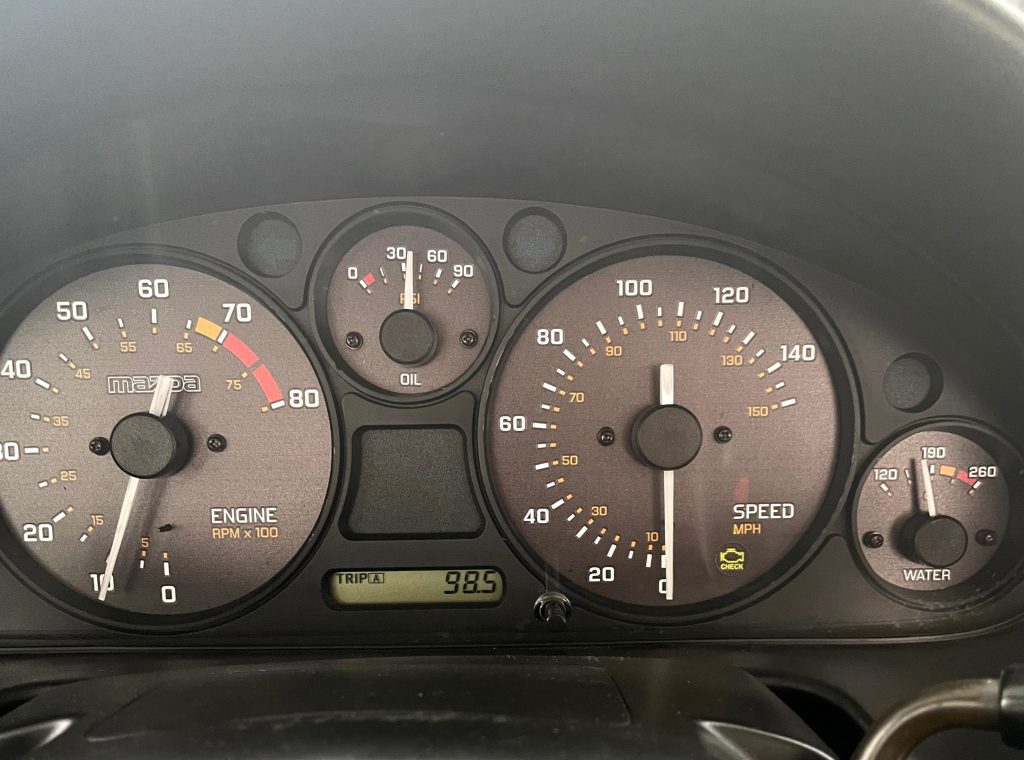
The combination of CANchecked digital displays and RevLimiter analog faces represents the current pinnacle of NB Miata interior modification. It respects the heritage of the roadster while equipping it with the technical transparency required for the modern performance landscape. As the aftermarket continues to refine these tools, the line between classic analog charm and digital precision will continue to blur, ensuring that older platforms remain relevant and reliable in the decades to come.