Retno Hari Mulyono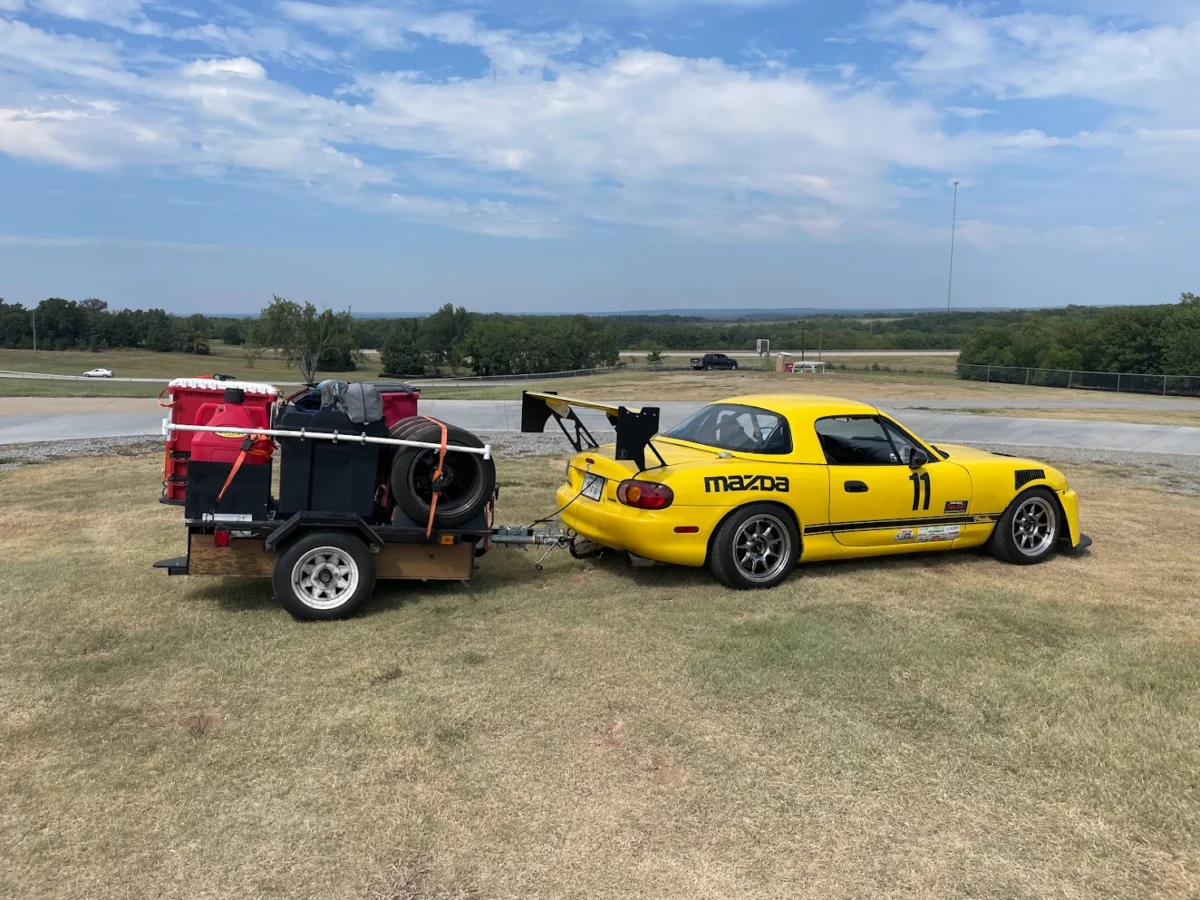
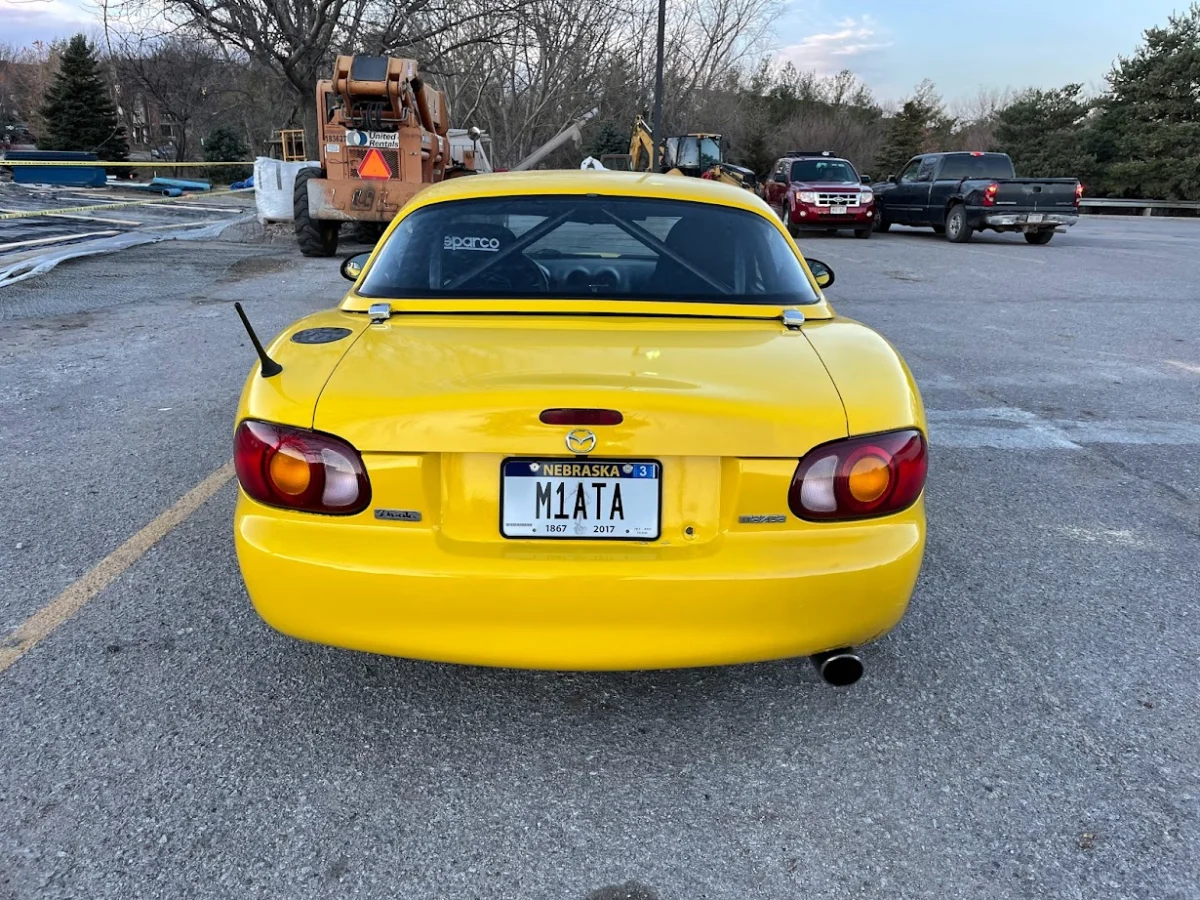
The second-generation Mazda Miata, known internally as the NB chassis, has long served as a cornerstone of amateur motorsports due to its balanced rear-wheel-drive platform and extensive aftermarket support. For one specific build entering its third year of dedicated track development, the period between March 2023 and February 2024 represented a pivotal transition from a dual-purpose street-and-track vehicle to a specialized competition machine. This evolution was characterized by aggressive aerodynamic experimentation, significant weight reduction, and a rigorous 30-day competitive calendar spanning multiple states and sanctioning bodies, including the Sports Car Club of America (SCCA).
Infrastructure and Aerodynamic Optimization
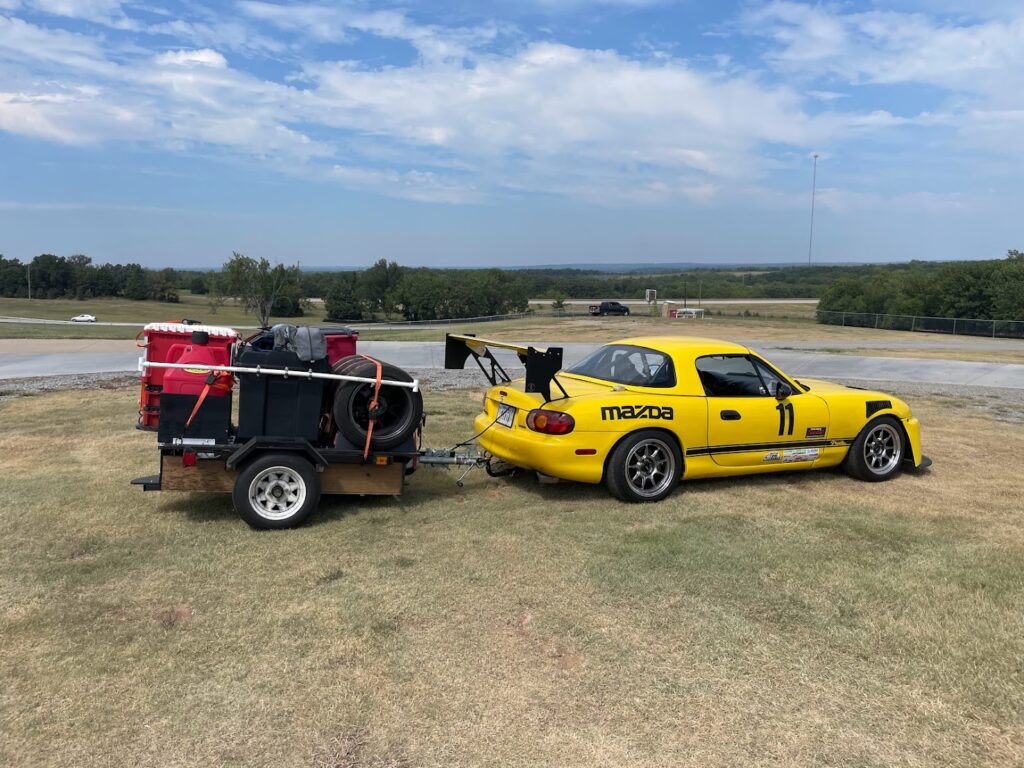
The development cycle began in March 2023 with a focus on logistical efficiency and aerodynamic durability. Recognizing the limitations of a small roadster for long-distance track travel, the builder implemented significant upgrades to a custom tire trailer. The modifications included the installation of a lower deck positioned below the axle line to lower the center of gravity, the integration of a 15-gallon fuel cell to replace smaller jugs, and specialized mounting solutions for spare aerodynamic components. These upgrades underscore a broader trend in the "arrive and drive" community where enthusiasts must balance vehicle performance with the logistical demands of self-supported racing.
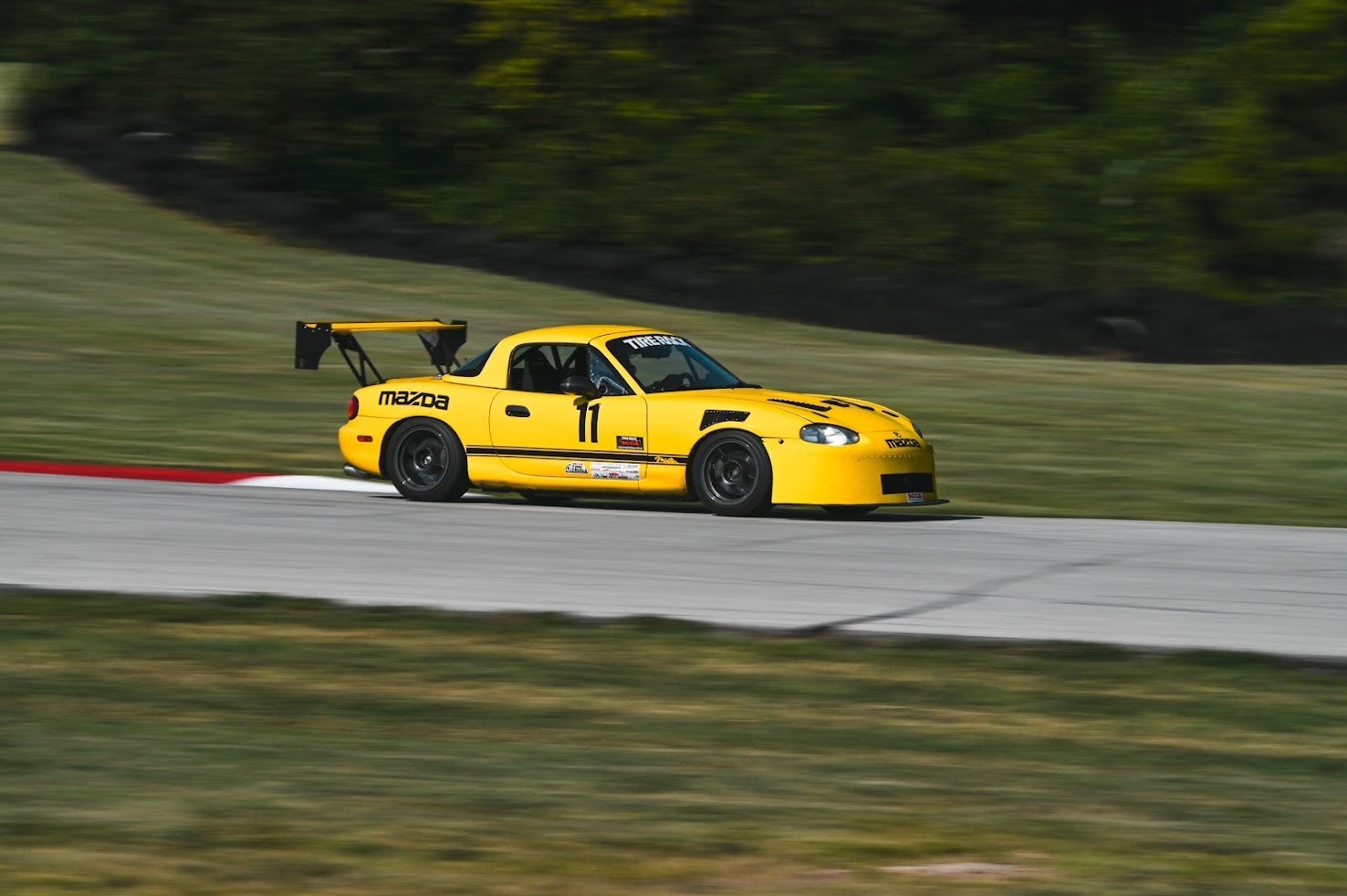
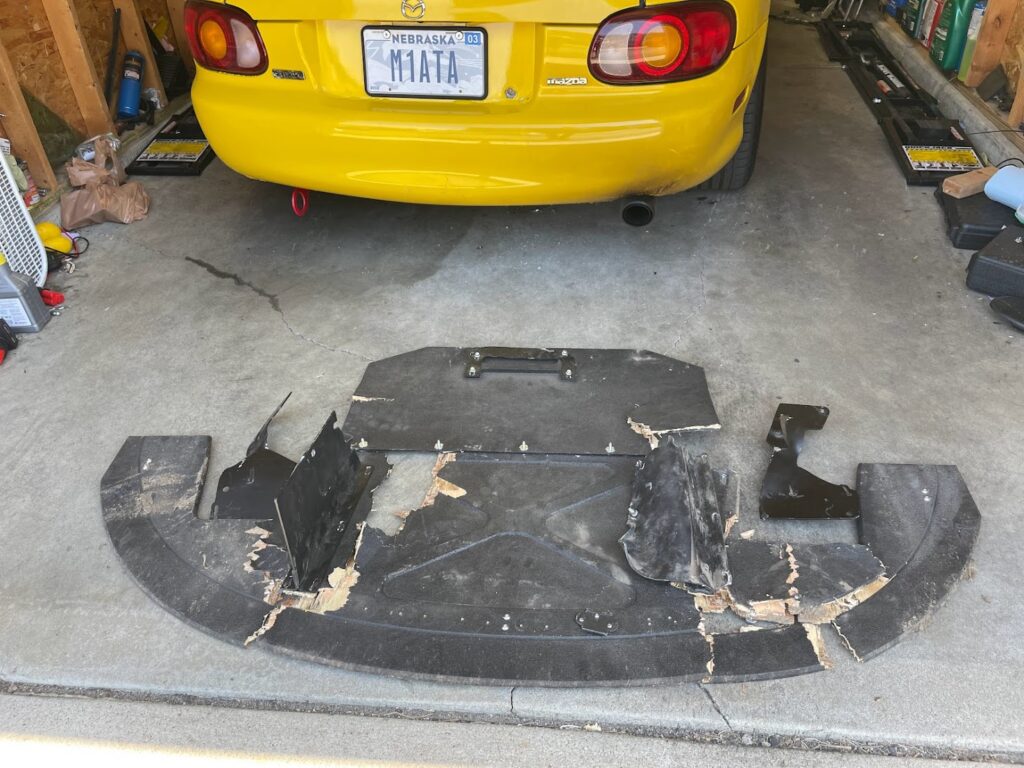
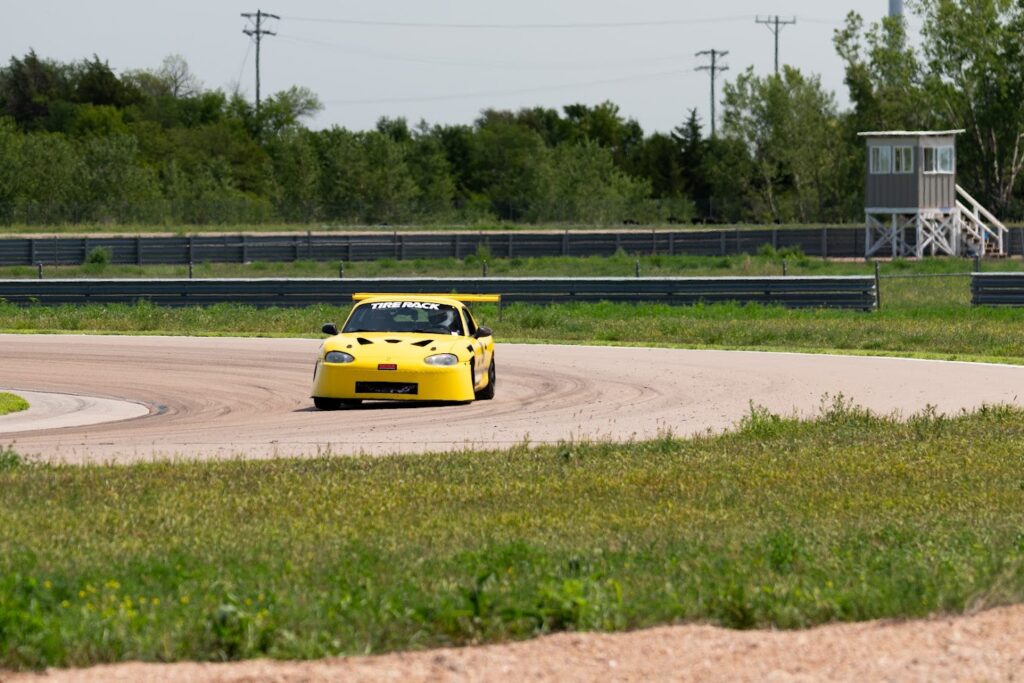
In April 2023, the focus shifted to front-end aerodynamics following the installation of a Nine Lives Racing medium downforce kit. Aerodynamics on short-wheelbase vehicles like the Miata require a delicate balance between front-end "bite" and rear-end stability. However, the practical application of these theories often meets the harsh reality of track surfaces. During a high-speed excursion at a regional track day, the vehicle’s front splitter was destroyed, leading to a bent radiator support and damaged mounts.
This incident prompted a shift toward "disposable" performance engineering. The builder transitioned to 1/2-inch plywood splitters, a common practice in grassroots racing where birch or maple ply offers a cost-effective and rigid alternative to expensive carbon fiber or Alumalite. These DIY splitters, reinforced with side supports, provided the necessary durability to withstand the "bottoming out" common during high-load cornering and off-track excursions.
The Competitive Calendar and Regional Track Dynamics
The 2023 season saw the vehicle participate in 15 track days and 15 autocross events, totaling 30 days of high-performance driving. This rigorous schedule provided a wealth of data regarding tire longevity and chassis behavior across diverse environments.
Heartland Motorsports Park: The End of an Era
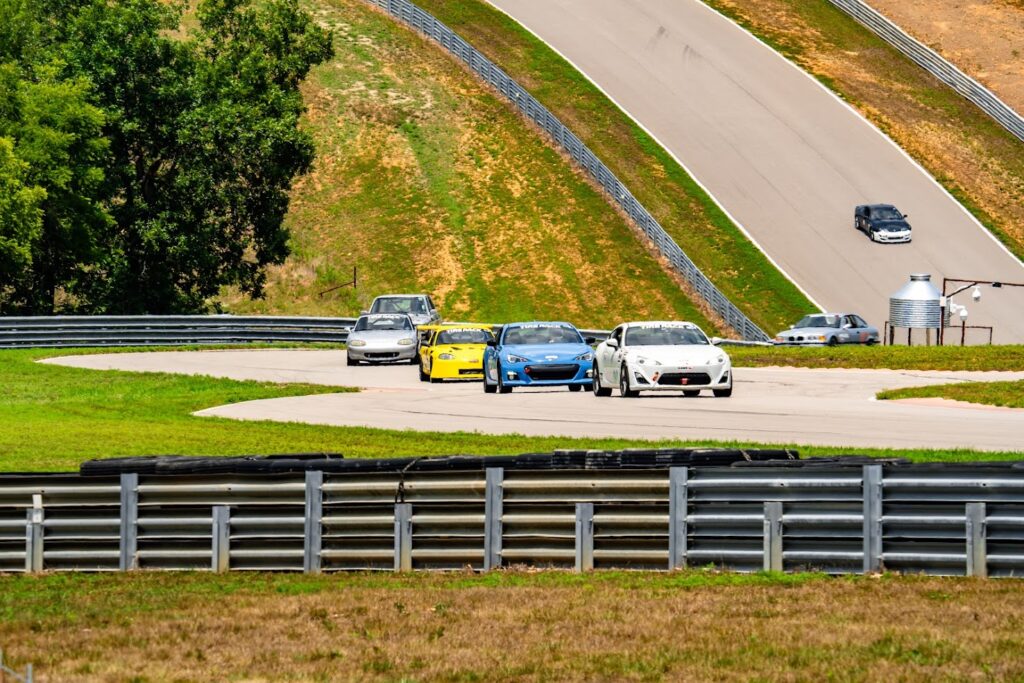
In May 2023, the vehicle competed in an SCCA Time Trials event at Heartland Motorsports Park in Topeka, Kansas. This event was historically significant, as the facility—a staple of Midwestern motorsports since 1989—ceased operations at the conclusion of the 2023 season. The closure stemmed from a protracted legal dispute regarding property taxes, resulting in the auctioning of the land. The loss of this 2.5-mile road course represents a significant blow to regional SCCA and NASA (National Auto Sport Association) chapters, forcing competitors to seek alternative venues in neighboring states.
Ozarks International Raceway (OIR)
July 2023 marked the vehicle’s debut at Ozarks International Raceway in Gravois Mills, Missouri. Opened in 2022, OIR is characterized by extreme elevation changes and a technical 3.97-mile layout that rewards high-downforce setups. The builder’s experience at OIR highlighted the critical nature of driver confidence on "blind" apexes. Despite mechanical anxieties regarding a failing clutch, which necessitated a rapid "parts-store" replacement days before the event, the vehicle’s aerodynamic package proved essential for maintaining stability through the track’s high-speed transitions.
Hallett Motor Racing Circuit
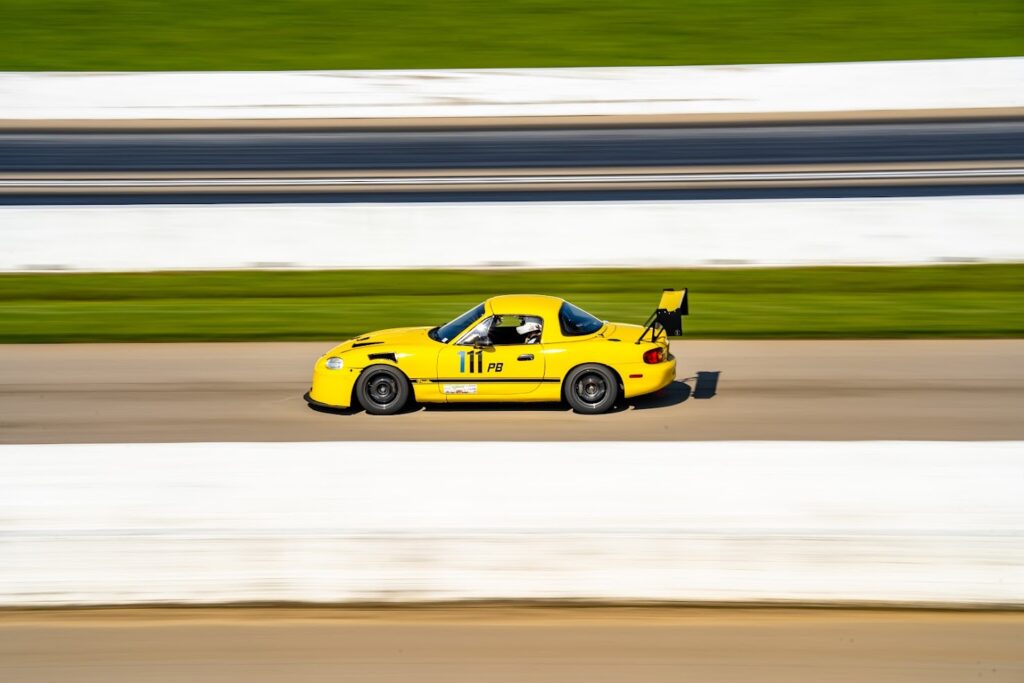
In September, the build participated in the "Miatas at Hallett" event in Oklahoma. Hallett is a 1.8-mile technical circuit known for its versatility, as it is frequently run in both clockwise and counter-clockwise configurations. The event served as a testbed for driver endurance, specifically through the implementation of a "Cool Shirt" system. In closed-cockpit or hardtop racing environments, cabin temperatures can exceed ambient levels by 20 to 30 degrees Fahrenheit. The use of a liquid-cooled garment system is a documented method for reducing driver fatigue and maintaining cognitive focus during 20-to-30-minute sprint sessions.
Technical Maintenance and Engine Lifecycle Management
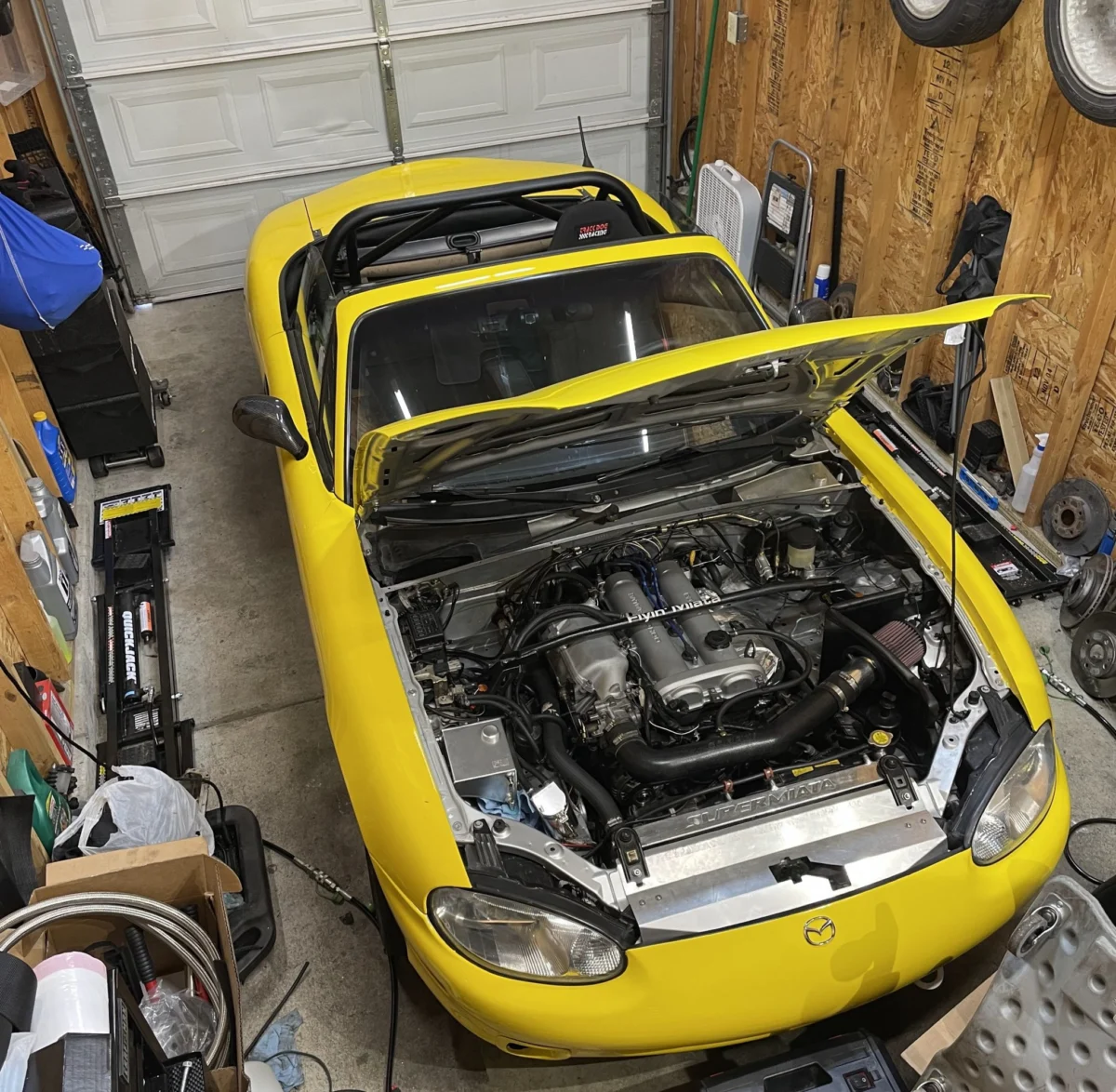
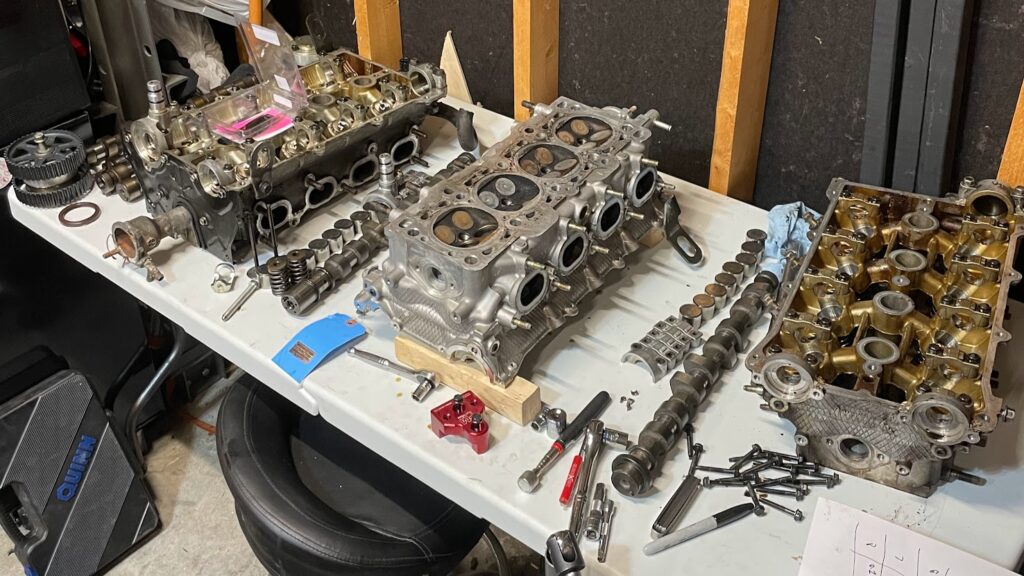
The heart of the NB Miata is the Mazda BP-series engine. This specific vehicle utilizes the BP4W engine (1999–2000 model years), which features a high-flowing cylinder head but lacks the Variable Valve Timing (VVT) found in the later BP6D (2001–2005).
By October 2023, the original factory-sealed engine began exhibiting signs of wear consistent with high-mileage track use, including oil consumption at high RPMs and smoke during engine braking—symptoms typically associated with worn valve stem seals or piston rings. In response, the builder initiated a long-term engine program, acquiring multiple spare powerplants.
The strategy involved a hybrid build: utilizing a BP4W bottom end (honed and refreshed) paired with a rebuilt BP6D head and high-compression BP6D pistons. This "franken-motor" approach aims to capitalize on the strengths of different NB-generation components to maximize mid-range torque without the complexity of a full VVT swap, which would require significant electronic control unit (ECU) reconfiguration.
Weight Reduction and Interior Engineering
The winter months (December 2023 – February 2024) were dedicated to optimizing the vehicle’s power-to-weight ratio, a critical metric in SCCA Time Trials classing. The builder removed approximately 50 pounds from the chassis through several targeted deletions:
- Dashboard and Wiring: The removal of the factory dashboard allowed for the extraction of unused "ghost" wiring from the harness, simplifying the electrical system and reducing fire risk.
- HVAC System: The deletion of the heater core and associated blower motor removed weight from the front-center of the vehicle, though at the cost of windshield defrosting capabilities.
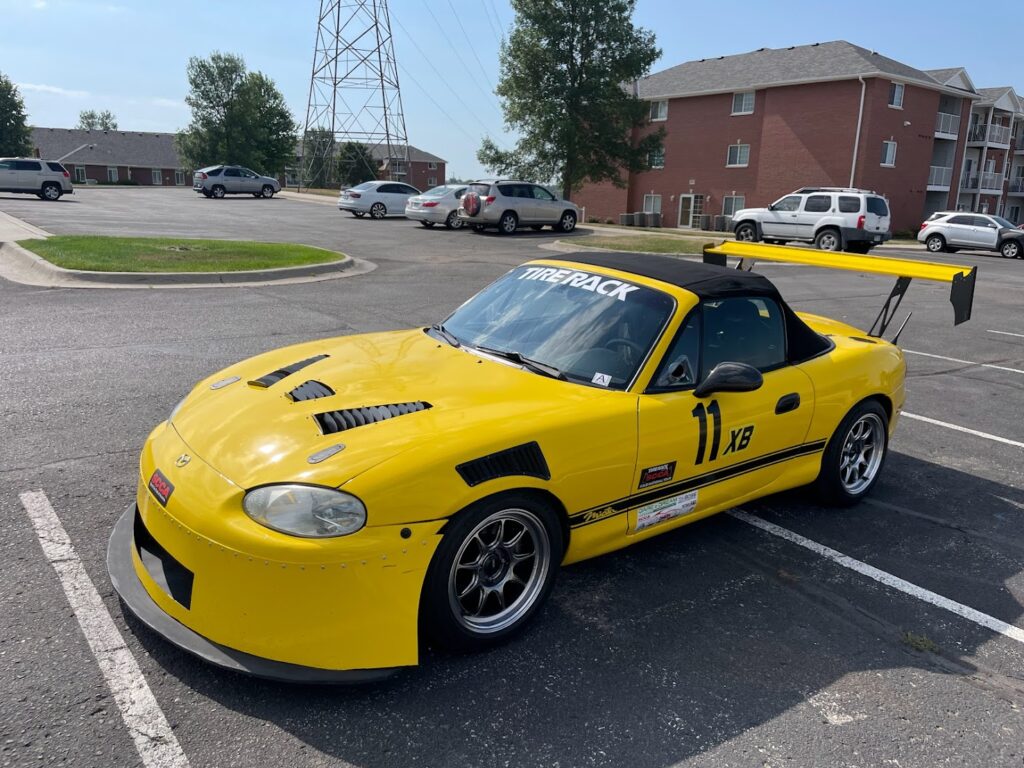
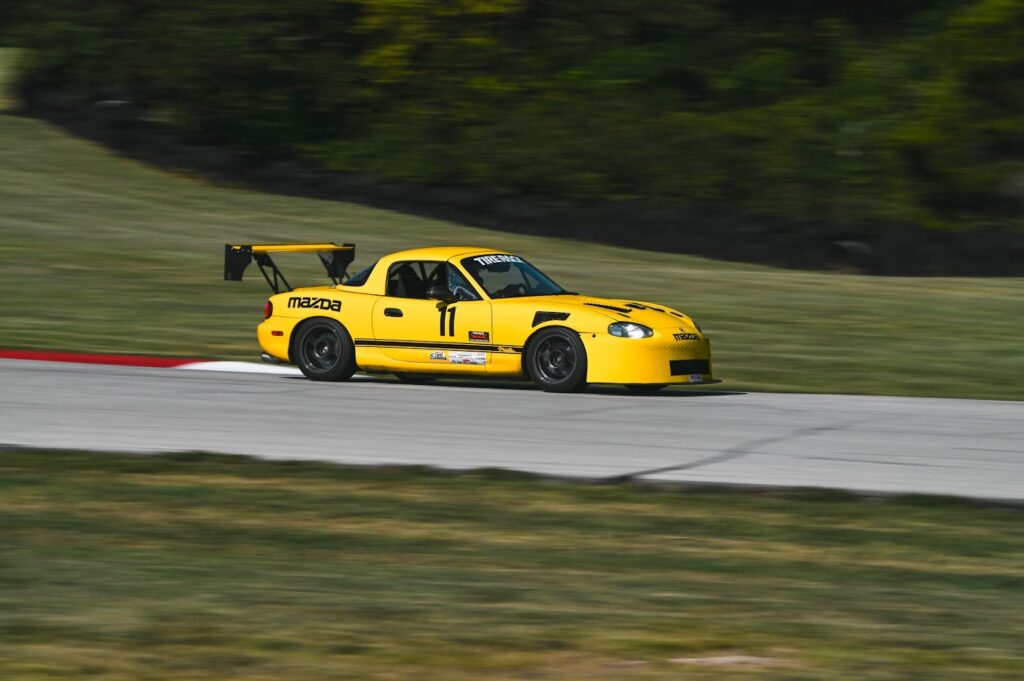
- Soft Top Removal: As the vehicle is now primarily operated with a fixed hardtop to improve aerodynamic flow to the rear wing, the folding soft top assembly was discarded, further lowering the vehicle’s center of gravity.
Additionally, the cockpit was upgraded with a 330mm OMP quick-release steering wheel. Beyond the ergonomic benefits of a smaller diameter wheel for manual steering racks, the quick-release mechanism is a vital safety feature in caged track cars, allowing for rapid driver egress in the event of an emergency.
Data-Driven Tire Analysis
The 2023 season provided a comprehensive comparison of modern "Super 200" Treadwear (TW) tires. The vehicle cycled through several compounds, yielding the following observations:
- Falken Azenis RT660: Utilized for the majority of track sessions, these tires demonstrated remarkable durability, maintaining competitive grip through 38 heat cycles and over eight hours of track time.
- Bridgestone Potenza RE-71RS: Employed for autocross, these tires provided the immediate heat-cycling necessary for short, high-intensity runs.
- Continental ExtremeContact Sport: Tested in wet conditions, these tires proved that modern "Max Performance Summer" tires can nearly match the pace of older-generation 200TW "Extreme Performance" tires (like the Hankook RS4) while offering superior hydroplaning resistance.
For the 2024 season, the builder plans to transition to the Yokohama ADVAN A052 and Nankang CRS v2, reflecting the ongoing "tire war" in the 200TW category where manufacturers are pushing the limits of street-legal rubber to achieve near-slick levels of performance.
Broader Implications for the Grassroots Racing Community
The trajectory of this NB Miata build reflects a broader trend within the automotive enthusiast community: the professionalization of amateur racing. What began as a simple convertible ownership experience has transformed into a data-driven engineering project. The shift from "bolt-on" modifications to engine rebuilding, aerodynamic fabrication, and significant weight reduction highlights the increasing competitiveness of Time Trials and GridLife-style events.
Furthermore, the logistical challenges—such as the closure of Heartland Motorsports Park and the need for specialized cooling systems—illustrate the external factors that shape the hobby. As tracks face mounting pressure from urban development and tax burdens, the community must become more mobile and self-reliant.
As the build enters its fourth year, the focus remains on incremental improvement. While the vehicle is currently competitive in its class, the long-term roadmap includes the potential for forced induction. Adding a turbocharger or supercharger would shift the vehicle into higher-performance tiers, requiring further upgrades to the cooling system and drivetrain. For now, the 2023–2024 season stands as a testament to the enduring viability of the NB Miata as a premier platform for mastering the art of the road course.