Retno Hari Mulyono
Historical Context and Platform Significance
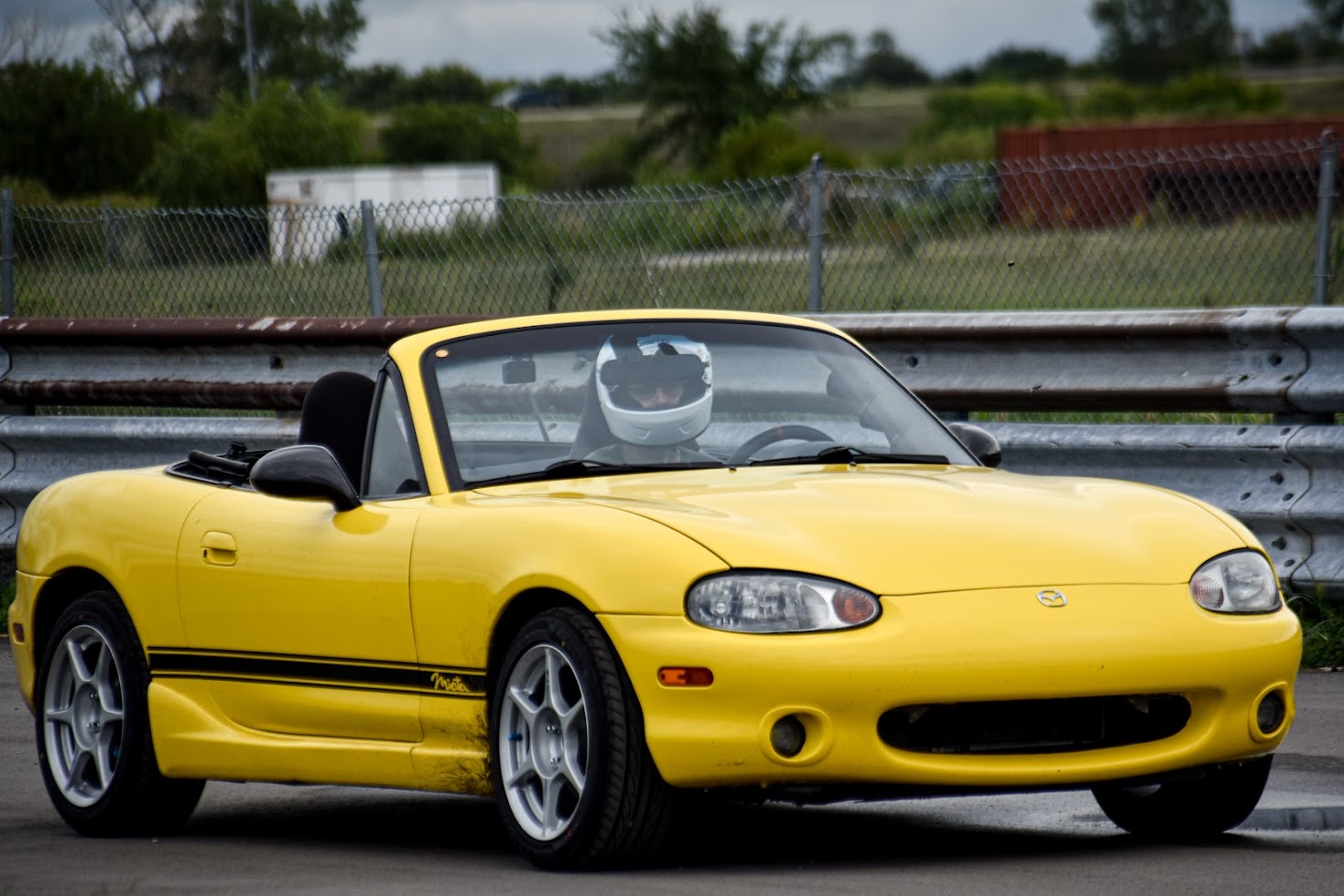
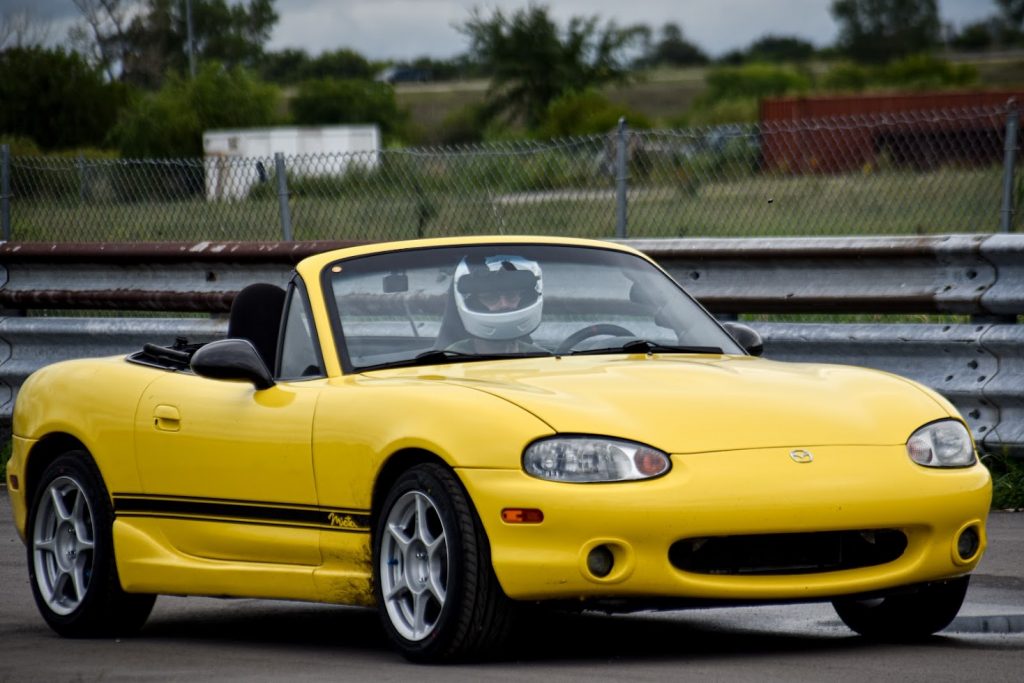
The Mazda MX-5 NB, produced between 1998 and 2005, built upon the success of the original NA model by offering a stiffer chassis and improved suspension geometry. However, many units currently on the secondary market suffer from a lack of documented maintenance history. For a vehicle frequently subjected to the lateral loads of autocross and track days, the original equipment manufacturer (OEM) components—many of which are now two decades old—often fail to provide the precision required for high-performance driving.
Suspension "refresh" projects are common in the Miata community, particularly for those preparing for Spec Miata racing or high-performance driver education (HPDE) events. The objective is rarely just to return the car to factory specifications, but rather to exceed them by using modern materials and engineering solutions that were not available or were cost-prohibitive during the vehicle’s initial production run.
Chronology of the Mechanical Overhaul
The overhaul followed a logical progression designed to minimize vehicle downtime and address the most labor-intensive tasks during the winter off-season. The project was divided into four primary phases: disassembly and cleaning, bushing and ball joint replacement, drivetrain upgrades, and the installation of the final damping system.
The initial phase involved the complete removal of the front and rear control arms, the rear subframe components, and the differential housing. This stage is frequently the most difficult for vehicles operated in northern climates, such as Nebraska, where road salt and moisture contribute to galvanic corrosion. Specifically, the long bolts securing the rear lower control arms to the uprights are notorious for seizing within the metal sleeves of the bushings, often requiring a combination of heat, penetrating oil, and mechanical force for extraction.
Enhancing Chassis Response: Control Arm Bushings
A pivotal element of this refresh was the replacement of factory rubber bushings with IL Motorsports stiffer rubber components. In the hierarchy of suspension tuning, enthusiasts must choose between OEM rubber, stiffer performance rubber, or polyurethane. While polyurethane offers the highest degree of stiffness, it often requires periodic lubrication to prevent squeaking and can lead to a harsh ride quality on public roads.
The IL Motorsports kit provides a middle ground, offering a stiffness profile similar to the Mazdaspeed competition bushings used in factory racing programs. These maintain the longevity and "set-it-and-forget-it" nature of rubber while significantly reducing "bushing squirm"—the unintended deflection of control arms under cornering loads.
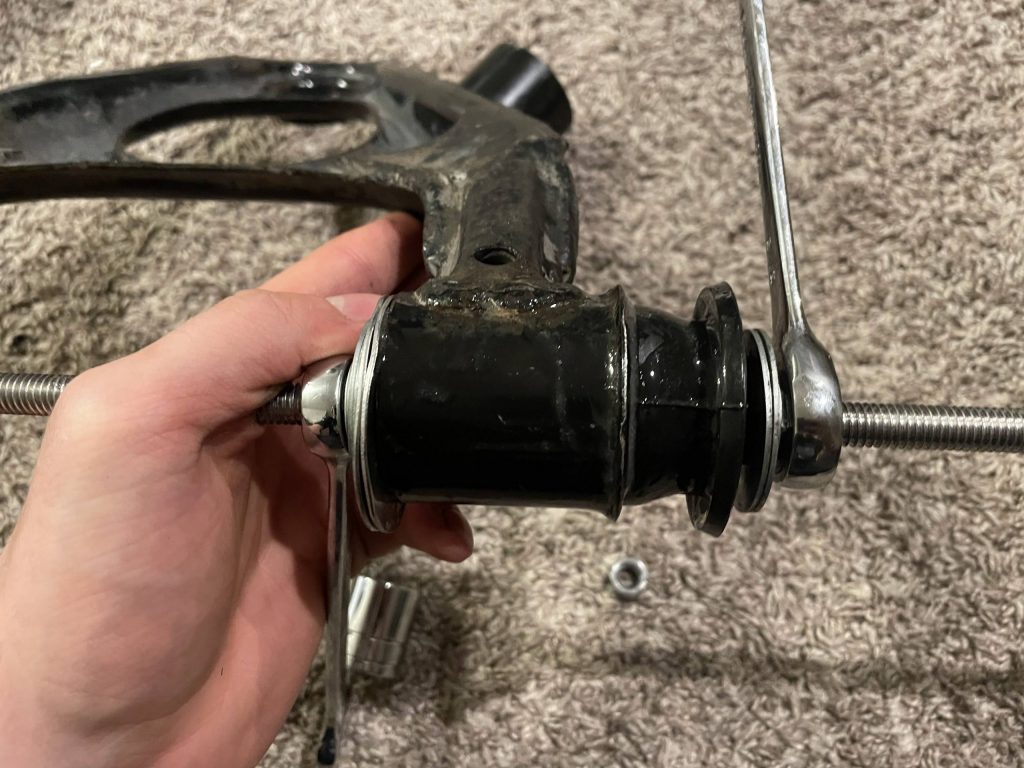
During the installation, a critical technical lesson was documented regarding the use of hydraulic presses on the rear upper control arms. The thin-gauge steel of the NB control arms is susceptible to bending if the arms are not perfectly supported during the pressing process. In this instance, the use of a traditional press resulted in structural deformation, necessitating the procurement of replacement arms. Technical experts suggest a "threaded rod and washer" method for these specific components to ensure that force is applied only to the bushing sleeve rather than the arm’s structural webbing.
Drivetrain Optimization: The Torsen Differential Conversion
The base-model NB Miata was originally equipped with a 4.30:1 ratio open differential. While the 4.30 gearing is prized for its ability to keep the naturally aspirated 1.8-liter engine within its power band, the open nature of the differential allows power to escape through the unweighted inside wheel during hard cornering.
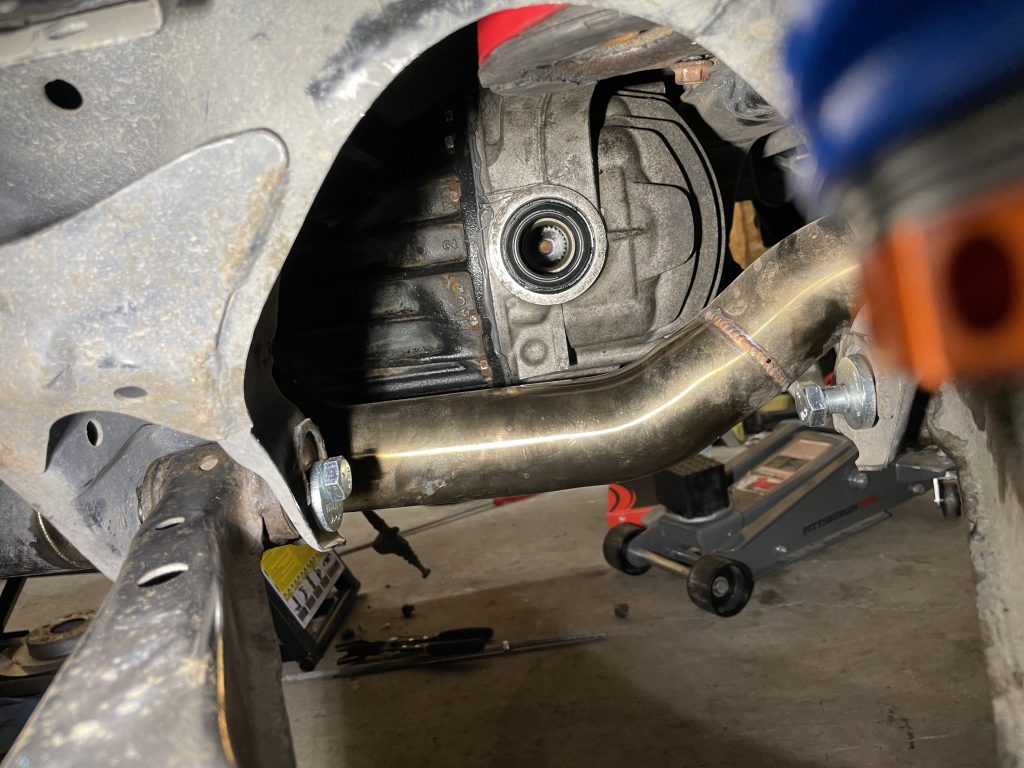
To rectify this, the project incorporated a Torsen (Torque-Sensing) limited-slip differential. The Torsen unit utilizes a complex arrangement of worm gears to mechanically multiply torque to the wheel with the most traction. Obtaining a 4.30 ratio Torsen is a challenge in the current market, as these units are in high demand for Spec Miata competitors, often commanding prices exceeding $1,000.
The installation process involved:
- Guts Swap: Transferring the Torsen internals into the existing aluminum "pumpkin" carrier.
- Bushing Upgrade: Replacing the soft factory differential mounts with polyurethane bushings. This reduces "wheel hop" and drivetrain movement during aggressive shifts.
- PPF Realignment: The Power Plant Frame (PPF), a longitudinal brace connecting the transmission to the differential, required careful handling. Seized PPF bolts often require long breaker bars and high-torque impacts to dislodge.
Advanced Damping: Supermiata Xida Race Coilovers
The most significant performance gain in this overhaul is attributed to the installation of Supermiata Xida Race coilovers. In the Miata suspension market, owners typically choose between three tiers: budget-friendly twin-tube dampers, DIY Bilstein re-valving kits, and high-end monotube racing shocks.
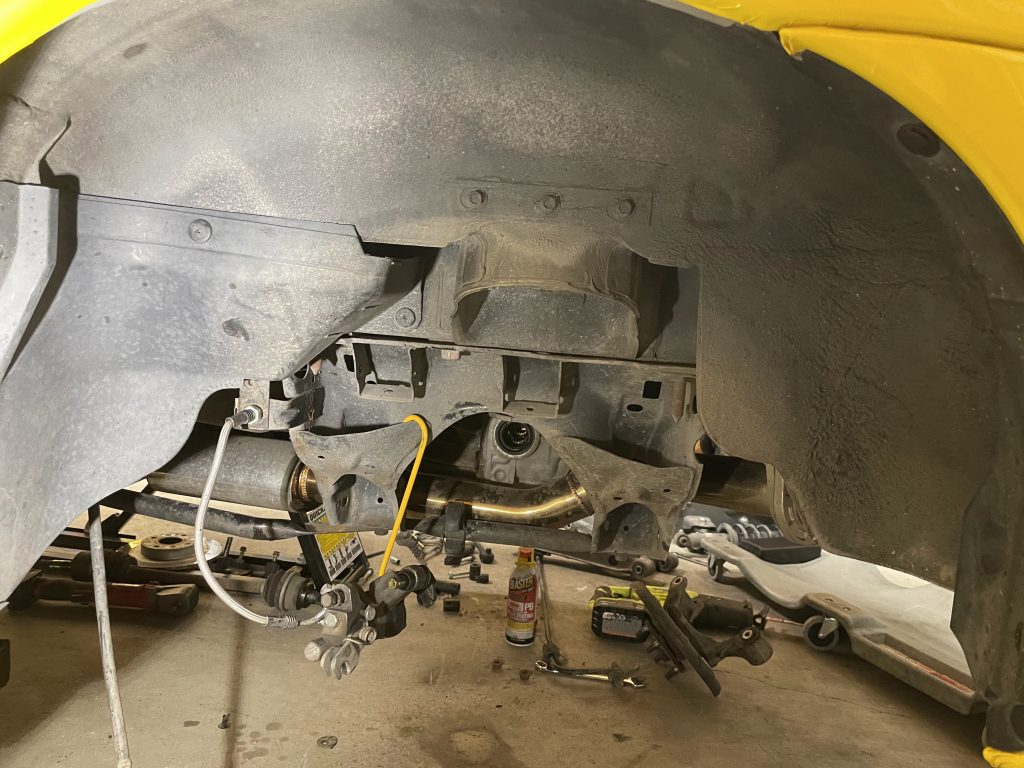
The Xida Race system represents the upper echelon of this market. Utilizing a large-bore monotube design, these dampers provide superior heat dissipation and more precise valving compared to standard units. The specific configuration chosen featured an 800 lbs/in front and 500 lbs/in rear spring rate, complemented by helper springs to maintain spring seat tension at full droop.
Data from track testing suggests that while these spring rates are significantly higher than the stock 150-200 lbs/in range, the high-quality valving of the Xida shocks allows them to remain compliant over high-speed bumps. This "dual-duty" capability is essential for a vehicle that must transition from highway commuting to aggressive track use. The installation also resulted in a ride height reduction of approximately 0.5 to 0.75 inches, lowering the vehicle’s center of gravity without compromising suspension travel or inducing significant scraping on public infrastructure.
Structural Integrity: Hubs, Bearings, and Steering
To ensure the longevity of the refresh, the project addressed the Miata’s known weak points: the front wheel hubs. Under the sustained heat and lateral loads of track use, factory hubs are known to suffer from bearing failure or, in extreme cases, flange fracturing.
The strategy employed was a proactive replacement using Centric front hubs and rebuilt OEM rear uprights sourced from Treasure Coast Miata. By replacing these components entirely, the owner established a "zero-hour" baseline for all rotational parts. Furthermore, a Supermiata front-end service kit was utilized to replace the upper and lower ball joints and tie rod ends. These components are essential for maintaining alignment settings; even a small amount of play in a ball joint can lead to "dynamic toe" changes, making the car feel unstable at the limit.
Technical Analysis of Performance Implications
The transition from a 20-year-old stock suspension to a modernized, high-stiffness setup yields several measurable improvements in vehicle dynamics:
- Reduction in Body Roll: The increase in spring rate from ~200 lbs/in to 800/500 lbs/in substantially reduces the degree of lateral lean. This keeps the tire contact patch more consistent and improves the driver’s "seat-of-the-pants" feel.
- Improved Transient Response: With stiffer bushings and new ball joints, the delay between a steering input and the chassis’s reaction is minimized. The car "sets" into a corner almost instantly.
- Traction Management: The Torsen differential allows for earlier throttle application on corner exit. Combined with the polyurethane differential bushings, the drivetrain’s response to throttle inputs is more direct.
- High-Speed Stability: High-end dampers like the Xidas eliminate the "floaty" sensation often associated with worn OEM shocks at speeds above 70 mph, providing a more planted and secure driving experience.
Broader Impact on the MX-5 Community
The systematic refresh of an NB Miata serves as a blueprint for the preservation of the "analog" sports car experience. As the automotive industry shifts toward electronic power steering and heavy, turbocharged platforms, the lightweight, mechanical nature of the NB Miata becomes increasingly valuable.
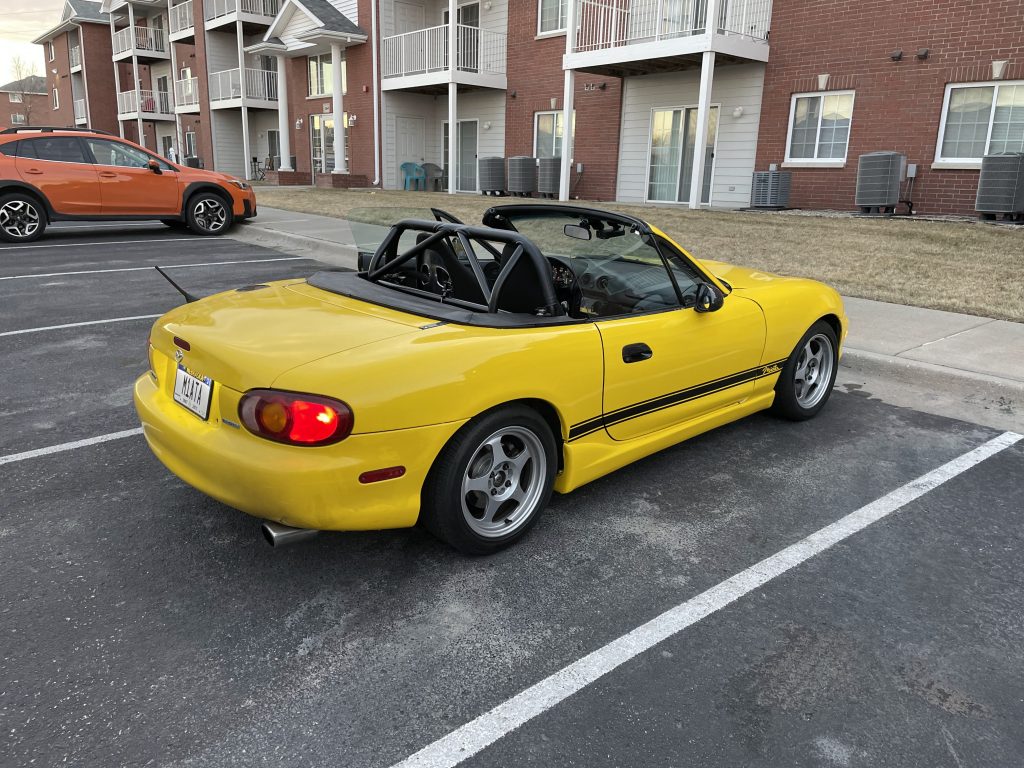
Industry experts note that a well-executed suspension refresh can add significant resale value to a vehicle, as it addresses the "deferred maintenance" that often plagues older sports cars. Moreover, by choosing components like the IL Motorsports bushings and Xida coilovers, the owner has aligned the vehicle with current "best practices" recognized by the global Miata community.
While the owner opted to retain the stock sway bars for the time being—citing a desire to maintain independent suspension movement and avoid excessive understeer—the modular nature of this refresh allows for future adjustments. The ability to fine-tune a vehicle’s handling through incremental changes is the hallmark of a mature performance platform.
Conclusion
The comprehensive suspension and drivetrain refresh of the NB Miata demonstrates that with careful planning and the selection of high-quality components, a two-decade-old chassis can be revitalized to compete with modern performance standards. By addressing every wear item from the bushings to the dampers, this project ensures that the vehicle remains a reliable and engaging tool for both street driving and competitive motorsports. The successful completion of this overhaul sets the stage for further performance testing and underscores the enduring appeal of the Mazda MX-5 as a premier platform for automotive enthusiasts.