Retno Hari Mulyono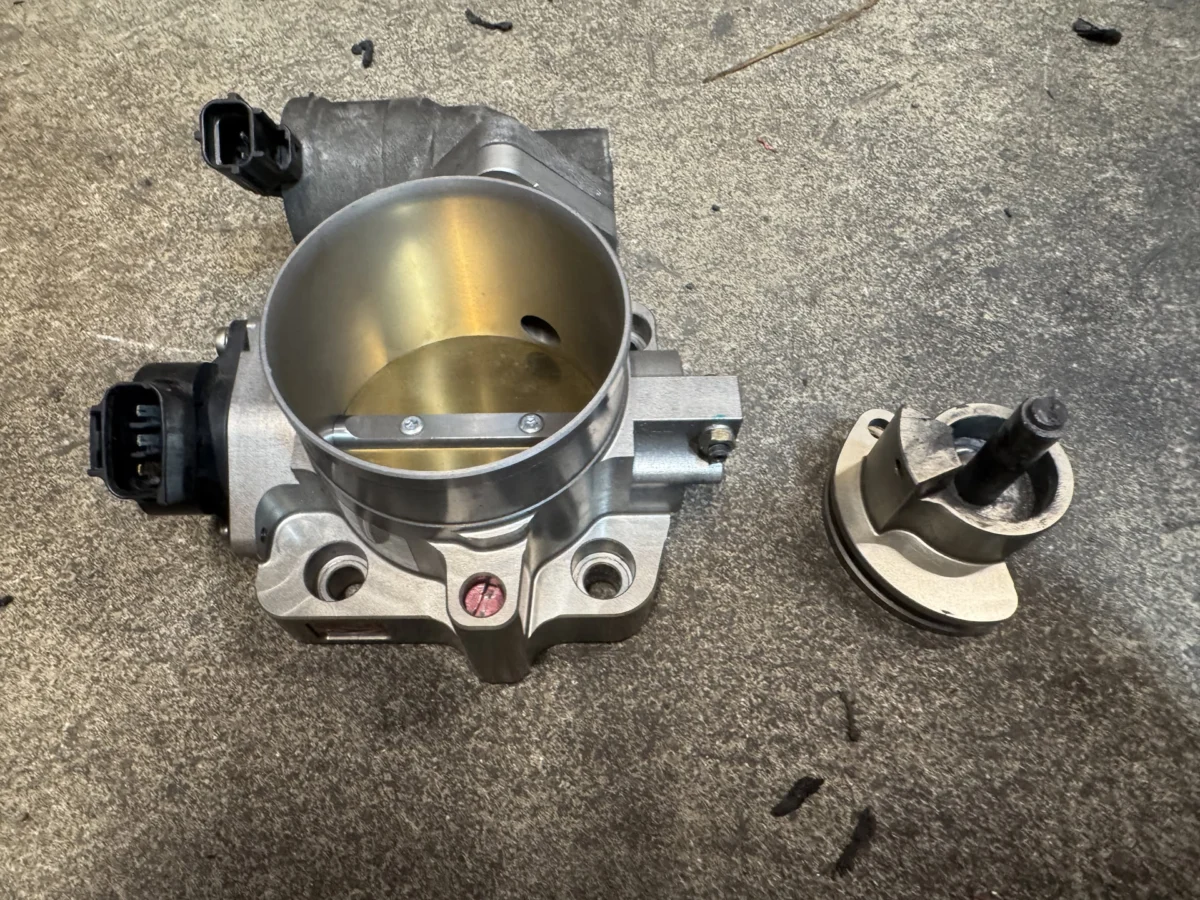
The automotive aftermarket for the Mazda MX-5 Miata, specifically the NA and NB generations produced between 1989 and 2005, is currently witnessing a significant technological pivot as enthusiasts move away from traditional cable-driven throttle systems in favor of modern drive-by-wire (DBW) technology. This transition is driven by a search for increased mechanical reliability and the integration of advanced engine management features that were once the exclusive province of modern high-performance vehicles. Recent field reports from track-focused Miata owners have highlighted critical failure points in both original equipment manufacturer (OEM) components and popular aftermarket throttle bodies, prompting a surge in demand for robust electronic solutions compatible with standalone engine control units (ECUs) such as the Megasquirt MS3Pro series.
The Mechanical Vulnerabilities of Cable-Driven Systems
For decades, the cable-driven throttle body has been a staple of the Miata platform, praised for its simplicity and direct tactile feedback. However, as these vehicles are increasingly pushed to their limits in competitive environments, the mechanical limitations of the design have become apparent. High-frequency engine vibrations, particularly in the BP-series engines found in the NB Miata, can lead to metal fatigue in the throttle shaft.
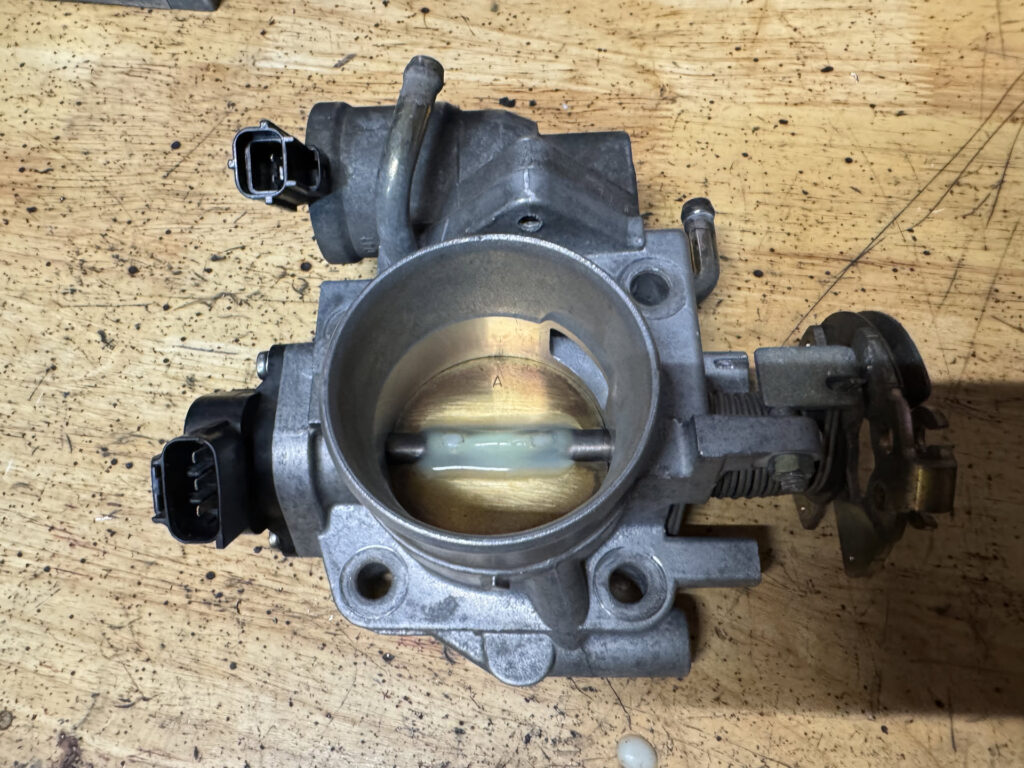
Recent data from track enthusiasts indicates a recurring pattern of failure involving the Skunk2 aftermarket throttle body, a common upgrade for those seeking increased airflow. Reports suggest two primary failure modes: the complete mechanical snapping of the throttle shaft and the loosening of internal hardware. Furthermore, even when functional, these units frequently suffer from "sticky" operation, where the throttle plate fails to return to a full-off position, resulting in erratic high idles.

The OEM Mazda throttle bodies are not immune to these issues. Documentation within the racing community has recorded numerous instances of throttle blade screws backing out and being ingested by the engine—a catastrophic failure that often results in total engine loss. While some owners have attempted to mitigate these risks using high-strength epoxies like 3M DP420 to secure the hardware, this remains a reactive measure rather than a systemic solution.
The Drive-By-Wire Solution: Technical Overview
Drive-by-wire technology replaces the physical bowden cable with an electronic actuator and a pair of potentiometers. In this configuration, the accelerator pedal sends a signal to the ECU or a dedicated controller, which then commands an electric motor to open the throttle plate. This system offers several inherent advantages:
- Elimination of Mechanical Linkages: By removing the throttle cable, the system eliminates issues related to cable stretch, binding, and the friction associated with long cable runs.
- Sophisticated Idle Control: Electronic throttles can manage idle speeds with extreme precision by making minute adjustments to the throttle plate, removing the need for a separate, often troublesome, Idle Air Control Valve (IACV).
- Advanced Performance Features: DBW enables software-driven features such as "auto-blip" downshifts, where the ECU automatically matches engine RPM to wheel speed during gear changes, as well as adjustable throttle mapping, launch control, and integrated traction control.
- Safety and Redundancy: Modern DBW systems utilize dual-channel sensors that cross-check each other. If a discrepancy is detected, the system immediately enters a "limp mode" or shuts down the throttle to prevent unintended acceleration.
The Controller Landscape: Integrating DBW with Megasquirt
While modern standalone ECUs like Haltech or MaxxECU often feature native DBW support, the Megasquirt MS3 platform—a favorite among Miata tuners for its cost-effectiveness—requires external hardware to manage the H-bridge motor control necessary for electronic throttles. As of late 2025, several manufacturers have released CAN-bus compatible controllers designed to bridge this gap.
DBWX2 Controller
The DBWX2, which entered the market around 2019, remains the premium option in the segment. Retailing for approximately $500, it is unique for its ability to control two independent throttle bodies. This is particularly relevant for complex forced induction setups, such as "twin-charging" or hot-side supercharger configurations where dual-path airflow management is required. It features full TunerStudio integration and a rugged, waterproof enclosure.

LD Performance
A mid-range contender priced at $200, the LD Performance unit offers a more basic approach. While functional, it lacks a waterproof housing, necessitating interior installation. A significant drawback for Megasquirt users is the lack of TunerStudio integration, requiring a separate USB-to-Serial connection for configuration.
SPTronics
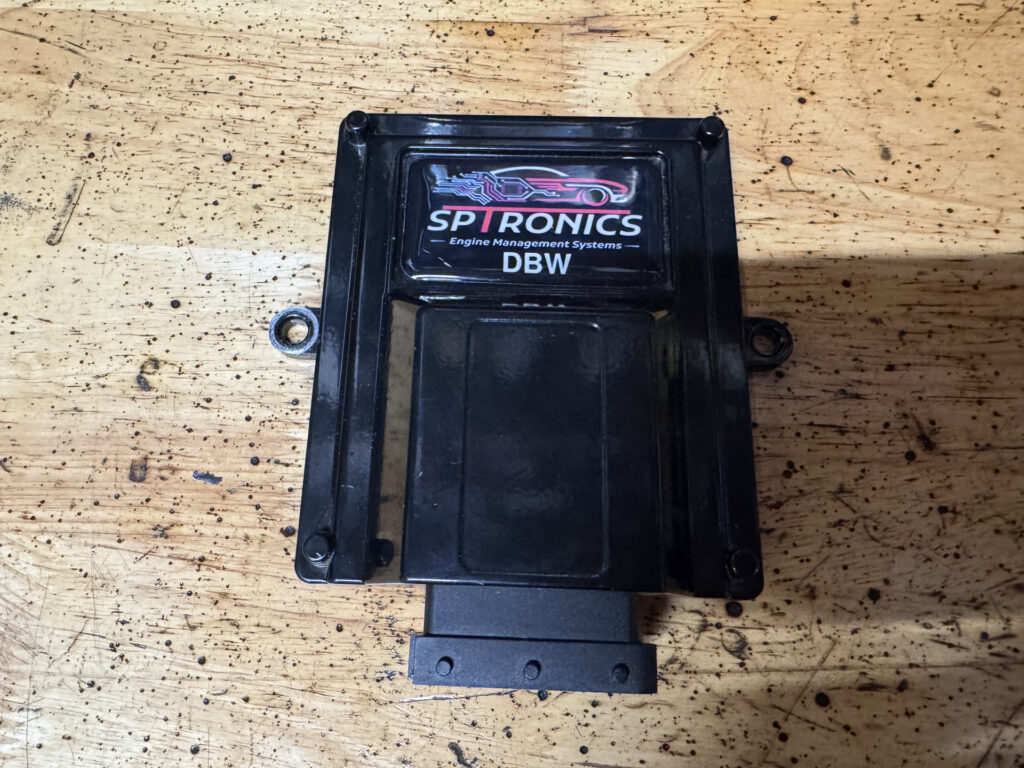
At the $150 price point, the SPTronics controller represents the entry-level for CAN-bus DBW. It is highly regarded for its affordability and small footprint. However, it lacks the ability for firmware updates and does not include a configurable CAN-bus termination resistor, which may complicate wiring in complex vehicle networks.

MS Labs
The MS Labs controller is a high-end unit frequently utilized in European markets. It offers advanced idle control logic and dedicated support for auto-blip functionality. However, its limited availability in the United States has made it a rarer choice for North American Miata builders.
AMP EFI
The newest entry to the market, released in October 2025, the AMP EFI controller is priced at approximately $300. It is gaining traction due to its versatility; it can function as a fully integrated CAN-bus device or as a standalone controller. It includes dedicated input pins for brake and clutch sensors, simplifying the setup for rev-matching features without taxing the main ECU’s input/output ports.

Hardware Selection and Chronology of Conversion
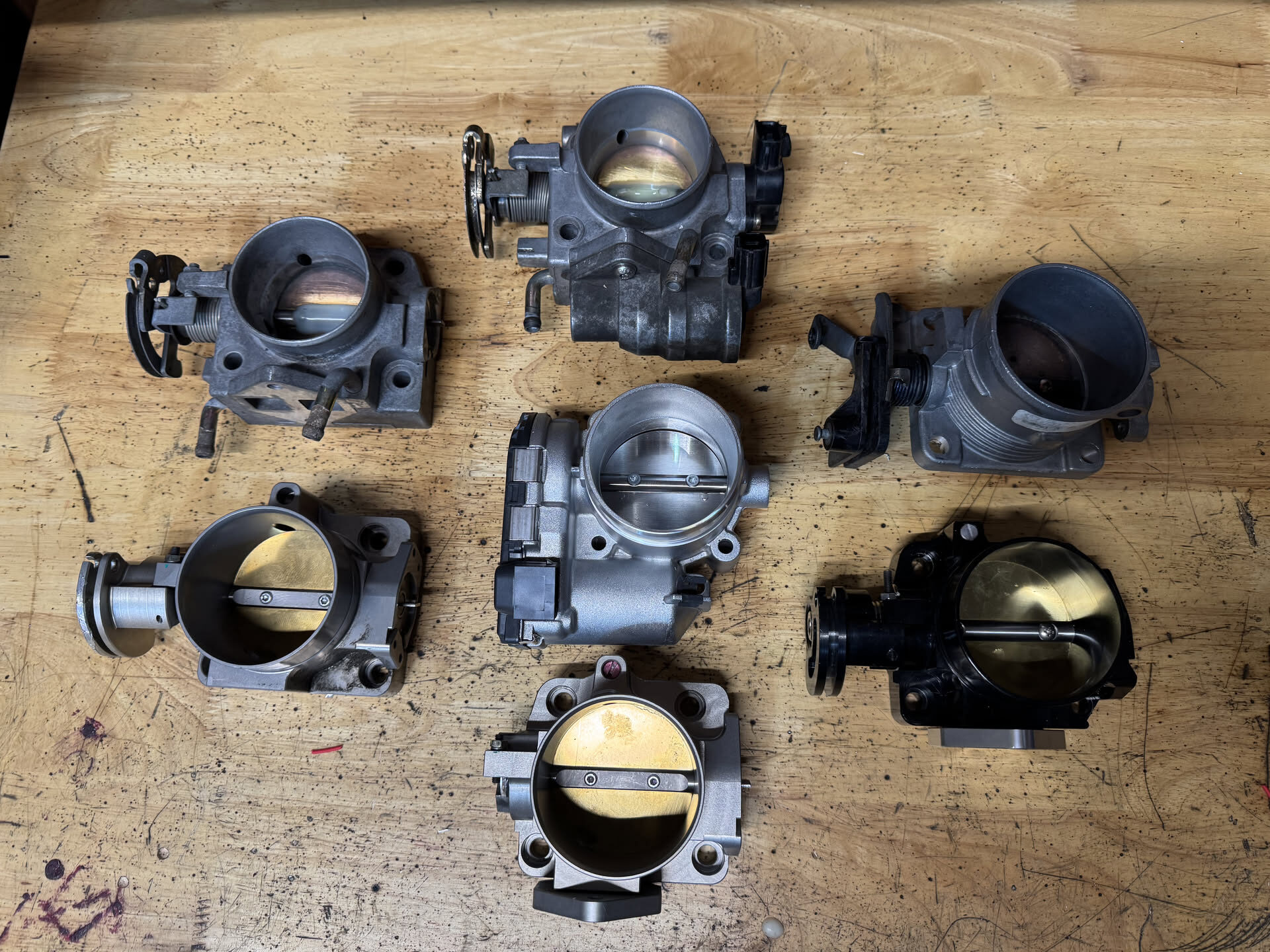
The conversion process typically begins with the selection of a reliable throttle body. The Bosch 60mm electronic throttle body has emerged as the industry standard for the 1.8L BP engine. These units are OEM components for various European manufacturers, ensuring a high level of quality control and long-term durability. Because the Bosch bolt pattern differs from the Mazda intake manifold, adapters from specialized firms like Outsider Garage or ChathamCNC are required to mate the components.
The second critical hardware component is the Accelerator Pedal Position Sensor (APPS). For the Miata platform, tuners have identified two primary paths:

- Pedal Replacement: Swapping the entire pedal assembly with a unit from a modern vehicle, such as a Mazda RX-8 or a Chevrolet Corvette.
- Remote Cable Sensor: Utilizing a Honda-sourced remote sensor (commonly found in 2003–2007 V6 Accords). This sensor is mounted in the engine bay and actuated by the original throttle cable, preserving the original pedal feel while converting the mechanical movement into an electronic signal.
The chronology of a typical conversion involves an initial phase of mechanical mounting, followed by the wiring of the CAN-bus network, and finally, the calibration of the PID (Proportional-Integral-Derivative) loops within the controller to ensure the throttle plate tracks the pedal position accurately and without oscillation.
Industry Analysis and Broader Implications
The shift toward DBW in the Miata community is indicative of a broader trend in the global tuning industry where "analog" cars are being retrofitted with "digital" reliability. Industry analysts suggest that as mechanical parts for vintage platforms become harder to source or fail to meet the demands of modern track use, the reliance on high-volume OEM electronic components will only increase.
From a safety perspective, the move to DBW is generally viewed as a positive evolution. While the idea of "fly-by-wire" initially met with skepticism among purists, the dual-redundancy protocols and the ability of the ECU to instantly cut power in the event of a sensor failure provide a safety margin that a simple mechanical cable cannot match.
Furthermore, the integration of DBW allows for better environmental management. Electronic throttles can be programmed to optimize airflow during cold starts and varying atmospheric conditions, potentially reducing emissions and improving drivability for cars that serve dual roles as track machines and street-legal commuters.

Conclusion and Future Outlook
The conversion of the NB Mazda Miata to drive-by-wire represents a significant milestone in the lifecycle of the platform. By leveraging components like the Bosch 60mm throttle body and the latest CAN-bus controllers from manufacturers like AMP EFI and SPTronics, enthusiasts are successfully addressing long-standing mechanical weaknesses. As this technology becomes more accessible and the documentation for integration with systems like Megasquirt matures, it is expected that DBW will become a standard requirement for any high-performance Miata build. The transition not only secures the reliability of the vehicle on the track but also unlocks a new realm of software-defined performance characteristics that will keep the Miata competitive in the evolving landscape of grassroots motorsport.