Retno Hari Mulyono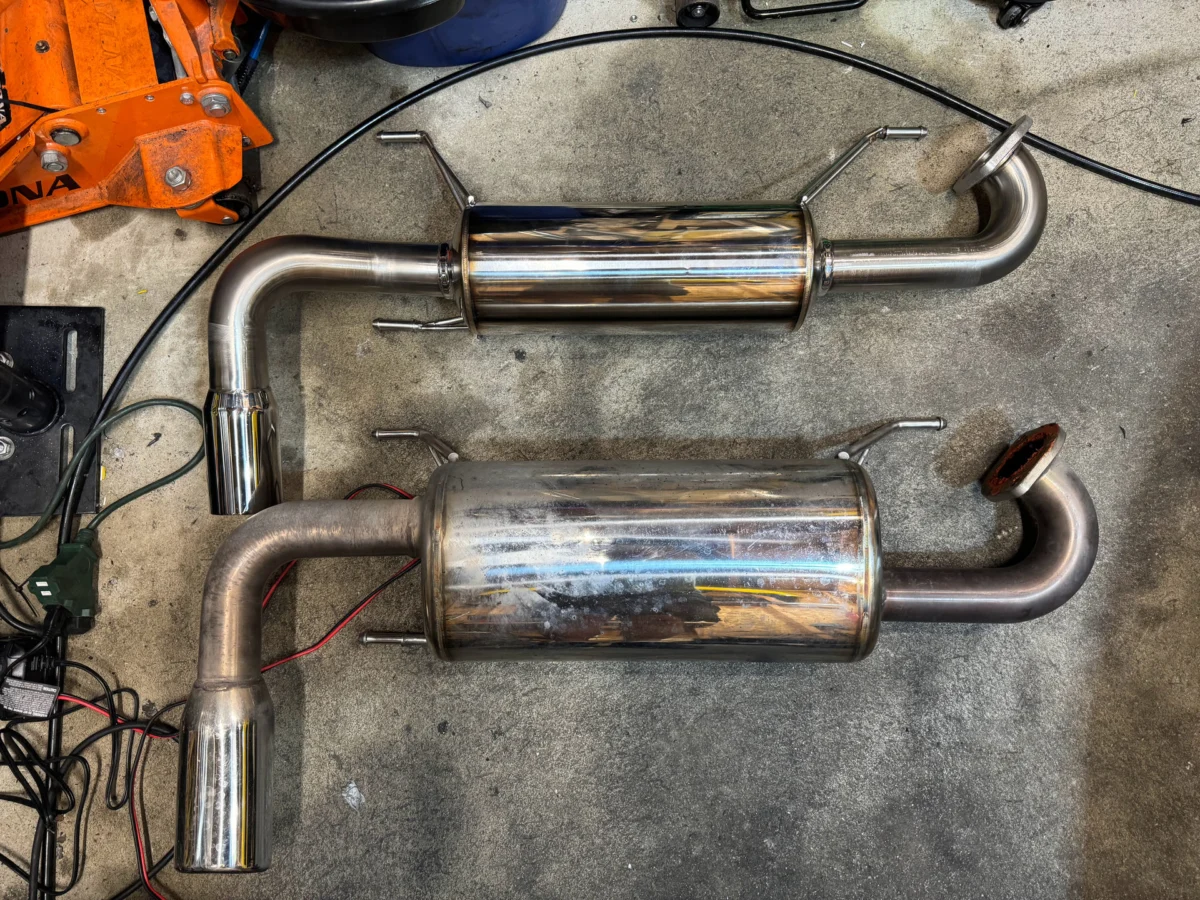
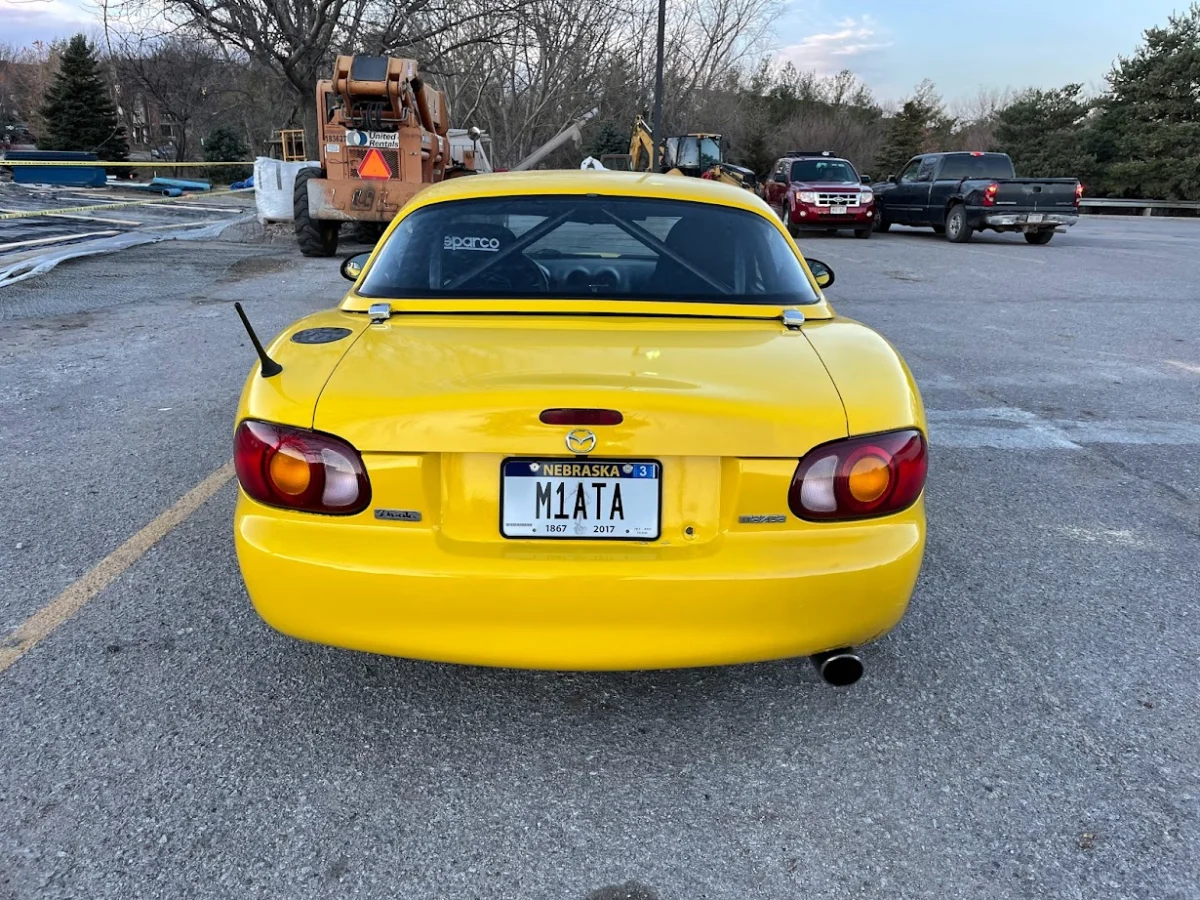
The evolution of a grassroots racing platform requires a meticulous balance of mechanical engineering, logistical planning, and consistent seat time, as demonstrated by the four-year development cycle of a second-generation Mazda MX-5, commonly known as the NB Miata. From March 2024 through February 2025, this specific vehicle underwent a rigorous series of upgrades and competitive trials that highlighted both the potential and the inherent risks of performance tuning. The year was defined by a major engine swap attempt, the professionalization of track-side logistics through a custom-built towing and camping setup, and the achievement of lap times that surpassed established class records at regional circuits.
Technical Overhaul and the VVT Engine Challenge
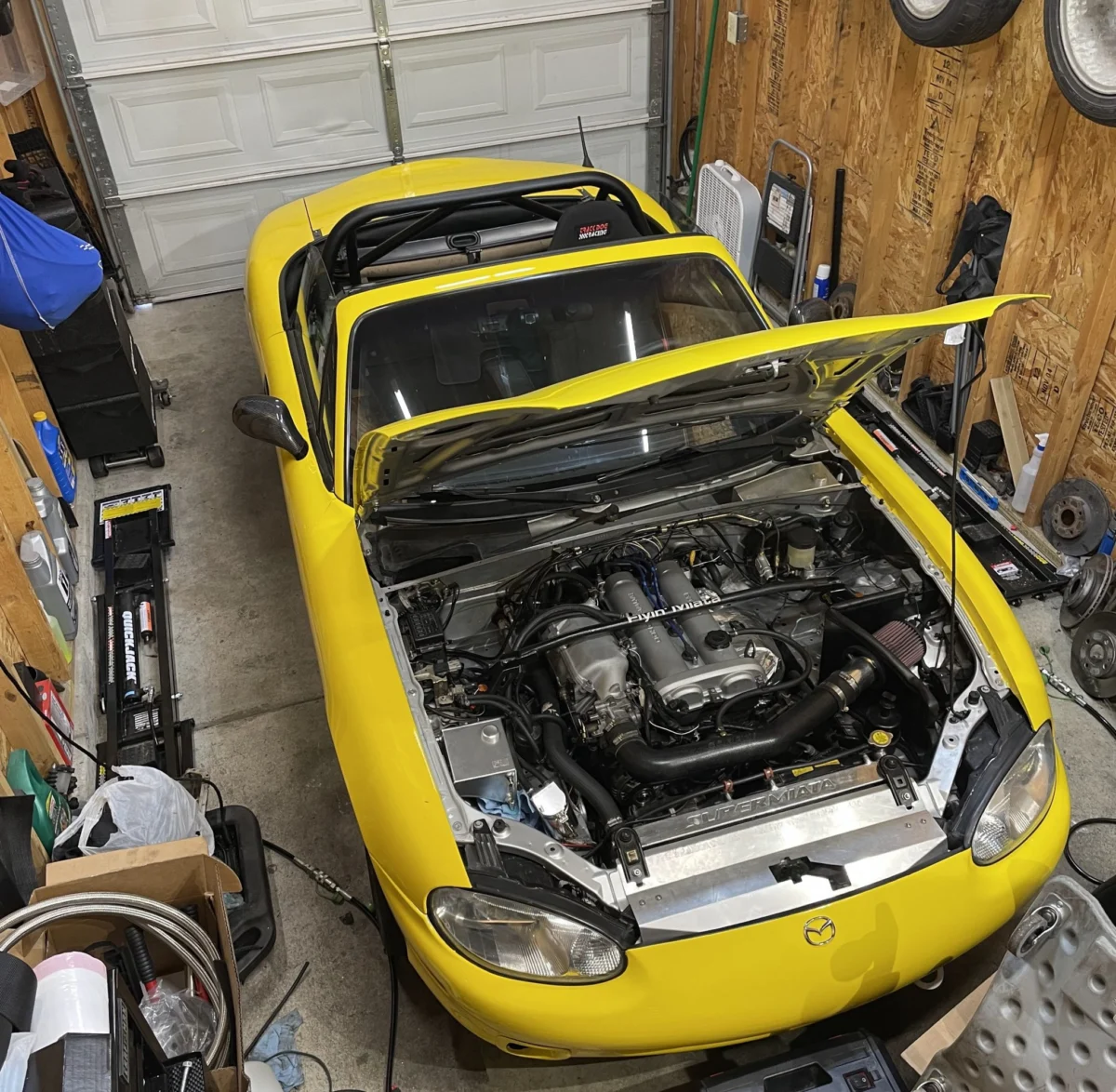
The primary mechanical objective for the 2024 season was the integration of a BP6D Variable Valve Timing (VVT) motor, sourced from a later-model NB Miata, to replace the original BP4W engine. The VVT system is highly regarded in the Mazda tuning community for its ability to broaden the power band, providing better low-end torque without sacrificing high-end horsepower. However, the project exemplified the "slippery slope" of automotive restoration. During the preparation phase, it was discovered that the cylinder head valves were not sealing effectively, leading to a comprehensive head rebuild.
The engine was further enhanced with a DIY cylinder hone, new OEM rings, and aftermarket pistons. To handle the increased performance, the owner opted for a six-speed manual transmission, replacing the factory five-speed unit. Despite these preparations, the high-stress environment of competitive driving revealed a critical failure point. During an autocross event in late March, the cooling system succumbed to excessive pressure at near-redline RPMs, resulting in a blown freeze plug and a minor head gasket failure.
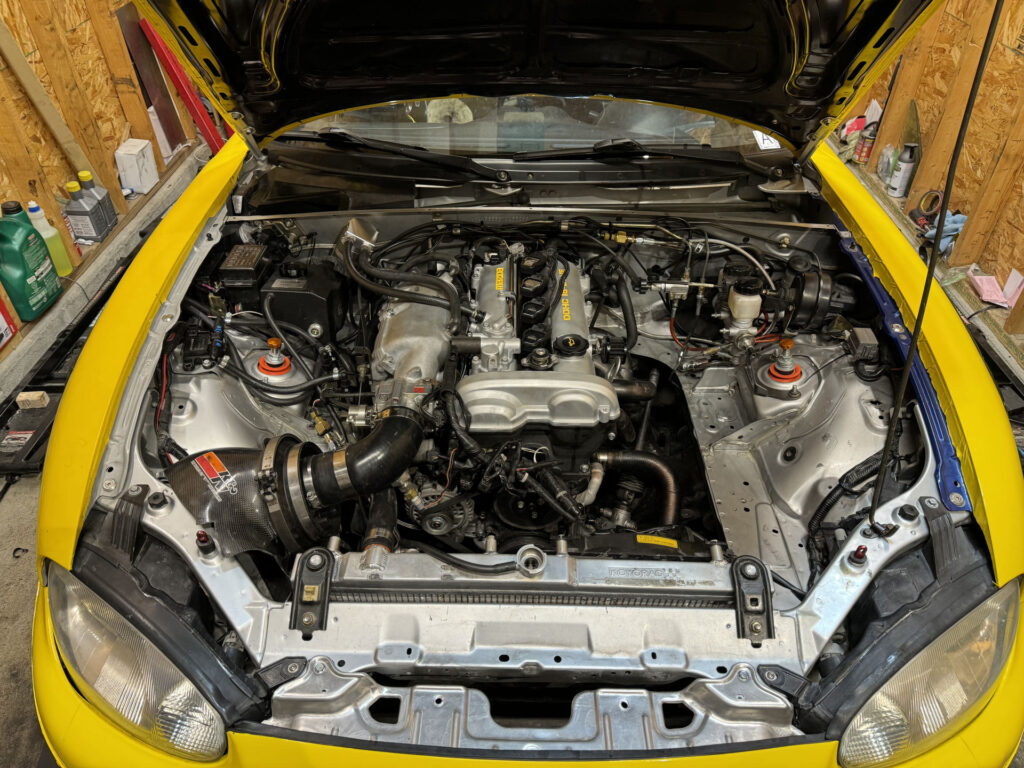
The technical setback forced a strategic retreat; the owner reinstalled the original BP4W motor to ensure reliability for the remainder of the racing season, though the six-speed transmission was retained. This decision underscores a common theme in grassroots motorsports: the necessity of prioritizing "up-time" and seat time over unproven performance gains. A subsequent teardown in December 2024 revealed minor cylinder wall wear and microscopic scratches on the head surface, prompting further investigation into precision machining and the potential use of advanced sealants like Hylomar for future assemblies.
Thermal Management and Aerodynamic Efficiency
In April 2024, the focus shifted to thermal management, specifically addressing the braking system’s longevity. The vehicle utilizes a Supermiata BX11 brake kit, which provides significant stopping power but suffers from rapid pad wear due to the thin profile of the pads. To mitigate this, custom brake cooling ducts were installed. The design featured a modular two-section hose with a central coupler, allowing for the cost-effective replacement of damaged sections—a frequent occurrence in track environments where debris and vibration are constant factors.
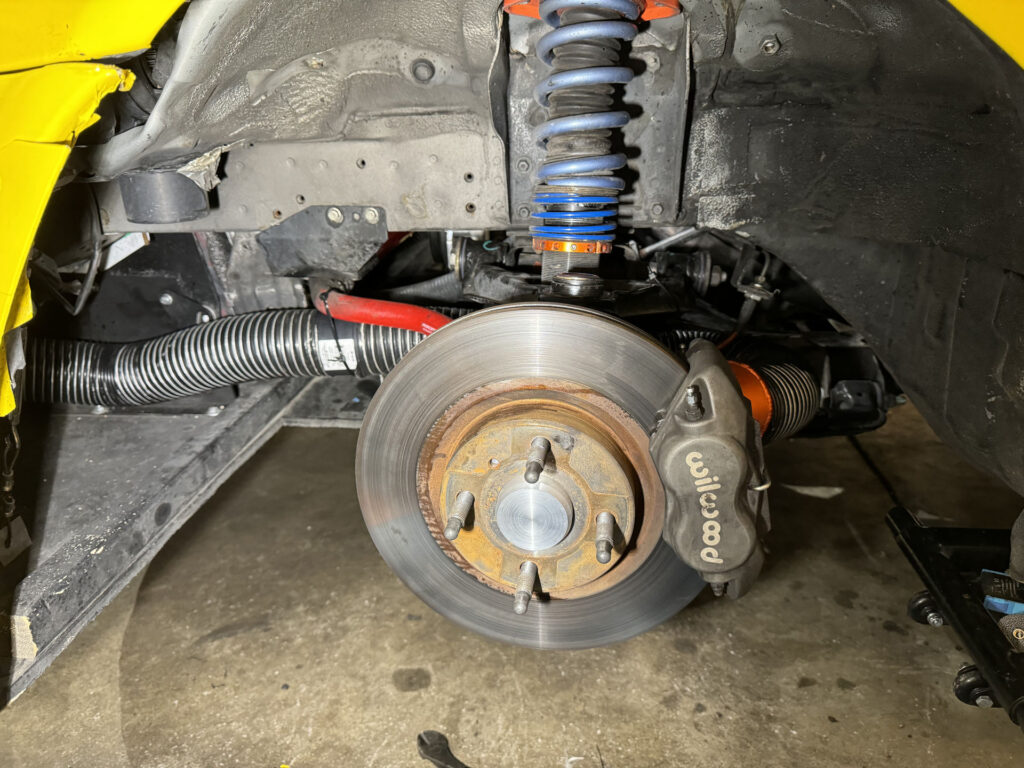
Data collected following the installation indicated that the brake ducts approximately doubled the lifespan of the pads. This improvement represents a significant reduction in seasonal maintenance costs and provides more consistent pedal feel during long sessions.
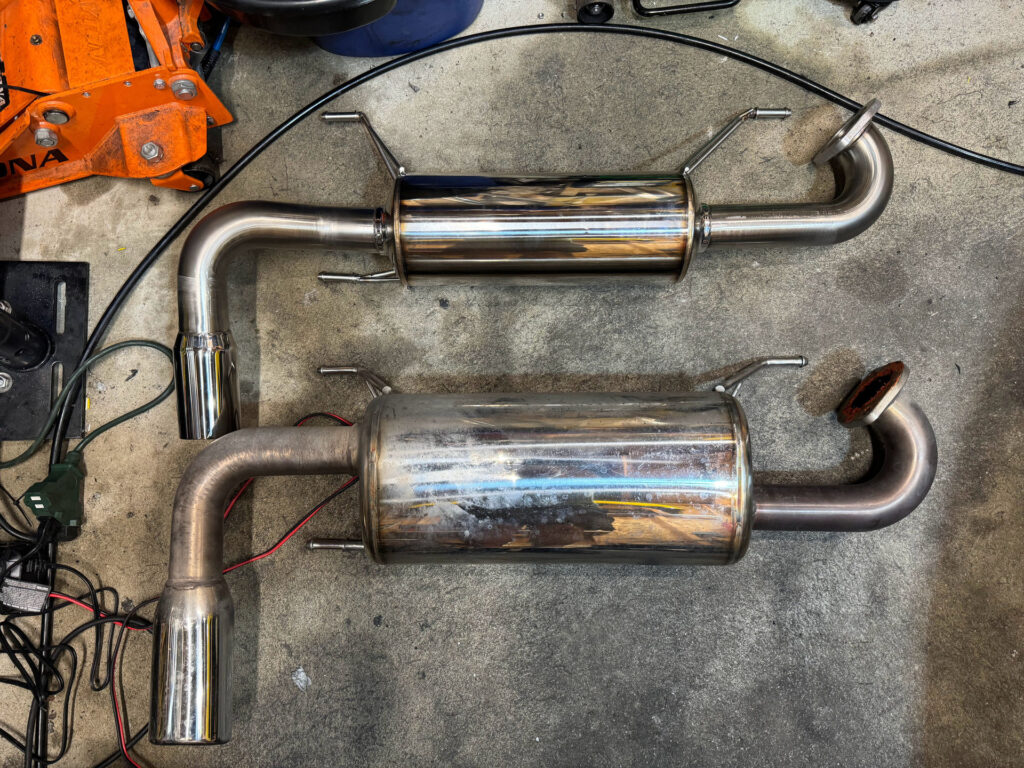
The vehicle’s acoustic and weight profile was also modified in May 2024. The existing Racing Beat Power Pulse muffler was replaced with a Racing Beat Race Muffler. This modification was part of a broader exhaust strategy involving a Raceland header and a resonated midpipe. The upgrade achieved a dual objective: reducing the vehicle’s total weight and providing a more aggressive exhaust note that remained within the decibel limits enforced by most North American racing circuits.
Competitive Performance and Lap Time Analysis
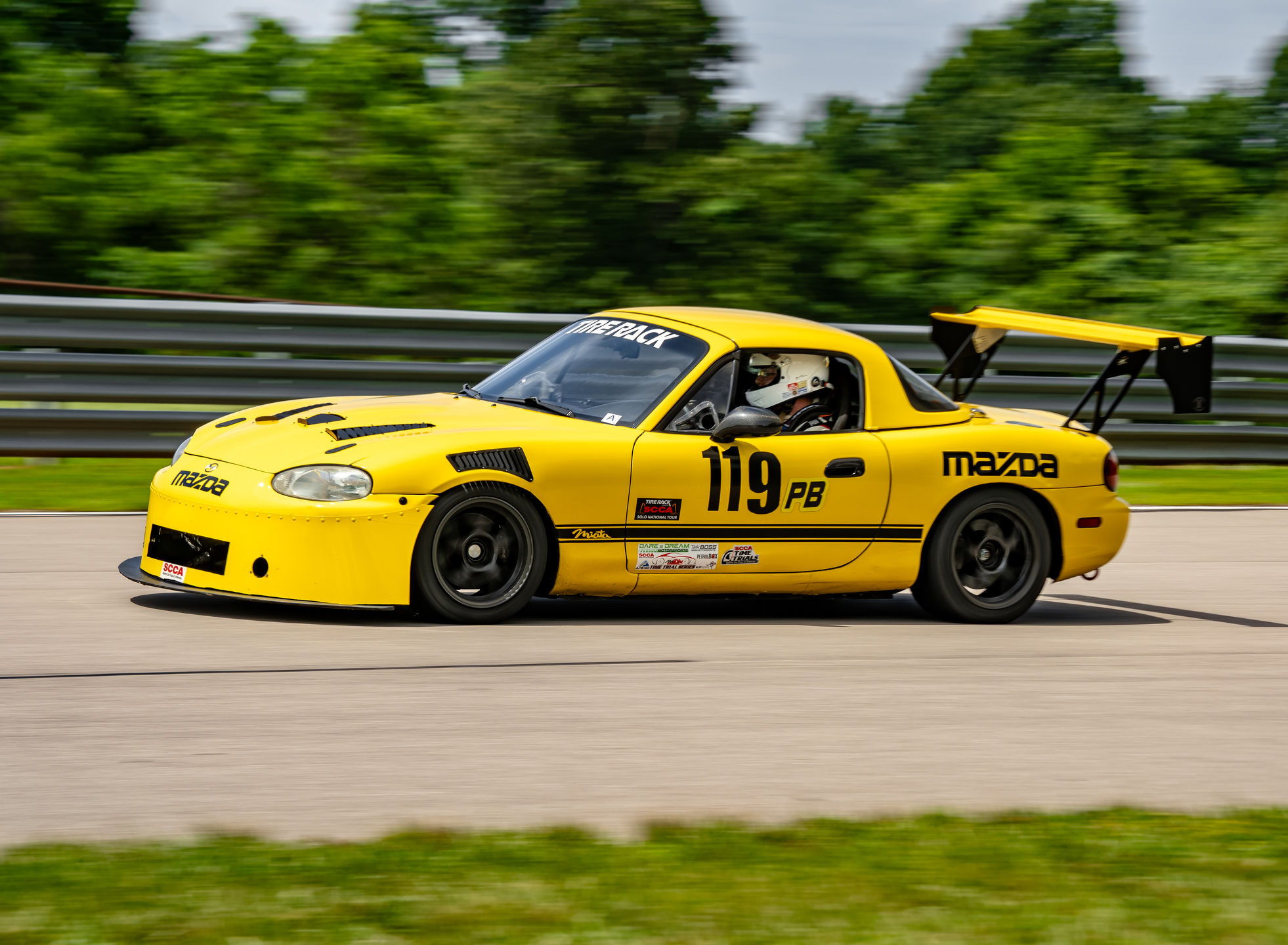
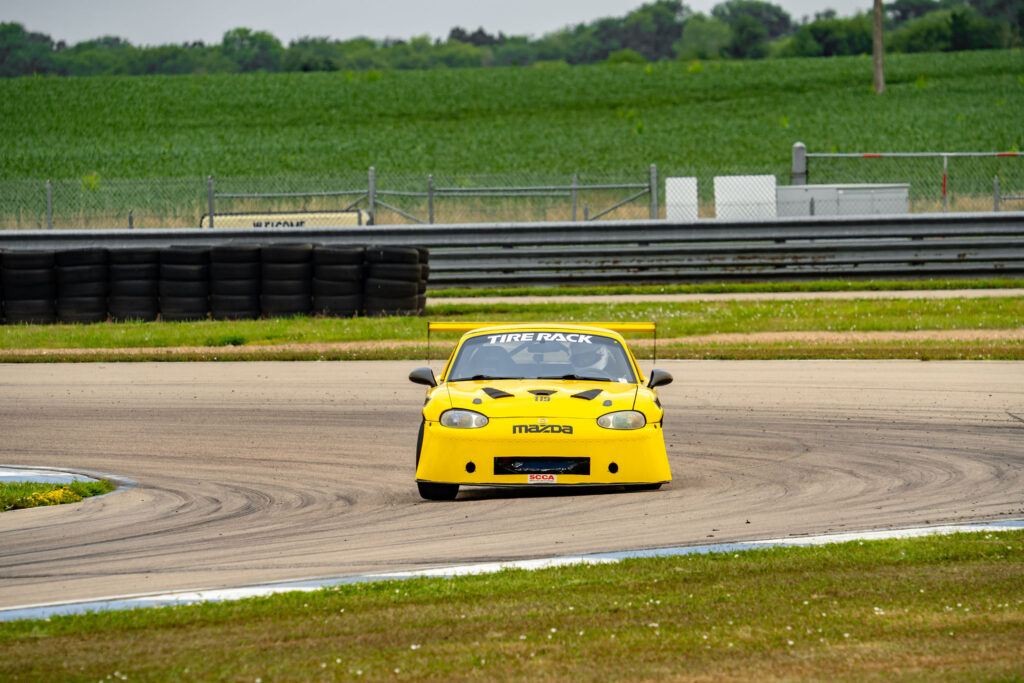
The 2024 season saw the NB Miata compete at several premier Midwestern tracks, including Ozarks International Raceway, High Plains Raceway, and Motorsports Park Hastings. The performance at Hastings in August served as the season’s quantitative benchmark. Participating in the SCCA Time Trials, the driver recorded a fastest lap of 1:39.19.
To put this data in context, the time was 3.59 seconds faster than the previous year’s personal best. More significantly, the 1:39.19 lap is faster than the NASA Spec Miata track record of 1:40.415 and the NASA TT6 record of 1:39.625. While the car did not quite reach the NASA TT5 record of 1:34.110, its performance places it firmly at the top of its class, demonstrating that incremental chassis and braking refinements can yield results comparable to more heavily modified vehicles.
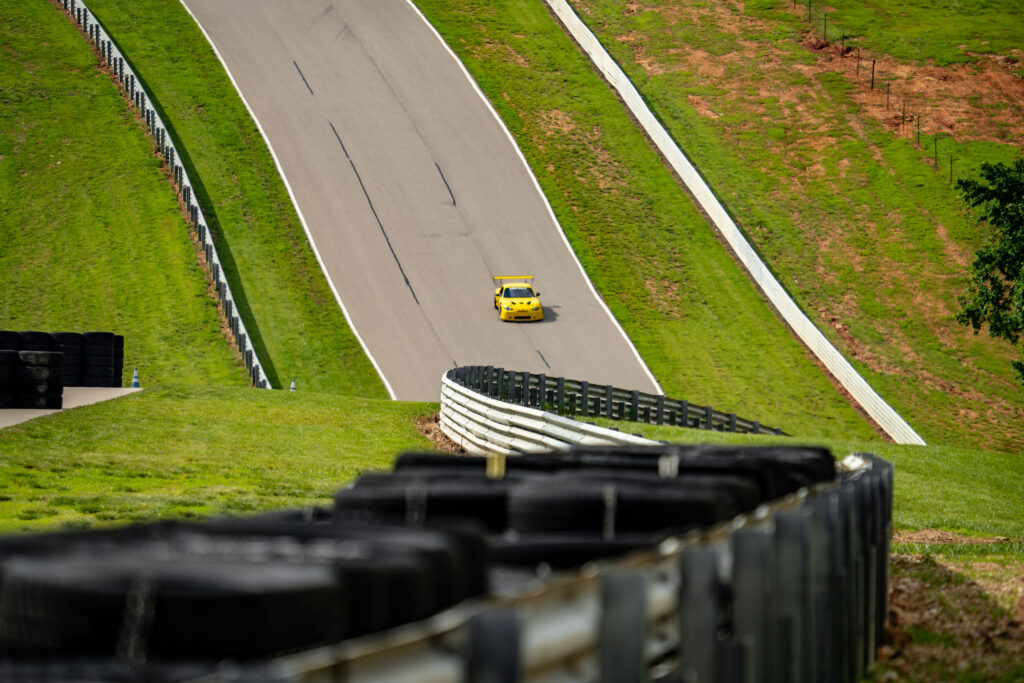
The season concluded at the Hallett Motor Racing Circuit in November. The event was unique for running the track in both clockwise and counter-clockwise directions on the same day. Despite worn tires and rear-wheel lockup issues that led to flat-spotting, the driver reported improved times in both directions, attributing the success to increased familiarity with the vehicle’s limit-handling characteristics.
Logistical Evolution: Towing and Track-Side Habitability
A significant portion of the fourth year was dedicated to improving the logistics of racing. In June 2024, the acquisition of a dedicated towing vehicle allowed for a transition away from the "tire trailer" method, where the race car is driven to the track while towing its own spares. The move to a truck-and-trailer setup, while doubling fuel costs, significantly reduced driver fatigue on long-distance trips, such as the 900-mile round trip to High Plains Raceway.
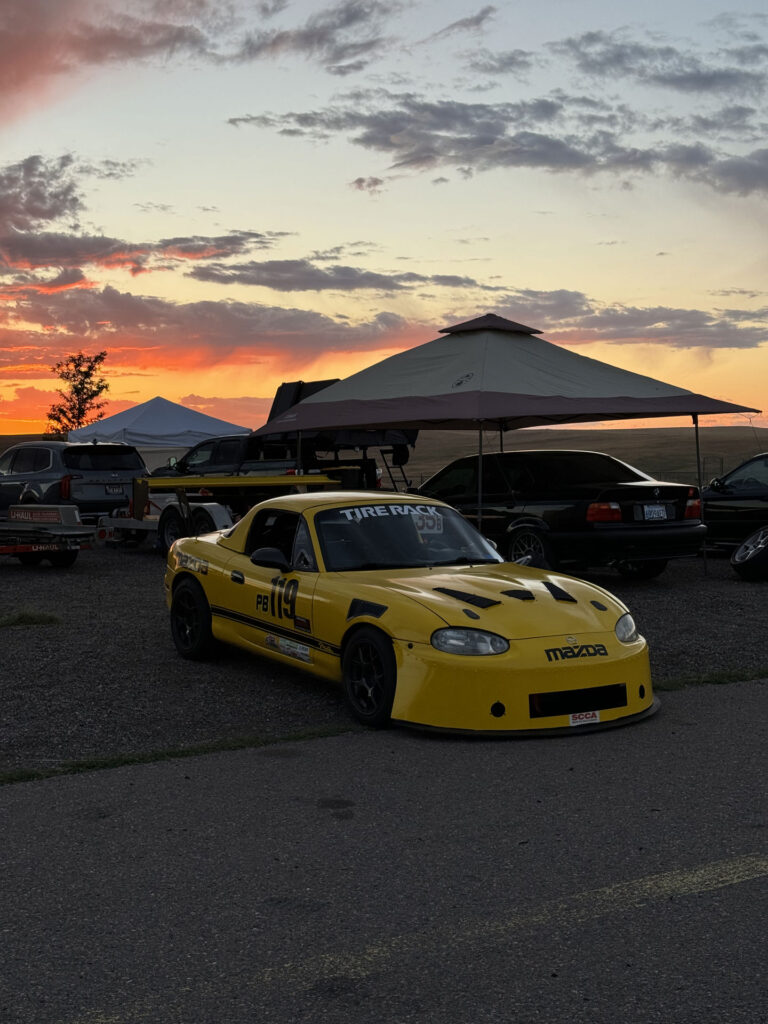
The logistics suite was expanded with two major projects:
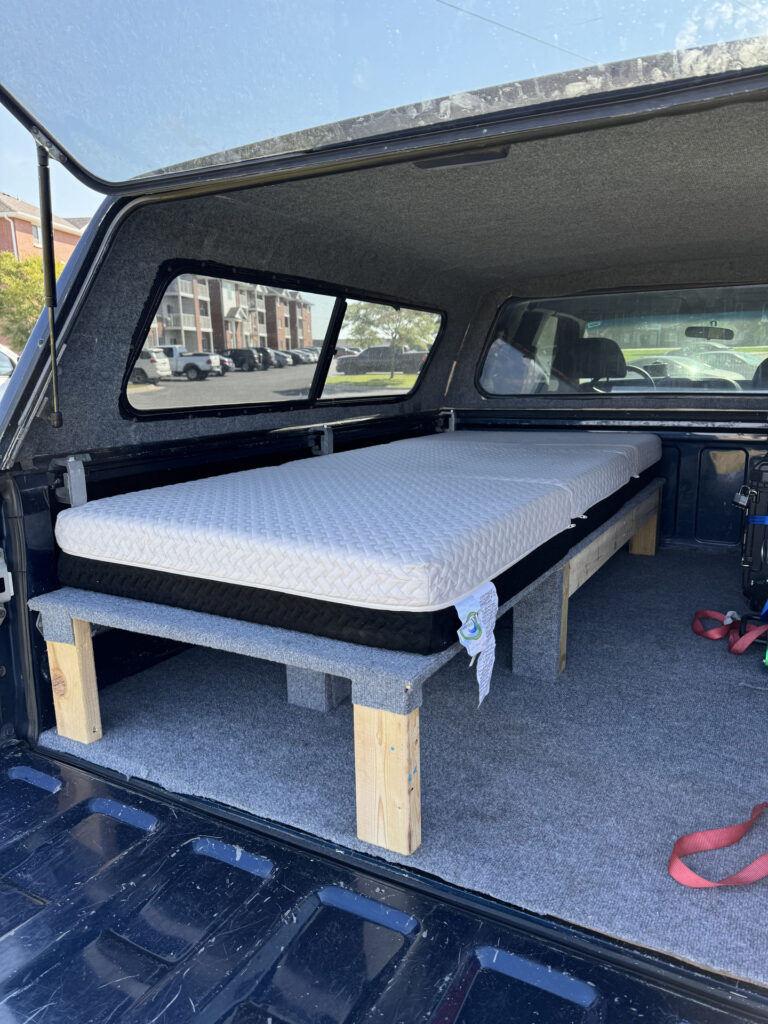
- Truck Bed Camping System: To avoid the time-consuming setup of traditional tents, the owner converted the truck bed into a mobile sleeping quarters. The build included a custom-fitted topper, a MaxxFan Deluxe RV roof vent for climate control, solar panels for auxiliary power, and a removable memory foam mattress platform. This "base camp" approach allows for rapid deployment and protection from inclement weather.
- Open Car Hauler Optimization: In October, the owner finalized modifications to an 18-foot open car hauler. Enhancements included a winch for non-running vehicle recovery, a tongue-mounted toolbox, a tire rack, and an LED lighting system for night loading. A notable technical challenge remained the dovetail angle of the trailer; the low ground clearance of the Miata required the use of 2×6 wood blocks to prevent the frame rails and front splitter from scraping during loading.
Communications and Telemetry Integration
As the driver’s competitive focus sharpened, the need for real-time data and communication became apparent. In February 2025, a GMRS (General Mobile Radio Service) racing radio system was integrated into the vehicle. Using a Baofeng UV-5R base unit hard-wired to the car’s 12V system, the setup allows the driver to communicate with family and crew members in the pits.
This system is particularly valuable during Time Trials, where the driver is often unaware of their standing relative to the rest of the field. By leveraging live timing data accessible to the pit crew, the driver can receive real-time updates on whether to push for a faster lap or conserve equipment. The installation featured a NASCAR-style harness rewired for IMSA connectors and a steering wheel-mounted push-to-talk (PTT) button for ergonomic safety at high speeds.
Telemetry data remains a cornerstone of the development process. The use of a Garmin Catalyst coach and lap timer provided a detailed breakdown of the year’s activity: 392 laps completed, totaling 12.1 hours of track time across 16 separate days. Over the lifetime of the vehicle’s current configuration, the Catalyst has recorded over 1,000 laps, providing a robust dataset for analyzing cornering speeds and braking zones.
Future Implications for the 2025 Season
As the vehicle enters its fifth year of ownership, the focus has shifted toward maximizing the efficiency of the existing BP4W engine. In January 2025, a Skunk2 intake manifold was installed to replace the previous "Squaretop" unit. While the power gains are expected to be modest—estimated at 1 to 4 wheel horsepower—the primary goal is to flatten the power curve at high RPMs (above 7,000), where the engine spends the majority of its time on track.
The fourth year of the NB Miata project illustrates that the "build" is never truly finished. The transition from a street-driven car to a dedicated, record-challenging track machine involves a constant cycle of failure, analysis, and refinement. By professionalizing both the mechanical aspects of the car and the logistical support systems surrounding it, the owner has created a platform that is not only faster but more sustainable for long-term competition. The 2025 season will likely serve as a test of whether these latest airflow and communication refinements can bridge the gap toward the next tier of Time Trial records.