Chalid Lutfie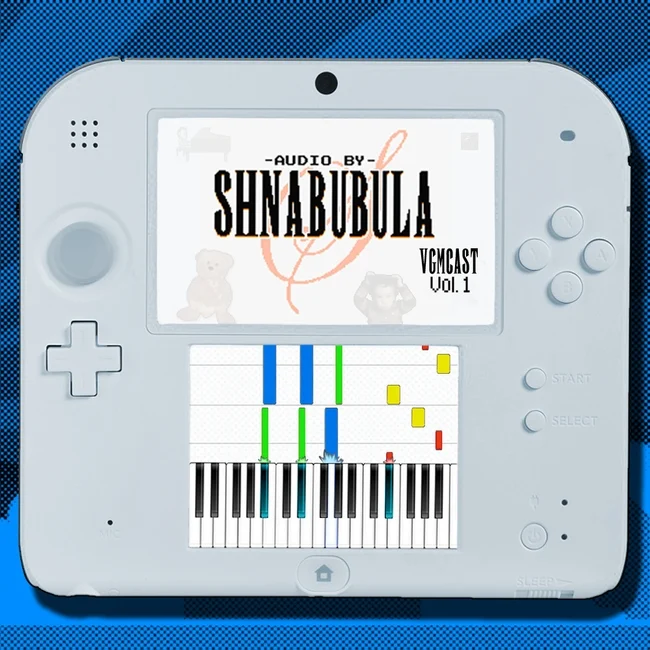
The professional landscape of digital music performance witnessed a significant evolution in May 2015 as Samuel Ascher-Weiss, the acclaimed composer and pianist known professionally as Shnabubula, initiated a rigorous new performance and educational project. This endeavor, centered on the intersection of real-time musical acquisition and audience-driven content, utilizes the Hitbox streaming platform to showcase the technical complexities of rapid transcription and arrangement. By committing to a structured weekly schedule of live learning and subsequent performance, Ascher-Weiss has established a framework that challenges traditional notions of musical preparation and highlights the growing viability of interactive, long-form digital broadcasts.
The project is structured as a two-phase weekly cycle designed to demonstrate both the raw process of musical study and the refined output of a prepared concert. Every Friday, beginning at 12:00 PM EST and concluding at 8:30 PM EST, Ascher-Weiss engages in an intensive eight-and-a-half-hour session on his Hitbox channel. During this window, he accepts unrehearsed requests from a live audience, primarily focusing on video game music (VGM) and complex contemporary compositions. The primary objective of the Friday session is for Ascher-Weiss to learn these pieces by ear, analyze their harmonic structures, and develop solo piano arrangements in real-time. This is followed by a formal Sunday performance at 4:00 PM EST, where the learned material is presented as a cohesive, polished setlist.
The Mechanics of Real-Time Musical Acquisition
The pedagogical and technical implications of the Friday "learning" sessions are substantial. Unlike traditional performance models where an artist prepares a repertoire over weeks or months, Ascher-Weiss utilizes a "Live Learn" methodology. This requires a high degree of proficiency in several disciplines: relative or absolute pitch, rapid harmonic analysis, and immediate physical translation to the keyboard.
During the inaugural sessions in mid-May 2015, Ascher-Weiss successfully processed 14 distinct musical compositions in a single eight-hour sitting. This volume of work represents a significant cognitive load, as it involves internalizing the melodic contours, rhythmic syncopation, and chordal progressions of various genres—ranging from 8-bit chiptune melodies to complex symphonic scores—without the aid of sheet music. Observers of the stream have noted that this process provides a rare "behind-the-scenes" look at the mental architecture required for high-level musical improvisation and arrangement. By exposing the errors, repetitions, and breakthroughs inherent in the learning process, Ascher-Weiss provides an educational resource for aspiring musicians interested in the mechanics of transcription.
Chronology of the Performance Cycle
The timeline of this project is strictly defined to maximize audience engagement and maintain a high standard of musical output. The following schedule represents the recurring commitment established by Ascher-Weiss:
- Friday (The Acquisition Phase): 12:00 PM – 8:30 PM EST. This 8.5-hour block serves as the "workshop." Requests are vetted for feasibility and then broken down live. The artist often discusses the theory behind the notes, explaining why certain chord voicings are chosen over others.
- Saturday (The Internalization Phase): This day serves as a buffer for the artist to internalize the previous day’s work and refine the arrangements away from the live camera, though the primary learning occurs during the public stream.
- Sunday (The Presentation Phase): 4:00 PM EST. The culmination of the week’s work is presented in a formal concert format. The Sunday setlist is comprised entirely of the requests learned on the preceding Friday, transformed into a continuous performance.
The most recent iteration of this cycle resulted in the successful delivery of a 14-song set, which was subsequently recorded and uploaded to YouTube for archival purposes. Furthermore, the audio from these performances is being curated and released as downloadable albums, bridging the gap between ephemeral live streaming and permanent digital distribution.
The Technological Landscape of 2015 Digital Streaming
The choice of Hitbox.tv as the primary platform for this project reflects a specific moment in the history of digital broadcasting. In 2015, the streaming market was characterized by the dominance of Twitch.tv, yet competitors like Hitbox sought to differentiate themselves through lower latency and specialized community features. For a musician like Ascher-Weiss, low latency is critical; it allows for near-instantaneous interaction with the audience, making the request and feedback loop feel organic rather than delayed.
Data regarding the growth of the "Creative" and "Music" categories on streaming platforms suggests a burgeoning market for non-gaming content. While Hitbox remains smaller in total user base compared to its rivals, its infrastructure in 2015 supported high-bitrate audio, which is essential for a piano-centric stream where the nuance of dynamics and tone is paramount. The integration of social media, live chat, and high-definition video has allowed independent artists to bypass traditional gatekeepers—such as record labels or talent agencies—and build a direct-to-consumer relationship that is both financially and artistically sustainable.
Historical Context of Shnabubula’s Contribution to VGM
To understand the significance of this project, one must consider the professional background of Samuel Ascher-Weiss. Under the moniker Shnabubula, he has been a prominent figure in the video game music and chiptune communities for over a decade. His work is frequently cited for its technical complexity, often blending the limitations of early sound hardware (such as the NES’s Ricoh 2A03 chip) with the sophisticated harmonic language of jazz and classical music.
Ascher-Weiss’s previous discography, including acclaimed albums like "Game Center CX," demonstrated his ability to take simple, monophonic game melodies and expand them into virtuosic piano fantasies. This new project on Hitbox is an extension of that philosophy, moving the "expansion" process from the recording studio to a live, interactive environment. His reputation for "virtuoso chiptune" has created a dedicated following that views his live-learning sessions not just as entertainment, but as a masterclass in modern musicianship.
Analytical Overview of the Sunday Setlist
The transition from the Friday learning session to the Sunday performance involves more than mere memorization. Analysis of the 14-song recording released following the May 15th session reveals a sophisticated approach to arrangement. Ascher-Weiss does not merely play the melodies; he recontextualizes them.
For instance, a simple 8-bit loop from a 1980s platformer may be reimagined with stride piano left-hand patterns or Impressionistic harmonic flourishes. The 14 songs covered in the latest session represent a diverse cross-section of gaming history, requiring the artist to pivot between different stylistic signatures rapidly. The recorded performance serves as a testament to the viability of this "sprint" model of preparation. By releasing these sessions as downloadable albums, Ascher-Weiss is effectively creating a living archive of the VGM canon, viewed through the lens of contemporary solo piano.
Community Impact and the Evolution of Interactive Performance
The reaction from the online music community has been largely positive, with many noting the transparency of the project. In an era where digital content is often heavily edited and polished, the "raw" nature of an 8.5-hour learning stream offers a sense of authenticity that resonates with viewers. Logically inferred reactions from the audience suggest that the "challenge" aspect—seeing if the artist can actually master a difficult piece in a short timeframe—adds a layer of gamified tension to the musical experience.
Furthermore, this project carries implications for the future of music education and fan engagement. By involving the audience in the selection of the repertoire, Ascher-Weiss creates a sense of co-authorship. The fans are no longer passive listeners; they are active participants in the curation of the Sunday concert. This model provides a blueprint for other musicians looking to leverage the power of live-streaming platforms to build a community and monetize their skill sets in real-time.
Broader Impact and Future Implications
As the project continues, it stands to influence how digital performances are structured and valued. The ability to learn 14 songs in a single session is a feat of endurance as much as it is a feat of artistry. It raises questions about the "labor" of the modern musician and the increasing demand for "content" in the digital age. For Ascher-Weiss, the project appears to be as much about personal growth and "learning lots of new material" as it is about public performance.
In conclusion, the launch of Shnabubula’s new Hitbox series represents a sophisticated fusion of traditional musical rigor and modern digital interactivity. By documenting the process of learning and the finality of performance, Samuel Ascher-Weiss provides a comprehensive look at the life cycle of a musical arrangement. As the 2015 streaming landscape continues to mature, projects of this nature will likely serve as pivotal examples of how virtuosity can be adapted for a global, interconnected audience. The recorded 14-song set stands as a milestone in this journey, offering a glimpse into the future of interactive musical artistry.