Chalid Lutfie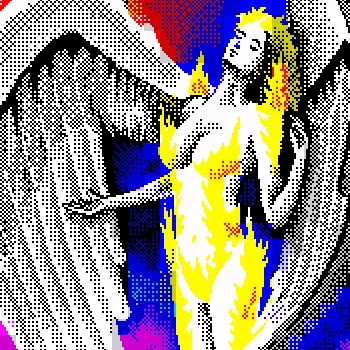
The release of Still Flying marks the formal debut of the electronic musician known as C-Jeff, providing a comprehensive look into the technical and creative capabilities of the ZX Spectrum hardware. Composed entirely within the year 2002, the album represents a significant archival contribution to the chiptune and demoscene communities, utilizing the Pro Tracker 3 music editor to push the boundaries of 8-bit sound synthesis. Marketed under the thematic tagline "lyric music novels," the collection seeks to bridge the gap between technical hardware demonstration and narrative-driven musical composition.
Technological Foundations and the Pro Tracker 3 Environment
The production of Still Flying is rooted in the specific limitations and opportunities provided by the Sinclair ZX Spectrum, an 8-bit personal home computer that became a cornerstone of the European computing scene in the 1980s and maintained a robust hobbyist following well into the 2000s. Unlike modern digital audio workstations (DAWs) that offer near-infinite tracks and high-fidelity sampling, the ZX Spectrum relies on the AY-3-8910 (or the compatible AY-3-8912) Programmable Sound Generator (PSG). This chip is characterized by its three-channel synthesis, capable of producing square waves and white noise, which composers must manipulate to simulate complex polyphony, percussion, and melodic textures.
C-Jeff utilized Pro Tracker 3 (PT3), a sophisticated "tracker" software developed for the ZX Spectrum. Trackers differ from traditional notation or MIDI-based sequencing by using a vertical timeline and hexadecimal code to trigger notes, volume changes, and hardware effects. The mastery of PT3 requires not only musical intuition but a deep understanding of the machine’s CPU cycles and the specific registers of the AY chip. By labeling the tracks as "lyric music novels," C-Jeff suggests a level of structural complexity and emotional resonance that transcends the typically repetitive nature of early video game music.
Chronology of Composition and Competitive History
The timeline of Still Flying is intrinsically linked to the global demoscene—a subculture focused on producing self-contained programs that display advanced real-time graphics and music. The tracks included in the album were not merely studio recordings but were often entries in competitive "compos" held at international demoparties.
In 2002, the track "My Mind is Free" was submitted to the CAFe 2002 demoparty. Due to a linguistic misunderstanding during the registration process, the track was originally titled "My mind free." Despite the minor titling error, the composition was a technical success, securing 13th place in the ZX Spectrum AY Music competition. The track was integrated into the Still Flying tracklist immediately following the conclusion of the event, serving as a cornerstone of the album’s identity.
Later that same year, the composition "Lonely Soul" was produced. Although it was not part of the initial conceptualization of the album, its stylistic alignment with the "lyric music novel" theme led to its eventual inclusion. "Lonely Soul" saw significant critical success at the Paradox 2002 demoparty, where it earned 2nd place in the ZX Spectrum AY Music category. This high ranking underscored C-Jeff’s growing influence within the tracker community and validated the sophisticated harmonic structures utilized in the album.
The Transition to Executable Media: The 2004 Musicdisk Release
Approximately 18 months after the initial compositions were finalized, Still Flying underwent a transformation from a collection of music files into a standalone software product known as a "musicdisk." Released in late 2003 or early 2004, this executable version allowed users to experience the album on original ZX Spectrum hardware or through emulators with a dedicated user interface.
The creation of the musicdisk was a collaborative effort involving several prominent figures in the demoscene:
- Coding: The software engine that allowed for track selection and playback was coded by Vortex.
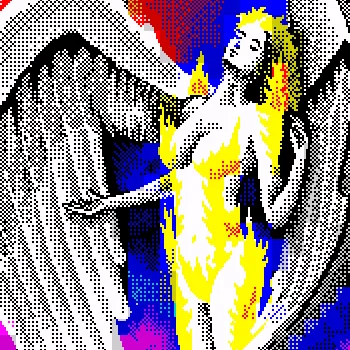
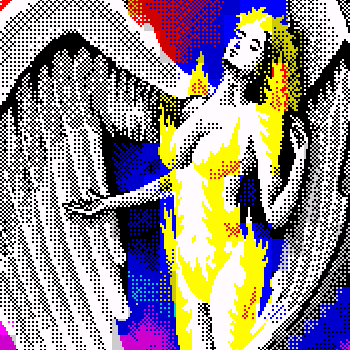
- Graphics: The visual interface and digital artwork were provided by Schafft, ensuring that the visual aesthetic matched the "lyric" nature of the music.
- Packaging: The final digital assembly and compression were handled by Poisoned CyberJack.
This transition from raw audio to a programmed executable is a hallmark of the era’s digital culture, treating a music album as a piece of functional software. This format allowed for the inclusion of metadata, credits, and synchronized visualizers, providing a multi-sensory experience that standard audio formats could not offer at the time.
Technical Credits and Mastering Standards
While the core compositions were the work of C-Jeff, the final polished version of the album benefited from the involvement of established specialists in the field. The mastering process was handled by MmcM (Sergey Myachikh), a highly respected figure in the AY-music community known for his ability to optimize the frequency balance of chip-based audio. Mastering for the AY-3-8912 chip involves ensuring that the sharp square waves do not cause digital clipping when recorded into modern formats, while maintaining the "punch" of the simulated percussion.
The credits for the project are as follows:
- C-Jeff: Composer and Producer
- Schafft: Artwork and Visual Design
- MmcM: Mastering Engineer
The involvement of MmcM is particularly noteworthy, as it signifies a bridge between different generations of Spectrum composers, ensuring that Still Flying met the highest technical standards of the early 21st-century chiptune scene.
Comparative Analysis and Competitive Standing
To understand the impact of Still Flying, it is necessary to examine the competitive landscape of the 2002 demoscene. The 13th-place finish for "My Mind is Free" at CAFe 2002 and the 2nd-place finish for "Lonely Soul" at Paradox 2002 indicate a high level of peer recognition. During this period, competition in the AY Music categories was fierce, often featuring dozens of entries from across Eastern and Western Europe.
The 2nd-place finish at Paradox 2002 is especially significant. Paradox was known for attracting top-tier talent, and a podium finish suggested that C-Jeff’s work was among the elite tier of 8-bit compositions globally. Analysts of the genre point to "Lonely Soul" as an example of "melodic complexity," where the composer manages to create a sense of longing and atmosphere despite the three-voice limitation of the hardware.
Broader Impact on the Chiptune Genre
The release of Still Flying on platforms like Bandcamp in subsequent years has allowed a new generation of listeners to access what was once a niche, hardware-locked experience. The album serves as a historical document of the transition from the "classic" era of the ZX Spectrum (the 1980s) to the "modern" demoscene era (the 2000s and beyond).
The "lyric music novel" concept introduced by C-Jeff has had a lasting influence on how chiptune is categorized. Rather than being viewed solely as background music for games, this approach repositioned 8-bit music as a legitimate medium for storytelling and complex emotional expression. It challenged the notion that low-bitrate, hardware-constrained audio was inherently "simple" or "primitive."
Furthermore, the longevity of Still Flying highlights the enduring nature of the ZX Spectrum community. While the hardware was technically obsolete by the mid-90s, the creative output of the early 2000s, as evidenced by this album, proved that the limitations of the machine acted as a catalyst for innovation rather than a hindrance.
Implications for Digital Archiving
The preservation of Still Flying also raises important points regarding digital archiving. Because the album was released both as a musicdisk and as standard audio, it occupies a unique space in the history of media. The musicdisk version requires specific emulation or original hardware, preserving the "authentic" intended experience of the composer. The availability of the tracks on Bandcamp ensures that the musical content remains accessible even as the underlying software becomes increasingly difficult to run.
As the demoscene continues to be recognized by organizations such as UNESCO as a form of intangible cultural heritage, works like Still Flying provide essential data points for researchers studying the evolution of digital art. The album stands as a testament to a period when programmers and musicians worked in tight-knit groups to extract maximum performance from aging hardware, creating a legacy that continues to resonate in contemporary electronic music.
In conclusion, C-Jeff’s Still Flying is more than a debut album; it is a sophisticated intersection of 20th-century hardware and 21st-century creative ambition. Through its competitive success, collaborative production, and technical mastery of the ZX Spectrum, it remains a definitive example of the "lyric music novel" and a cornerstone of the global chiptune archive.