Indra Gunadi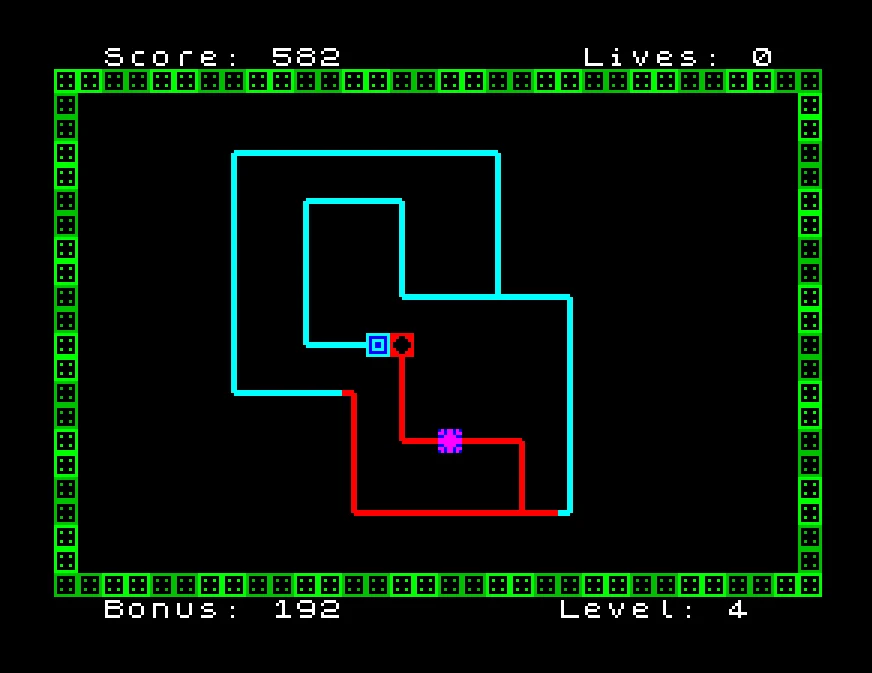
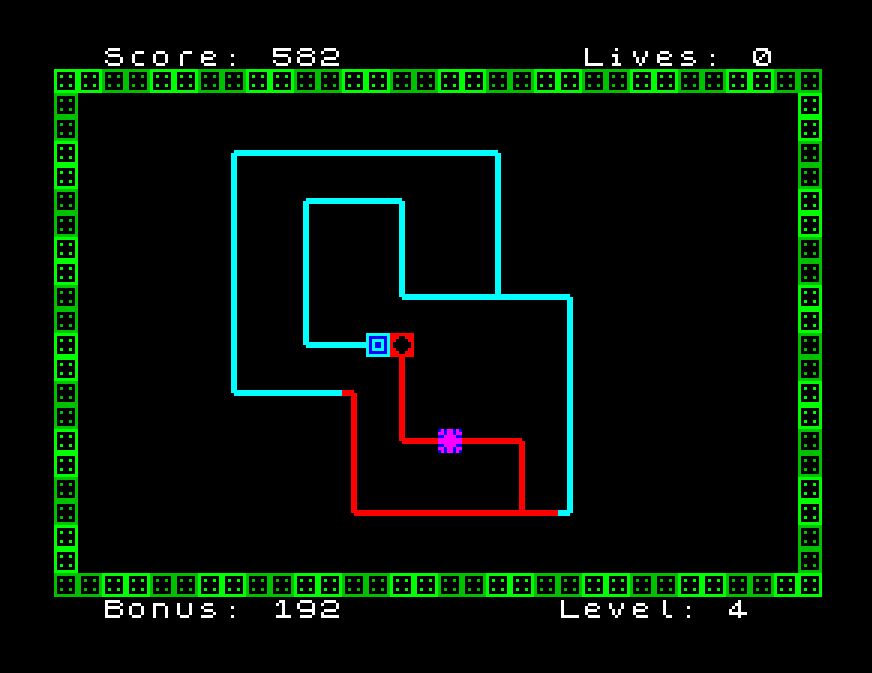
The digital landscape of retro gaming witnessed a notable release on June 29, 2026, with the debut of Pathfinder, a new puzzle-action title developed by Steve Tyson for the iconic ZX Spectrum. This release underscores the enduring vitality of the homebrew scene for classic computing platforms, demonstrating that creativity continues to flourish decades after these machines first captured the public imagination. Pathfinder challenges players across 20 distinct levels, tasking them with navigating intricate mazes by colouring paths red to progress, strategically collecting slow blue squares for bonus points, and deftly avoiding menacing purple enemies. The game is available digitally via Steve Tyson’s Itch.io page, making it accessible to a global community of enthusiasts who either own original hardware or utilize modern emulation solutions.
Gameplay Mechanics and Design Philosophy
Pathfinder presents a deceptively simple premise that quickly unfolds into complex strategic puzzles. The core mechanic involves traversing a grid-based environment, where the player’s movement "paints" the squares red. This act of colouring is not merely aesthetic; it is the primary method of progression, guiding the player through each level’s unique layout. The introduction of specific interactive elements adds layers of strategic depth. The "slow blue square" acts as a risk-reward mechanism; while collecting it yields bonus points, its inherent sluggishness could expose the player to dangers, demanding careful timing and route planning. Conversely, the "purple enemy" represents a direct threat, requiring players to anticipate movement patterns and devise safe pathways to avoid contact.
The design philosophy behind Pathfinder appears to leverage the inherent limitations of the ZX Spectrum, transforming them into creative opportunities. The game’s reliance on clear visual cues—distinct colours for paths, bonuses, and enemies—is a hallmark of effective game design on systems with limited colour palettes and resolution. This minimalist approach necessitates precise level design, where every element serves a distinct purpose, and player engagement is driven by logical problem-solving rather than elaborate graphics or complex narratives. The 20 levels suggest a carefully curated difficulty curve, progressively introducing more challenging layouts and enemy behaviours, designed to hook players with accessible mechanics and retain them through escalating intellectual demands.
The Enduring Appeal of the ZX Spectrum
The release of Pathfinder for the ZX Spectrum in 2026 is a testament to the machine’s profound and lasting legacy. Launched by Sinclair Research in 1982, the ZX Spectrum quickly became a cornerstone of the British home computing boom, selling over five million units worldwide during its lifespan. It played a pivotal role in democratizing access to computing and fostering a generation of programmers and game designers. Its relatively affordable price point and user-friendly BASIC interpreter made it an accessible entry point into the digital world.
Technically, the ZX Spectrum was characterized by its Z80 microprocessor, 48KB or 128KB of RAM, and a distinctive colour display with a resolution of 256×192 pixels. While these specifications are rudimentary by today’s standards, they presented a unique set of challenges and opportunities for developers. The notorious "colour clash" – where adjacent characters on screen could only share two colours from a limited palette – forced developers to innovate, leading to distinct visual styles and ingenious programming tricks. The single-channel beeper sound, while basic, became iconic, with many memorable game soundtracks created within its constraints. The nostalgia associated with these unique characteristics, combined with a vibrant cultural memory of its impact, continues to fuel interest in the platform. For many, the Spectrum represents a golden age of gaming, where creativity often triumphed over raw processing power.
The Vibrant Homebrew Scene: A Chronicle of Revival
The phenomenon of developing new games for retro platforms like the ZX Spectrum is not merely a nostalgic indulgence; it represents a thriving sub-industry and a passionate community effort. While commercial production for the Spectrum ceased in the early 1990s, the turn of the millennium saw a resurgence of interest, driven by the advent of reliable emulation software and the internet’s ability to connect scattered enthusiasts. This laid the groundwork for a burgeoning homebrew scene, where developers, often inspired by their childhood experiences with the machines, began creating new software.
Modern development for the ZX Spectrum benefits from advanced cross-compilation tools and integrated development environments (IDEs) running on contemporary operating systems. These tools abstract away much of the low-level complexity, allowing developers to focus more on game design and less on the minutiae of assembly language programming, though many still choose that path for ultimate optimization. Platforms like Itch.io, where Pathfinder is hosted, provide a frictionless digital distribution channel for these creations, allowing indie developers to reach a global audience without the traditional hurdles of publishing. This ecosystem fosters innovation, allowing for a continuous stream of new titles that explore genres and mechanics in ways that might not have been possible or considered during the Spectrum’s commercial heyday. The dedication required to develop for a constrained platform, balancing technical limitations with creative vision, is a hallmark of this community.
Developer Insights: Steve Tyson’s Vision
While Steve Tyson has not released a formal statement regarding Pathfinder at the time of this article’s publication, inferences can be drawn about the motivations typically driving developers in the retro homebrew scene. It is widely understood that such projects are often "passion projects," born from a deep affection for the original hardware and its unique characteristics. Developers like Tyson are likely drawn to the challenge of working within constraints, believing that such limitations can paradoxically foster greater creativity and ingenuity. The satisfaction of coaxing complex interactions and engaging gameplay from a 40-year-old architecture is a significant motivator.
It is probable that Tyson, like many in the community, aims to contribute to the ongoing legacy of the ZX Spectrum, providing new experiences for a dedicated player base. His choice of a puzzle-action genre suggests an appreciation for gameplay that prioritizes logical thinking and precise execution, qualities that often shine on platforms where graphical fidelity is secondary. The game’s 20 levels indicate a commitment to delivering substantial content, providing players with ample opportunity to engage with the mechanics and master the challenges presented. The public release on Itch.io also points to a desire for accessibility and community engagement, allowing players to easily download and experience the game.
Chronology of a Revival and Community Reception
The journey from the ZX Spectrum’s commercial peak in the mid-1980s to its current status as a vibrant homebrew platform is a fascinating chronology. After declining sales in the late 80s and early 90s, official production ceased. However, enthusiasts kept the flame alive through fanzines, online forums (as the internet emerged), and early emulation efforts. By the early 2000s, more sophisticated emulators and hardware recreations (like FPGA-based systems) began to appear, making it easier than ever to experience the original software. This period also saw the emergence of dedicated communities focused on creating new tools and, subsequently, new games.
The 2010s marked a significant acceleration in homebrew development, with several high-profile releases demonstrating the potential for new, commercially viable titles on retro platforms. Pathfinder‘s release in 2026 solidifies this trend, showcasing that the creative output for the ZX Spectrum is not merely a historical footnote but an ongoing, evolving narrative. The reception from the dedicated retro gaming community is anticipated to be enthusiastic. New releases, particularly those that offer innovative gameplay within classic constraints, are typically met with appreciation for the developer’s dedication and skill. Forums, social media groups, and specialized retro gaming websites will likely buzz with discussions, playthroughs, and reviews of Pathfinder, contributing to its visibility and fostering engagement.
Broader Implications and Future Prospects
The launch of Pathfinder carries implications extending beyond the immediate enjoyment of a new game. For the ZX Spectrum platform itself, it serves as continued validation of its enduring relevance and adaptability. Each new homebrew release reinforces the idea that these machines are not merely museum pieces but living platforms capable of hosting fresh, engaging experiences. This sustained activity encourages new generations of enthusiasts to explore the system, whether through emulation or by acquiring original hardware.
For the broader indie game development landscape, Pathfinder exemplifies the potential for niche market success and the power of passion projects. It demonstrates that creativity and strong game design can transcend technological limitations and find an audience, even for platforms that ceased mainstream production decades ago. This can inspire other developers to explore unconventional platforms or to embrace constraints as a pathway to unique artistic expression.
Furthermore, releases like Pathfinder contribute significantly to the ongoing movement of game preservation. By actively creating new content for historical platforms, developers ensure that the knowledge, tools, and community surrounding these systems remain active and viable. This helps to prevent the obsolescence of valuable computing history and fosters an environment where the skills required to interact with and program these machines are passed down. Steve Tyson’s Pathfinder is more than just a game; it is a contemporary artifact within the larger narrative of retro computing, showcasing how past technologies continue to inspire and entertain in the future. Its release stands as a vibrant affirmation of the ZX Spectrum’s indelible mark on gaming culture and the unwavering dedication of its community.