Edi Durjana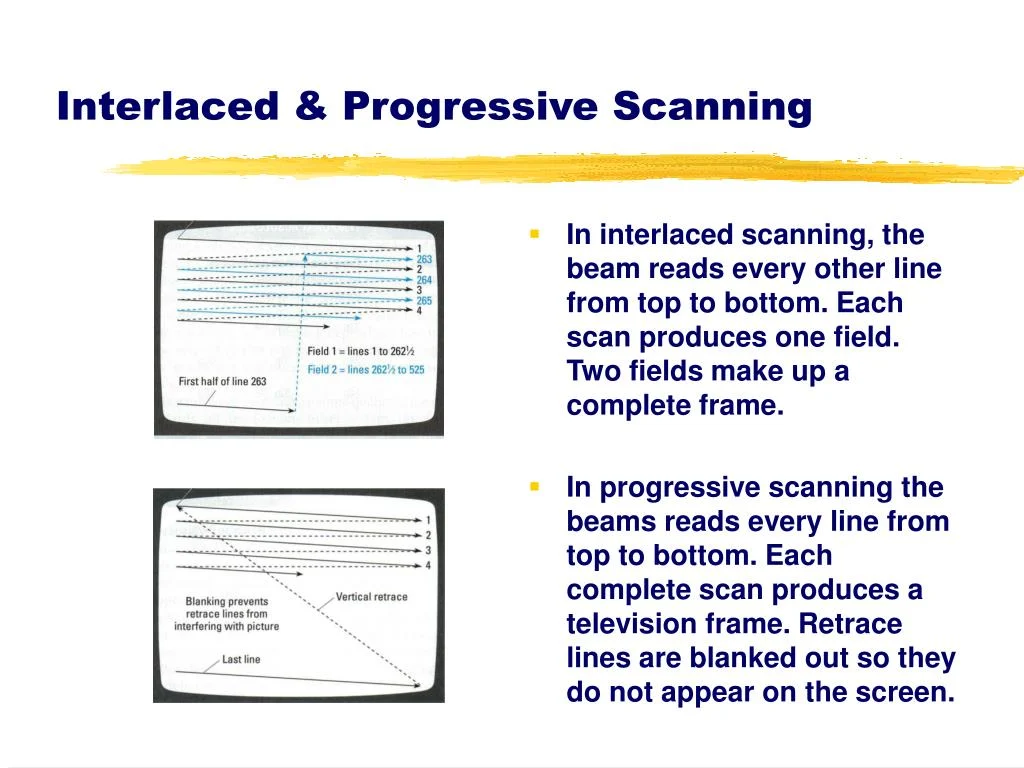
This foundational design choice profoundly influenced nearly every aspect of the console’s visual output, from its remarkable adherence to high framerates to its approach to widescreen gaming and the eventual adoption of progressive scan technologies. Understanding the PS2’s symbiotic relationship with CRT technology is crucial to appreciating its unique technical strengths and the challenges developers navigated during its prolific lifespan.
The Architecture of Analog: Scanlines and Timing
At the heart of the PlayStation 2’s graphical prowess was its Graphics Synthesizer (GS), Sony’s custom GPU, which featured a Cathode Ray Tube Controller (CRTC). Unlike modern GPUs that render to a fixed pixel grid, the GS generated analog video signals designed to paint images onto a CRT screen line by line. This distinction meant that developers prioritized maintaining stable video timing and scanline integrity over absolute pixel count. The PS2’s architecture also included two powerful SIMD coprocessors, Vector Unit 0 (VU0) and Vector Unit 1 (VU1), which provided a fully programmable geometry pipeline, offering hardware features akin to modern mesh shaders nearly two decades before their widespread adoption in PC graphics cards like the GeForce RTX 20 series. This innovative design allowed for highly efficient processing of complex geometries, a significant advantage given the console’s other hardware constraints.
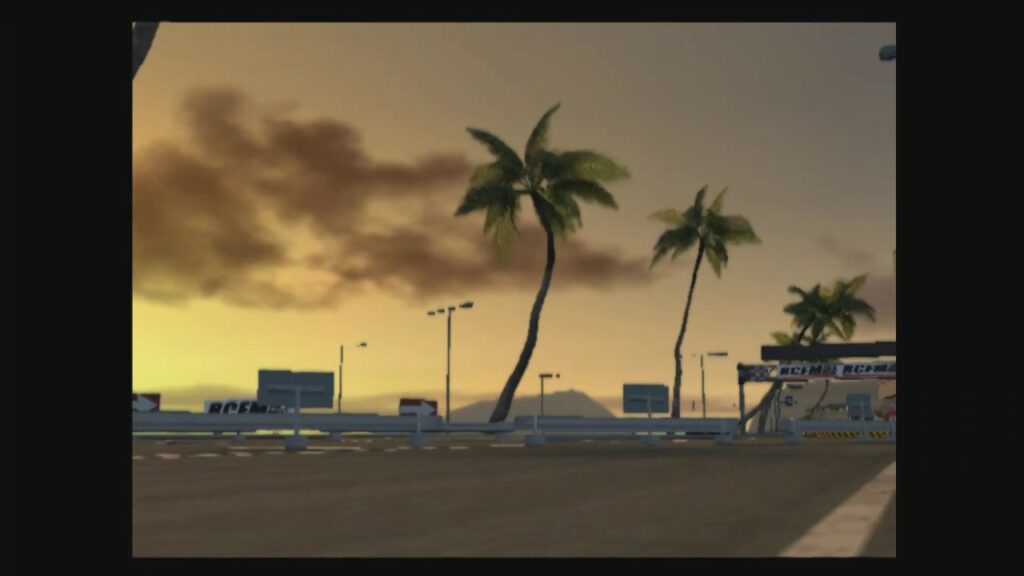
The console’s embedded VRAM for the GS, a mere 4MB, was often insufficient to hold a full 640×480 framebuffer. Sony’s engineers deliberately encouraged developers to view this memory not as traditional VRAM but as a high-speed scratchpad, leveraging the GS’s exceptional bandwidth. Operations typically expensive on other GPUs, such as alpha blending, multipass rendering, and framebuffer copies, were nearly "free" on the PS2, enabling sophisticated visual effects seen in games like Driv3r that would have crippled contemporary hardware.
The Imperative of 60fps: Avoiding Visual Glitches
A defining characteristic of many PlayStation 2 titles, particularly at launch, was their consistent adherence to 60 frames per second (fps) on NTSC systems (or 50fps on PAL). This wasn’t merely a developer’s ambition for smooth gameplay; it was a technical necessity imposed by the console’s rendering modes and the nature of interlaced video.
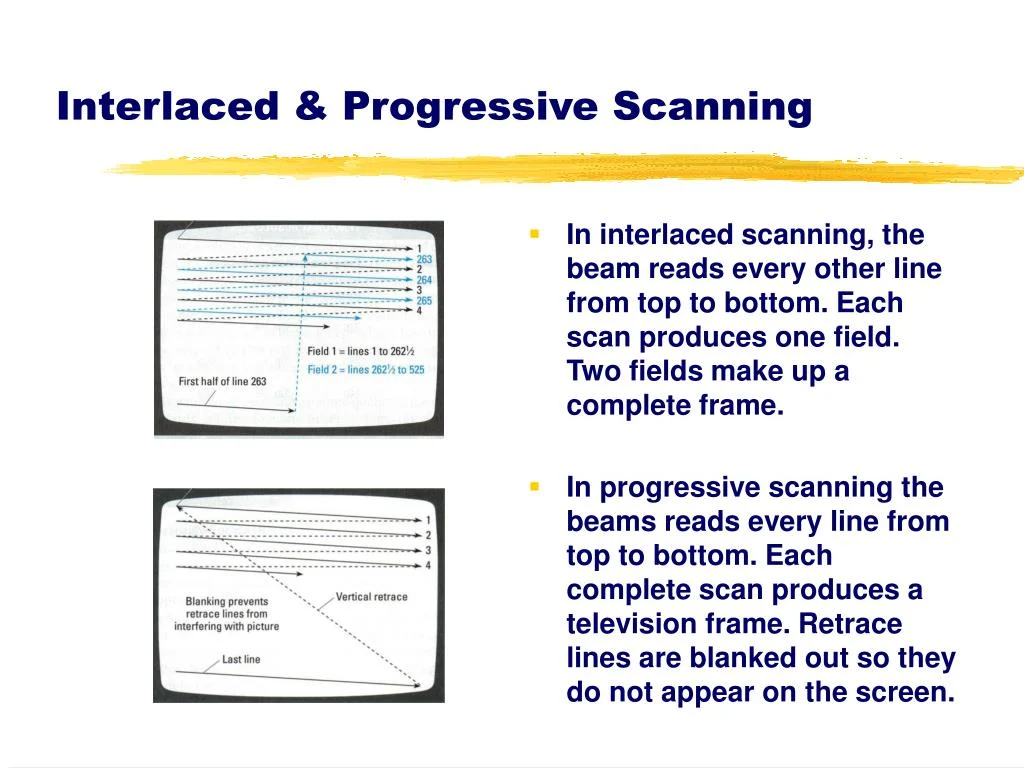
Early versions of the PlayStation 2 Software Development Kit (SDK) primarily supported interlaced scanline modes, which required a 60Hz refresh rate to achieve a resolution like 640×448. Developers later gained the option of using "frame mode" for full frames or "field rendered mode" for interlaced frames. Field rendering, where only half of the scanlines (either odd or even) are drawn in each pass, offered significant memory and performance advantages. By rendering frames at a lower effective resolution, such as 640×240 or 512×224, developers could halve the memory requirements per frame, a critical consideration given the 4MB VRAM limitation. This also reduced the time needed to render each output image, making it easier to hit high framerates.
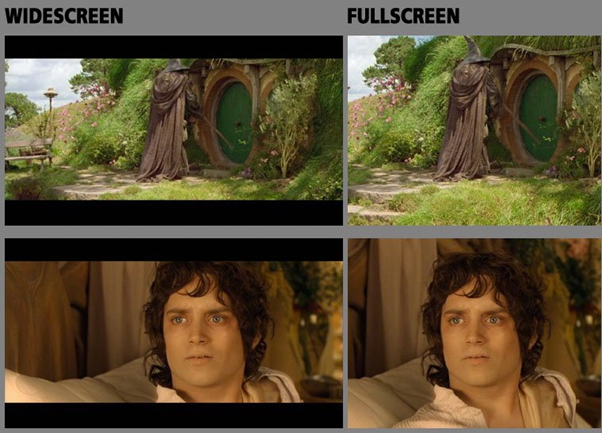
However, field rendering came with a severe caveat: maintaining a perfectly consistent framerate was paramount. If a game missed a frame, forcing the previous one to be displayed twice, the entire image would visibly shift its vertical position by one scanline, creating an jarring "Y-shift" artifact. This made a rock-solid 60fps (or 50fps for PAL) target not just desirable, but essential for acceptable image quality. To avoid this, many games, such as SSX 3, would internally slow down the game or implement dynamic resolution scaling rather than drop frames, thus preserving the visual integrity of the interlaced output.
Conversely, "frame mode" rendered full frames (e.g., 640×448 or 512×448), demanding more rendering time and making a consistent 60fps harder to achieve. Yet, this mode was more forgiving of dropped frames; if a new frame wasn’t ready in time, the screen would simply display the second field from the previous full frame, avoiding the disruptive Y-shift.
For a consistently frame-paced 60fps, field rendering on a CRT TV produced a visually coherent image. The CRT’s inherent analog blending of alternating fields made the half-frames appear as a complete, smooth picture, largely concealing the underlying technical gymnastics from the average user. This efficient and fast rendering mode, coupled with the CRT’s display characteristics, allowed the PS2 to "get away" with its comparatively modest internal resolutions, contributing significantly to its reputation for having a large library of 60fps titles. This technical imperative shaped game development, often forcing developers’ hands to prioritize framerate stability, explaining why PS2 games generally maintained their frametime targets more reliably than titles on contemporary consoles like the original Xbox or GameCube.
The "Jaggies" Misconception: How CRTs Hid Flaws
Early PS2 games often faced criticism for "jaggies" (aliasing artifacts) and a perceived lack of anti-aliasing, especially when compared to the Sega Dreamcast. This issue was compounded by the limitations of early game journalism: many magazines could only capture single frames for screenshots, which, when taken from an interlaced field-rendered game, would only show half the scanlines. This resulted in screenshots that appeared significantly more jagged in print than the games actually looked on a real CRT, where the interlacing and analog blending mitigated these artifacts. The lower effective output resolution, necessitated by the 4MB GS eDRAM, also contributed to these misunderstandings.
Widescreen’s Advent: Anamorphic Dreams and Vert- Realities
The PlayStation 2 launched into an era poised on the cusp of a major shift in television technology and viewing habits. As a console that famously doubled as a DVD player, the PS2 played a significant role in popularizing "anamorphic widescreen" and the 16:9 aspect ratio. While some PlayStation 1 games had experimented with widescreen, 4:3 remained the dominant aspect ratio for console gaming. However, with the rise of DVDs and the increasing availability of 16:9 widescreen CRT TVs in the early to mid-2000s, demand for widescreen gaming grew.
Developers typically implemented widescreen in one of three ways:
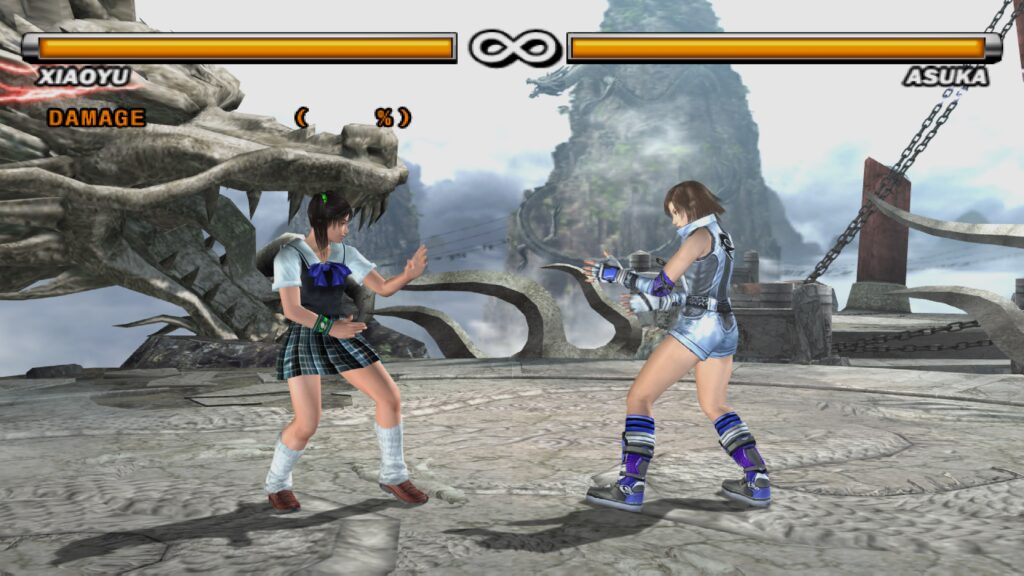
- Vert- (Vertical Minus): The image is cropped at the top and bottom, and then zoomed to fit the 16:9 aspect ratio. This results in a narrower vertical field of view but maintains the original horizontal field.
- Hor+ (Horizontal Plus): The horizontal field of view is expanded, rendering more of the game world on the sides. This is generally considered the "correct" widescreen implementation.
- Hor+ and Vert-: A combination, where some vertical information is cropped, but the horizontal field is also expanded.
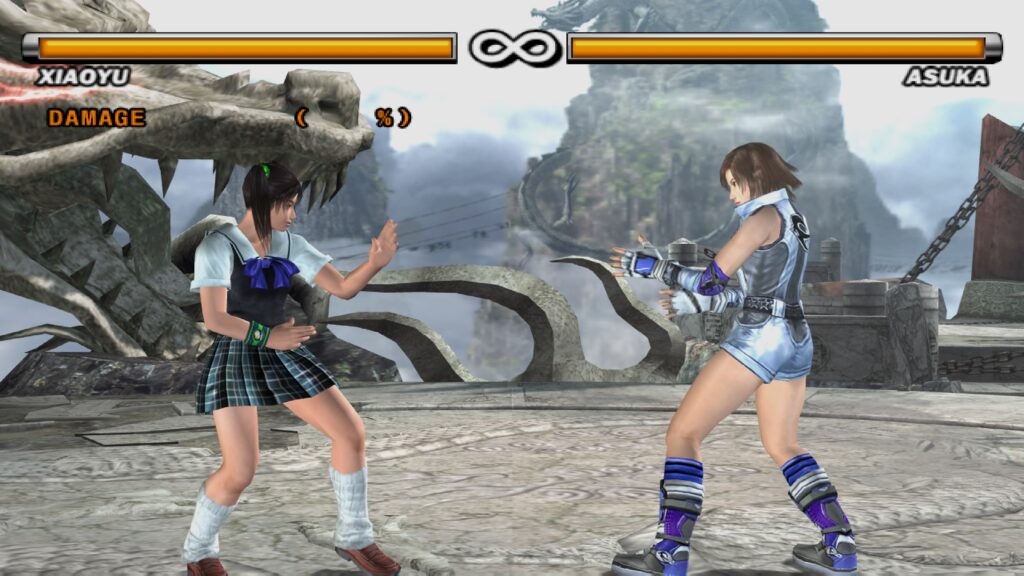
The vast majority of PS2 games, including popular franchises like Ratchet & Clank and Jak and Daxter, opted for the Vert- approach when implementing widescreen modes. Games like Tekken 5 offered a "quasi-widescreen" mode that cropped "unimportant" areas at the top and bottom, then zoomed in. This choice was largely driven by hardware constraints and developer expediency. Zooming and scaling were computationally "free" on the GS, and cropping parts of the image ensured that the render targets could still fit within the precious 4MB of GS VRAM. Implementing Hor+ would necessitate rendering a wider image, requiring a higher horizontal resolution to maintain picture quality, which conflicted with the PS2’s already tight VRAM budget and reliance on CRT blending. Consequently, widescreen on 6th generation consoles often proved frustrating for enthusiasts seeking a truly expanded view of game worlds.
The Dawn of Progressive Scan: EDTVs and Clarity
As the PlayStation 2 neared the tail end of the CRT era, television manufacturers began pushing the boundaries of analog display technology to bridge the gap to digital. This led to the emergence of Enhanced-Definition Televisions (EDTVs) or Extended Definition Televisions. These were essentially SDTVs capable of supporting 480p (NTSC) and 576p (PAL) progressive scan signals. Starting around 2001, progressive scan-capable CRT TVs became available, and game developers began to take advantage of them.
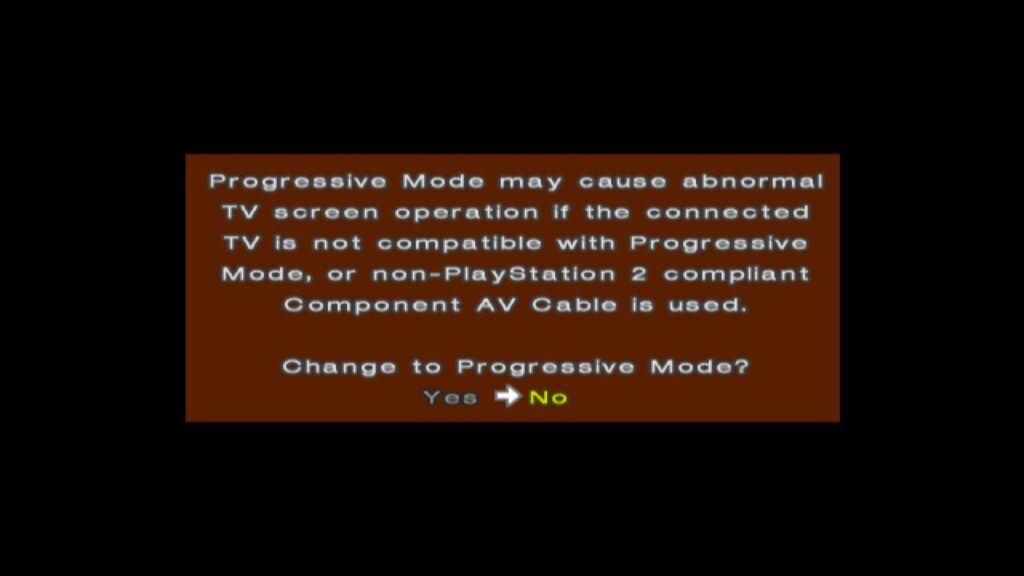
To utilize these progressive scan modes, users needed higher-quality analog connections: component cables (on NTSC TVs) or RGB SCART cables (common in Japan and Europe). Composite and RF-AV connections, being lower fidelity, did not support this feature. Games supporting progressive scan typically offered an option at startup (often by holding X and Triangle) to choose between normal interlaced and progressive scan modes. Progressive scan rendered full, non-interlaced frames, eliminating the "jaggies" and motion artifacts inherent to interlacing and providing full-height backbuffers.
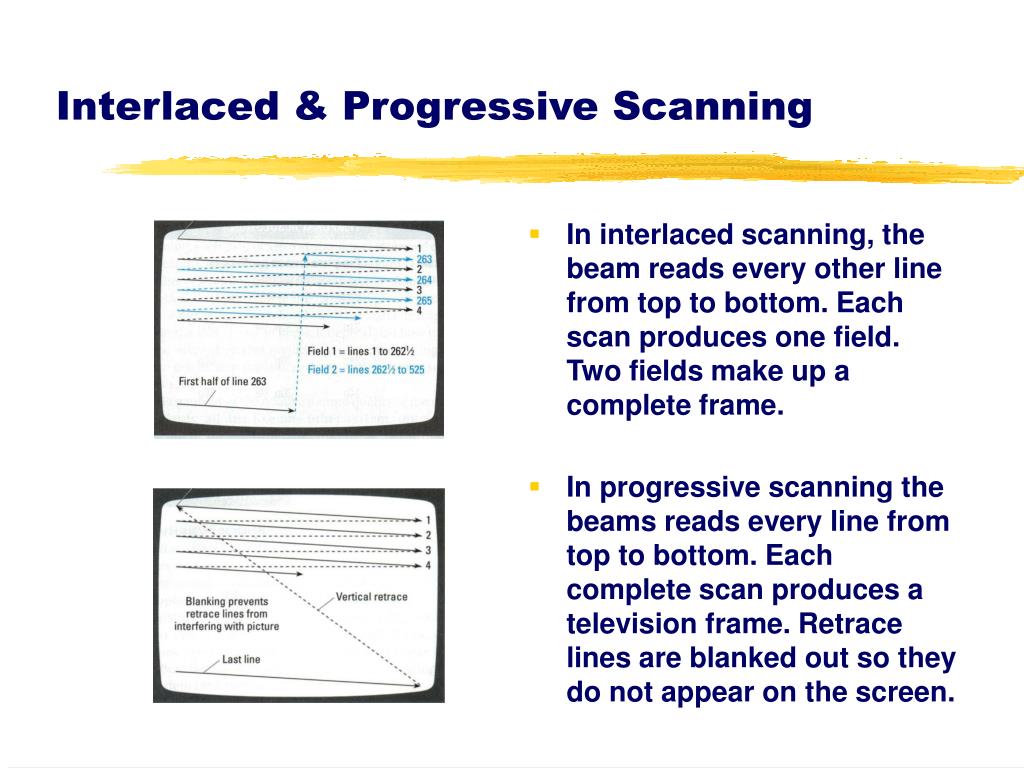
However, even progressive scan often came with trade-offs. Some games, to fit the larger full frames within the 4MB GS eDRAM, would reduce the framebuffer depth to 16 bits per pixel (bpp) or lower. This could lead to a slight reduction in color quality and increased color banding, though for most users, the benefits of progressive scan’s clarity outweighed this minor drawback.
Notably, a few ambitious titles, such as Valkyrie Profile 2 and Gran Turismo 4, even offered a "1080i" progressive scan mode. This was, however, somewhat deceptive. The PS2 did not render at a native 1920×1080 resolution. In the case of Gran Turismo 4, the internal render resolution was actually 640×540. The GS CRTC then magnified this output: the 640 horizontal pixels were multiplied by a Magnification Integer (MAGH) of 3 (640 3 = 1920), and the 540 vertical pixels were either multiplied by MAGV of 2 (540 2 = 1080) or handled via an interlaced framebuffer switch. This was essentially a sophisticated hardware zoom-scaling trick, which, on a CRT, likely appeared convincing at the time but generally looks less impressive on modern displays compared to a true 480p output.
Europe’s PAL Predicament: 50Hz vs. 60Hz
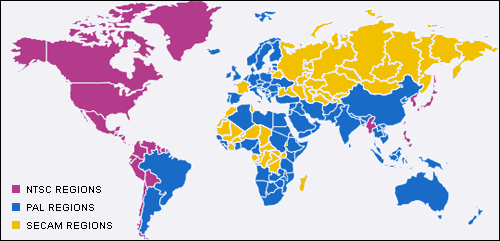
European gamers faced additional challenges rooted in regional television standards. While Japan and North America utilized the NTSC standard (60Hz refresh rate), Europe predominantly used PAL (50Hz). This disparity created significant issues for multi-region game releases.
When the PS2 launched in Europe, many Sega Dreamcast games had already offered a choice between PAL 50Hz and PAL60 modes. PAL60, where supported by the television, provided a 60Hz image, avoiding the ~16.7% framerate reduction common in PAL conversions and the associated letterboxing. PAL typically had a higher vertical resolution than NTSC, but developers often failed to leverage this, either due to system resource constraints or a perceived lack of market importance.
The situation was more complicated for the PS2. Sony, for technical and standardization reasons, refused to officially back PAL60 as a standard. This meant that most early European PS2 titles were locked to 50Hz, resulting in slower gameplay and often letterboxed visuals compared to their NTSC counterparts. While some UK developers like Psygnosis (Wipeout) and Rockstar/DMA Design (Grand Theft Auto) were known for producing well-optimized PAL conversions that might render more scanlines than NTSC versions, the games still ran slower. Developers sometimes tweaked game speed to compensate, but the 50Hz experience was generally inferior to 60Hz.
Around 2002, more PS2 games began to offer 50Hz/60Hz selectors at startup (e.g., ICO). However, instead of switching to a PAL60 mode, the PS2 would often switch to NTSC 480i mode. Fortunately, most European TVs sold in the late 1990s and early 2000s supported both PAL and NTSC signals, mitigating compatibility issues. Developers of games without these selectors, like Silent Hill 2 and Metal Gear Solid 2, typically invested more effort into their PAL conversions to avoid severe letterboxing. The challenge of creating two distinct 50Hz and 60Hz versions, particularly for games rich in pre-rendered Full Motion Video (FMV) scenes, proved difficult for some developers like Square, which cited this as a reason for Final Fantasy X remaining 50Hz despite growing demand for 60Hz. Over time, games lacking these crucial 50Hz/60Hz toggles became the exception rather than the rule.
The Great Transition: From CRTs to LCDs and Beyond
The mid-2000s marked a pivotal shift in television technology, as the industry began its migration from CRTs to LCD (Liquid Crystal Display) TVs. This transition coincided with the advent of the 7th generation of consoles, including the PlayStation 3 and Xbox 360, around 2005. While the PS2 remained commercially viable until late 2007, the new consoles heralded a future free from the complexities of PAL vs. NTSC. With HDMI-capable consoles and displays, games would standardize on 60Hz output, and the promise of non-interlaced high resolutions (480p, 720p, 1080p) by default became a reality for a wider audience who had never owned progressive scan-capable CRTs.
However, the initial move to LCDs was not without its drawbacks. Early "HD-ready" LCD TVs were often plagued by high input latency, motion blur, and ghosting artifacts. CRT-based consoles like the PS2, designed to leverage the inherent characteristics of analog displays, looked particularly poor on these nascent digital screens. For instance, the "feedback blur" effect, often used to great effect for motion blur in PS2 games, which blended seamlessly on CRTs, appeared disastrously as heavy ghosting on early LCDs. Some games, such as Soul Calibur 3, attempted to mitigate these issues with in-game settings like "Software Overdrive" to reduce afterimage effects.
Despite these efforts, fundamental issues like latency and a lack of motion clarity persisted for decades. It is only in recent years, with advancements in display technology and emulation techniques, that these problems are being adequately addressed for retro gaming. Modern OLED screens, combined with specialized shaders like BlurBusters’ "CRT beam racing simulator," can finally replicate near-CRT latency and motion clarity, allowing enthusiasts to experience PS2 games with an authentic visual fidelity that was once thought lost in the digital transition.
The PlayStation 2’s profound connection to CRT technology wasn’t just a design choice; it was a defining characteristic that shaped its development, its graphical presentation, and its enduring legacy. From the technical demands that forced developers to prioritize consistent 60fps framerates, to the unique challenges of implementing widescreen and progressive scan, and the regional disparities of PAL and NTSC, the PS2’s hardware was inextricably linked to the analog displays of its era. As modern technology now strives to faithfully recreate these nuances, the intricate engineering behind the PS2 serves as a testament to an era of gaming where hardware and display were inseparably intertwined.