Vera Clarissa
Researchers at Paradigm Shift have unveiled a critical security vulnerability, dubbed SecureROM, that impacts Apple’s A12 and A13 Bionic chips, found in a wide range of iPhones, iPads, and even some Apple Watch models. This discovery introduces a significant concern for device security, as the exploit targets a fundamental component of the chip’s boot process. Concurrently, an engineer at Microsoft has developed a clever workaround to maintain the functionality of Apple’s Network Time Capsule with the upcoming macOS 27, while watchOS 27 is set to discontinue support for several older Apple Watch models, including the first-generation Apple Watch Ultra. In parallel, the much-anticipated new Siri AI is commencing a phased rollout to users who joined the official waitlist, signaling a substantial evolution in Apple’s voice assistant capabilities.
The Low End Mac Newsletter, a curated digest of recent technological developments, announcements, and operating system updates, aims to provide readers with a comprehensive overview of the evolving tech ecosystem. This edition delves into the intricacies of these significant updates and disclosures, offering a consolidated view of the landscape.
Unpatchable SecureROM Exploit Targets A12 and A13 Chips
A detailed technical article published by Paradigm Shift sheds light on the newly discovered SecureROM exploit. This vulnerability, according to the researchers, affects devices equipped with Apple’s A12 and A13 Bionic processors, as well as the S4 and S5 SiP (System in Package) found in earlier Apple Watch generations. The exploit leverages a flaw within the SecureROM, a read-only memory component that is a foundational element of the device’s boot sequence, responsible for initializing the hardware and loading the operating system. Because SecureROM is inherently unmodifiable, exploits targeting it are notoriously difficult, if not impossible, to patch through traditional software updates.
The implications of such an exploit are far-reaching. A successful exploitation could potentially allow for the execution of arbitrary code at a very early stage of the device’s startup, before many security mechanisms are fully engaged. This could pave the way for advanced persistent threats, data extraction, or even the installation of persistent malware that could evade detection by standard security software. While the full extent of the exploit’s capabilities and its practical application by malicious actors remain under active investigation, the discovery underscores the persistent challenges in securing complex integrated circuits. Devices affected include the iPhone XS, XS Max, XR, 11, 11 Pro, 11 Pro Max, and various iPad and iPod Touch models powered by the A12 and A13 chips. For Apple Watch users, the S4 and S5 SiPs are present in models such as the Apple Watch Series 4, Series 5, and the first-generation Apple Watch SE.

The unpatchable nature of this exploit is a significant concern for device longevity and security. Unlike vulnerabilities in software that can be addressed with security patches, an exploit in read-only firmware presents a fundamental hardware-level challenge. This may necessitate a hardware revision in future chip designs to fully mitigate such risks, a process that typically takes years. For users of affected devices, the primary recourse would be to remain vigilant about the security of their data and to avoid any actions that could lead to the exploitation of such a vulnerability, such as installing unverified software or clicking on suspicious links.
watchOS 27 Signals End-of-Life for Several Apple Watch Models
Apple’s forthcoming watchOS 27, expected to be released in the fall, will mark a significant shift in device compatibility, discontinuing support for a number of popular Apple Watch models. This decision affects the Apple Watch Series 6, Series 7, Series 8, the Apple Watch SE (2nd generation), and notably, the first-generation Apple Watch Ultra. This move signifies Apple’s ongoing strategy to align its software capabilities with the processing power and hardware advancements of its latest devices.
Cait Dooley, a senior member of Apple’s watchOS team, explained the rationale behind this decision in an interview with TechRadar. "With every software release across every single one of our platforms, we always want to ensure that you have the best experience, so we make power and performance a priority," Dooley stated. "The great new features in watchOS, including the capabilities of Siri AI and the new tap gesture, work best with the processing power that is in Apple Watch Series 9 and later, Ultra 2 and later, and SE 3." This statement highlights the increasing demands of advanced software features, particularly those involving artificial intelligence and new user interaction methods, on the underlying hardware.
The discontinuation of support means that these older models will not receive new features, security updates, or performance enhancements with watchOS 27 and subsequent versions. This effectively creates a "feature freeze" for these devices, prompting users to consider upgrading if they wish to access the latest advancements in Apple Watch technology. The decision is likely to impact a substantial user base, particularly those who have invested in these models in recent years. For owners of these devices, the immediate implication is the inability to utilize new functionalities like the enhanced Siri AI or the tap gesture, which are being promoted as key features of the upcoming watchOS. The move also raises questions about the long-term support lifecycle for Apple’s wearable devices.
Firmware Updates Address Stability for AirPods Pro and Beats Studio Buds
In a less disruptive but nonetheless important development, Apple has released new firmware updates for its AirPods Pro (2nd generation), AirPods Pro (3rd generation), and Beats Studio Buds. These updates, which often roll out quietly, are primarily focused on enhancing the overall user experience through under-the-hood improvements.
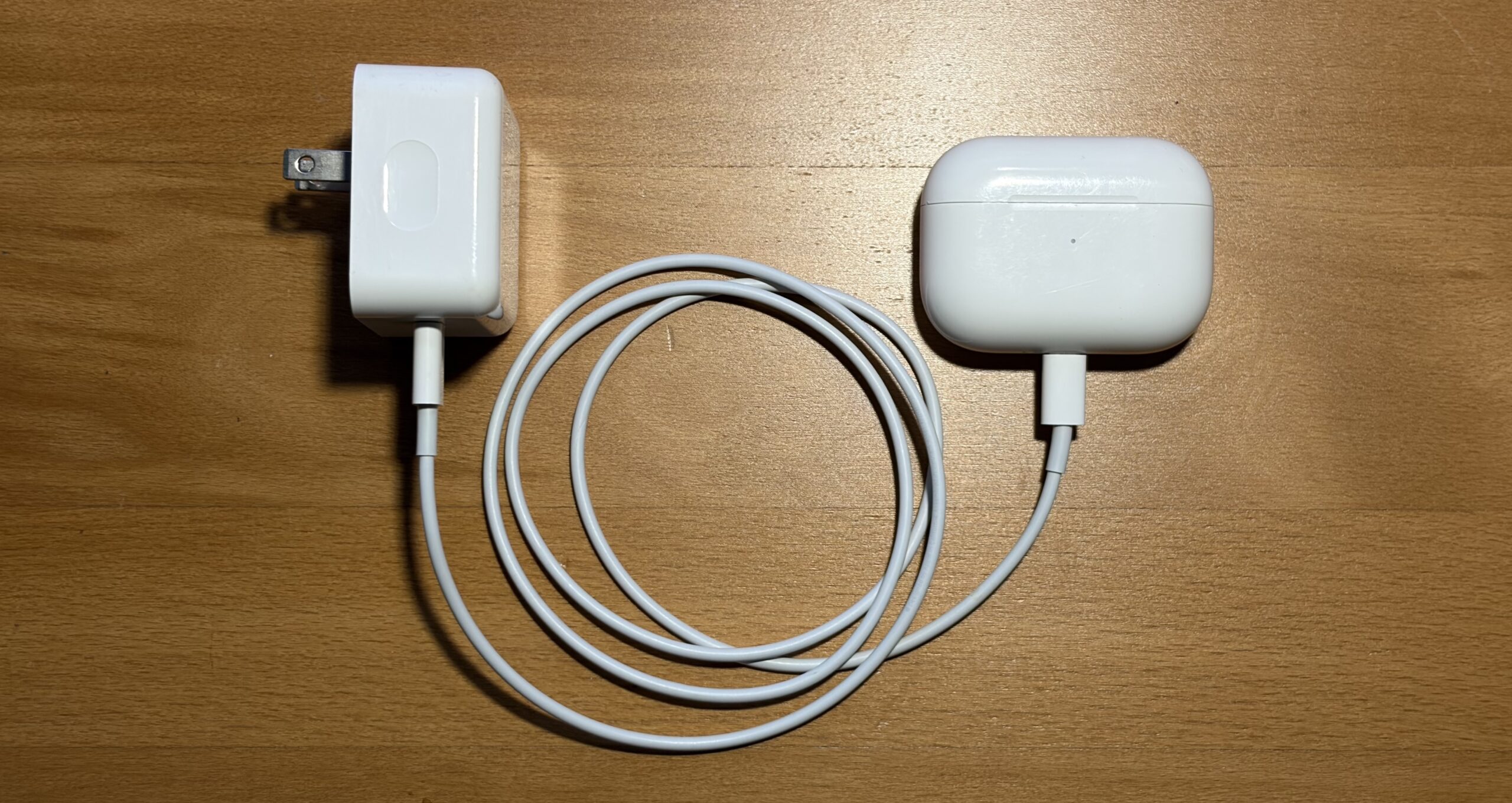
The updates aim to bolster stability, address various bugs that may have arisen since the previous firmware releases, and ensure that these audio devices function as intended. While specific details of the bug fixes are rarely disclosed by Apple, such updates are crucial for maintaining the seamless integration and reliable performance of wireless audio accessories. Users typically do not need to take any action to install these updates, as they are generally applied automatically when the AirPods or Beats buds are connected to an Apple device and are within Bluetooth range.
This consistent delivery of firmware updates demonstrates Apple’s commitment to refining its audio product line, even for models that have been on the market for some time. These "quality-of-life" improvements, though not as headline-grabbing as new hardware features, are essential for customer satisfaction and for ensuring that the products continue to perform optimally.
Developer Betas for macOS 27, iOS 27, iPadOS 27, and More Now Available
Following its annual Worldwide Developers Conference (WWDC) on June 8, 2026, Apple has made the developer beta versions of its upcoming operating systems available to registered developers. The major releases include macOS Golden Gate (macOS 27), iOS 27, iPadOS 27, watchOS 27, tvOS 27, and visionOS 27. These beta releases provide developers with early access to new features, APIs, and tools, allowing them to prepare their applications for the public launch later in the year.
The availability of these beta versions marks the beginning of the testing cycle, during which developers and early adopters can identify and report bugs, helping Apple refine the operating systems before their widespread release. This process is critical for ensuring a stable and polished user experience upon the public debut. The developer program provides access to these pre-release builds through Apple’s dedicated beta software portal.
Low End Mac’s initial impressions of the developer betas, while not yet encompassing the new Siri AI due to a waitlist system, offer early insights into the direction of Apple’s software development. The editor’s note specifically highlights the anticipation for the new Siri AI, which is being rolled out gradually to users who have signed up for the waitlist. The prospect of a significantly more capable Siri, powered by advanced AI models, is a key area of interest, and a dedicated impressions article is planned once access is granted. This phased rollout strategy for major AI features allows Apple to manage server load and gather real-world usage data to further refine the AI’s performance and safety.
Microsoft Engineer Revives Network Time Capsule with macOS 27 Compatibility
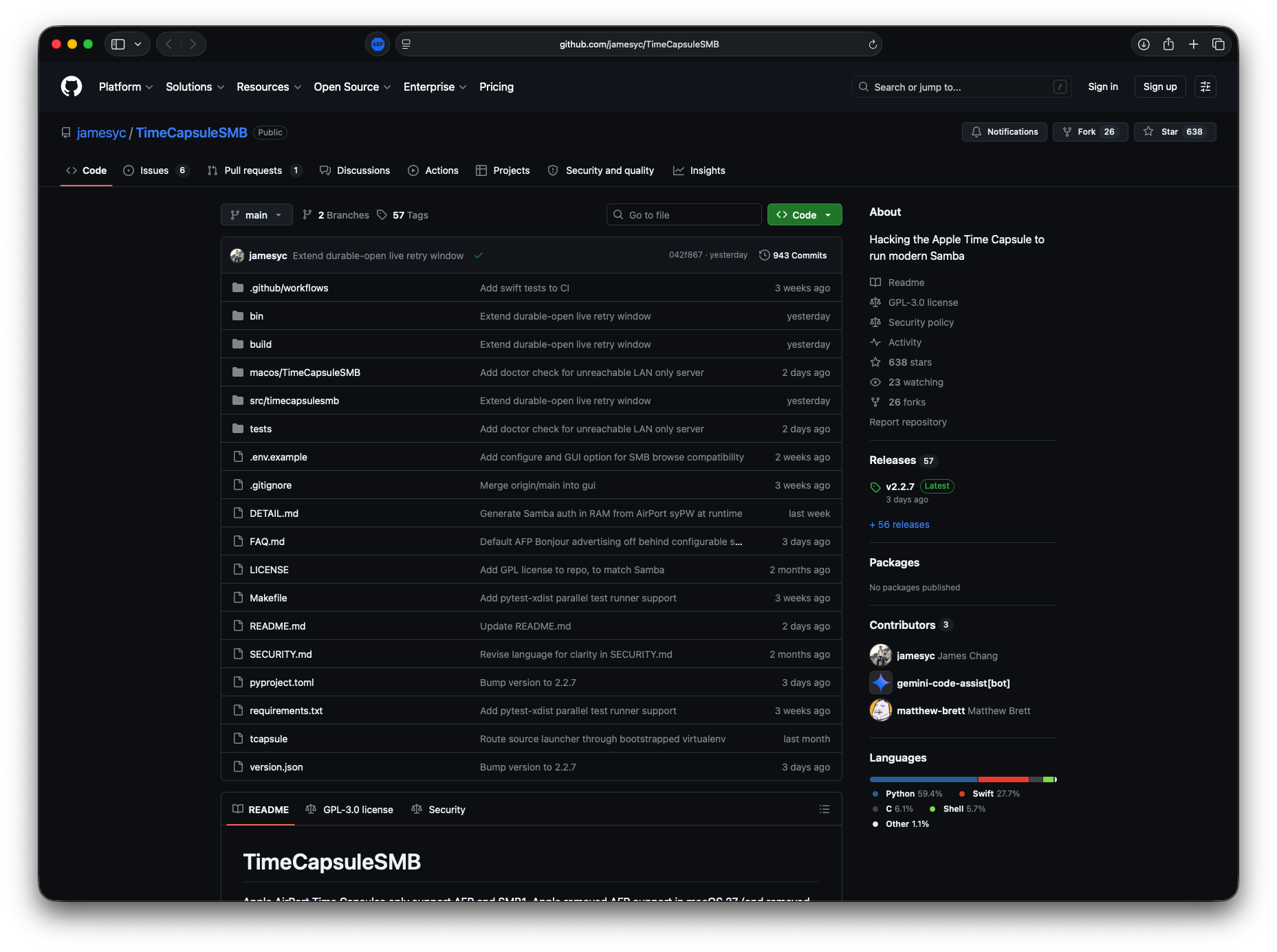
In a testament to community innovation, a Microsoft engineer has developed a solution to restore functionality for Apple’s Network Time Capsule with the upcoming macOS 27. Apple’s decision to drop support for the older AFP (Apple Filing Protocol) in macOS 27, coupled with the discontinuation of the AirPort line of networking products, had left users of the Time Capsule in a precarious position. However, a project named "TimeCapsuleSMB", spearheaded by James Y. Chen, a software engineer at Microsoft, has emerged as a lifeline.
This ingenious workaround reconfigures the Network Time Capsule to act as a Samba server, specifically running version 4.24.3. Samba is an open-source re-implementation of the SMB/CIFS networking protocol, which is still fully supported in macOS 27. By leveraging Samba, the Time Capsule can broadcast its presence over the network using Bonjour, allowing macOS 27 to detect and mount it as a network drive. This effectively circumvents the loss of AFP support and allows users to continue utilizing their existing Time Capsule for backups and network storage.
The project’s GitHub repository provides detailed instructions for implementing the TimeCapsuleSMB firmware. This community-driven effort not only extends the life of a beloved piece of Apple hardware but also highlights the interoperability that can be achieved through open-source solutions and cross-platform development. For users who still rely on their Network Time Capsule, this fix offers a crucial bridge to continue their Time Machine backups and access their stored data without needing to invest in entirely new network infrastructure. The success of this project underscores the value of dedicated engineers and open-source collaboration in solving real-world technical challenges.
Potential for Dual Camera on Future iPhone Air Models
Speculation is mounting regarding potential hardware upgrades for the forthcoming iPhone Air models, with a dual-camera system being a prominent rumor. This would represent a significant enhancement for the Air lineup, which has historically offered a more streamlined camera experience compared to the Pro models. For users like the author, who transitioned from an iPhone 14 Pro to an iPhone Air, the desire for a more advanced camera setup is palpable.
While any changes to future iPhone models remain in the realm of speculation until officially announced by Apple, the addition of a second camera lens would address a long-standing desire among many users. This could potentially involve an ultra-wide lens or a telephoto lens, providing greater photographic flexibility and enabling features like optical zoom and enhanced low-light performance. Such an upgrade could also influence the release timeline of the next-generation iPhone Air, as significant hardware development and testing are required. The inclusion of a dual-camera system would undoubtedly elevate the iPhone Air’s appeal, potentially blurring the lines between the Air and Pro series and offering a more compelling value proposition to a broader segment of the market.
Release Candidate Builds for macOS Sonoma and Sequoia Updates
In anticipation of upcoming software updates, Apple has recently distributed Release Candidate (RC) builds for macOS Sonoma and macOS Sequoia. These RC versions, which typically represent the final stage of development before a public release, were sent out alongside a wave of OS 26.6 Developer Betas. This indicates that Apple is nearing the completion of these updates, which are expected to bring a variety of new features, performance improvements, and security enhancements to Mac users.
The availability of RC builds suggests that the public release of these macOS updates is imminent. Users who are part of the public beta program may have already had the opportunity to test these versions, providing valuable feedback to Apple. The precise nature of the enhancements within these updates will become clear upon their official launch, but the consistent release cycle points to Apple’s ongoing commitment to iterating and improving its operating system offerings. This also coincides with the broader trend of OS updates across Apple’s ecosystem, ensuring a unified and evolving user experience across its devices.