Ganda Hendra Perkasa
The International Center for the History of Electronic Games (ICHEG) at The Strong National Museum of Play has announced a significant expansion of its digital library through the integration of newly acquired materials into two prominent collections: the Mark Flitman papers and the Andrew Nelson papers. This update reflects a commitment to preserving and providing access to vital historical artifacts from the video game industry, offering researchers and the public unprecedented insights into the creative processes behind iconic games.
Expanding the Digital Archive: A Deeper Dive into Game Development History
The digital library, a cornerstone of ICHEG’s mission to document and preserve the history of electronic games, continually seeks to enrich its holdings. While the addition of entirely new collections is a regular occurrence, the recent updates to the Flitman and Nelson papers represent a focused effort to deepen existing archival resources. This approach allows for a more comprehensive understanding of specific individuals’ contributions and the evolution of their respective projects.
These updates were prompted by the receipt of additional packages from both Mark Flitman and Andrew Nelson, containing materials that were either overlooked during the initial cataloging process or were deemed suitable for rescan at a higher resolution to ensure optimal preservation and accessibility. This proactive approach by the archivists and the continued generosity of the donors are crucial in building a robust and detailed historical record.
The Mark Flitman Papers: Unveiling New Facets of Game Design
The Mark Flitman papers are a testament to his extensive career in the video game industry, encompassing his work on numerous influential titles. The recent additions to this collection promise to shed further light on his creative contributions and decision-making processes. While specific details of the newly added materials were not fully itemized in the initial announcement, the context provided suggests a focus on expanding the scope of his known projects.
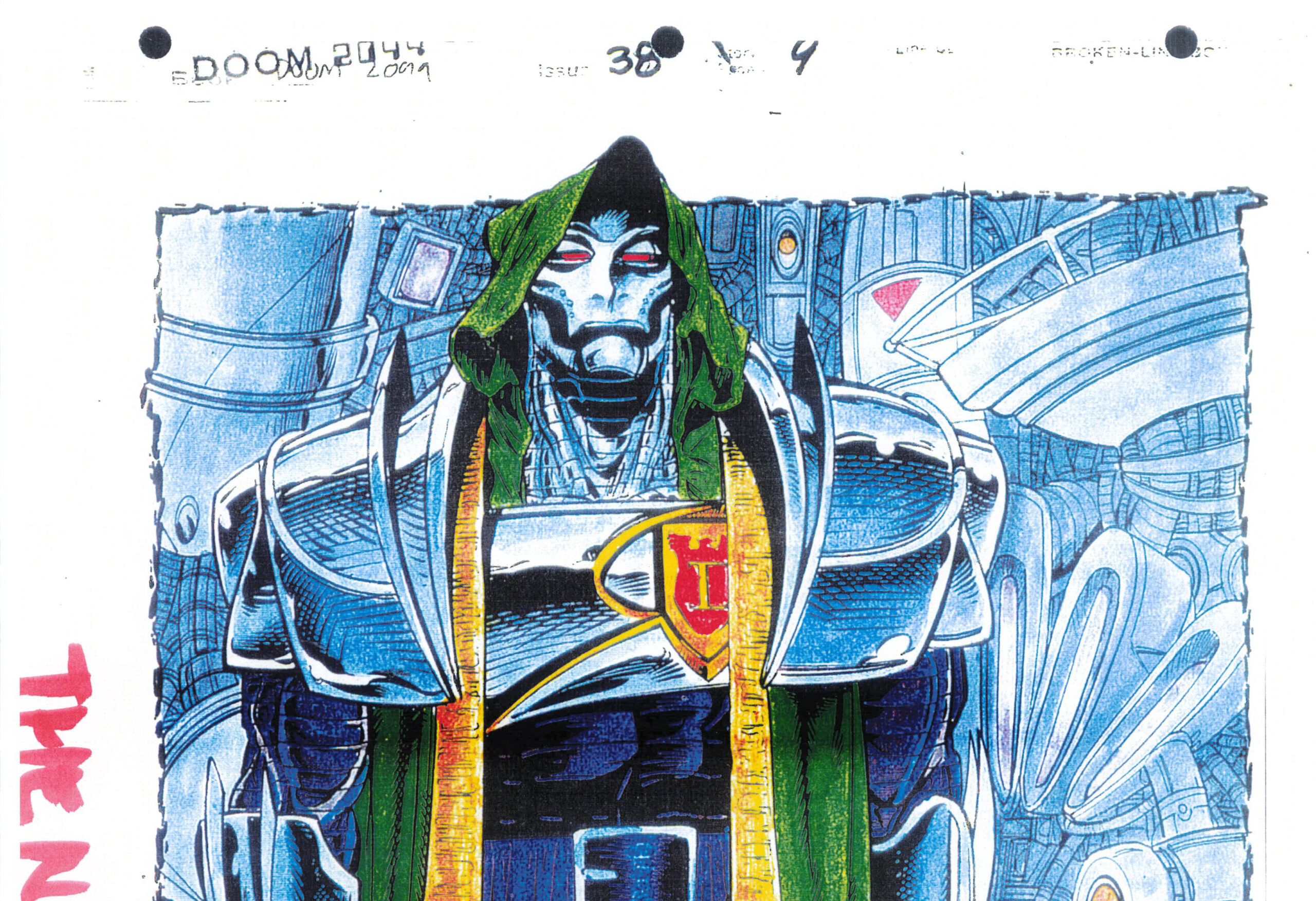
Flitman’s career has been marked by a significant presence in the development of games that have resonated with a global audience. His involvement often spanned critical phases of development, from initial concept to final polish. The expansion of his archival materials is therefore of considerable interest to scholars of game design, industry historians, and fans eager to understand the genesis of their favorite games.
The inclusion of new materials indicates that previously uncatalogued or less prominently featured aspects of Flitman’s work are now being brought to light. This could include early concept art, design documents, marketing materials, or even personal correspondence that offers a unique perspective on the challenges and triumphs of game development during different eras.
The Andrew Nelson Papers: A Rich Tapestry of Design Documentation
The Andrew Nelson papers represent a significant resource for understanding the visual and narrative development of video games. Nelson’s expertise often lies in the conceptualization and early-stage design, providing a crucial window into the formative stages of game creation. The recent update to his collection is particularly noteworthy for its emphasis on a substantial volume of new design documents.
Among the highlighted additions are materials related to narrative sequencing, character design, and environmental storytelling. The inclusion of a storyboard for a scene titled "Letter Sequence w/ Flashback," which depicts a lost treasure superimposed with a handwritten letter graphic, exemplifies the depth of detail now available within this collection. Such visual narratives are instrumental in conveying mood, plot, and thematic elements, and their preservation offers invaluable insights into the storytelling techniques employed by game developers.
The nature of these new documents suggests a focus on the iterative process of game design, where ideas are brainstormed, refined, and translated into tangible assets. This includes storyboards, character turnarounds, level designs, and potentially even early script drafts. For researchers, these materials provide concrete evidence of the evolution of game mechanics, narrative arcs, and visual aesthetics.

Chronological Context and Industry Significance
The video game industry has undergone rapid technological and creative evolution since its inception. Collections like those of Mark Flitman and Andrew Nelson offer critical data points for tracing this historical trajectory.
Early Years of Console Gaming (Late 1970s – Early 1980s): This era saw the birth of the home video game console and the establishment of foundational game design principles. Materials from this period, if present in these collections, could illustrate the nascent stages of interactive entertainment.
The Golden Age of Arcade Games and the Rise of Home Computers (Mid-1980s – Early 1990s): This period witnessed explosive growth, with iconic titles emerging from various development studios. The expansion of these archives may include documents related to the development of games from this influential era, showcasing the innovation and creativity that defined it.
The 3D Revolution and the CD-ROM Era (Mid-1990s – Early 2000s): The advent of 3D graphics and optical media platforms like CD-ROMs ushered in a new era of complexity and ambition in game design. Materials from this period could reveal the challenges and breakthroughs associated with developing for these new technologies.
The Rise of Online Gaming and Mobile Entertainment (Late 2000s – Present): The ongoing evolution of gaming continues with the proliferation of online multiplayer experiences and the ubiquity of mobile gaming. While these collections likely focus on earlier periods, they provide the essential historical context for understanding these contemporary trends.
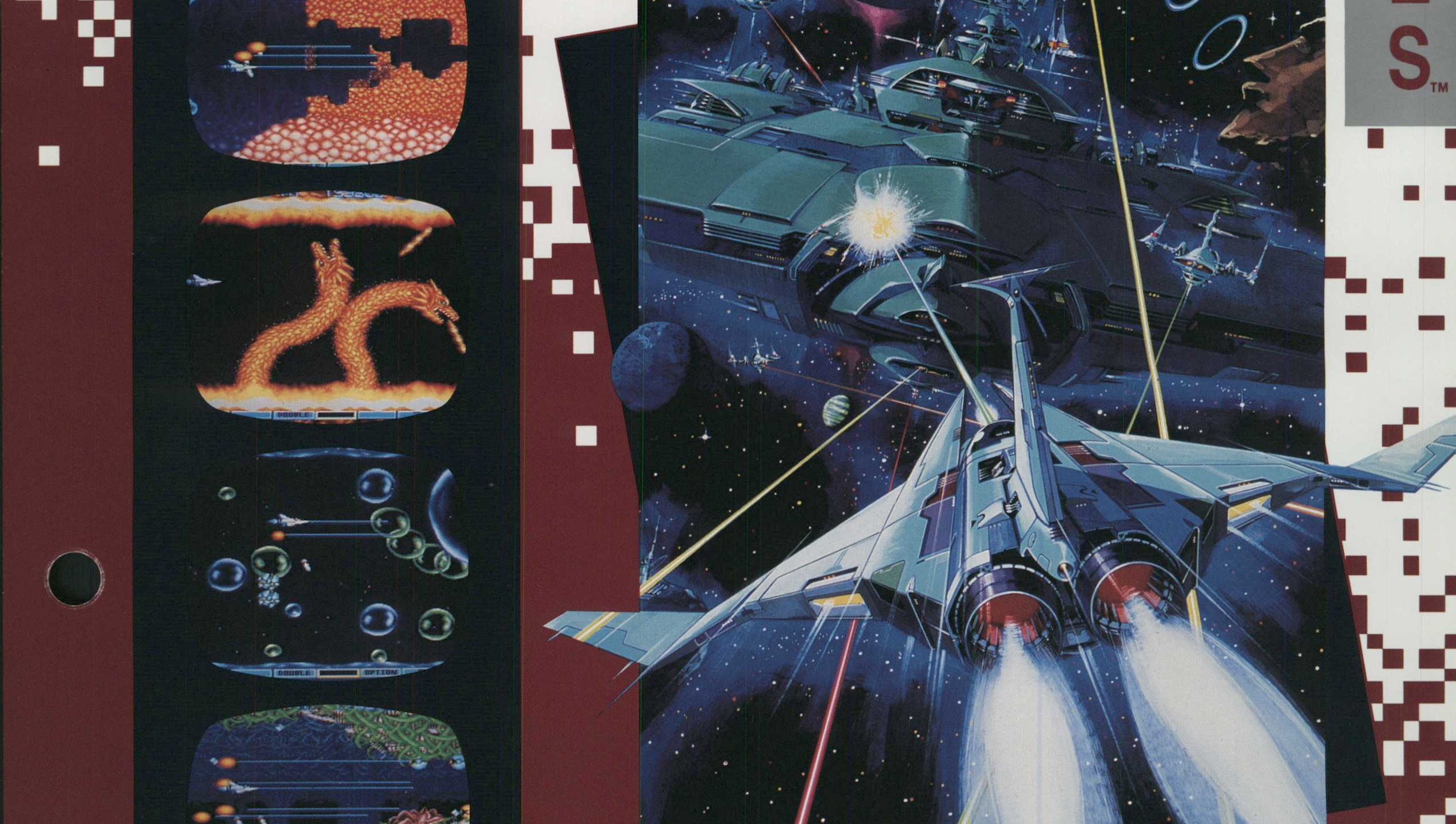
The newly added materials from Flitman and Nelson can be situated within these broader historical contexts, offering specific examples of how game design principles were applied and evolved over time. For instance, if Flitman’s new materials relate to early platformers or adventure games, they can be compared with contemporary design philosophies to highlight shifts in player engagement and narrative delivery. Similarly, Nelson’s detailed design documents can offer a comparative study of visual styles and storytelling techniques across different game genres and eras.
Supporting Data and Industry Trends
The video game industry is a multi-billion dollar global market, with its economic and cultural impact continuing to grow. Understanding the history of its development is crucial for appreciating its current landscape and future potential.
- Market Growth: The global video game market was valued at approximately $227 billion in 2023 and is projected to reach over $300 billion by 2027, according to Statista. This substantial economic footprint underscores the importance of preserving the industry’s history.
- Employment in the Industry: The interactive entertainment industry employs hundreds of thousands of individuals worldwide, including designers, programmers, artists, writers, and producers. Archival materials offer insights into the roles and creative processes of these professionals.
- Cultural Impact: Video games have evolved from niche entertainment to a dominant form of cultural expression, influencing film, music, and other media. The preservation of development materials helps scholars analyze this cultural impact and its evolution.
The additions to the Flitman and Nelson collections contribute to this broader understanding by providing granular details about the creative work that underpins this massive industry. For example, the storyboard from Nelson’s collection, with its focus on visual narrative, highlights the artistic considerations that are integral to the player experience, a factor that has become increasingly important in the competitive gaming market.
Official Statements and Community Reactions (Inferred)
While direct statements from Mark Flitman and Andrew Nelson regarding these specific additions were not provided, their continued contribution to the archive speaks volumes about their commitment to historical preservation. Their willingness to share these personal collections underscores a recognition of the value of their work beyond its initial commercial release.
From the perspective of ICHEG and The Strong National Museum of Play, these updates represent a triumph in their ongoing mission. As stated in their announcement, "We’re always working to add new collections to our digital library, but sometimes, we get the chance to add more to a project we’ve already done." This sentiment highlights the dynamic nature of archival work and the importance of ongoing engagement with donors.
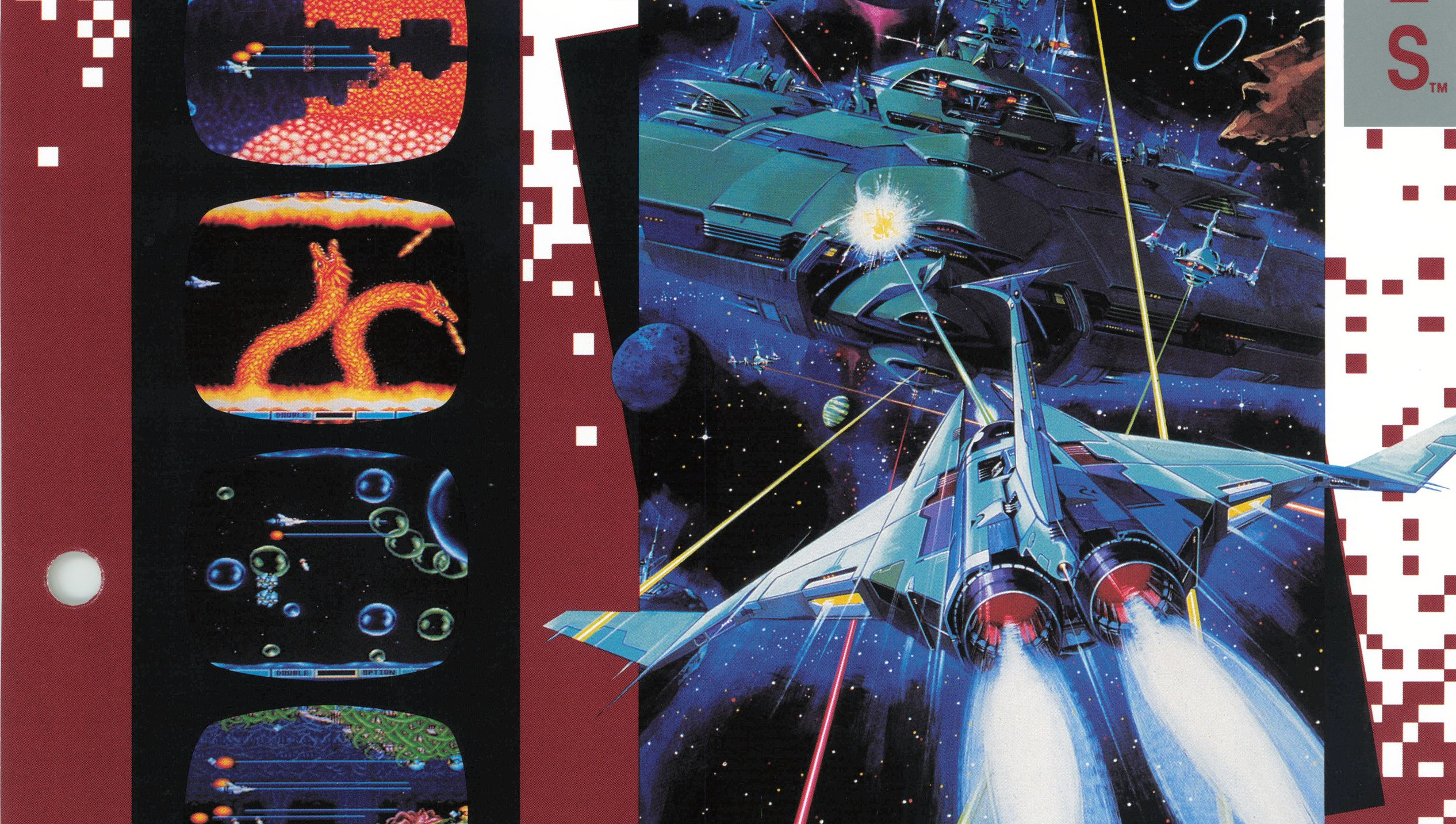
The broader community of game historians, researchers, and enthusiasts is likely to respond positively to these additions. Access to primary source materials is invaluable for academic research, journalistic endeavors, and the enrichment of public understanding of game history. The digital nature of these archives ensures a wider reach, making these resources accessible to a global audience without the limitations of physical access.
Broader Impact and Implications for Game History Research
The continuous expansion of digital archives, such as those maintained by ICHEG, has profound implications for the study of video game history.
- Enhanced Scholarly Research: The availability of detailed design documents, concept art, and other developmental materials allows for more in-depth academic research into game design methodologies, narrative construction, and the evolution of artistic styles. Researchers can now conduct comparative analyses of design choices, trace the influence of specific artists or designers, and gain a deeper understanding of the creative challenges faced by development teams.
- Democratization of Access: Digital archives break down geographical and institutional barriers to access. Students, independent researchers, and enthusiasts from around the world can now engage with primary source materials that were previously only accessible to a select few. This democratization of information fosters a more inclusive and diverse field of study.
- Preservation of Ephemeral Materials: Many aspects of game development, such as early concept sketches or internal design memos, are often ephemeral and at risk of being lost. The systematic digitization and archiving of these materials ensure their long-term preservation for future generations.
- Informing Future Development: By studying the successes and failures of past development processes, current and future game creators can gain valuable insights. Understanding the historical context of design decisions can inform contemporary approaches and foster innovation. For example, analyzing the narrative structures documented in Nelson’s papers might inspire new ways of storytelling in modern games.
- Public Engagement and Education: The digital library serves as an educational resource for the general public, offering a tangible connection to the history of a beloved medium. The visual appeal of concept art and storyboards, combined with the informative nature of design documents, can engage a wide audience and foster a greater appreciation for the artistry and complexity of game development.
The ongoing commitment by institutions like ICHEG to expand and refine their digital collections, coupled with the generosity of individuals like Mark Flitman and Andrew Nelson, is critical for building a comprehensive and accessible history of electronic games. These recent updates to the Flitman and Nelson papers are not merely additions to a database; they represent significant steps forward in our collective understanding of the creative forces that have shaped the interactive entertainment landscape. The continued growth of such archives promises to yield invaluable insights for years to come, illuminating the past and informing the future of this dynamic art form and industry.