Johny Imanuel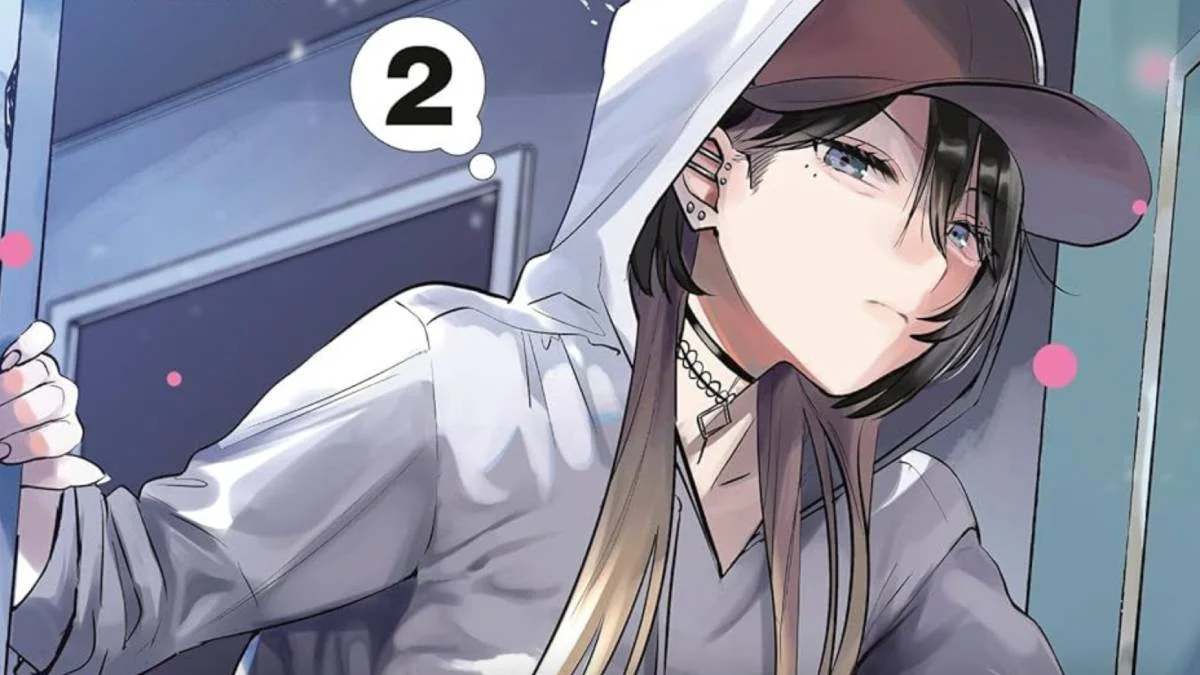
The narrative follows an unnamed delivery courier for the fictional "Eatza" service and his evolving relationship with a reclusive young woman who, unbeknownst to him at the start, is his favorite online personality, the VTuber Fuwari. Volume 2 serves as a critical juncture for the series, moving beyond the "comedy of errors" stage to a more grounded exploration of how individuals with social phobias can reclaim their agency through direct communication.
The Narrative Pivot Toward Verbal Transparency
In the landscape of romantic comedy and slice-of-life manga, the "misunderstanding" is a common trope used to prolong conflict. However, the second volume of My Favorite Vtuber Is Scary IRL distinguishes itself by actively subverting this cliché. The chapters collected in this volume emphasize a "talk it out" philosophy, where characters are forced to confront their insecurities through dialogue rather than internalizing their fears.
The volume introduces Akari, a rival delivery person whose initial hostility toward the protagonist creates a moment of high tension. This conflict is not resolved through a grand gesture or a physical confrontation, but through the discovery of shared interests. When the topic of the VTuber Fuwari arises, the shared enthusiasm for otaku culture acts as a bridge, allowing Akari to open up about her own insecurities regarding her hobbies. This sequence serves as a thematic microcosm for the volume: the act of speaking one’s truth, however awkward, leads to social cohesion.
Furthermore, the relationship between the delivery man and the VTuber reaches a state of emotional maturity. Following the events of the first volume, both characters experience a period of apprehension, fearing that their previous interactions may have led to mutual disappointment. The narrative resolves this tension by having the characters "break the emotional dam," engaging in a candid conversation that clarifies their intentions and strengthens their bond.
Addressing Agoraphobia and Social Anxiety
A significant portion of Volume 2 is dedicated to the VTuber’s struggle with agoraphobia and the overwhelming nature of public spaces. The protagonist, assuming a role that transcends his duties as a courier, encourages her to step outside her comfort zone. A pivotal sequence involves a trip to a crowded metropolitan area, a setting designed to challenge her sensory limits.
The depiction of anxiety in this context is factual and grounded. The overwhelming nature of the city is presented not just as a plot device, but as a genuine psychological barrier. The resolution of this arc hinges on the protagonist’s ability to articulate his reasoning for choosing the location. By explaining his perspective and offering emotional support, he provides the VTuber with the necessary "courage to go on." This highlights a core message of the work: that support systems are only effective when they are paired with clear, empathetic communication.
The Global Rise of the VTuber Subculture in Media
The success of titles like My Favorite Vtuber Is Scary IRL reflects a broader trend in the global entertainment market. Virtual YouTubers (VTubers) have transitioned from a niche Japanese subculture to a multi-billion-dollar global industry. According to market reports from 2023 and 2024, the VTuber market is projected to grow at a compound annual growth rate (CAGR) of over 30% through the end of the decade.
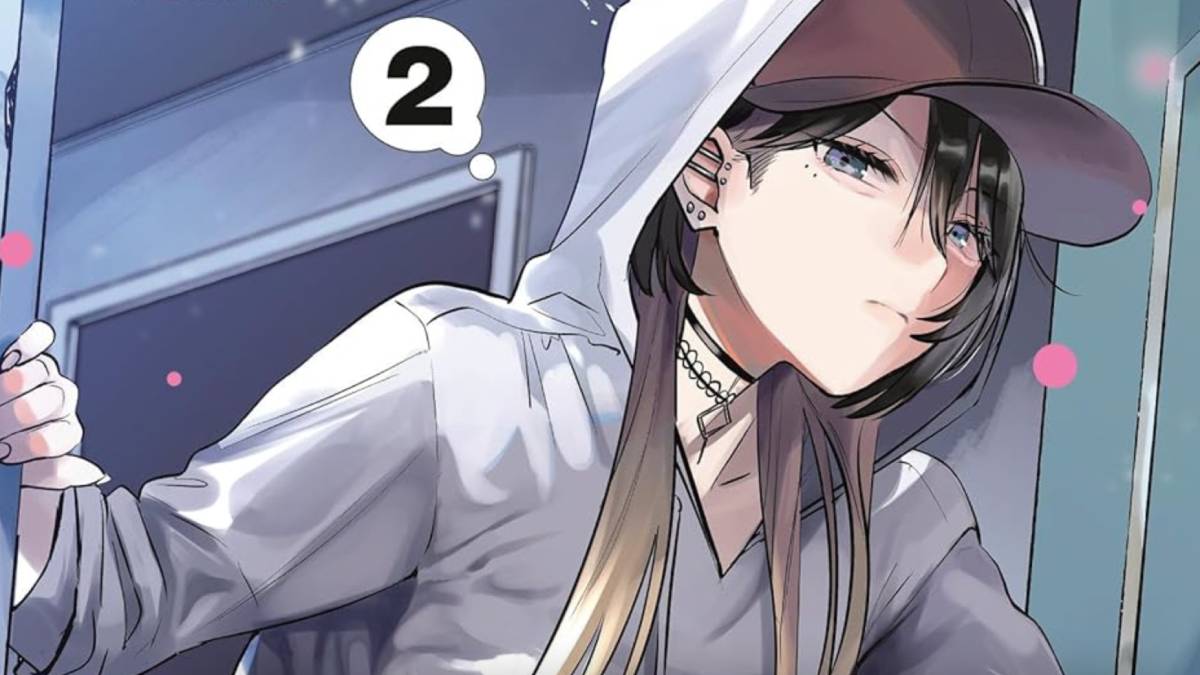
This cultural phenomenon has created a new archetype in literature: the "digital idol with a secret life." Manga creators are increasingly using the VTuber framework to explore the dichotomy between the curated online self and the authentic, often flawed, physical self. In the case of this series, the "scary" physical appearance of the protagonist acts as a metaphor for the masks people wear to protect themselves from real-world judgment, while the "cute" VTuber persona represents the idealized version of the self that can only exist behind a screen.
Industry Context: Square Enix Manga & Books Strategy
The English localization and distribution of the series are handled by Square Enix Manga & Books, an imprint that has significantly expanded its footprint in the North American and European markets since its inception in 2019. By selecting titles that blend popular tropes with deeper social commentary, Square Enix has positioned itself as a major competitor to established publishers like Viz Media and Kodansha.
Industry analysts note that the "Seinen" and "Josei" demographics (aimed at young adult men and women, respectively) have shown a particular interest in stories that address mental health and social isolation. The release of Volume 2 comes at a time when manga sales in North America remain robust, despite a slight stabilization following the explosive growth seen during the 2020–2022 period. The inclusion of "fanservice" elements alongside serious themes is a strategic choice often used to appeal to a broad spectrum of readers, ensuring commercial viability while allowing the author to explore more substantive psychological territory.
Chronology of Release and Series Development
The development of My Favorite Vtuber Is Scary IRL follows a standard serialization timeline common in the Japanese manga industry. The series first gained traction through digital platforms before being compiled into tankōbon (graphic novel) volumes.
- Volume 1 Release: Established the initial meeting between the courier and the VTuber, detailing the protagonist’s intimidating physical presence and the girl’s extreme social anxiety. It laid the groundwork for their unconventional friendship.
- Volume 2 Release (Current): Focuses on the expansion of the supporting cast and the deepening of the emotional connection through the "communication" theme. It concludes with a significant cliffhanger that suggests a shift in the status quo of their relationship.
- Volume 3 Status: While the first two volumes are currently available in major markets including North America, Europe, and Japan, Square Enix has not yet confirmed a specific release date for the English translation of the third volume. Based on typical publishing cycles, an announcement is expected within the next fiscal quarter.
Broader Implications and Thematic Analysis
The emphasis on "talking it out" in Volume 2 carries implications beyond the immediate plot. It serves as a commentary on the "loneliness epidemic" that has become a subject of public health discourse in both Japan (where it is often associated with the hikikomori phenomenon) and the West. By portraying a character who successfully navigates her trauma through the help of a supportive peer, the manga offers a narrative of hope and recovery.
Furthermore, the series explores the ethics of the "parasocial relationship." While the protagonist is a fan of the VTuber, his real-world interactions with her are defined by respect and a lack of entitlement. This provides a counter-narrative to the often-toxic portrayals of fandom, suggesting that it is possible to transition from a consumer of digital content to a genuine, healthy real-world companion.
The cliffhanger ending of the second volume, involving a moment of profound vulnerability from the VTuber, suggests that the series will continue to push its characters toward total honesty. For a story that began with a focus on "scary" appearances, it has evolved into a study of the courage required to be truly seen by another person.
Conclusion and Market Outlook
My Favorite Vtuber Is Scary IRL Volume 2 demonstrates the evolving nature of the slice-of-life genre, where readers increasingly demand more than just surface-level comedy. By integrating themes of communication and mental health, the series has secured a dedicated audience within the competitive manga market. As Square Enix prepares for future volumes, the series remains a pertinent example of how modern media can address the complexities of human connection in an increasingly digital world. The ongoing success of the title suggests a continued appetite for stories that humanize the faces behind the avatars, reminding readers that behind every digital screen is a person navigating their own set of real-world challenges.