Chalid Lutfie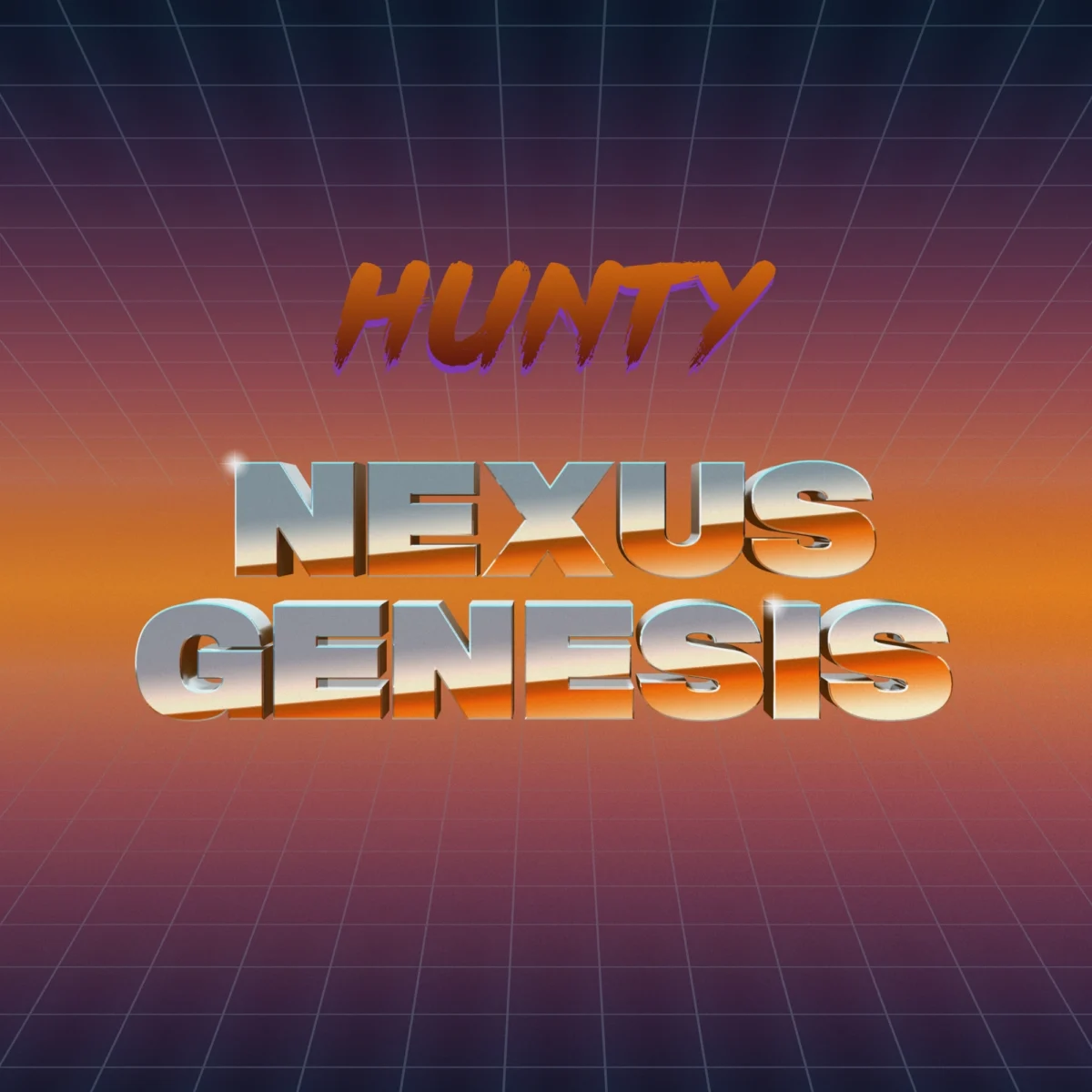
In a significant milestone for the independent video game music community, the chiptune and digital fusion label Ubiktune has officially announced the release of Nexus Genesis, the debut album from composer Hunter Bridges, also known as Hunty. The project serves as a comprehensive archival release and creative reimagining of the music composed for Sonic Nexus, a high-profile fan-led development project that played a pivotal role in the career trajectories of several prominent figures in the modern gaming industry. Spanning nearly a decade of development and refinement, the album represents both a technical achievement in FM synthesis and a historical document of the "Sonic the Hedgehog" fan-development scene during the mid-to-late 2000s.
The Genesis of a Project: From Fan Game to Professional Catalyst
The history of Nexus Genesis is inextricably linked to the development of Sonic Nexus, a fan game that began its life in the summer of 2006. Led by Brad Flick, known in the community as Slingerland, and the "Nexus Team," the project aimed to capture the kinetic energy and aesthetic precision of the original Sega Genesis trilogy while introducing modern technical enhancements. During its active development, Sonic Nexus became a standout entry at the Sonic Amateur Games Expo (SAGE), an annual virtual event dedicated to showcasing fan-made software.

Hunter Bridges joined the project during its infancy, tasked with creating a soundscape that could bridge the gap between 16-bit nostalgia and contemporary production standards. At the time, the fan-game community was undergoing a technological shift. As broadband internet became more accessible, developers moved away from the MIDI-based soundtracks common in the dial-up era toward full-resolution waveform audio. Bridges, then utilizing early versions of digital audio workstations like Fruity Loops 4 and eventually Cubase, was at the forefront of this transition, iterating on musical themes that would define the identity of Sonic Nexus.
However, the trajectory of the project changed permanently due to the involvement of Christian Whitehead, known by the handle The Taxman. Whitehead had developed a proprietary "Retro Engine" through the reverse engineering of original Sega hardware. His work on Sonic Nexus and his own project, Retro Sonic, caught the attention of SEGA of America. In 2010, after Whitehead demonstrated a proof-of-concept version of Sonic CD running on mobile hardware, he was officially contracted by SEGA to lead professional remakes of the classic titles. To protect Whitehead’s professional relationship with the intellectual property holder and avoid potential legal complications regarding the use of the Sonic IP, the Nexus Team collectively decided to cease development on Sonic Nexus. This decision left a significant volume of completed assets, including Bridges’ extensive musical score, in a state of indefinite limbo.
Hunter Bridges: A Profile in Musical Development
The artistic foundations of Nexus Genesis can be traced back to Bridges’ upbringing in Alabama, where he was immersed in a household defined by live performance and musical experimentation. His father, an active member of various bands, frequently hosted rehearsals at the family home. These sessions provided an early playground for Bridges, who would explore the band’s instrumentation during breaks. His initial fascination centered on the mechanical complexity of the drum kit, leading his parents to provide him with a "fun-size" set and formal lessons by the age of seven.

This early percussive training was augmented by an obsession with the soundtracks of the 8-bit and 16-bit console eras. Bridges cites titles such as Super Mario Bros. 3, Street Fighter II, and Gauntlet IV as primary influences, but it was Sonic the Hedgehog 3 that left the most indelible mark on his creative philosophy. He spent considerable time within the "Sound Test" menus of these games, deconstructing the layers of the compositions.
By the early 2000s, Bridges had discovered VGMusic.com, a seminal community for amateur arrangers who transcribed video game music into MIDI format. This platform served as his entry point into digital arrangement and introduced him to the broader world of fan-game development via Sonic Fan Games HQ (SFGHQ). Over the subsequent years, Bridges honed his skills in music theory and digital production through formal study in high school and college, eventually specializing in the complexities of FM (Frequency Modulation) synthesis—the core technology behind the Sega Genesis’s distinctive audio output.
Technical Execution and the Authenticity of Sound
A primary objective for the release of Nexus Genesis was the pursuit of sonic authenticity. While early versions of the Sonic Nexus soundtrack were composed using contemporary software synthesizers, Bridges felt a persistent disconnect between his work and the genuine hardware limitations of the 1990s. This dissatisfaction led to a deep dive into the architecture of the Yamaha YM2612 sound chip, the hardware responsible for the Sega Genesis’s audio.

In 2013, Bridges released the "Sonic 3 & Knuckles FM8 Patch Collection," a set of digital instruments designed to replicate the specific timbres and textures found in the 1994 Sega classic. This technical endeavor provided the foundation for Nexus Genesis. The album, as released in 2015, utilizes these sophisticated FM synthesis techniques to ensure that every track feels as though it could have been pulled directly from a 16-bit cartridge.
The production process involved more than just technical replication; it required a structural "gluing together" of disparate themes written over a nine-year period. Bridges viewed the album as a way to fulfill a long-standing promise to himself and the community to provide a proper release for the work that had "fizzled out" following the team’s professional pivot.
Broader Context: The Cultural Legacy of Fan Games
The release of Nexus Genesis highlights a unique phenomenon within the video game industry: the transition of fan-creators into professional roles. The hiring of Christian Whitehead and the subsequent involvement of Brad Flick in official SEGA projects represent a shift in how major corporations interact with their most dedicated fans. While many companies issue "cease and desist" orders to protect their trademarks, the Sonic Nexus lineage demonstrates a more collaborative—if cautious—path.

The cancellation of Sonic Nexus was not an act of corporate hostility, but a strategic move by the developers to ensure their future in the industry. This context adds a layer of poignancy to Bridges’ album. It serves as a tribute to a specific era of collaborative internet culture where aspirational developers used fan-art as a training ground for professional careers. The album art, created by Daniel Warner Smith, and the inclusion of level-specific themes like "Pristine Palisade," provide a visual and auditory link to a project that, while never officially finished, had a profound impact on its creators’ lives.
Industry Implications and Ubiktune’s Role
The partnership with Ubiktune is a logical step for the distribution of Nexus Genesis. Ubiktune has established itself as a premier label for music that occupies the space between traditional chiptune and modern electronic composition. By bringing Nexus Genesis under its banner, the label provides a platform for Bridges’ work to be recognized not just as a "fan project," but as a standalone work of electronic art.
Industry analysts note that releases like Nexus Genesis contribute to the growing "game music" genre, which has seen increased legitimacy in recent years through live orchestral performances and high-fidelity vinyl releases. Bridges’ work is particularly notable for its adherence to "authentic spirit," a trend within the indie game scene where developers and composers intentionally work within the constraints of legacy hardware to evoke specific emotional responses from the audience.

Conclusion: A Toast to the Past and Future
Nexus Genesis is described by Hunter Bridges as a "love letter" to the original composers of the Sonic series and a "toast" to his colleagues, Brad Flick and Christian Whitehead. It represents the closing of a chapter that began in 2006, transforming a collection of unreleased game assets into a cohesive musical journey.
The album stands as a testament to the resilience of digital art. Despite the cancellation of the game for which it was intended, the music survived through Bridges’ dedication to technical mastery and his commitment to the community that fostered his early growth. As the gaming industry continues to evolve, the story of Sonic Nexus and the release of Nexus Genesis will likely remain a key case study in the power of fan-driven innovation and the enduring appeal of the 16-bit aesthetic.
For Bridges, the release is more than just a debut; it is the realization of a decade-long ambition to capture the "spirit of the Genesis." With its blend of technical precision and nostalgic reverence, Nexus Genesis offers a definitive look at what could have been, while firmly establishing Hunter Bridges as a significant voice in the contemporary game music landscape.