Chalid Lutfie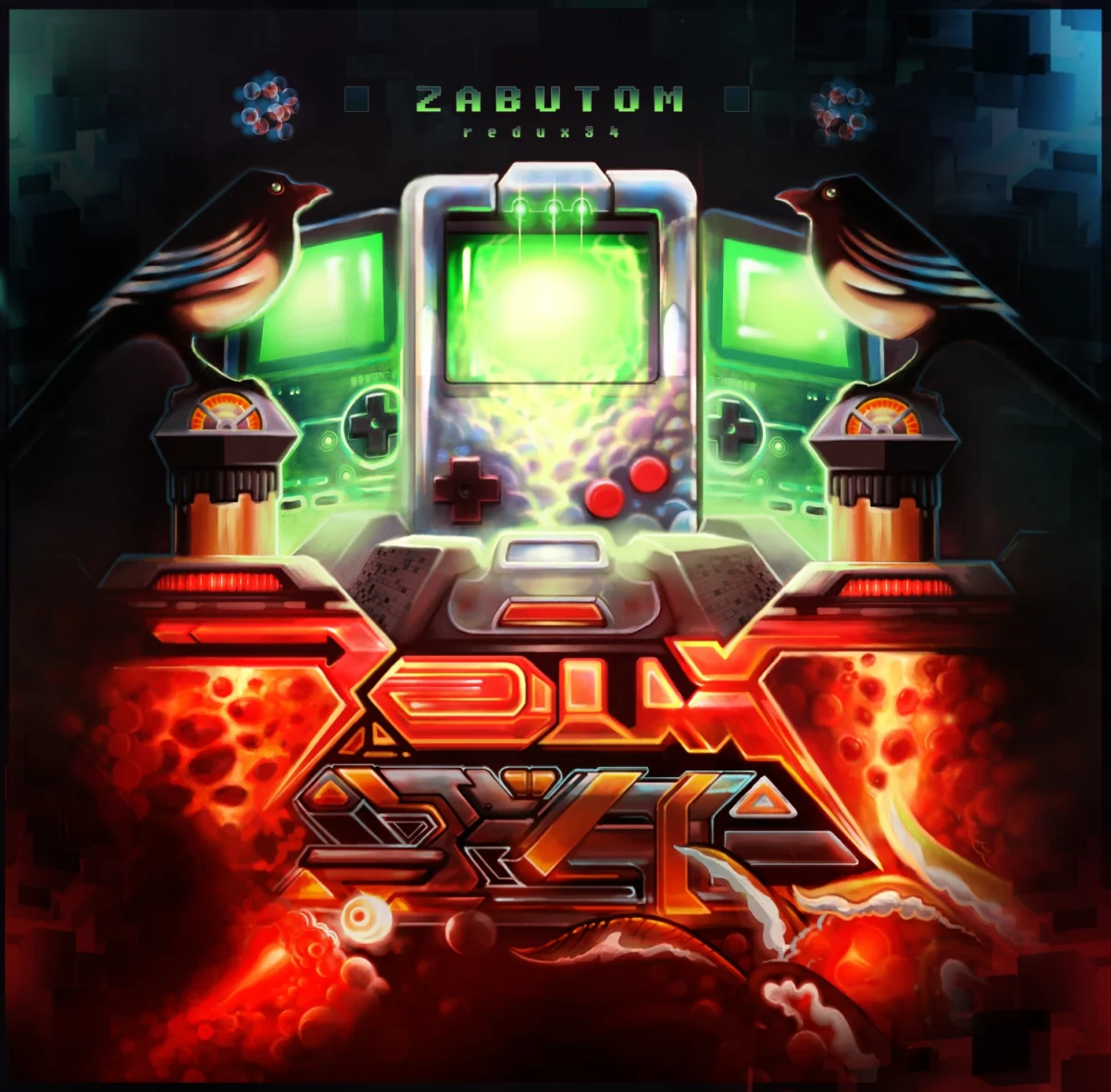
On September 18, 2015, the international electronic music community witnessed the release of Redux34, the latest full-length studio album from the esteemed Swedish composer and chiptune veteran Niklas Sjövärd, known professionally as zabutom. Released under the Ubiktune label, Redux34 represents a significant departure from the artist’s earlier works, transitioning from the high-energy, game-inspired melodies of his past toward a sophisticated synthesis of progressive rock, IDM (Intelligent Dance Music), folk, and avant-garde electronic experimentation. The album is characterized by its meticulous production standards, seamlessly integrating the raw, 8-bit textures of the Nintendo Entertainment System (NES) and the Nintendo Game Boy with the organic warmth of electric guitars, analog synthesizers, and expansive, delay-heavy soundscapes.
The arrival of Redux34 marks a milestone in the evolution of the chiptune genre, which has historically been confined to the limitations of vintage gaming hardware. Sjövärd’s latest offering challenges these boundaries, presenting a retro-futuristic narrative that balances melancholia with a distinct sense of hope. Through this release, zabutom solidifies his position not merely as a "chip musician" but as a contemporary composer capable of weaving complex emotional threads through disparate sonic mediums.
Technical Foundations and Genre Synthesis
The sonic architecture of Redux34 is built upon a foundation of what Sjövärd describes as "chip wizardry." While the core of the album remains rooted in the bleeps and pulses of 8-bit hardware, the arrangements are augmented by a diverse array of instrumentation. The integration of electric guitars and analog synthesizers provides a bridge between the digital rigidity of the Game Boy and the fluid, improvisational nature of progressive rock. This hybrid approach allows for the creation of "complex soundscapes" that are rarely found in traditional chiptune releases.
Listeners will find that the album incorporates elements of IDM, a genre known for its intricate rhythmic patterns and experimental structures. By blending these with folk-inspired compositions, Sjövärd creates a unique auditory experience that feels both ancient and futuristic. The production quality is a focal point of the release; the use of spaced-out delay textures and modern mixing techniques ensures that the low-fidelity 8-bit sounds coexist harmoniously with high-fidelity studio recordings. This technical mastery is a direct result of Sjövärd’s formal training and his extensive history within the electronic music scene.
A Seven-Year Journey of Reconstruction
The development of Redux34 was a protracted and often arduous process that spanned seven years. The origins of the album date back to 2008, a period when Sjövärd was beginning to perform regularly at international chiptune festivals and events using LittleSoundDJ (LSDJ), a popular music sequencer for the Nintendo Game Boy. During this era, much of the material was written as "plain LSDJ or NES chiptunes." However, Sjövärd felt a growing desire to expand the scope of his work, incorporating production techniques from broader electronic genres while maintaining the spirit of his original 8-bit intentions.
The album’s title, Redux34, serves as a direct reference to the technical challenges faced during its creation. In 2008, while working on the title track, Sjövärd experienced a catastrophic hardware failure: his LSDJ cartridge crashed just as the foundational work for the song was completed, resulting in the total loss of all music data. This forced the composer to recreate the entire track from memory—a process of "reduction" and "reconstruction" that defined the album’s naming convention. The "34" in the title refers to the track’s 3/4 time signature, a rhythmic choice that reflects Sjövärd’s interest in non-standard musical structures.
This theme of loss and recreation became a recurring motif throughout the production of the album. Sjövärd reported multiple instances of lost patterns, corrupted settings, and failed mixes that required him to start from scratch. This time-consuming process eventually led to a refined final product, as the repeated iterations allowed the composer to apply new skills he had acquired during the intervening years.

The Academic and Professional Background of Niklas Sjövärd
Niklas Sjövärd, born in 1985, is a central figure in the Swedish demoscene, a computer art subculture focused on producing self-contained programs that generate audio and visual effects. Active since the early 2000s, Sjövärd has contributed to numerous demoscene releases and compilations, earning a reputation for his technical proficiency and melodic sensibility. His debut release on the Ubiktune label, Zeta Force (2011), was a collection of high-tempo tracks reminiscent of classic "shmup" (shoot ’em up) video game soundtracks. Zeta Force has since been recognized as a modern classic within the chiptune community.
Sjövärd’s evolution as a composer was further bolstered by his academic pursuits. In 2014, he earned a Bachelor’s degree in Composition and Electronic Music from the Academy of Music and Drama at the University of Gothenburg, Sweden. This formal education provided him with a deeper understanding of music theory and electronic sound design, which is evident in the sophisticated arrangements of Redux34.
Beyond his work as zabutom, Sjövärd has engaged in a variety of experimental projects. These include the modular live techno duo Buchla Boys, as well as experimental electronic works such as Friktion and Scratches and Petals. His versatility is further demonstrated by his roles as a guitarist and vocalist in folk-inspired acoustic acts, including collaborations with Fowlcloud and Léonore Boulanger. These "excursions" into other musical scenes heavily influenced the multifaceted nature of Redux34, as Sjövärd sought to integrate his diverse experiences into his primary chiptune project.
Visual Identity and Artistic Collaboration
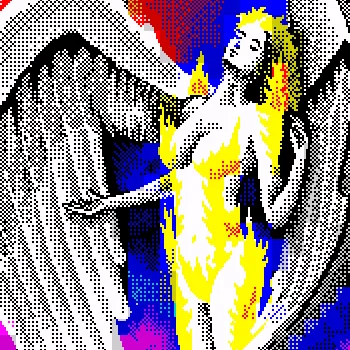
The immersive world of Redux34 is complemented by the visual artistry of Anders Karlsson, a concept artist and painter based in Norrköping, Sweden. Karlsson’s artwork for the album captures the "retro-futuristic vision" that Sjövärd sought to convey through his music. The cover art depicts strange, otherworldly landscapes that mirror the melancholic yet hopeful tone of the compositions. This collaboration highlights the importance of visual storytelling in the contemporary music market, where the aesthetic presentation of an album serves as an entry point for the listener into the artist’s conceptual world.

Contextualizing Redux34 within the Global Chiptune Movement
The release of Redux34 occurs at a pivotal moment for the chiptune and "bitpop" movements. Throughout the early 2010s, the scene transitioned from a niche hobbyist community into a recognized branch of electronic music. Labels like Ubiktune have been instrumental in this shift, promoting artists who use vintage hardware as a legitimate tool for serious composition rather than a mere novelty.
Industry analysts note that Sjövärd’s work follows a broader trend of "progressive chiptune," where artists move away from the four-on-the-floor dance structures of early Game Boy music in favor of more complex, narrative-driven albums. By incorporating elements of prog-rock and IDM, Redux34 appeals to a wider demographic, including fans of experimental electronics and traditional instrumental music. This cross-genre appeal is essential for the continued growth and sustainability of the scene.
Distribution and Availability
Redux34 is being made available through a wide variety of platforms to ensure maximum reach. In addition to being accessible on all major digital storefronts and streaming services—such as Spotify, Apple Music, and Bandcamp—the album is also receiving a physical release on Compact Disc (CD). This commitment to physical media is a hallmark of the Ubiktune label and the chiptune community at large, where fans often value tangible artifacts that feature high-quality artwork and liner notes.
Broader Impact and Implications
The release of Redux34 is expected to have a lasting impact on how chiptune is perceived by the broader music industry. By demonstrating that 8-bit sounds can be successfully integrated into high-concept, professionally produced albums, Niklas Sjövärd has set a new benchmark for the genre. The album serves as a testament to the resilience of the artist, whose seven-year struggle against hardware failure and technical setbacks resulted in a work of significant depth and complexity.

As electronic music continues to fragment into increasingly specialized sub-genres, Redux34 stands as a reminder of the power of synthesis. It proves that the limitations of the past can be transformed into the innovations of the future when guided by a clear artistic vision and a high degree of technical skill. For zabutom, this album is not just a return to his roots; it is a bold step forward into uncharted territory, ensuring that his influence on the world of electronic music will continue to be felt for years to come.