Cecilia Chamidah Nur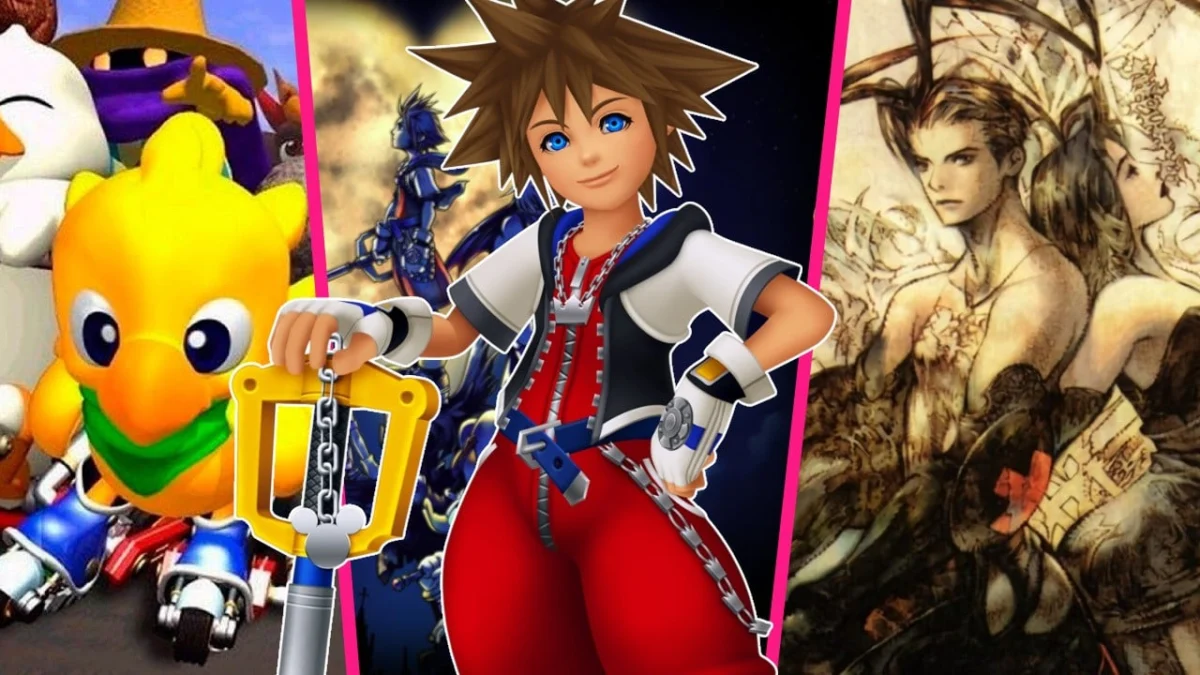
The intricate world of video game localization, a field often operating behind the scenes, holds a profound fascination for enthusiasts and industry veterans alike. It is a discipline that bridges cultural divides, transforming digital narratives from one language to another while preserving their essence, humor, and emotional impact. This complex process, laden with invisible changes and strategic decisions, has been a lifelong interest for many, leading to explorations of the hidden artistry involved. A key figure in this transformative period was Amanda Jun Katsurada, a former Square employee and localization specialist whose journey offers a unique window into the professionalization of game translation during a pivotal era for Japanese RPGs.
Katsurada’s career at Square’s Tokyo offices, spanning from 1998 to 2003, coincided with a hugely transformative period for the company’s localization department. Her contributions to landmark titles such as Chocobo Racing, Legend of Mana, Vagrant Story, and the groundbreaking Kingdom Hearts helped define how Japanese games would be received by a burgeoning global audience. Her story highlights not only the technical challenges of translation but also the critical importance of cultural adaptation in an increasingly interconnected gaming world. Following her departure from Square to pursue a freelance career, Katsurada transitioned into conference interpreting, yet her foundational work continues to resonate within the industry.
Square’s Ascendant Era and the Dawn of Modern Localization
Amanda Jun Katsurada’s entry into the video game industry in late 1998 was serendipitous, born from a chance encounter at a job fair in Boston. At this time, Square was riding the crest of its global success, solidified by the monumental impact of Final Fantasy VII (released in 1997) and its subsequent titles. The late 1990s marked a crucial turning point where Japanese developers recognized the immense, untapped potential of Western markets. This realization necessitated a shift from purely literal translation, which often resulted in awkward or culturally irrelevant text, to a more nuanced approach: localization. This new methodology aimed to adapt content so it would resonate naturally with the target audience, encompassing everything from dialogue and character names to cultural references and user interface elements.

Katsurada, born in Japan to a Japanese father and an American mother, had a unique linguistic and cultural background. Despite growing up primarily within the Japanese schooling system and not speaking English until her teenage years, her mother’s intentional efforts to speak "clean and correct" English at home laid an unconscious foundation. At 16, she moved to the United States, completing high school and pursuing liberal arts degrees (anthropology and comparative literature with minors in history and classics) at university. This academic path, focused on human nature, culture, and language, proved unexpectedly relevant to her future career.
Initially seeking employment after college, Katsurada found that traditional science or programming degrees dominated the job market. Her liberal arts background seemed ill-suited until she stumbled upon Square at a job fair. Despite her confessed "zero interest" in video games, her sister’s passion for Final Fantasy artist Yoshitaka Amano’s work had familiarized her with the Square name. It was an HR representative from Square’s LA office who recognized her potential, noting her willingness to learn and her natural conversational skills, rather than specific gaming knowledge. This led to an offer, not for the LA office, but for the Tokyo headquarters, a move Katsurada welcomed as she was ready to return to Japan.
Upon joining Square in November 1998, Katsurada was immediately struck by the company’s impressive, marble-clad office building and its unconventional work culture. New hires were informed of an 11 AM start time, which she learned had actually been pushed back from 1 PM, much to the chagrin of some long-serving employees. This glimpse into the "crazy" video game industry, characterized by incredibly long hours and developers often "living in the office," was a stark contrast to her academic background. Yet, despite the initial shock, Katsurada found the environment to be "great fun."
Pioneering Characterization: The Chocobo Racing Experience
One of Katsurada’s earliest projects at Square was Chocobo Racing, under the guidance of lead translator Richard Honeywood. This project served as an immersive crash course in the evolving art of game localization. Honeywood, a respected veteran in the field, emphasized the importance of characterization and retaining the original Japanese script’s humor and lightheartedness. This meant moving beyond literal translation to create distinct voices and personalities for each character.
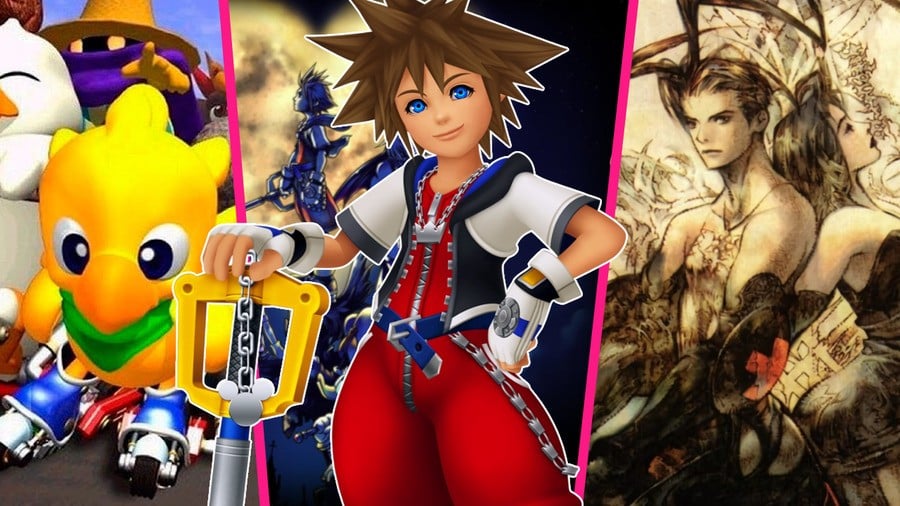
For Katsurada, Chocobo Racing became a practical application of her academic interests. The team experimented with various accents and speech patterns, famously giving the goblin a Cockney accent and Cid a Southern accent. "For me, it was an amazing experience because I’ve always been interested in understanding human nature, which is what anthropology is all about," Katsurada recalled. Her background in history, culture, and cross-cultural communication proved invaluable in shaping characters that would resonate with an English-speaking audience.
This innovative approach marked a significant departure from earlier localization practices. Prior to this period, game translations were predominantly literal, often sacrificing nuance and cultural context. Richard Honeywood, among others, was instrumental in building trust within Square, advocating for the value of creative localization that respected the original work while making it equally appreciated in other languages. This shift acknowledged that successful global market penetration required more than just linguistic accuracy; it demanded cultural fluency.
The collaborative spirit extended to the development team. Katsurada noted the regular interaction with the Chocobo Racing developers, including director Takashi Tokita, known for his amiable and caring demeanor. The localization team frequently sought clarification from developers due to the often unscripted nature of text files, which were organized by location rather than narrative flow and programmed inconsistently across projects. To minimize the burden on developers, the localization team would often play beta versions of the game extensively to find answers themselves. Tokita’s informal invitations for ramen outings fostered an environment where the localization team felt comfortable asking questions, ensuring a high-quality, culturally sensitive product.
Beyond Words: Legend of Mana and the "Localization Specialist" Role
Katsurada’s next major credit was Legend of Mana, where her role title evolved from "translator" to "localization specialist." This change was more than semantic; it reflected the expanding scope of the localization team’s responsibilities. As Katsurada explained, the term "localization specialist" underscored that their work extended beyond mere words to encompass gestures, icons, legal considerations, and broader cultural sensitivities. The team was empowered to flag content that might not pass in a given region, indicating a growing awareness of the multifaceted nature of global content delivery.
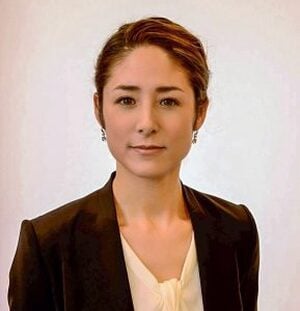
Working on Legend of Mana, a much larger project within the acclaimed Mana series, required extensive preparatory work. Katsurada immersed herself in the franchise, playing previous titles to understand the game’s world, lore, and fan expectations. This proactive approach, encouraged by Honeywood, became standard practice, ensuring consistency and authenticity across the series.
The project also presented interesting challenges in character naming. While many names adhered closely to their Japanese katakana transliterations, some underwent significant changes. "Bon Voyage," a Japanese wordplay combining the French phrase with oyaji (dad) and an onomatopoeia for a cannon blast, was localized to "Professor Bomb," prioritizing the explosive sound over the original pun. Another notable change was "Corona" to "Lisa." Brody Phillips, another veteran localizer, speculated that "Corona" might have been changed to avoid association with the beer brand, opting for a more conventional female name. These decisions illustrate the constant negotiation between preserving original intent and ensuring cultural appropriateness and market appeal.
Katsurada also recounted a humorous anecdote from Legend of Mana regarding character names. The game allowed players to randomly assign names, and one of the Japanese random names was "Amanda," after an existing character in the Mana series. Due to the less formalized cataloging of character names in the ’90s, a colleague mistook this for Katsurada playfully inserting her own name and similarly replaced another name with their own. This incident highlighted the informal, yet often effective, reliance on personal records and the evolving systems within the nascent localization department.
Precision and Partnership: Vagrant Story
Following Legend of Mana, Katsurada collaborated with Alexander O. Smith on Vagrant Story, a title renowned for its complex narrative and highly stylized, Shakespearean English dialogue. Recognizing Smith’s unique talent for elevated language, Katsurada proposed a deliberate division of labor: Smith would handle the intricate story and dialogue, while she would tackle the menu text, item descriptions, and environmental names. This strategic approach ensured consistency in the game’s distinctive linguistic style, a level of precision critical for Vagrant Story‘s immersive world.
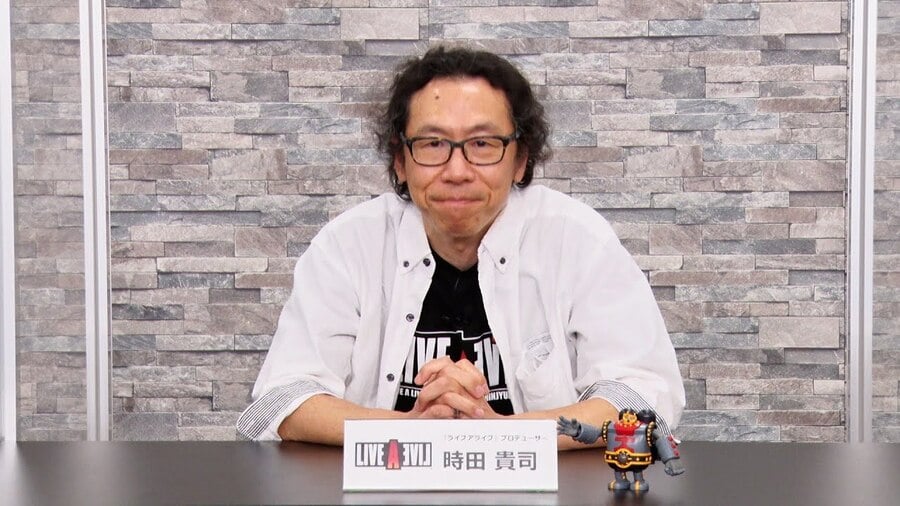
Katsurada’s work on menu text involved extensive research. Lacking comprehensive glossaries from the development team, she frequently consulted Square’s internal library, poring over encyclopedias of weapons from around the world to find appropriate English equivalents for in-game armaments. She also localized room names, navigating the game’s intricate dungeons without the narrative "dad jokes" prevalent in many Japanese titles, which simplified some aspects but required her to rely heavily on her own creativity for descriptive text.
The collaboration with Smith was symbiotic. Katsurada recalled how item names, such as the infamous "Eye of Argon" (a reference to a notoriously bad 1970s novel, likely an in-joke by Smith), were often a joint effort. She would consult Smith to ensure consistency with the game’s overall Shakespearean aesthetic. This partnership exemplified the ideal localization team: a native Japanese speaker like Katsurada, with deep cultural knowledge and an ability to uncover subtle, obscure meanings, paired with a native English speaker like Smith, Honeywood, or Phillips, who could craft natural-sounding, stylistically appropriate English. Katsurada’s role extended to being a "cultural checker" for Smith in his later work translating Japanese mystery novels, underscoring the enduring value of her cross-cultural expertise.
The Disney Frontier: Kingdom Hearts
The localization of Kingdom Hearts presented an entirely new set of challenges, marking a significant milestone as potentially the first time Disney allowed another company to develop a video game using its iconic characters. This unprecedented collaboration between Square and Disney in 2002 was an equal partnership, yet it came with considerable friction, particularly concerning creative control and intellectual property.
Initially, Katsurada and Ryosuke Taketomi were selected as Square’s translators, expecting to follow their established process. However, Disney insisted on using their own pre-approved translator, who, despite an impressive resume, was unfamiliar with Square’s specific formats and technical parameters. This necessitated a complete re-translation by Katsurada and Taketomi, severely compressing their timeline. Further complicating matters, Taketomi departed midway through the project, leaving Katsurada to complete the grueling task alone.
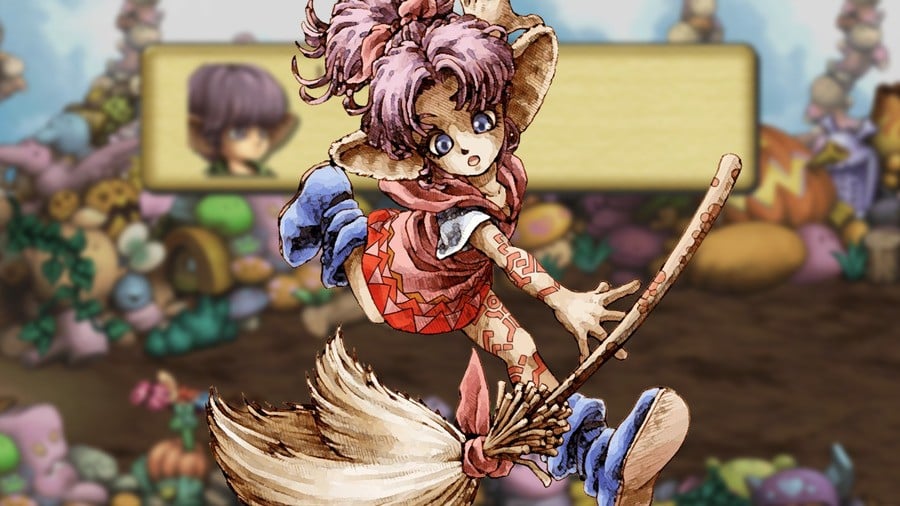
The workload was immense, characterized by "really long hours," "every single weekend, every single day," and Katsurada "pretty much living in the office." The experience was so intense that much of it became a "blur in retrospect." Yet, amidst the arduous schedule, a new facet of her career emerged: interpretation. Disney executives visited Square’s offices for voice-over sessions, as Japanese voice actors recorded lines for Mickey, Minnie, and other Disney characters. Katsurada, acting as an interpreter for the Disney vice president, discovered a profound enjoyment and aptitude for simultaneous interpretation, a skill that would shape her future path.
Regarding character names, director Tetsuya Nomura typically preferred to retain original Japanese names, a stance that sometimes clashed with the localization team’s desire for greater Western appeal. While "Heartless" was deemed acceptable (and indeed, the Japanese term Hātoresu is a direct transliteration), Katsurada argued for changing some of the more "miscellaneous" character and monster names, which, as direct katakana transliterations, "just won’t sound good" in English. Although Nomura often resisted these changes, the success of Kingdom Hearts ultimately demonstrated that the chosen approach resonated with audiences. Katsurada also notably contributed the English name "Tidus" for Final Fantasy X‘s protagonist, a detail that holds significant weight for fans of the series.
Transition to Freelance and the Call of Interpretation
The intense demands of Kingdom Hearts, coupled with her final project at Square, Final Fantasy Origins, led to significant burnout. In 2003, Katsurada decided it was "time to move on," leaving Square to pursue a freelance career. Her freelance work included projects with Q Entertainment, Disney Interactive, and Three Rings, as well as contributing to Final Fantasy Tactics Advance for Square Enix and providing localization consultation for Electronic Arts. Many of these were smaller online games, reflecting the nascent stage of internet-based gaming before the smartphone era.
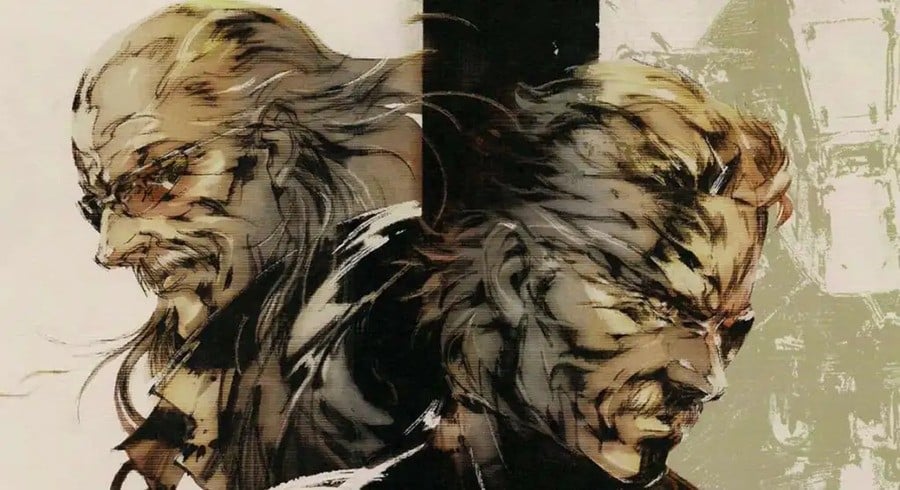
A particularly unique experience came with Metal Gear Solid IV: Guns of the Patriots. Katsurada was hired not for text translation but as an interpreter for sound engineering mixing sessions at Skywalker Sound. Interpreting for Hideo Kojima, she translated his precise instructions on sound effects – from footsteps to gunshots – for the engineers, highlighting the highly cinematic nature of the game and the meticulous detail involved in its production.
These experiences, especially the interpretation work during Kingdom Hearts voice-over sessions, solidified her conviction that interpreting was her true calling. She found it a better fit than "just sitting all day typing," preferring the direct, face-to-face interaction and feeling a natural aptitude for it. To professionalize this newfound passion, Katsurada pursued a Master’s degree in Conference Interpreting in the United States. After earning her degree, she worked as an in-house interpreter for Honda, an automotive company, before establishing herself as a full-fledged freelance conference interpreter, primarily serving the automotive sector.
Legacy and Future Aspirations
Despite her departure from the video game industry, Katsurada expresses a genuine fondness and a desire to potentially return. A recent reunion with Takashi Tokita, director of Chocobo Racing and other Square titles, brought her back into contact with many of Square’s "gods," reaffirming her appreciation for the industry that launched her professional career. She acknowledges the need to "study up on what’s been happening in the video game industry" since her departure, but remains open to future involvement.
Amanda Jun Katsurada’s career trajectory offers a compelling narrative of the evolution of video game localization. Her work at Square during a crucial period helped establish best practices for cultural adaptation, moving the industry beyond literal translation towards "transcreation" – a process that recreates content for a new culture. This shift was instrumental in the global success of Japanese RPGs and other titles, transforming them from niche products into mainstream blockbusters.
The localization industry has continued to grow exponentially since Katsurada’s time at Square. Market research firms estimate the global video game localization market to be worth billions of dollars, driven by the ever-expanding international reach of games. While technological advancements, including AI and sophisticated CAT (Computer-Assisted Translation) tools, have streamlined many processes, the fundamental importance of human cultural understanding, empathy, and creative adaptation remains paramount. Katsurada’s journey underscores that successful localization is not merely about language conversion; it is about cross-cultural communication, ensuring that stories, characters, and experiences resonate authentically with diverse audiences worldwide, a legacy she helped forge.