Cecilia Chamidah Nur
In a recently released video marking the 45th anniversary of the seminal role-playing game Wizardry, co-creator Robert Woodhead offered a candid reflection on the profound and unexpected trajectory his life took following the game’s monumental success. Woodhead attributes Wizardry‘s triumph as the singular reason he has never had to pursue what he terms "a real job," and, more personally, as the serendipitous catalyst that led him to meet his life partner. His insights underscore not only the game’s enduring influence on the digital entertainment landscape but also its transformative power on the personal lives of its creators.
The Genesis of a Digital Dungeon: From PLATO to Apple II
The story of Wizardry begins not in a corporate boardroom, but within the hallowed digital halls of Cornell University, specifically through the pioneering PLATO computer system. In the late 1970s, before the widespread adoption of personal computers, PLATO (Programmed Logic for Automatic Teaching Operations) was a sophisticated, networked educational system developed by the University of Illinois. It provided an early glimpse into interactive computing, complete with email, instant messaging, and, crucially for Woodhead and his collaborator Andrew C. Greenberg, multiplayer games. These early networked games, such as pedit5 and Moria, were rudimentary dungeon crawlers that laid some of the conceptual groundwork for what would become Wizardry.
It was on this system that Robert Woodhead, then a psychology student, first encountered Andrew C. Greenberg. Both shared a keen interest in the burgeoning field of computer gaming and, more significantly, a deep appreciation for tabletop role-playing games, particularly Dungeons & Dragons. The latter, first published in 1974, had ignited a cultural phenomenon, captivating players with its intricate worlds, character progression, and the thrill of collaborative storytelling. Woodhead and Greenberg’s ambition was to translate this rich, imaginative experience into a digital format, making it accessible to a wider audience through the nascent personal computer market.
The chosen platform for their ambitious project was the Apple II, a groundbreaking personal computer introduced by Apple Inc. in 1977. Its color graphics capabilities and relatively open architecture made it an ideal, albeit challenging, canvas for early game developers. Working tirelessly, often balancing their academic pursuits with their coding endeavors, Woodhead and Greenberg set out to capture the "essence of tabletop roleplaying." This meant crafting a game with a persistent party of adventurers, intricate dungeon layouts, diverse monster encounters, and a robust character development system that included various classes, races, and spells. They envisioned a first-person perspective for dungeon exploration, a novel concept for many at the time, presented through wireframe graphics that fostered a sense of immersion.
Modest Beginnings and Unexpected Triumphs
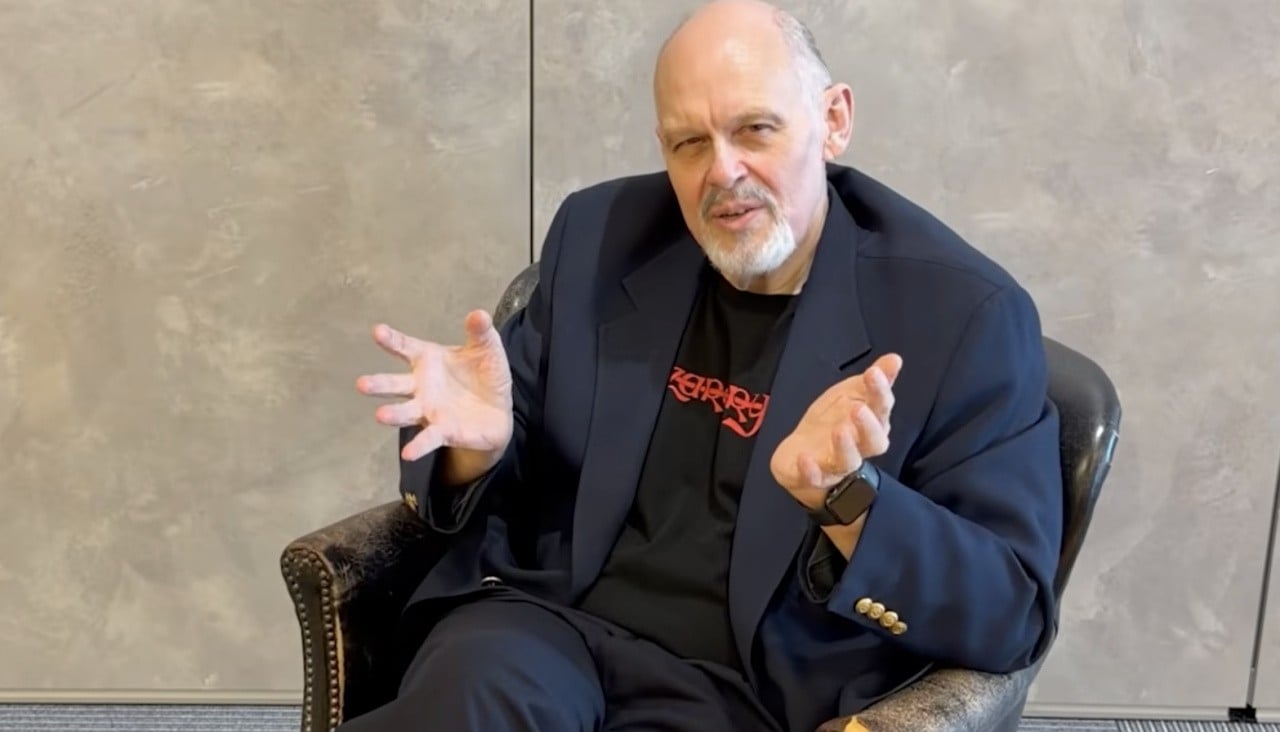
When Wizardry: Proving Grounds of the Mad Overlord was finally released in 1981, neither Woodhead nor Greenberg harbored grandiose expectations. As Woodhead recounts in the anniversary video, the idea that anyone would remember their creation 45 years later, let alone that it would influence a generation of high-profile game developers, would have been considered "insane." Their goals were far more grounded. Greenberg, in particular, hoped the game would perform well enough in the long run "to pay off his school loans" – a common aspiration for many college graduates facing burgeoning debt.
However, the reality dramatically diverged from their modest projections. Wizardry was not merely a moderate success; it was an instant smash hit. Woodhead notes that Greenberg’s sales forecasts were "way off," as the game remarkably generated enough revenue to pay off his school loans in its very first month of release. This immediate and overwhelming commercial success stunned the co-creators and signaled the arrival of a new powerhouse in the nascent computer gaming industry.
The game’s innovative features contributed significantly to its rapid ascent. Wizardry introduced several mechanics that would become staples of the RPG genre. Its party-based combat, requiring strategic management of multiple characters with distinct skills and abilities, offered a depth previously unseen in many computer games. The complex dungeon layouts, filled with traps, puzzles, and formidable enemies, demanded careful exploration and tactical thinking. Perhaps most famously, Wizardry incorporated a degree of unforgiving difficulty, including the possibility of permanent character death (permitting a "resurrection" mechanic with a chance of failure), which heightened the stakes and added a layer of strategic planning for players. These elements combined to create an experience that was both challenging and incredibly rewarding, fostering a dedicated and passionate player base.
A Pillar of the RPG Genre: Influencing East and West
Wizardry‘s impact extended far beyond its initial sales figures, solidifying its place as one of the most influential role-playing games of all time. Alongside contemporaries like Richard Garriott’s Ultima series, Wizardry played a pivotal role in defining the early computer RPG genre in the West. While Ultima often focused on open-world exploration and ethical dilemmas, Wizardry honed the dungeon-crawling experience, establishing the "blobber" subgenre characterized by its first-person, grid-based dungeon navigation and party management. Its success spurred numerous imitators and helped cultivate a market for more complex, narrative-driven computer games.

However, Wizardry‘s influence was arguably even more profound in Japan, where it became a cultural phenomenon that reshaped the burgeoning console gaming industry. Japanese developers, captivated by its intricate systems and challenging gameplay, drew direct inspiration from Wizardry to create some of the most iconic RPG franchises in history. Yuji Horii, the creator of Dragon Quest, openly acknowledged Wizardry as a primary influence for his groundbreaking series, particularly its party-based combat and dungeon exploration mechanics. Similarly, Hironobu Sakaguchi, the visionary behind Final Fantasy, drew heavily on Wizardry‘s character progression and strategic depth, integrating these elements into a more narrative-focused and cinematic experience. The enduring popularity of Wizardry in Japan led to numerous ports across various platforms, including the Famicom, Super Famicom, and PlayStation, ensuring its legacy resonated deeply with Japanese gamers and developers for decades. This cross-cultural pollination cemented Wizardry‘s status as a global archetype for the RPG genre, directly contributing to the rise of the JRPG, a distinct and globally beloved subgenre.
A Life Transformed: From Code to Culture
The financial and critical success of Wizardry not only secured the game’s place in history but also fundamentally reshaped Robert Woodhead’s personal and professional life. The unprecedented freedom it granted him, as he articulated, meant he could pursue endeavors "for the love of them," unburdened by the conventional necessity of a "real job." This freedom proved to be a catalyst for a series of serendipitous events that took his life in directions he "could never have imagined back in 1981."
A significant turning point was Wizardry‘s immense popularity in Japan. The game’s strong following there necessitated Woodhead’s visits to the country, initiating a profound cultural exchange. During these trips, he was introduced to the vibrant world of Japanese animation, or anime. This exposure sparked a new passion, leading him to co-found AnimEigo in 1988, a pioneering company dedicated to licensing and distributing Japanese animation in North America. AnimEigo played a crucial role in the early days of anime’s expansion into the Western market, introducing classic titles like Bubblegum Crisis, Kimagure Orange Road, and Urusei Yatsura to a burgeoning English-speaking fanbase. This venture, which Woodhead started "just for fun," demonstrated the entrepreneurial spirit fostered by the financial independence Wizardry provided.
Beyond professional pursuits, Woodhead’s journey to Japan and his involvement with AnimEigo also led to a deeply personal milestone. As he needed an interpreter for his various Japanese business dealings, he met the woman who would become his wife. "She ended up being the love of my life," Woodhead shared, adding, "We’ve been together ever since. None of that would have happened without Wizardry." This profound personal connection underscores the unexpected and far-reaching impact of his creative endeavor, illustrating how a video game could, indirectly, orchestrate a life-altering romance.
The Enduring Legacy and Future Horizons
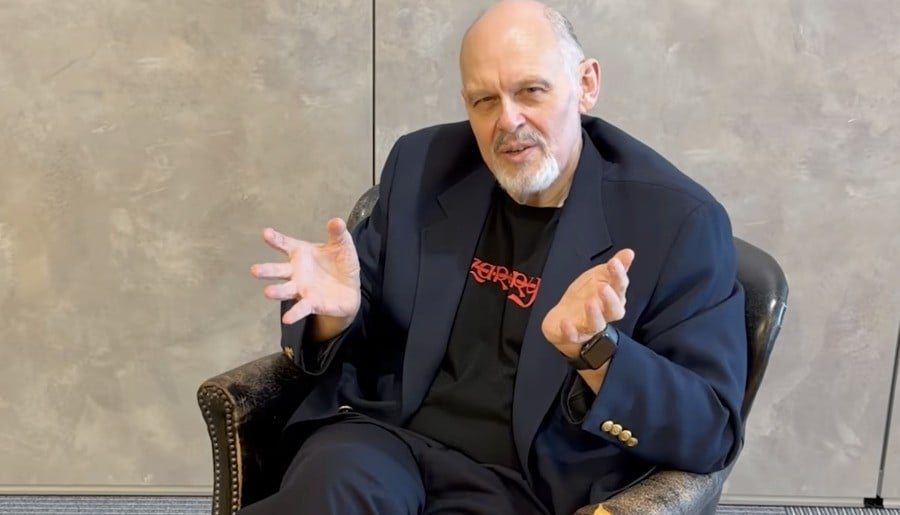
Woodhead reflects on this journey with a sense of profound gratitude, describing the freedom to pursue passions as an "immense amount of joy" and a "profound gift." His reflections are not merely a nostalgic look back but also a forward-looking sentiment, extending his hopes to the next generation of developers. With the recent announcement and development of Wizardry Variants Daphne, Woodhead expresses his optimism that "all of the people that are working on the new game have a similar and wonderful path in life; that they get to do things that they never imagined and that they have an immense amount of joy from the doing of it." This sentiment highlights a desire for the creative spirit and unexpected rewards to continue propagating through the Wizardry legacy.
The continued evolution of the Wizardry franchise, exemplified by Wizardry Variants Daphne, speaks to the enduring appeal of its core design principles and its profound historical significance. Even after 45 years, the foundational elements laid down by Woodhead and Greenberg—the challenging dungeons, the strategic party management, and the deep sense of adventure—continue to resonate with players and inspire new iterations. The franchise has seen numerous sequels, spin-offs, and localized versions across various platforms, particularly maintaining a strong presence in the Japanese market where its influence remains palpable in contemporary RPG design.
In closing his reflections, Woodhead extends his hopes beyond the creators to the players themselves. He wishes them "a similar happy accident as I had" and encourages them to "get to have an adventure in real life as amazing as you are having in the game." This message encapsulates the broader philosophy behind Wizardry: that the pursuit of challenge, exploration, and unexpected discoveries within a game can mirror and even inspire real-world adventures and personal growth.
For those interested in delving deeper into this remarkable narrative, the full anniversary video featuring Robert Woodhead’s reflections is available on YouTube. Additionally, a comprehensive "Making Of" feature for the original Apple II game, including an interview with Woodhead and the game’s original publishers, the Siroteks, offers further insight into the creation of this landmark RPG. Wizardry‘s journey, from a humble project born on a university computer system to a global phenomenon that shaped a genre and transformed a life, remains a testament to the unpredictable power of creativity and the lasting legacy of digital innovation.