Vera Clarissa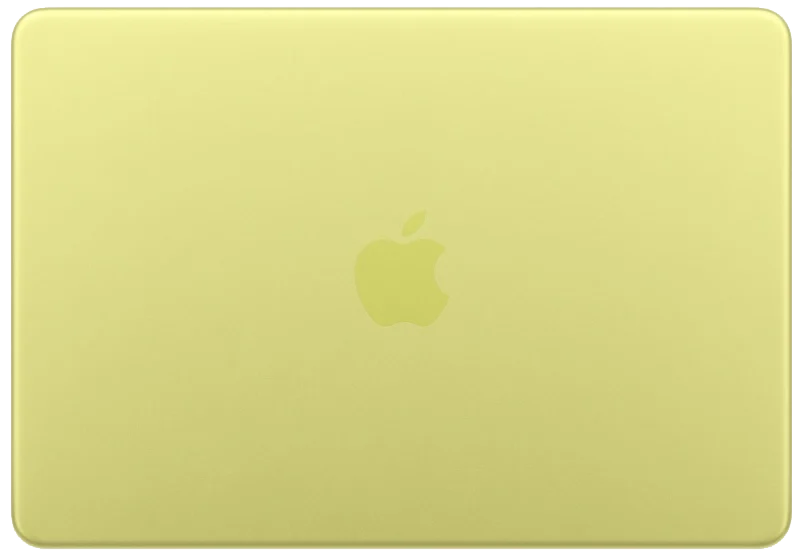
Apple has dramatically reshaped its notebook strategy with the introduction of the MacBook Neo, a device designed to capture the budget-conscious consumer without compromising core Apple values. This new entrant marks Apple’s most aggressive push into affordability to date, with a starting price of $599 USD. Students and educators can find an even more compelling offer through Apple’s Education Store, where the MacBook Neo is available for $499. This strategic pricing aims to broaden the appeal of the macOS ecosystem, making it accessible to a wider demographic than ever before.
The MacBook Neo represents a departure from Apple’s recent product lines, prioritizing accessibility and vibrant aesthetics. It is positioned to compete directly with established players in the budget laptop segment, promising a premium experience at a significantly lower cost. This move signifies a potential paradigm shift for Apple, signaling a commitment to expanding its market share beyond the premium segment it has historically dominated.
Unprecedented Performance in an Affordable Package
At the heart of the MacBook Neo lies a surprising technological integration: the A18 Pro chip, a component previously exclusive to Apple’s high-end iPhone Pro models. This decision to leverage mobile-grade silicon in a laptop marks a significant engineering feat and a departure from traditional laptop architecture. Benchmarks indicate that this integration yields substantial performance gains, with the A18 Pro chip delivering nearly double the CPU performance of the M1 MacBook Air. This level of processing power is particularly noteworthy when considering the typical limitations of processors found in competing Chromebooks and Windows laptops within this price bracket.
While many budget-friendly alternatives often rely on underpowered Intel processors or compromise on build quality, Apple has maintained its commitment to premium materials. The MacBook Neo features a robust aluminum chassis, a hallmark of Apple’s design philosophy. Furthermore, it boasts a redesigned, larger Force Touch trackpad, offering improved precision and user experience. The single-core CPU performance of the A18 Pro chip is so impressive that it reportedly matches the performance of AMD’s high-end Ryzen 9 9950X3D processor in certain benchmarks, a feat almost unheard of for a chip derived from a mobile device and integrated into a sub-$600 laptop. This juxtaposition of advanced mobile silicon with a traditional laptop form factor is a key differentiator for the MacBook Neo.

Design and Display: A Splash of Color and Clarity
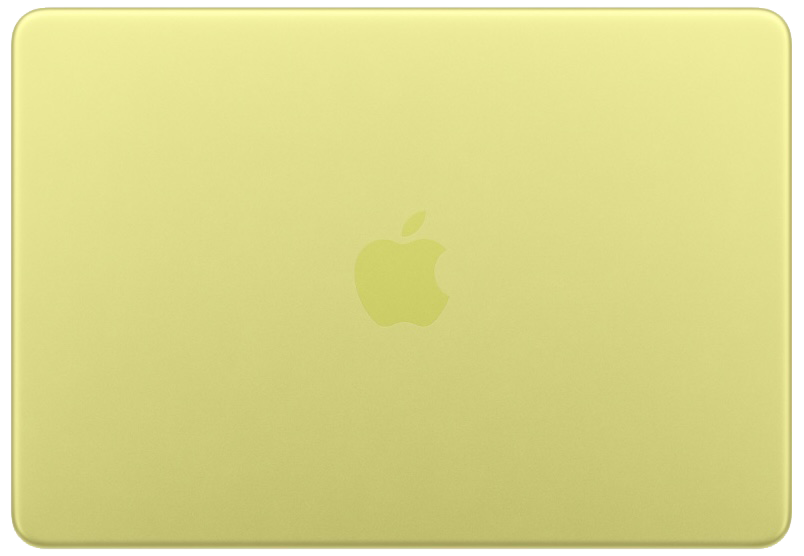
The MacBook Neo is not just about performance; it also introduces a vibrant new color palette to the MacBook lineup. Available in Silver, Blush (a soft pink), Citrus (a bright, zesty yellow), and Indigo (a deep, faded blue), these color options aim to appeal to a younger and more style-conscious audience. This departure from Apple’s typically subdued color schemes signifies a willingness to experiment and capture a broader aesthetic appeal.
The display is a 13-inch IPS LCD panel with a resolution of 2408 x 1506 pixels, offering a sharp and clear visual experience. With a brightness of 500 nits and a pixel density of 219 pixels per inch (ppi), the screen should provide ample detail and vibrancy for everyday tasks, media consumption, and even light creative work. This display quality is competitive within its price segment, ensuring that users don’t have to sacrifice visual fidelity for affordability.

Under the hood, the MacBook Neo comes configured with 8GB of 3750 MHz LPDDR5X-7500 SDRAM, providing sufficient memory for multitasking and general productivity. The graphics processing is handled by a 5-core GPU, integrated within the A18 Pro chip. The A18 Pro itself is manufactured using TSMC’s advanced 3-nanometer N3E FinFET process, a testament to Apple’s continued investment in cutting-edge semiconductor technology. This manufacturing process contributes to both the chip’s performance and its power efficiency, crucial for a portable device.
Storage and Expandability: A Calculated Compromise
The storage subsystem of the MacBook Neo features PCIe NVMe K8A5 NANDs, delivering impressive read and write speeds of approximately 1.4 GB/s. This ensures that application loading times and file transfers are swift and responsive, contributing significantly to the overall user experience. While the RAM is soldered onto the logic board, similar to other modern MacBooks, the onboard storage, while also soldered, presents a unique opportunity for modification. Unlike many sealed devices, there are indications that the storage can be upgraded to 1TB with the appropriate tools and expertise, as demonstrated by independent repair and modification channels. This offers a potential pathway for users who require more storage capacity beyond the factory configurations.
The MacBook Neo is offered in two configurations at launch: a 256GB SSD model priced at $599 and a 512GB SSD model priced at $699. This tiered pricing strategy allows consumers to choose a storage capacity that best suits their needs and budget.
Connectivity and Features: Where Sacrifices Were Made
In its pursuit of affordability, Apple has made several notable design compromises on the MacBook Neo. This model marks the first MacBook since 2020 to omit the MagSafe charging connector, reverting to charging via its USB-C port. The port selection is also limited, featuring only one USB 3.0 port and one USB 2.0 port. This reduction in connectivity options may necessitate the use of adapters or docks for users who require multiple peripheral connections simultaneously.

Another significant omission is the lack of a backlit keyboard. Instead, the MacBook Neo features a light-toned color keyboard that complements the chassis color. While this design choice maintains a cohesive aesthetic, it may present challenges for users who frequently work in low-light environments. Touch ID, a feature that has become standard on most MacBooks, is only available on the higher-priced $699 model, further differentiating the two configurations. Aside from the two USB ports, a standard 3.5mm headphone jack remains, offering a familiar and accessible audio output option.
Apple Intelligence Integration: A Glimpse into the Future
A significant aspect of the MacBook Neo, and indeed all modern Macs with Apple Silicon, is its support for Apple Intelligence. This suite of AI-powered features is designed to enhance user productivity and creativity. Apple Intelligence is integrated across macOS and is also available on compatible iPads and iPhones running the latest operating systems. For the MacBook Neo, this means users can leverage AI capabilities for tasks such as text summarization, image generation, and personalized assistance, all processed locally on the device for enhanced privacy and speed. This integration positions the MacBook Neo not just as an affordable laptop, but as a gateway to Apple’s evolving AI ecosystem.
Key Features and Specifications at a Glance
- Processor: Apple A18 Pro chip (3nm N3E FinFET process by TSMC)
- CPU Performance: Nearly double that of M1 MacBook Air; single-core performance comparable to AMD Ryzen 9 9950X3D.
- RAM: 8GB 3750 MHz LPDDR5X-7500 SDRAM
- GPU: 5-core GPU
- Display: 13-inch IPS LCD, 500 nits, 219 ppi, 2408 x 1506 resolution
- Storage: PCIe NVMe K8A5 NAND (256GB $599, 512GB $699)
- Colors: Silver, Blush, Citrus, Indigo
- Ports: 1x USB 3.0, 1x USB 2.0, 3.5mm headphone jack
- Connectivity: Wi-Fi, Bluetooth
- Other Features: Touch ID (on $699 model), no backlit keyboard
- Battery Life: Up to 11 hours wireless web, up to 16 hours video streaming
Closed Lid Mode Functionality
The MacBook Neo, like other MacBooks, supports "closed lid" or clamshell mode. This allows users to operate the laptop with the lid closed, dedicating all system resources to an external display. To utilize this feature, the MacBook Neo must be connected to its AC adapter, an external display, and a USB or Bluetooth mouse and keyboard. Upon booting up and displaying on the external monitor, closing the lid will put the device to sleep. Waking it via the external peripherals will then allow for continued use with the internal display off. To resume use of the internal display, users must disconnect the external display, put the MacBook Neo to sleep, and then open the lid.

Market Implications and Analysis
The introduction of the MacBook Neo represents a significant strategic shift for Apple. By entering the sub-$600 laptop market, Apple aims to capture a larger share of the educational sector and attract first-time computer buyers who may have previously found MacBooks to be out of their price range. This move could put pressure on manufacturers of Windows laptops and Chromebooks that have traditionally dominated this segment.
The decision to use the A18 Pro chip, a mobile-grade processor, in a laptop is a bold statement about the convergence of mobile and desktop computing. It suggests that Apple sees a future where the performance and efficiency advantages of its custom silicon can be leveraged across its entire product ecosystem. The trade-offs in connectivity and keyboard backlighting are likely calculated decisions to achieve the aggressive price point.

The MacBook Neo’s success will hinge on its ability to deliver a compelling user experience that justifies the Apple premium, even at a lower price. The integration of Apple Intelligence further enhances its appeal, positioning it as a forward-looking device rather than a stripped-down budget option. The educational market, in particular, could see significant adoption, as schools and universities seek to equip students with capable and cost-effective computing devices. The availability of a lower-priced Mac could also encourage a broader transition to macOS for individuals and small businesses.
Apple’s willingness to introduce a more affordable option, complete with vibrant color choices and a focus on core performance, signals a commitment to broadening its appeal. The MacBook Neo is not merely a cheaper MacBook; it is a re-imagining of what an entry-level Apple laptop can be, balancing accessibility with the brand’s signature blend of performance, design, and ecosystem integration. This strategic gambit could redefine the affordable laptop landscape and solidify Apple’s presence across a wider spectrum of the consumer market.