Ganda Hendra Perkasa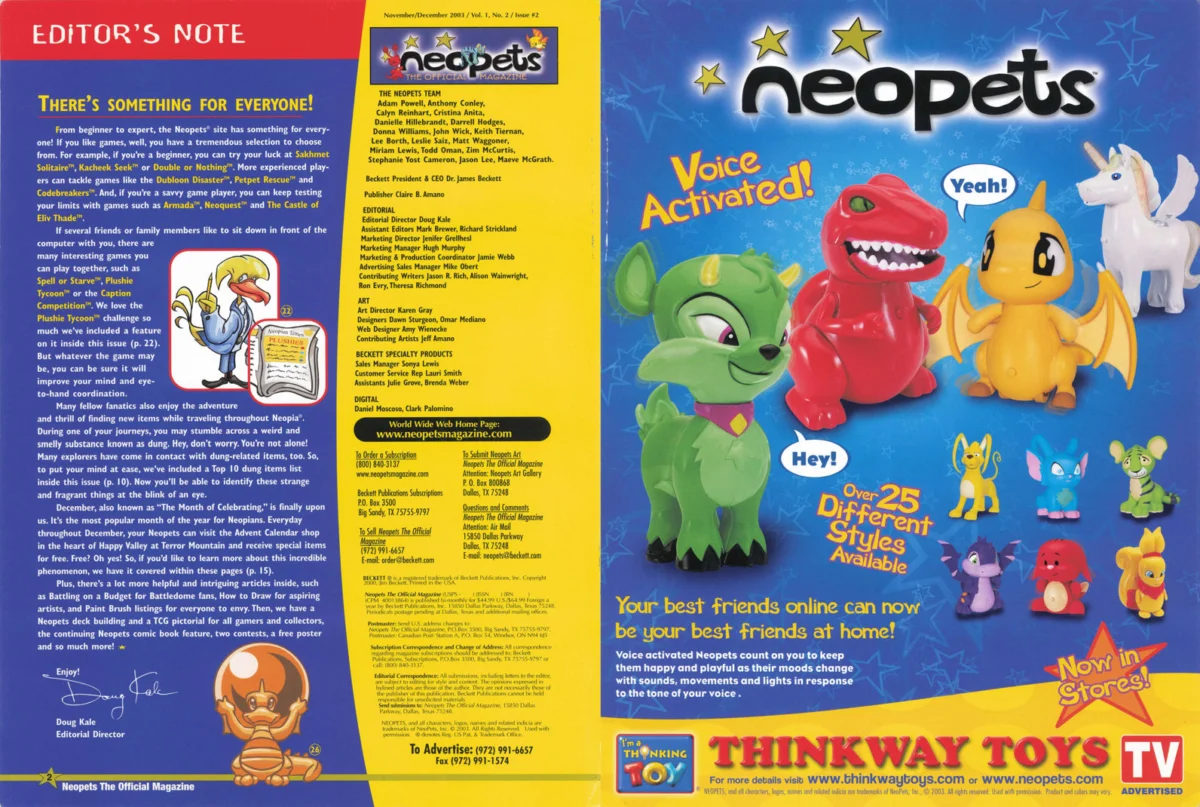
The Video Game History Foundation (VGHF) has announced the comprehensive addition of Neopets The Official Magazine to its expanding digital archive, a move poised to significantly enrich historical understanding of the gaming landscape in the early to mid-2000s. While seemingly niche, the magazine’s inclusion represents a deliberate effort by the foundation to address a long-standing gap in historical documentation concerning a demographic that played a pivotal role in the burgeoning digital entertainment industry: young girls. The complete run of the publication, comprising over 2,000 scanned pages, is now accessible, offering a unique window into the world of a game that, for a generation, served as a primary gateway into digital interaction and online communities.
A Deliberate Archival Initiative: Beyond the Expected
The VGHF, a non-profit organization dedicated to preserving and celebrating the history of video games, routinely expands its digital archives. However, the decision to publicly announce the integration of Neopets The Official Magazine underscores the significance the foundation places on this particular acquisition. Unlike more mainstream gaming publications that often focused on console hardware, competitive titles, or traditionally male-oriented genres, Neopets The Official Magazine provides an unfiltered look at a segment of the gaming audience that has historically been underserved by archival efforts and academic discourse.
"We don’t announce every time we add a new magazine to our library," stated a representative from the VGHF in a recent communication. "But this week, we’ve added the complete run of Neopets The Official Magazine to our digital archive. This might sound like an extremely specific, silly thing to make an announcement about, but we didn’t scan 2,000+ pages of this magazine without a good reason."
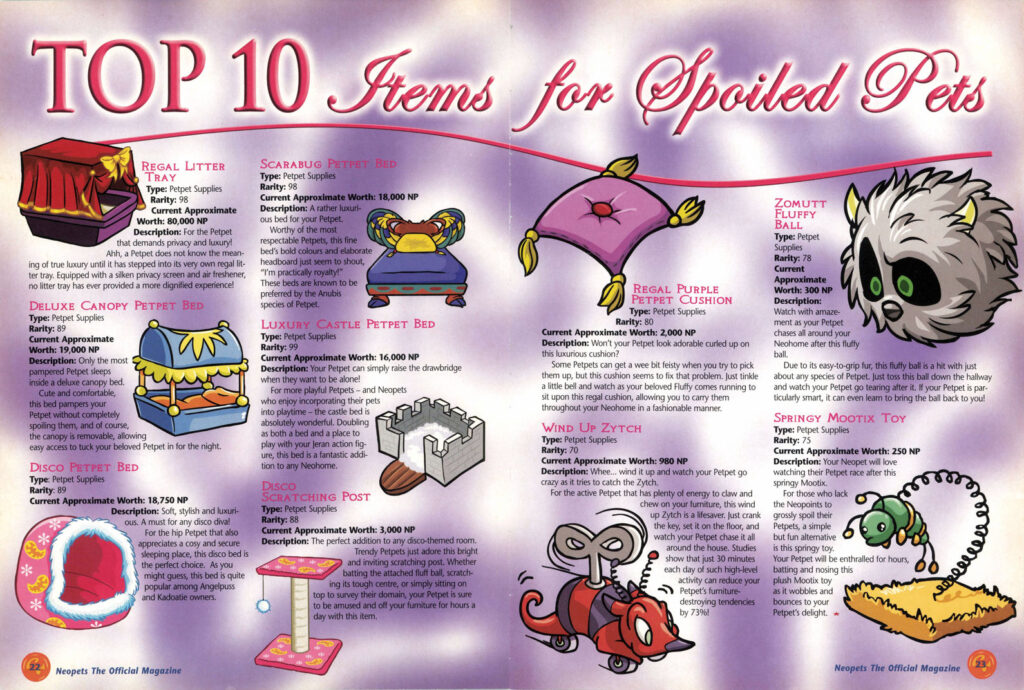
The magazine, which ran for approximately four years, predominantly featured content related to the massively popular web-based virtual pet game, Neopets. While its pages did cover game news and strategies, a substantial portion was dedicated to merchandise, trading cards, and lore, often functioning as a promotional vehicle for the brand. From a conventional gaming history perspective, it might be considered tangential. However, the VGHF’s rationale centers on its audience.
The Neopets Phenomenon: A Defining Digital Experience for a Generation
Neopets, launched in 1999 by Adam Powell and Piers Cole, quickly ascended to become a cultural touchstone for millions of young people, particularly girls, in the early 2000s. The game’s appeal lay in its accessible gameplay loop: players adopted and cared for virtual pets, engaged in mini-games to earn virtual currency (Neopoints), customized their pets and virtual spaces, and interacted within a vibrant online community. For many, Neopets represented their first sustained engagement with digital entertainment, fostering early digital literacy, a sense of responsibility through pet care, and an introduction to online social dynamics.
The VGHF’s director of library collections, in discussing the rationale behind the archival effort, explicitly highlighted the underrepresentation of this demographic. "Plenty has been written about the boy-centric marketing and messaging of the video game industry, and game magazines are a reflection of that culture," the director noted. "A magazine like Electronic Gaming Monthly is an important historical resource, and it is also—no judgment!—a magazine that had multiple supplements about football games." This starkly contrasts with the content and target audience of Neopets.
Bridging the Archival Gap: The Challenge and Triumph of Acquisition
The acquisition of Neopets The Official Magazine was not a straightforward process. The VGHF first received a set of the magazines in 2023, a moment of "ecstasy" for the archival team who had long recognized its historical value. However, the immediate challenge was the lack of usable scans. The magazine had been largely overlooked by traditional game magazine collectors, to the extent that it was not even cataloged in many community databases.
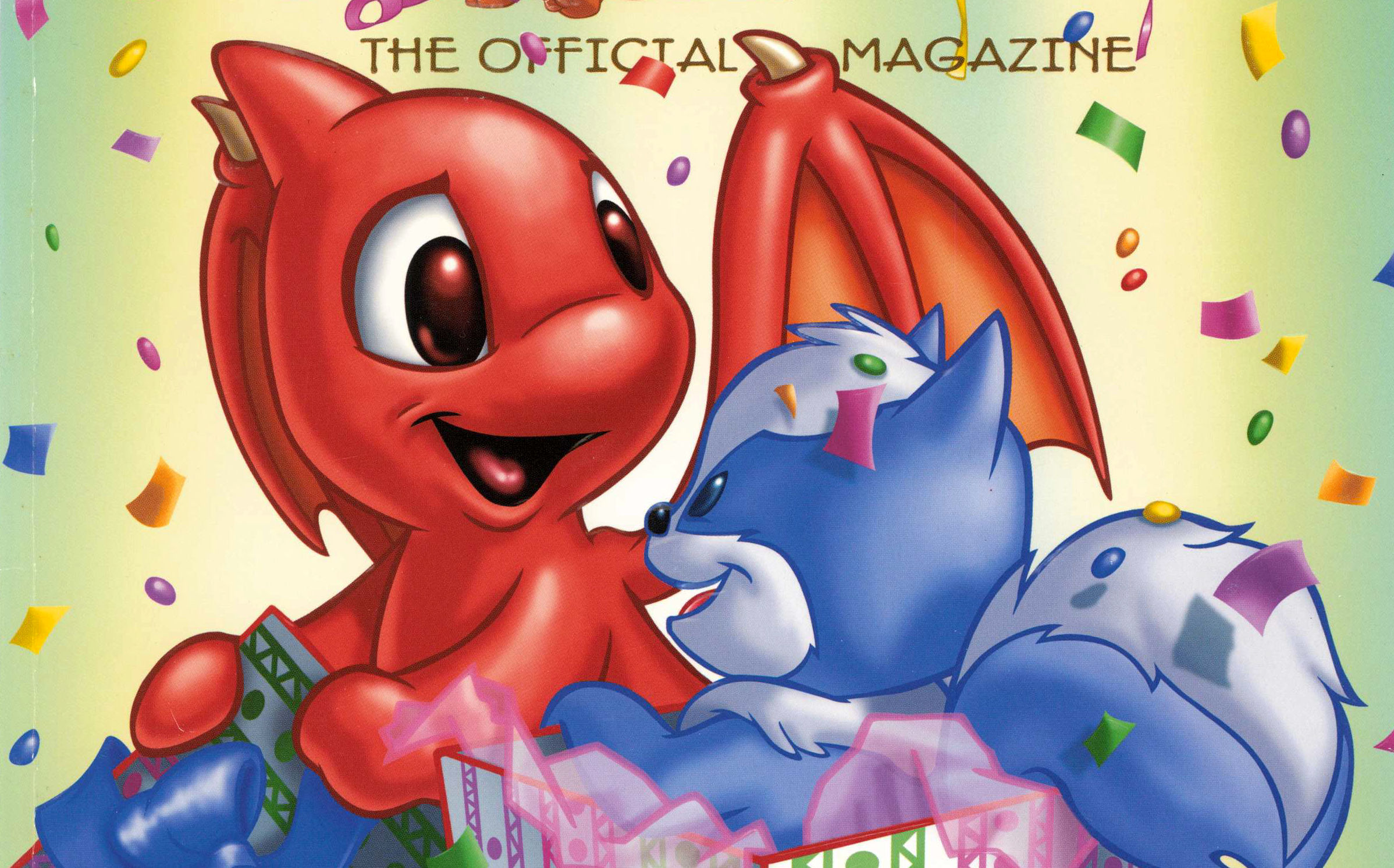
A crucial hurdle arose when the VGHF discovered a Neopets fansite, Jellyneo, which hosted a collection of scans. Despite the VGHF’s commitment to building upon existing community resources, direct usage of these scans was not possible. Jellyneo, reportedly maintaining a close relationship with the Neopets company, was unable to grant permission for their redistribution into the VGHF’s digital archive, likely due to existing agreements. This situation, while requiring a different approach, reinforced the VGHF’s commitment to obtaining explicit consent and respecting intellectual property.
Undeterred, the VGHF embarked on a more intensive endeavor: rescan the entire collection at a higher resolution. This required sourcing a second complete set of the magazines, a task achieved with the assistance of the gaming community. The process involved carefully debinding the issues and meticulously digitizing each page. The VGHF considers this extensive effort "totally worth it" for the historical insights it unlocks.
Content Analysis: More Than Just Pet Care
While Neopets The Official Magazine primarily served the game’s ecosystem, its content offers a richer historical narrative than its superficial focus might suggest.
A Record of a Live, Evolving Game
In an era where digital games are often dynamic and constantly updated, Neopets Magazine stands out as a rare print medium that documented the evolution of a web-based, live-service game. This provides a valuable historical record of how such games were presented and discussed during their formative years. The magazine captured not only in-game events and updates but also the broader cultural impact and community surrounding Neopets.
Marketing and Presentation to a Specific Demographic
Crucially, the magazine serves as an invaluable case study in how games were marketed and presented to young girls in the mid-2000s. This period saw varied approaches to reaching this demographic. While some publishers experimented with "edgy" content in magazines like Incite Video Gaming, which often blurred lines with extreme sports and professional wrestling, Neopets Magazine offered a distinct alternative. Its consistent inclusion of fan art sections, often spanning multiple pages per issue, and its focus on creativity and customization, reflect a different understanding of what appealed to its audience.
The advertisements within the magazine also provide significant context. Instead of solely featuring high-octane console titles, advertisements frequently promoted casual games like the EyeToy and web-based titles such as MapleStory. This highlights a broader spectrum of digital entertainment that resonated with the Neopets player base.
Foreshadowing Modern Gaming Trends
Furthermore, the magazine’s emphasis on creativity, customization, and community engagement offers intriguing parallels to contemporary gaming trends. Articles focusing on the "shades in here of the gameplay styles that have become more popular in the last decade with the rise of cozy games and farming sims" suggest that the foundational appeal of these genres was already present in the Neopets experience and, by extension, in the content that sustained its audience.
An Unexpected Audience: Retail and Consumer Habits
One of the most peculiar and revealing aspects of the magazine, as highlighted by the VGHF, is found in audience surveys. In one instance, readers were queried about purchasing the magazine at a clothing store. This detail paints a vivid picture of the Neopets audience’s broader consumer habits and their presence in retail spaces typically associated with fashion rather than traditional gaming outlets. The VGHF wryly observes, "Can you imagine PC Gamer being sold at a Charlotte Russe?" This anecdote underscores the unique market penetration and cultural integration of Neopets, reaching a demographic far beyond the typical gamer.
The Broader Impact and Implications
The inclusion of Neopets The Official Magazine in the VGHF’s archive is significant for several reasons:
Diversifying Gaming History
This archival effort actively diversifies the historical record of gaming. By including content that reflects the experiences of a demographic often marginalized in historical narratives, the VGHF is building a more inclusive and representative understanding of gaming culture. This is crucial for researchers, educators, and future generations of gamers who may not see themselves reflected in traditional historical accounts.
Academic and Research Value
For scholars studying digital culture, media studies, gender studies, and childhood development, Neopets The Official Magazine offers a primary source of immense value. It provides empirical data on the interests, consumption patterns, and media engagement of a specific microgeneration of digital natives. The magazine’s unique positioning—bridging the gap between a massively popular web game and print media—makes it a fascinating subject for analyzing the evolution of media formats and audience engagement.
Preserving the "Unserious"
The VGHF’s mission extends to preserving materials that might be overlooked by traditional historical accounts. The director noted that magazines like Neopets are "poorly documented" and often not considered part of a "serious" game history. By actively archiving such content, the foundation ensures that a more complete and nuanced picture of gaming’s past is maintained. This includes acknowledging that the appeal of gaming is multifaceted and extends beyond competitive or technically complex titles.
A Model for Future Archival Efforts
The VGHF’s dedication to acquiring and digitizing Neopets The Official Magazine, despite the challenges, sets a precedent for how underrepresented facets of gaming history can be preserved. It demonstrates a commitment to actively seeking out and validating the historical importance of content that caters to diverse audiences and reflects varied aspects of the gaming experience.
In conclusion, the integration of Neopets The Official Magazine into the Video Game History Foundation’s digital archive is far more than a simple addition of another publication. It represents a thoughtful and deliberate expansion of historical documentation, a critical acknowledgment of a significant but often overlooked demographic in gaming, and a commitment to building a more comprehensive and inclusive narrative of video game history. The foundation’s dedication to this endeavor, despite obstacles, underscores the profound historical and cultural value embedded within even the most seemingly niche aspects of our digital past.