Ganda Hendra Perkasa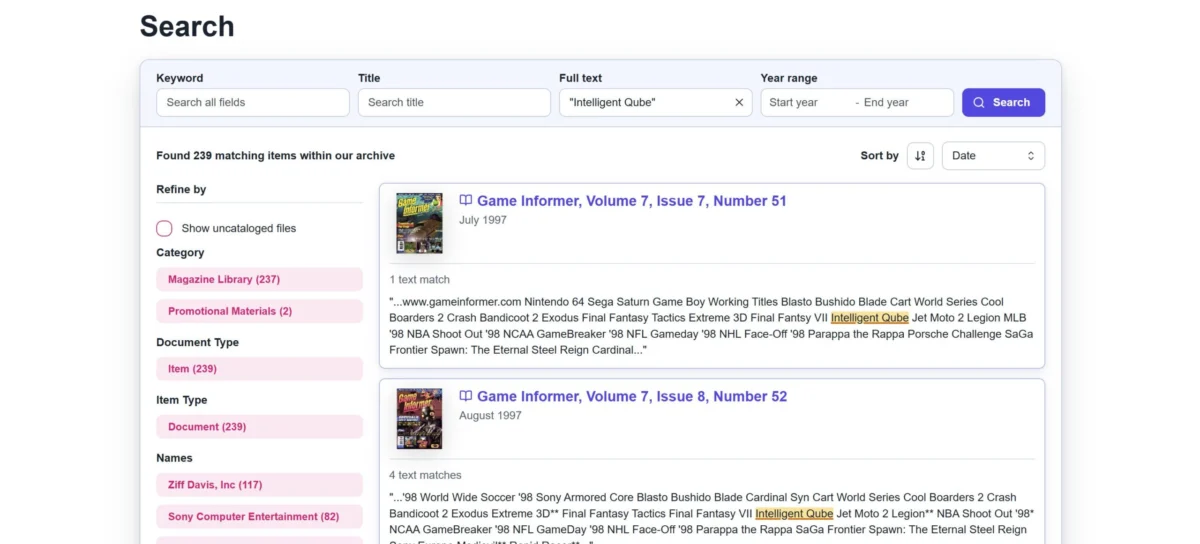
The International Center for the History of Electronic Games (ICHEG) has officially unveiled a significantly updated version of its digital archive platform, aimed at providing researchers, historians, and enthusiasts with a more intuitive and efficient way to explore its vast collection of video game history. This latest iteration, launched today, represents a substantial overhaul of the user interface, driven by direct feedback from the archive’s user base and a commitment to preserving and making accessible the rich tapestry of gaming’s past. The enhancements focus on improving navigation, visual clarity, search functionality, and the overall user journey through the platform’s extensive digital holdings.
A User-Centric Overhaul: Rebuilding the Browsing Experience
The core of this update lies in a complete reconstruction of the digital archive’s interface. The development team has meticulously rebuilt the browsing experience from the ground up, prioritizing ease of use and visual comprehension. A key improvement is the significant enlargement of image thumbnails. This change ensures that users can more readily identify the content they are viewing at a glance, distinguishing between individual files and broader folder structures within the archive. This visual clarity is crucial for navigating large and complex datasets, allowing for quicker assessment of relevance and content.
Furthermore, the new interface boasts a dramatically improved loading speed compared to its predecessor. This addresses a common point of friction in digital archival platforms, where slow loading times can impede research flow. The updated system features enhanced loading states, providing clearer visual cues to users as content is being retrieved, thus managing expectations and reducing perceived wait times. The platform also now demonstrates a more robust ability to track user navigation, ensuring that users can seamlessly move back and forth between different sections and pages without losing their place or context, a critical feature for in-depth research.
Amplifying Search Precision: Deeper Context for Discovery
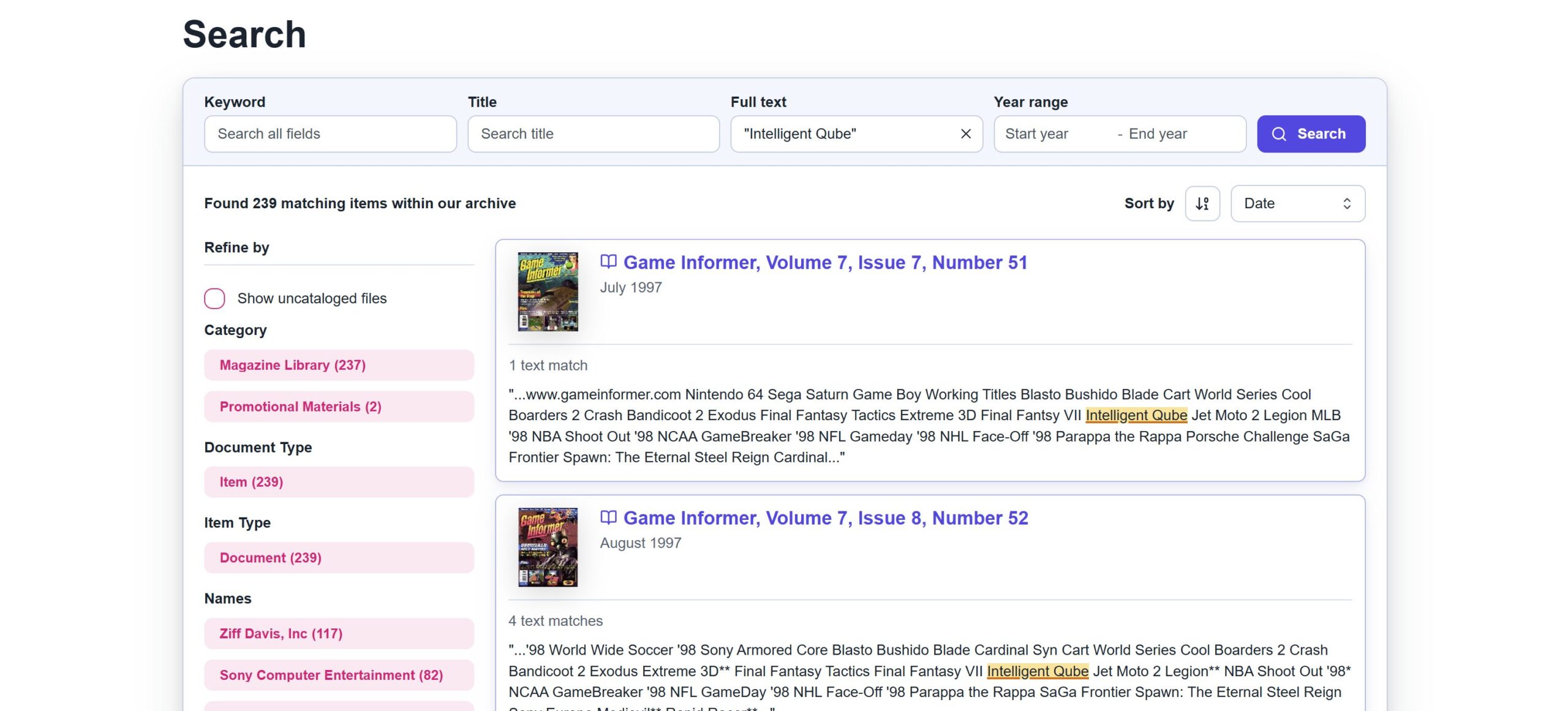
In parallel with the interface overhaul, the search functionality has also received substantial enhancements. The archive’s search engine now offers a more contextualized approach to keyword searches, significantly enriching the information presented to users. The standout feature in this regard is the expanded snippet view. Previously, search results would display a limited amount of surrounding text to indicate relevance. The new system now presents approximately four times more content around matching text within each search result. This expanded context allows users to more rapidly ascertain whether a particular result aligns with their research needs, thereby streamlining the discovery process and reducing the time spent sifting through potentially irrelevant information.
This augmentation of search results is particularly vital for large-scale archival projects where the sheer volume of digitized material can be daunting. By providing a more comprehensive preview of the content’s relationship to the search query, researchers can make more informed decisions about which items to explore further. This move towards providing richer contextual data is a testament to the platform’s commitment to facilitating meaningful historical inquiry.
Streamlined Access to Collections: Direct Engagement with Gaming History
Recognizing the importance of immediate access to the archive’s wealth of material, the homepage has been redesigned to facilitate quicker entry into browsing the collections. A new "Explore the Archive" section has been integrated directly onto the homepage. This allows users to bypass the need to navigate to a separate page to begin their exploration, enabling them to dive straight into the categorized content. This feature streamlines the initial user experience, making it more inviting and less cumbersome for both casual browsers and dedicated researchers.
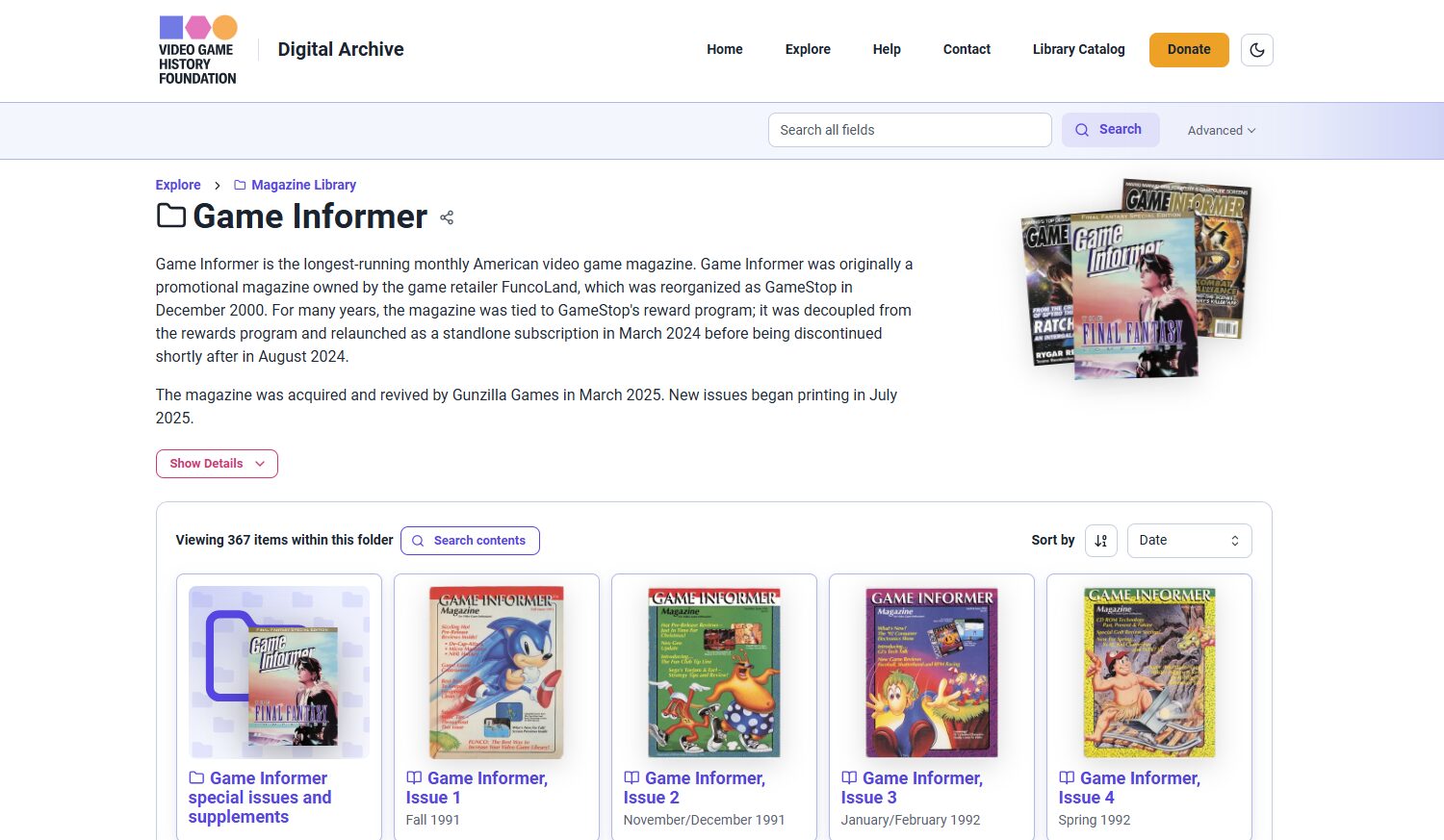
Additionally, the homepage now features a "Featured Collections" bar. This dedicated space highlights new and noteworthy additions to the archive, ensuring that users are kept abreast of the latest acquisitions and curated content. This not only showcases the ongoing growth of the archive but also provides curated pathways for users to discover emerging areas of historical interest within the digital collection. The placement of these features directly on the homepage underscores the archive’s goal of making its resources as accessible and engaging as possible.
A Foundation for Future Growth: Anticipating the Next Frontier
The ICHEG team expresses confidence that these iterative improvements will significantly enhance the research experience. However, their vision for the digital archive extends beyond these current enhancements. The organization is actively exploring and planning for future iterations of the archive’s frontend, with several ambitious features on the horizon.
Among the planned developments is a new, more sophisticated viewer for image files. This is expected to offer advanced functionalities for examining visual materials, such as zoom capabilities, metadata overlays, and potentially even annotation tools. Such a viewer would be invaluable for analyzing game art, design documents, and promotional materials in granular detail.
Another significant development in the pipeline is the implementation of character recognition (OCR) specifically for Japanese magazines within the archive. This would unlock a vast trove of untranslated and unindexed content, making it searchable and accessible to a wider global audience. The inclusion of Japanese gaming history is a critical component of a comprehensive digital archive, and this feature would represent a monumental step forward in its accessibility.
Ultimately, the ICHEG aims for eventual integration with the full library catalog. This ambitious goal would create a unified portal, connecting the digital archive with the broader resources of the institution. Such an integration would provide researchers with an unprecedented level of access to a comprehensive ecosystem of historical gaming information, bridging the gap between digital artifacts and physical collections, and offering a holistic view of gaming’s evolution.
Background and Context: The Genesis of a Digital Legacy
The digital archive platform, accessible at archive.gamehistory.org, has been a cornerstone of the International Center for the History of Electronic Games’ mission to collect, preserve, and present the history of video games. Established as a part of The Strong National Museum of Play, ICHEG has been at the forefront of academic and public engagement with the medium since its inception. The creation of a robust digital archive became a necessity as the volume of historical materials – from early arcade flyers and magazines to design documents and personal correspondence of game developers – grew exponentially.
The initial launch of the digital archive platform was a significant undertaking, aimed at making these often-fragile and dispersed materials accessible to a global audience. Over time, the platform has evolved, incorporating new digitized content and responding to technological advancements. The decision to undertake a major overhaul at this juncture reflects a mature understanding of user needs and the evolving landscape of digital humanities and archival science. User feedback, a crucial element in the development process, has consistently pointed towards the need for improved navigation, clearer visual presentation, and more powerful search tools. The current update directly addresses these expressed desires, demonstrating a responsive and user-centric approach to digital preservation.
Chronology of Development and Future Outlook
While specific development timelines are proprietary, the commitment to a user-driven iterative process suggests a continuous cycle of feedback, development, and release. The current update can be seen as the culmination of a significant development phase, built upon the foundational architecture of the original platform. The announcement of future features indicates that this is not a static endpoint but rather a pivotal moment in an ongoing evolution.
The planned implementation of Japanese OCR and image viewer enhancements suggests a phased approach to future development, prioritizing features that offer the greatest immediate benefit to researchers and address significant gaps in accessibility. The ultimate goal of integration with the full library catalog represents a long-term strategic vision, likely requiring substantial infrastructure development and collaboration across departments within The Strong. This multi-year roadmap signals a sustained commitment to the digital archive as a vital resource for understanding gaming history.
Broader Impact and Implications: Preserving Cultural Heritage
The enhanced digital archive has far-reaching implications for the study of video game history. By making primary source materials more accessible and searchable, the platform democratizes access to historical research. This benefits not only academic scholars but also game designers, journalists, educators, and the general public. The ability to conduct in-depth research on specific games, developers, companies, or historical periods becomes significantly more feasible.
The focus on improved visual presentation and contextual search also speaks to a broader trend in digital archiving: the move beyond simple digitization to the creation of truly usable and engaging research tools. This approach not only preserves artifacts but also actively facilitates their interpretation and analysis. The inclusion of features like expanded search snippets and user-driven interface improvements aligns with best practices in digital humanities, aiming to foster deeper engagement with historical content.
Furthermore, the commitment to preserving materials from diverse global origins, as evidenced by the planned Japanese OCR, underscores the archive’s role in creating a more inclusive and comprehensive historical record. As video games continue to be recognized as a significant cultural and artistic medium, robust digital archives like this become indispensable for understanding their impact and legacy. The success of this platform will undoubtedly serve as a model for other institutions seeking to preserve and present the history of digital culture. The ongoing commitment to expansion and innovation ensures that the archive will remain a vital resource for generations to come, shaping our understanding of a medium that has profoundly influenced modern society.