Ganda Hendra Perkasa
The International Center for the History of Electronic Games (ICHEG) at The Strong National Museum of Play has announced significant updates and expansions to two of its key digital library collections: the Mark Flitman papers and the Andrew Nelson papers. These additions represent a continuous effort by the museum to enrich its archival holdings and provide unparalleled access to the foundational materials of video game history. The recent acquisitions include previously uncatalogued items and higher-quality scans of existing materials, further solidifying the archival significance of these collections for researchers, developers, and enthusiasts alike.
Enhancing the Digital Legacy of Game Development
The ongoing commitment to digitizing and preserving the history of electronic games is a multifaceted endeavor. While the addition of entirely new collections is a regular occurrence, the opportunity to deepen and enhance existing archives holds particular value. These updates allow for a more comprehensive understanding of the creative processes and individual contributions that have shaped the interactive entertainment landscape. The Mark Flitman and Andrew Nelson papers, both integral components of the ICHEG’s digital offerings, have recently benefited from this focused expansion.
The renewed focus on these two collections stems from recent submissions by both Mark Flitman and Andrew Nelson themselves. These contributions include a wealth of new materials that were either overlooked during the initial cataloging phase or have been recently unearthed by the individuals. Furthermore, the initiative has involved rescanning certain items to ensure the highest possible fidelity, a critical step in preserving the detail and integrity of historical documents. This dedication to quality ensures that the digital representations accurately reflect the original artifacts, providing a robust resource for scholarly research and public engagement.
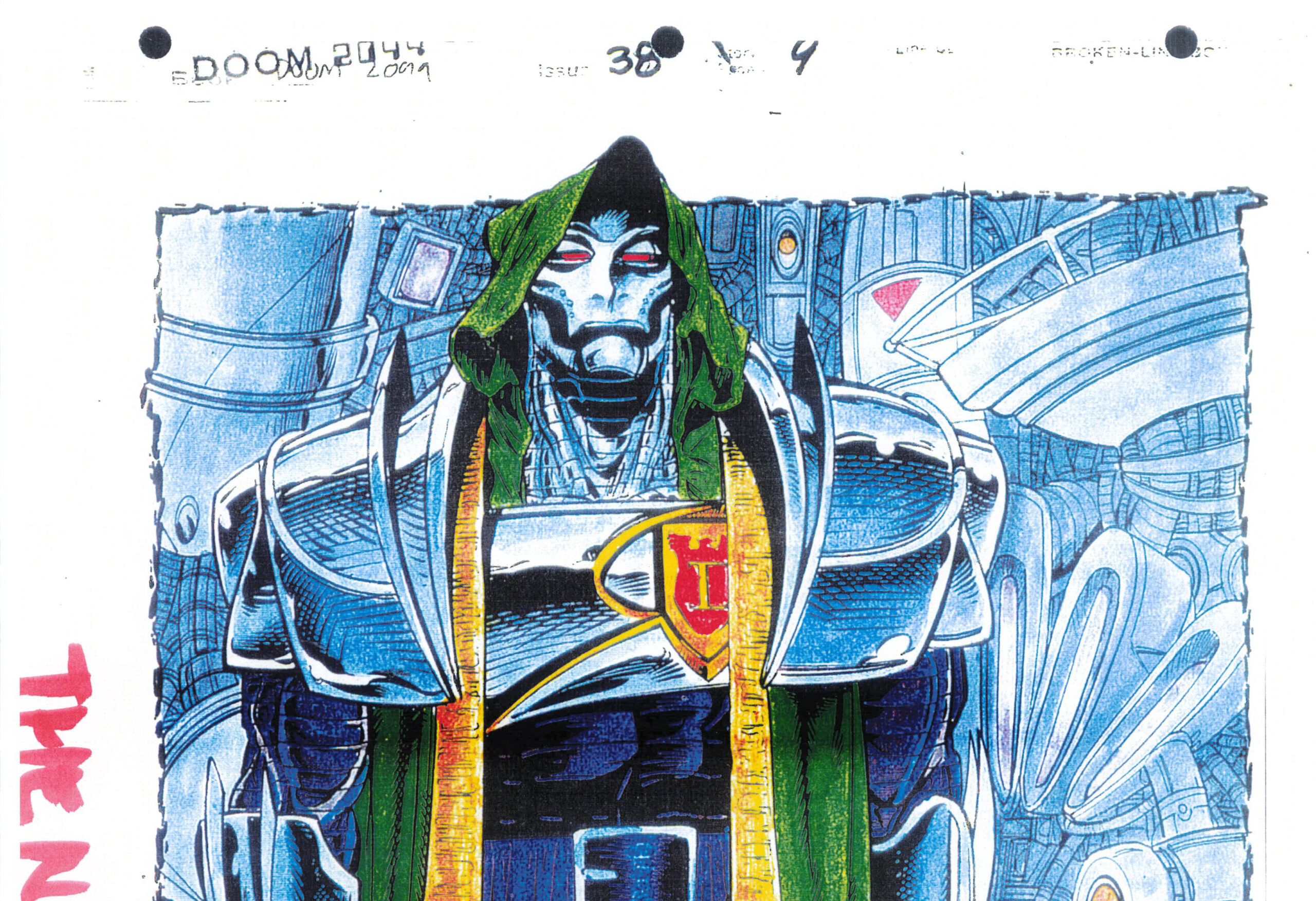
The Mark Flitman Papers: A Deeper Dive into Creative Output
The Mark Flitman papers represent a substantial archive of materials from a significant figure in the video game industry. Flitman’s work has touched upon various facets of game development, and the newly added documents promise to shed further light on his contributions. The recent influx of materials from Flitman’s personal archives has been carefully integrated into the existing collection, offering a more complete picture of his professional journey and creative endeavors.
While the specifics of every newly added item are extensive, the additions to the Mark Flitman papers are reported to significantly expand upon several of his major projects. These could potentially include further concept art, design documents, technical specifications, marketing materials, or even early prototypes that offer a glimpse into the iterative process of game creation. The significance of such materials lies in their ability to reveal the evolution of game ideas from initial concepts to final products, showcasing the challenges, innovations, and decisions that characterized each stage of development. For example, if Flitman was involved in the development of a particular game series, the new additions might include early character sketches that differ drastically from the final designs, or narrative outlines that explore alternative plot directions, providing invaluable insights into the creative decision-making behind beloved titles.
The inclusion of materials related to "big projects" suggests a focus on Flitman’s most impactful work. Understanding the genesis of these projects can illuminate industry trends, technological limitations and advancements, and the artistic sensibilities that defined specific eras of gaming. Researchers studying game design methodologies, the history of specific genres, or the business aspects of the industry will find these expanded archives particularly beneficial. The detailed nature of development documents, for instance, can provide evidence of team collaboration, the adaptation of existing technologies, and the challenges of translating artistic visions into playable experiences. The ICHEG’s commitment to preserving these primary sources ensures that the stories behind the games are not lost to time.
The Andrew Nelson Papers: Unveiling Design Architectures
Similarly, the Andrew Nelson papers have received a substantial influx of new design documents. Andrew Nelson’s contributions to the gaming world are recognized for their innovative approaches to gameplay mechanics, level design, and overall player experience. The newly acquired materials are poised to offer unprecedented insights into his creative process and the architectural foundations of his game designs.
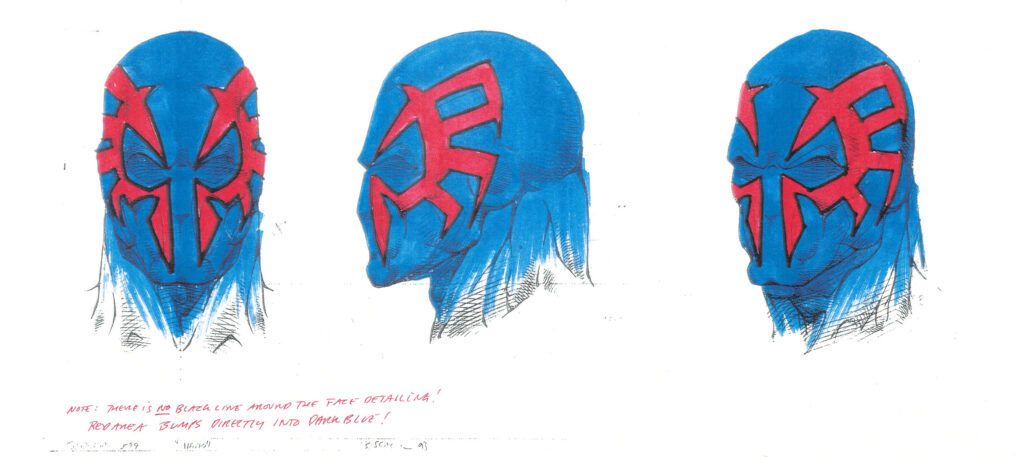
The highlights from Andrew Nelson’s contribution include a broad spectrum of design documentation. This typically encompasses storyboards, character models, environmental concept art, script excerpts, and detailed breakdowns of game mechanics. The image provided, depicting a storyboard titled "Letter Sequence w/ Flashback" and featuring a lost treasure superimposed with a handwritten letter graphic, offers a tangible example of the visual storytelling and narrative integration that Nelson’s work often entails. Such visual aids are crucial for understanding how game narratives are conceived and translated into interactive sequences, demonstrating the intricate planning that goes into creating immersive worlds and compelling player journeys.
The inclusion of "design documents" in a broad sense suggests that these materials cover a wide range of his projects. This could include early ideation sketches, detailed flowcharts illustrating gameplay loops, technical specifications for implementing specific features, or even user interface mockups. For instance, if Nelson was instrumental in the design of a puzzle game, the new documents might reveal the intricate logic behind the puzzles, the progression of difficulty, and the visual cues used to guide players. If his work was in an action-adventure title, the documents could illustrate the creation of intricate level layouts, enemy AI behaviors, and the strategic placement of items and challenges. These materials serve as blueprints, revealing the meticulous thought and planning required to construct engaging and memorable gaming experiences.
The archival of these documents is particularly important for understanding the evolution of game design principles. As the industry has matured, so too have the methodologies and tools used for design. By examining Nelson’s archives, researchers can trace the development of these practices and identify the foundational concepts that continue to influence contemporary game development. The ability to analyze early iterations of design ideas, compare them to final implementations, and understand the rationale behind any changes provides a unique educational and research opportunity. The inclusion of visual elements like storyboards further underscores the interdisciplinary nature of game development, where narrative, art, and technical design converge.
Contextualizing the Significance of Archival Expansion
The expansion of digital archives for prominent figures like Mark Flitman and Andrew Nelson is not merely an administrative update; it is a vital step in preserving the cultural heritage of video games. The industry, though relatively young, has experienced rapid technological and creative evolution, making the preservation of its early materials a pressing concern. Many historical documents, early software, and design assets from the formative years of gaming are at risk of being lost due to obsolescence, degradation, or simply a lack of systematic archival efforts.
Timeline of Archival Efforts and Expansion:
- Early Years of Digital Game Development: The period from the 1970s to the late 1990s saw rapid innovation, with many creators working with limited resources and less emphasis on long-term preservation. Personal archives were often the primary repositories of early design documents, artwork, and code.
- Emergence of Digital Archiving Initiatives: As the video game industry gained cultural and economic significance, institutions like The Strong’s ICHEG began to recognize the need for formal archival processes. This involved establishing relationships with industry veterans to acquire and preserve their personal collections.
- Initial Cataloging and Digitization: Collections like those of Mark Flitman and Andrew Nelson were first acquired and subjected to cataloging and digitization. This process involved inventorying materials, creating metadata, and scanning documents to make them accessible.
- Ongoing Collection Development: The recent updates represent the next phase of archival work. This involves receiving new materials from creators, re-evaluating existing holdings for quality and completeness, and continually updating digital databases to reflect these changes. The process is iterative, reflecting the dynamic nature of collections and the ongoing contributions of individuals within the industry.
The implications of these expanded archives are far-reaching. For academics and researchers, these primary source materials offer invaluable data for studying the history of technology, art, narrative, and business within the context of video games. They allow for in-depth analyses of creative processes, the impact of technological constraints, and the evolution of design philosophies. For aspiring game developers and students, these collections serve as a rich educational resource, providing case studies and examples of best practices from industry pioneers.
Broader Impact and Future Implications
The continued expansion of the ICHEG’s digital library, particularly through the enhancement of existing collections, underscores a strategic approach to archival preservation. By revisiting and enriching collections, the museum ensures that its digital holdings remain current, comprehensive, and of the highest possible quality. This commitment is crucial for maintaining the integrity of the historical record and for providing future generations with a robust understanding of the medium’s evolution.
Analysis of Implications:
- Enhanced Research Capabilities: The availability of more detailed and higher-quality materials directly translates to enhanced research capabilities. Scholars can now delve deeper into the nuances of design decisions, trace the development of specific game mechanics, and understand the context in which these games were created.
- Preservation of Intangible Cultural Heritage: Video games are increasingly recognized as a significant form of cultural expression. The preservation of the materials that underpin their creation is vital for safeguarding this intangible cultural heritage.
- Educational Value: The expanded collections offer unparalleled educational opportunities. Students and emerging professionals can learn from the successes and challenges faced by industry leaders, gaining practical insights into the complexities of game development.
- Industry Recognition and Appreciation: The ongoing support and contributions from individuals like Mark Flitman and Andrew Nelson highlight the importance of recognizing and valuing the work of game developers. Their willingness to share their archives fosters a deeper appreciation for the artistry and technical skill involved in game creation.
The ICHEG’s reliance on support to continue building and improving its collections emphasizes the critical role of community engagement and funding in archival work. The preservation of rare development materials is a collaborative effort, and the contributions from individuals and institutions alike are essential for its success. The digital library, enriched by these ongoing updates, stands as a testament to the enduring legacy of video games and the individuals who have shaped this dynamic and influential medium. The continuous growth of these archives ensures that the stories behind the games, from their earliest concepts to their final iterations, will remain accessible and relevant for years to come.