Cecilia Chamidah Nur
Tokyo, Japan – Bandai Namco Entertainment Inc. has announced a comprehensive new initiative, "NAMCO LEGENDARY 2026," designed to celebrate the significant anniversaries of several of its iconic classic games and ensure their enduring legacy for new generations. The program, unveiled amidst a wave of milestone celebrations for titles like Galaga (45th anniversary), The Adventures of Valkyrie (40th), Genpei Touma Den (40th), Family Stadium (40th), and Time Crisis (30th), aims to "revitalize" and "enliven" these beloved brands through a continuous development of new content, events, collaborations, and merchandise. This strategic move underscores Bandai Namco’s commitment to preserving its rich heritage while adapting it for a contemporary audience.
A Deep Dive into NAMCO LEGENDARY 2026
The "NAMCO LEGENDARY 2026" initiative is structured around a multi-faceted approach, emphasizing accessibility and engagement across various platforms and mediums. According to the official announcement, the core objective is to create an environment where these seminal titles can be "easily experienced not only by fans who remember the excitement of the time, but also by generations experiencing them for the first time." This dual focus on nostalgia and new discovery is central to the program’s philosophy.
While the prospect of entirely new game development based on these classic IPs might immediately excite long-time fans, the initial phase of "NAMCO LEGENDARY 2026" appears to concentrate on re-releases and modern adaptations. Noteworthy among these are the impending re-release of Time Crisis utilizing Tassei Denki’s G’AIM’E Light Gun technology, which promises to bring the arcade light gun experience to modern television sets, and the continued availability of titles like Galaga, VS. Valkyrie no Bouken: Toki no Kagi Densetsu, and Genpei Touma Den through Hamster Corporation’s popular Arcade Archives series. These existing and upcoming re-releases highlight a strategic focus on preserving historical gameplay and making it available on current hardware, rather than launching entirely new entries in the series at this juncture.
Beyond direct game releases, the initiative plans to expand its reach through a diverse range of activities. These include dedicated events, such as the "Namco Game Selection Summer Market," which hints at interactive fan experiences and showcases. Collaborations, exemplified by "NAMCO LEGENDARY Mountains," suggest partnerships that could extend the brand’s presence into lifestyle or entertainment sectors. Furthermore, a line of merchandise including blankets, pins, t-shirts, and stickers will allow fans to express their appreciation for these enduring franchises in tangible ways. This holistic strategy aims to weave the legacy of Namco’s classics into various aspects of contemporary culture.
Milestones and Legacies: The Anniversaries in Focus
The "NAMCO LEGENDARY 2026" initiative is meticulously timed to coincide with pivotal anniversaries for several cornerstone titles from the company’s illustrious history. Each game represents a distinct era and genre, collectively showcasing the breadth of Namco’s innovation in the arcade and early console markets.
-
Galaga (45th Anniversary, 1979): A direct sequel to the groundbreaking Galaxian, Galaga cemented Namco’s reputation as an arcade powerhouse. Released in 1979, its innovative "capture" mechanic, allowing players to recover a captured ship and control two fighters simultaneously for double firepower, was revolutionary. The game’s vibrant graphics, challenging gameplay, and iconic sound design made it an instant classic and a staple of arcade halls worldwide. Its influence on the fixed-shooter genre is undeniable, and it remains one of the most recognizable arcade games ever created, having generated substantial revenue and spawned numerous ports and sequels over nearly five decades.
-
The Adventures of Valkyrie (40th Anniversary, 1986): Known in Japan as Valkyrie no Bōken: Toki no Kagi Densetsu (Valkyrie’s Adventure: The Legend of the Key of Time), this Famicom (NES) action role-playing game from 1986 holds a special place in Namco’s history. It was notable for its sprawling overworld, challenging dungeons, and a distinct fantasy aesthetic. While perhaps less globally recognized than some of its arcade counterparts, Valkyrie is a cult classic in Japan, admired for its ambitious scope and charming character design, laying groundwork for future Namco RPGs. Its anniversary highlights Namco’s early foray into console-exclusive, narrative-driven experiences.
-
Genpei Touma Den (40th Anniversary, 1986): Also released in 1986, this arcade action game transported players to a fantastical feudal Japan, battling demons and mythological creatures. Genpei Touma Den stood out with its striking ukiyo-e inspired art style, multi-directional scrolling, and punishing difficulty. The game featured distinct gameplay segments, including side-scrolling, top-down, and isometric views, offering a unique and challenging experience. Its atmospheric presentation and unique premise have earned it a dedicated following and a reputation as one of the more artistically distinctive arcade titles of its era.
-
Family Stadium (40th Anniversary, 1986): Known internationally as R.B.I. Baseball for some releases, Family Stadium revolutionized sports gaming, particularly in Japan, upon its 1986 Famicom debut. It offered an accessible yet surprisingly deep baseball simulation that captivated millions. The series became a perennial bestseller for Namco on Nintendo’s console, establishing a template for arcade-style sports games that prioritized fun and immediate playability over hyper-realism. Its simple controls and addictive gameplay made it a household name and a cultural touchstone for a generation of Japanese gamers.
-
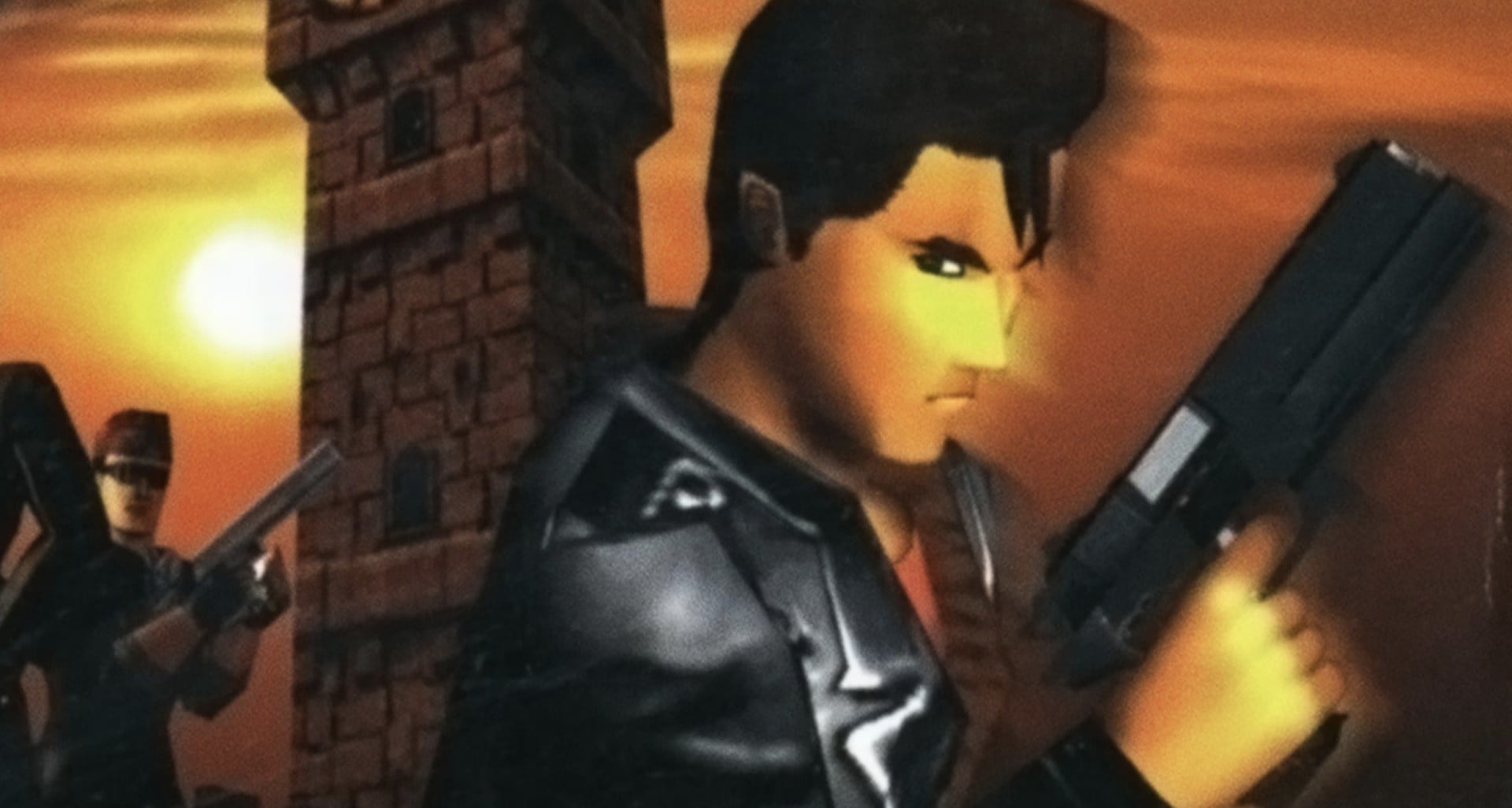
Time Crisis (30th Anniversary, 1995): The youngest of the celebrated titles, Time Crisis, launched in arcades in 1995, redefined the light gun shooter genre. Its most significant innovation was the "duck and cover" pedal mechanism, allowing players to hide from enemy fire and reload, adding a tactical layer previously unseen in light gun games. This mechanic, combined with its high-octane action, cinematic presentation, and engaging storyline, made Time Crisis an immense success, influencing countless subsequent shooters and becoming synonymous with arcade thrills in the mid-to-late 1990s. Its 30th anniversary underscores its continued relevance and innovative design.
Namco’s Enduring Legacy: A Pioneer in Gaming
The "NAMCO LEGENDARY 2026" initiative is not just about individual games; it’s a testament to the enduring legacy of Namco itself. Founded in 1955, Namco (originally Nakamura Manufacturing Co.) quickly transitioned from manufacturing amusement park rides to developing electronic arcade games. The company became a true pioneer during the "Golden Age of Arcade Games" in the late 1970s and early 1980s, producing universally recognized titles such as Pac-Man, Galaxian, Dig Dug, Xevious, and Pole Position.
Namco’s contributions extended beyond mere entertainment; they pushed technological boundaries, introduced innovative gameplay mechanics, and helped shape the cultural landscape of video gaming. The company’s distinctive design philosophy, often characterized by colorful graphics, memorable characters, and addictive gameplay loops, resonated with players across the globe. This historical foundation provides a rich wellspring of intellectual property for Bandai Namco, the entity formed by the merger of Bandai and Namco in 2005, to draw upon for initiatives like "NAMCO LEGENDARY 2026."
Behind the Pixels: Unveiling Design Secrets
Adding a fascinating layer to the "NAMCO LEGENDARY 2026" announcement, Japanese gaming magazine Famitsu has partnered with Bandai Namco to publish previously unseen early design documents for both Time Crisis and Galaga. This rare glimpse into the development process offers invaluable insights into the creative evolution of these legendary projects and highlights the iterative nature of game design.
The Time Crisis documents, in particular, reveal significant conceptual shifts during the game’s production. The protagonist, now famously known as Richard Miller, was initially conceived as Richard Sander, with the arcade title provisionally named "Richard Sander: Emergency Measures." The initial plot diverged considerably from the final product; instead of taking place on a private island, the story was set in New York City, centering on a desperate race against time to defuse bombs planted across the metropolis. This original narrative bears a striking resemblance to the plot of the 1995 action film Die Hard with a Vengeance, which coincidentally released in theaters the same year.
According to Famitsu, this bomb-centric plot, with its emphasis on time-sensitive objectives, led overseas staff members to suggest "Deadline" as a potential title. However, the development team ultimately settled on "Time Crisis," a name that perfectly encapsulated the game’s core mechanic of constantly racing against the clock and the strategic use of cover.
Further revelations from the design documents include alternative names considered for key characters such as Richard Miller, the recurring antagonist Wild Dog, and Rachel Macpherson. The naming of Rachel Macpherson is particularly interesting, as Famitsu suggests it was undoubtedly inspired by the Australian supermodel Elle Macpherson, given that other surnames under consideration also referenced prominent 1990s models. This detail offers a unique window into the cultural influences shaping character design during that era. While the Galaga design documents were also mentioned, the specific details revealed for Time Crisis provide a compelling narrative of creative adaptation and refinement during game development.
Implications and Industry Trends: The Power of Nostalgia and Preservation
The "NAMCO LEGENDARY 2026" initiative is indicative of a broader industry trend where major publishers are increasingly leveraging their extensive back catalogs. In an era of escalating development costs for new AAA titles, the intellectual property residing in beloved classics represents a valuable, low-risk asset. By revitalizing these games, companies can tap into the powerful wellspring of nostalgia among older fans while simultaneously introducing these foundational experiences to younger audiences who may have never encountered them.
This strategy is multifaceted. For veteran players, re-releases offer a chance to revisit cherished memories on modern hardware, often with improved emulation or quality-of-life features. For new players, these games provide an accessible entry point into gaming history, allowing them to understand the roots of genres and mechanics that are prevalent today. The focus on events, merchandise, and collaborations also extends the brand beyond the digital realm, fostering community engagement and providing additional revenue streams.
Furthermore, the emphasis on preserving early design documents, as seen with the Famitsu partnership, highlights a growing appreciation for game history and archival efforts. These documents are crucial for understanding the evolution of game design, the creative process, and the technological constraints and innovations of their time. They serve as invaluable historical artifacts, akin to concept art or screenplays in other creative industries.
The "NAMCO LEGENDARY 2026" initiative, therefore, represents a strategic balancing act. It is a commercial endeavor aimed at maximizing the value of existing intellectual property, but it also carries an implicit promise of cultural preservation. By making these classic games accessible and relevant, Bandai Namco is not only celebrating its past but actively shaping its future, ensuring that the legends of Namco continue to inspire and entertain for decades to come. While the absence of immediate announcements for entirely new game titles based on these IPs might temper some expectations, the long-term vision articulated through "NAMCO LEGENDARY 2026" suggests a sustained commitment to these iconic franchises, promising continued engagement and discovery for a global audience.