Cecilia Chamidah Nur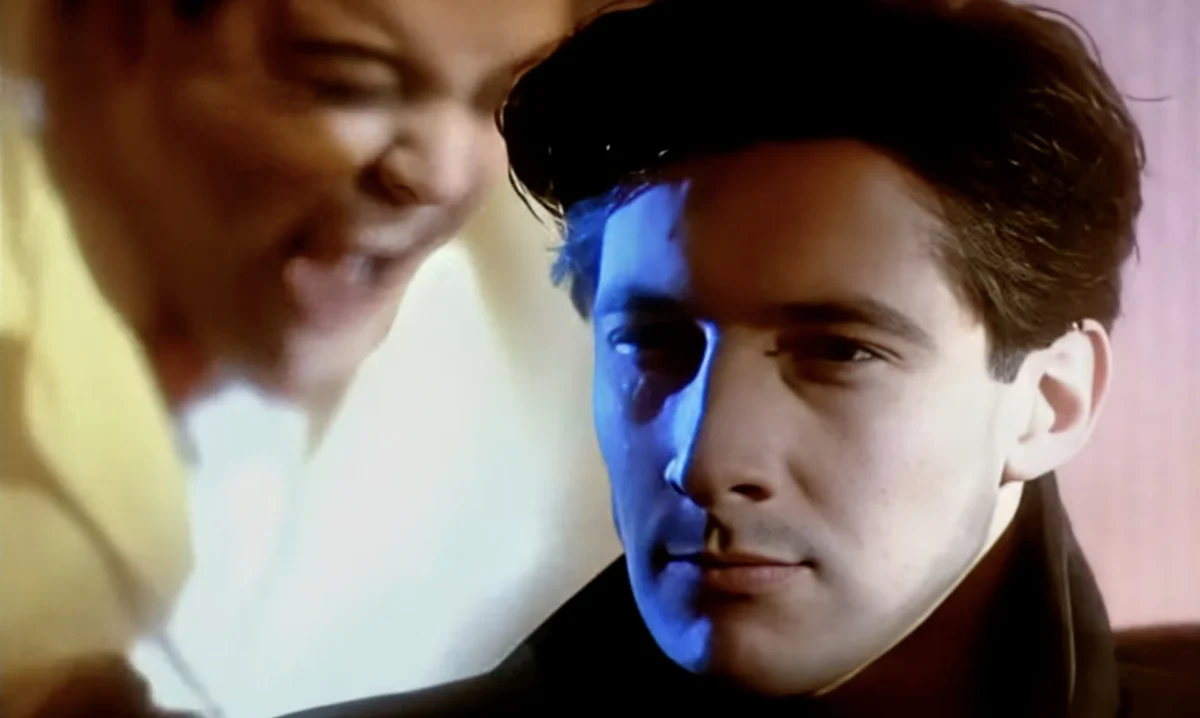
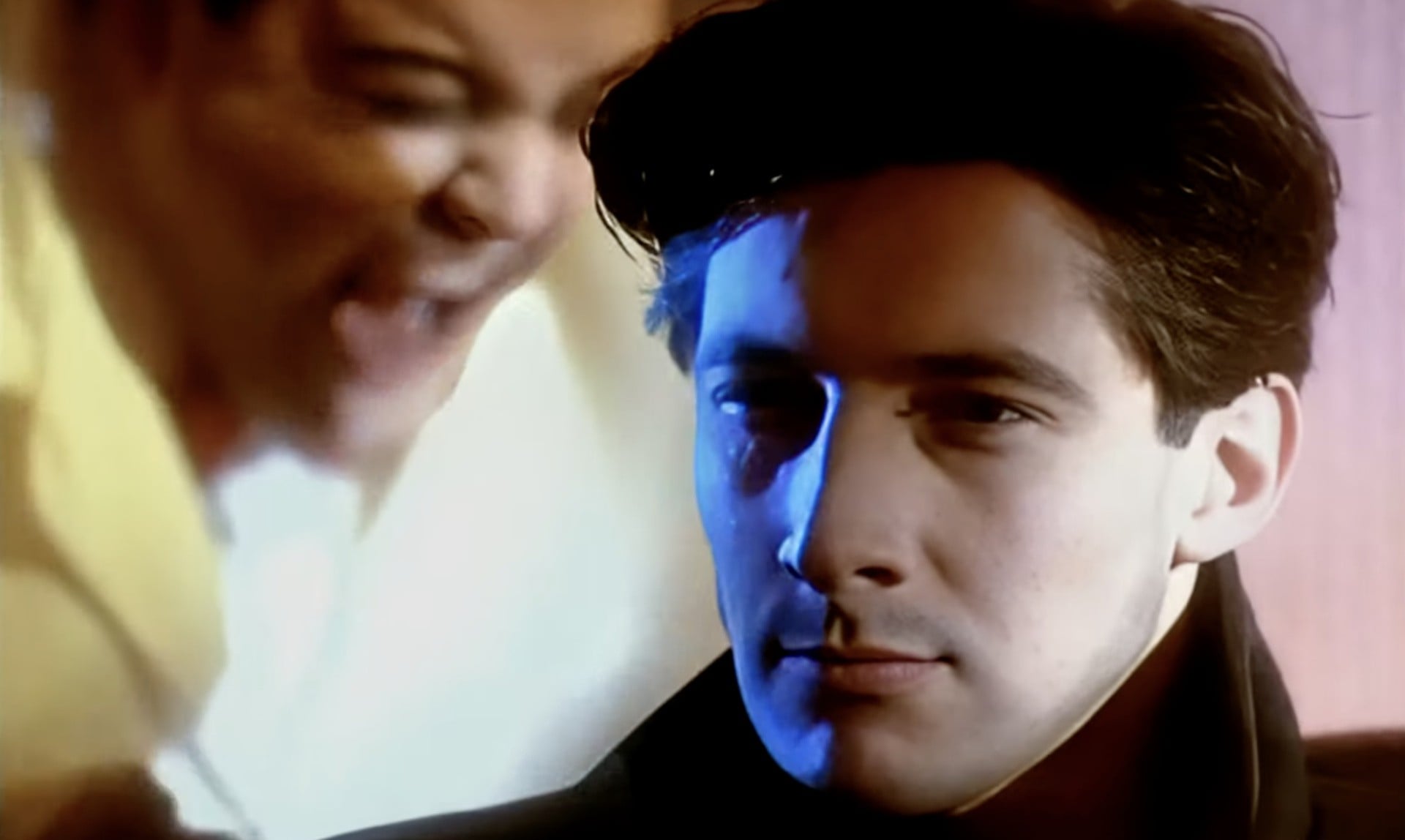
In the vibrant, competitive landscape of early 1990s United Kingdom, an advertisement emerged from the digital ether, forever etching itself into the collective memory of a generation: Sega’s ‘Cyber Razor Cut.’ Launched in 1992, precisely as the seminal "console wars" between Japanese gaming giants Sega and Nintendo were escalating to a fever pitch, this commercial transcended mere product promotion, becoming a cultural touchstone that epitomized Sega’s aggressive, edgy marketing strategy. Far from a conventional television spot, ‘Cyber Razor Cut’ was a bold declaration, a visually arresting narrative set in a dystopian, steam-filled cyberpunk barbershop, starring Peter Wingfield of Highlander: The Series fame as the protagonist, Jimmy, and Steve O’Donnell from Bottom as the enigmatic barber. Jimmy’s demand for a ‘Cyber Razor Cut’ was no ordinary request; it was an initiation, leading to a cybernetic enhancement designed to equip him for the formidable challenge posed by the "over 100" immersive titles available on the Sega Mega Drive. This commercial, a cornerstone of Sega’s acclaimed ‘Pirate TV’ campaign, not only captivated audiences but also played a pivotal role in shaping Sega’s dominant position in the fiercely contested UK console market, demonstrating the profound impact of innovative advertising during a transformative era in video game history.
The Genesis of a Cult Classic: Setting the Scene in 1990s UK Gaming
The early 1990s represented a dynamic and pivotal period for the video game industry, particularly in the United Kingdom. Following the global success of Nintendo’s NES (Nintendo Entertainment System), Sega launched its 16-bit Mega Drive (known as the Genesis in North America) in Europe in 1990, setting the stage for an unprecedented rivalry. Nintendo, with its beloved Mario franchise, had cultivated a family-friendly image and held a significant market share. Sega, however, opted for a starkly different approach, positioning itself as the rebellious, cooler alternative, epitomized by its mascot, Sonic the Hedgehog, and the memorable slogan "Sega does what Nintendon’t."
In the UK, this battle for market supremacy was particularly intense. British consumers, known for their discerning tastes and often drawn to counter-culture narratives, proved fertile ground for Sega’s audacious marketing. The ‘Pirate TV’ campaign, of which ‘Cyber Razor Cut’ was a foundational element, was conceived to directly challenge Nintendo’s established dominance by speaking to a demographic that sought excitement, cutting-edge technology, and a distinct sense of rebellion. It wasn’t just about selling consoles; it was about selling an identity. Sega’s strategy was to disrupt, to create a conversation, and to make their brand synonymous with innovation and attitude.
Behind the Steam and Cybernetics: Production Insights from a Visionary Cinematographer
The remarkable visual aesthetic of ‘Cyber Razor Cut’ was largely the brainchild of the award-winning cinematographer Geoff Boyle. Boyle, whose distinguished career spanned commercials for global brands like Ford, Pepsi, Lego, and BMW, alongside feature films such as Enemy at the Gates (2001) and Mutant Chronicles (2008), was tragically lost in 2021. His insights into the commercial’s creation, shared years prior, reveal the extraordinary blend of artistic vision and technical ingenuity that brought the cyberpunk barbershop to life.
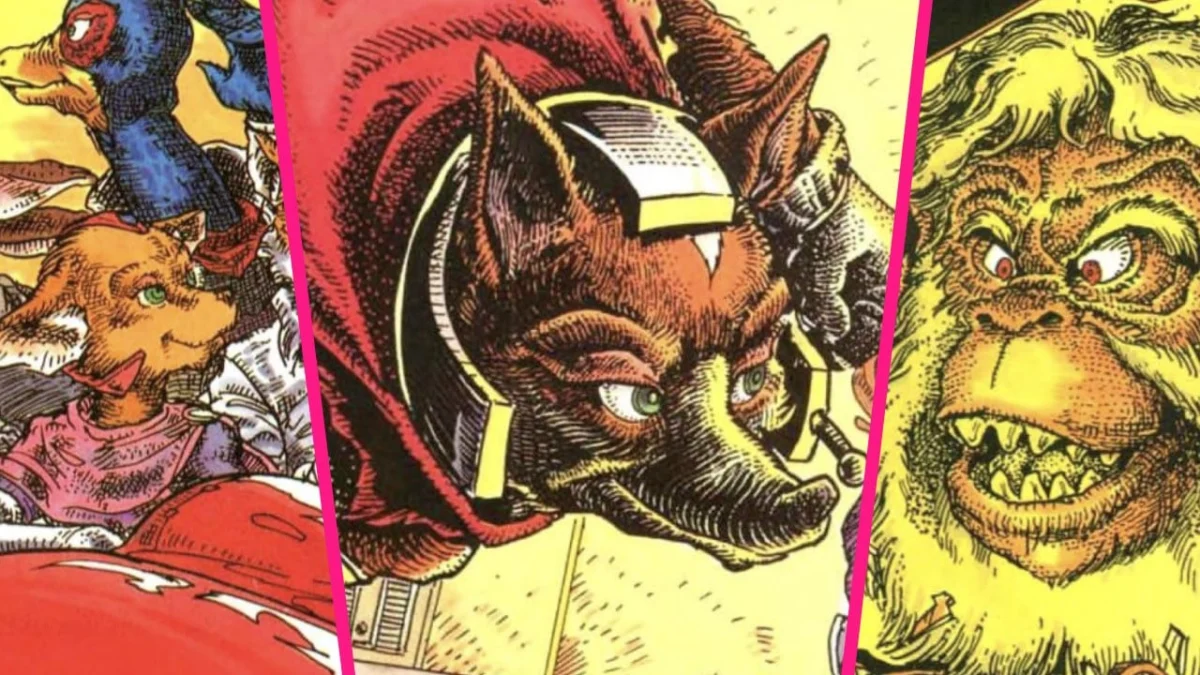
Boyle recalled the unique storyboards that guided the production, describing them as "more like comics rather than ‘ordinary’ storyboards." Unlike typical commercial storyboards, which often present a rigid sequence of uniform images, these were dynamic, comic book-style layouts with "frame shapes all over the place." This unconventional approach was intentional, designed to transcend mere instruction and instead convey the "feel of the piece," thereby encouraging the production team to "explore and play with images." This creative latitude was a significant factor in the commercial’s distinctive, almost cinematic quality, fostering an environment where artistic boundaries were pushed rather than adhered to.
Creative Freedom and Unconventional Storytelling
The emphasis on creative freedom extended beyond the initial conceptualization. Boyle highlighted how technological advancements of the era played a crucial role in shaping the commercial’s groundbreaking look. "This was a time when cameras were evolving, and speed changes in shots were becoming easier," he explained. This newfound flexibility allowed for dynamic visual storytelling, enabling rapid shifts in tempo and perspective that enhanced the commercial’s high-octane energy. The ‘Cyber Razor Cut’ was not just a narrative; it was an experience, designed to overwhelm the senses and convey the intensity of Mega Drive gaming.
A particularly ingenious element of the set design involved custom-built two-way mirrors, measuring an imposing eight by four feet. These semi-reflecting surfaces were meticulously crafted by a company in London’s historic Glasshouse Yard, an establishment with a history stretching back nearly a millennium. Behind these mirrors, a fully operational TV control room was cleverly concealed, only glimpsed in a fleeting flash within the final cut. Boyle himself designed this elaborate setup, complete with banks of monitors feeding live imagery, creating an illusion of depth and technological sophistication that was unprecedented for a commercial of its time. This intricate layering of practical effects and subtle visual cues contributed significantly to the commercial’s immersive, futuristic ambiance.
Overcoming Production Challenges: The Swamp and the Boiler
The ambitious nature of the ‘Cyber Razor Cut’ commercial meant that its filming was not without significant logistical hurdles. Boyle recounted the formidable challenges faced on set, particularly the elaborate system required to generate the signature steam that permeated the cyberpunk barbershop. "We had to raise the entire set up off the ground so that we could pump steam through and have it coming up through the floor," he revealed. This necessary but arduous process inevitably transformed the set into a "swamp," creating a perpetually damp and challenging environment for the crew and equipment.
Adding to the on-set tension was the presence of a "huge steam boiler just outside the studio door." Boyle vividly recalled the inherent danger, admitting, "I spent the entire shoot expecting it to explode." This anecdote underscores the high-stakes, demanding nature of the production, where technical innovation often intersected with inherent risks. Yet, despite these formidable obstacles, the team persevered, driven by a shared vision to create something truly extraordinary. The final product stands as a testament to their dedication, demonstrating that groundbreaking visuals often emerge from a crucible of creative problem-solving and sheer determination.
A Campaign Takes Shape: From ‘Cyber Razor Cut’ to ‘Pirate TV’
The phenomenal success of ‘Cyber Razor Cut’ served as the launchpad for a broader, highly influential series of advertisements collectively known as the ‘Pirate TV’ campaign. This overarching strategy was designed not just to sell the Mega Drive but to effectively educate the UK public on the merits of Sega’s entire hardware ecosystem, which also included the Master System and the nascent Game Gear handheld console. The campaign strategically employed a rebellious, anti-establishment tone, positioning Sega as the cool, edgy alternative to Nintendo’s more traditional image.
Simon Morris, Sega’s former marketing director, reflected on the campaign’s foresight, drawing a parallel to contemporary media: "I worked with Amazon on the TV series Mr. Robot. That’s basically the same idea; over 20 years later, and someone turned it into a TV show!" Morris elaborated on the character of Jimmy, the protagonist of ‘Cyber Razor Cut,’ describing him as "an ultra-cool tech kid living under the radar in a custom-built truck packed with cool gear and the latest games." This characterization solidified Jimmy as an aspirational figure for the target demographic – a tech-savvy individual who embraced the cutting edge and rejected the mainstream. The ‘Pirate TV’ campaign, through characters like Jimmy, successfully cultivated a vibrant subculture around the Sega brand, transforming gaming from a niche hobby into a lifestyle choice for many young Britons.
Expanding the Universe: The ‘Howdedodat’ Adventure
Following the success of ‘Cyber Razor Cut,’ the ‘Pirate TV’ campaign continued its audacious streak with ‘Howdedodat,’ a commercial specifically tailored to promote the Sega Game Gear. This follow-up spot adopted a distinct Mad Max-style aesthetic, transporting viewers from the confines of a cyberpunk barbershop to the sun-baked, dusty landscapes of the Spanish countryside. The stylistic shift showcased the versatility of Sega’s marketing approach, demonstrating their ability to adapt the core rebellious message to different products and visual themes.
Geoff Boyle, once again at the helm of cinematography, recounted the extreme conditions of the ‘Howdedodat’ shoot. The commercial was "lit entirely with mirrors that had to be continually adjusted to compensate for the moving sun," a labor-intensive technique that underscored the commitment to achieving a specific visual quality without relying solely on artificial lighting. The relentless dust, a constant companion in the Spanish arid environment, added another layer of complexity. Boyle recalled a moment where he complimented the makeup artist on Steve O’Donnell’s "dirty, greasy look," only to be informed that no makeup had been applied. Upon sitting in O’Donnell’s position, Boyle made a startling discovery: "the effect of all my mirrors was to create a ferocious oven far, far hotter than the already baking heat. No wonder he was sweaty!" This anecdote not only highlights the harsh realities of location shooting but also the team’s dedication to authenticity, even if unintended.
Legacy and Lasting Impact: Sega’s UK Dominance
The ‘Pirate TV’ campaign, spearheaded by iconic commercials like ‘Cyber Razor Cut’ and ‘Howdedodat,’ proved to be an unparalleled success for Sega in the United Kingdom. Its innovative approach, compelling characters, and high production values resonated deeply with the target audience, effectively establishing Sega’s brand identity as bold, technologically advanced, and distinct from its competitors. The campaign’s success was so profound that it eventually "outgrew the Jimmy character," evolving beyond its initial focal points as Sega’s market presence solidified.
Crucially, this marketing blitz played a significant role in helping Sega "establish a lead on Nintendo in the UK." While Nintendo enjoyed global dominance, Sega’s aggressive and culturally attuned marketing strategies in Britain allowed them to capture a substantial, often leading, market share during the 16-bit era. This was a remarkable achievement, demonstrating how a well-executed advertising campaign could shift consumer perception and influence purchasing decisions on a national scale. The ‘Pirate TV’ campaign wasn’t just about selling consoles; it was about building a community, fostering a sense of belonging among gamers who identified with Sega’s rebellious spirit.
The enduring appeal of these commercials lies not only in their nostalgic value but also in their pioneering spirit. As the late Geoff Boyle aptly put it in 2016, reflecting on the creative environment, "We were encouraged to take chances and push ourselves creatively. I think that shows." This philosophy of artistic courage and innovative execution is precisely what elevated ‘Cyber Razor Cut’ and its successors from mere advertisements to pieces of cultural history. They represent a golden age of gaming marketing, where creativity knew few bounds, and the ambition to captivate audiences was paramount. The impact of ‘Cyber Razor Cut’ echoes through the annals of advertising, a testament to the power of a daring vision and the enduring legacy of a company that dared to do what Nintendon’t. Its narrative, production challenges, and market implications continue to offer valuable lessons in the art of brand building and the strategic deployment of compelling storytelling.