Cecilia Chamidah Nur
Wil Overton, the celebrated artist whose distinctive work defined the visual identity of the iconic 1990s Super Nintendo Entertainment System (SNES) magazine, Super Play, is embarking on a new artistic venture, announcing the launch of a Patreon dedicated to reimagining classic magazine, game, comic, and even VHS covers, starting with a fresh interpretation of Super Play’s debut issue. This initiative represents a significant bridge between gaming’s rich print history and the contemporary creator economy, offering fans a unique opportunity to reconnect with the aesthetic sensibilities that shaped a generation of gamers.
The Enduring Legacy of Super Play: A Pioneer in Gaming Journalism
Super Play, launched by Future Publishing in 1992, quickly established itself as a seminal force within the competitive landscape of UK gaming magazines. During an era when the internet was nascent and print publications served as the primary conduits for gaming news, reviews, and previews, Super Play carved out a unique and highly influential niche. Its focus was unequivocally on the Super Nintendo Entertainment System, Nintendo’s 16-bit console that dominated the early to mid-1990s with a library of groundbreaking titles like The Legend of Zelda: A Link to the Past, Super Metroid, Chrono Trigger, and Final Fantasy VI. These games not only pushed technical boundaries but also solidified narrative and gameplay conventions that continue to influence game design today, collectively selling tens of millions of units worldwide and cementing the SNES as one of the most beloved consoles in history.
What truly set Super Play apart from its contemporaries, such as Nintendo Official Magazine, Mean Machines SNES, or multi-format titans like Computer and Video Games, was its unwavering dedication to Japanese gaming culture. While other magazines often focused solely on Western releases or localized versions, Super Play embraced the import scene with gusto. This meant showcasing Japanese role-playing games (JRPGs), fighting games, and obscure titles long before they might see an international release, if ever. The magazine often provided extensive coverage of games like Final Fantasy V and Seiken Densetsu 3 (later released as Trials of Mana), which were initially exclusive to the Japanese market, cultivating a highly informed and dedicated readership keen to explore the cutting edge of Japanese game development. This import-centric approach garnered a passionate following, distinguishing it sharply from its peers and establishing a reputation for deep, culturally aware coverage. The magazine’s commitment to this philosophy extended beyond its editorial content; it permeated its entire aesthetic, featuring an extensive anime section and, most notably, the unmistakable artwork of Wil Overton.
Overton’s art was synonymous with Super Play’s identity. His vibrant, dynamic, and distinctly anime-influenced style perfectly complemented the magazine’s celebration of Japanese gaming. His covers and internal illustrations weren’t just decorative; they were an integral part of the magazine’s appeal, capturing the energy, excitement, and unique visual language of the games it covered. For many readers, Overton’s artwork was their first introduction to the nuances of Japanese animation and character design, leaving an indelible mark on their understanding of visual culture in gaming. The magazine’s initial run, spanning 47 issues until its cessation in 1996, plus a special 48th edition distributed with Retro Gamer magazine in 2017 to commemorate its legacy, cemented its place in gaming history as a publication that inspired a generation of gamers and aspiring artists alike. The longevity of its influence is a testament to its quality and distinct identity within a crowded market.
A New Artistic Chapter: Wil Overton Reimagines Iconic Covers
Over two decades after Super Play ceased its regular publication, Wil Overton is revisiting his roots, offering a modern perspective on the magazine’s iconic aesthetic. The catalyst for this new venture is a striking reimagined cover for Super Play’s debut issue, a piece that immediately resonated with long-time fans and garnered significant attention on social media platforms. "Thought I’d give it another go," Overton shared on Instagram, accompanying the striking image of the updated cover, which masterfully blends contemporary artistic techniques with the nostalgic charm of the original. This initial foray quickly blossomed into a broader concept, hinting at a more extensive project. He continued, "Now, what would I have picked for all the other issues? Coming soon to a Patreon near you," signaling his intent to expand beyond a single artwork.
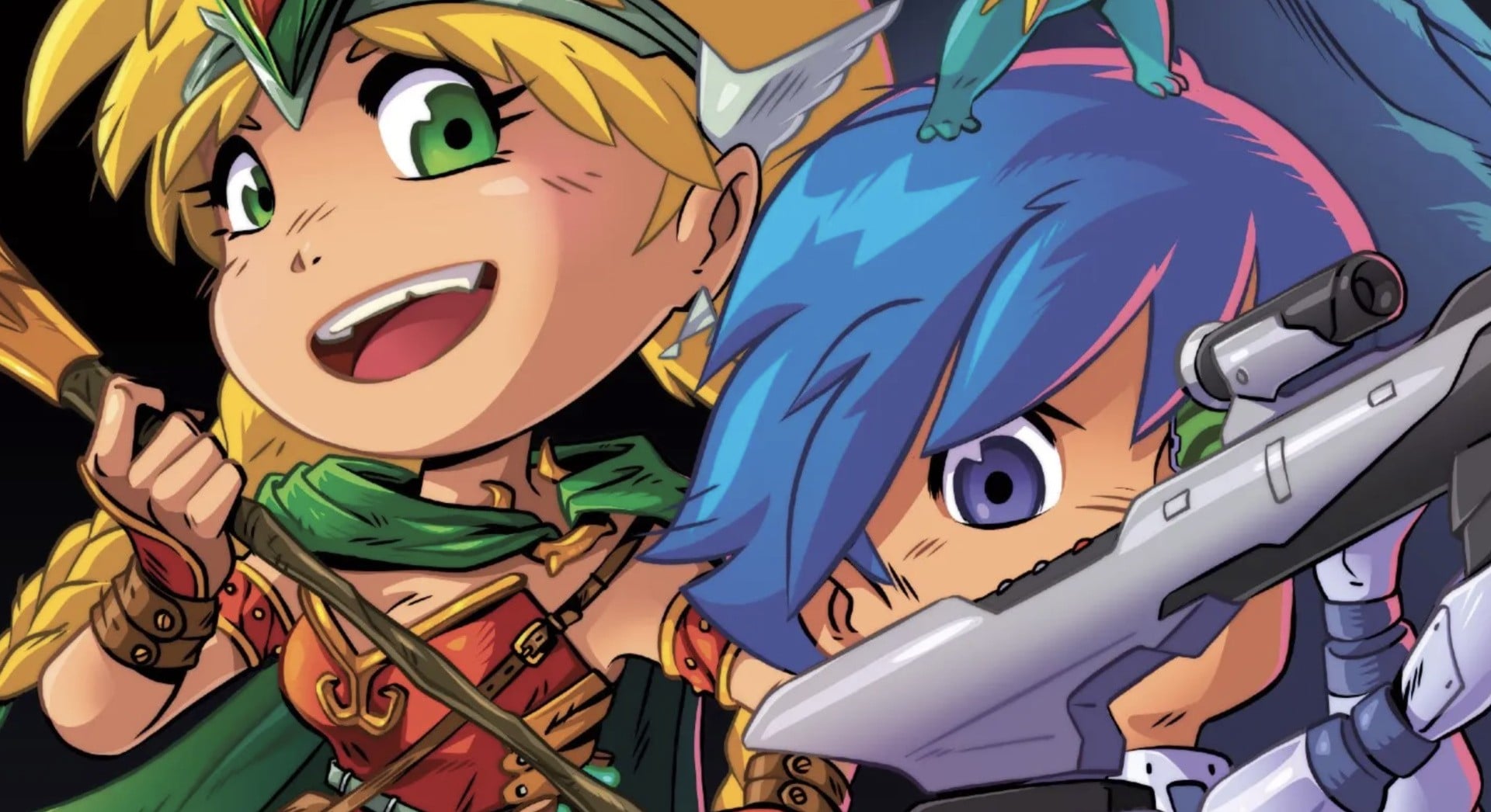
This initial post served as a tantalizing prelude to the formal announcement of his Patreon project. Overton elaborated on the scope and ambition of this endeavor on BlueSky, a decentralized social networking service that has seen increasing adoption by artists and creators seeking more direct engagement with their audiences. He framed the idea with a characteristic blend of humility and enthusiasm: "Ok, this might be a daft idea, but I’m thinking of starting up an art Patreon for ‘covers’. Mags, games, comics, maybe even a VHS or two. Oh, and a new alt version of these each month. Vote for what you thought should have been on the cover. That kind of thing."
This statement clarifies that the project extends far beyond merely reimagining Super Play covers. While the magazine’s debut issue serves as a nostalgic launchpad, Overton intends to apply his unique artistic vision to a diverse array of media covers. This expansion into game boxes, comic books, and even classic VHS covers broadens the appeal of the Patreon, tapping into various facets of pop culture nostalgia from different eras. The interactive element, allowing patrons to "vote for what you thought should have been on the cover," further fosters community engagement, transforming passive viewership into active participation in the creative process, and ensuring the content remains highly relevant to his audience’s interests.
In an exclusive statement, Overton provided additional insight into his motivations and the underlying philosophy of the project. "Like many artists, I’ve thought about something like Patreon or Ko-Fi for a while but wanted a hook for it rather than just random illos," he explained. This desire for a thematic anchor underscores a deliberate approach to his foray into the creator economy, aiming for a structured and cohesive artistic output rather than sporadic individual pieces. "Hopefully, this has a bit of nostalgia combined with something new and it’s the stuff I’ve always loved drawing. Time will tell if anyone’s really interested and hopefully they won’t think that I’m going to one-man band an entire new mag each month." This quote effectively manages expectations, reassuring potential patrons that while the project is ambitious, its focus remains firmly on the art of cover design, not the laborious undertaking of creating entire new publications, which would be an unsustainable endeavor for a single artist.
The Evolution of a Gaming Artist: From Print to Pixels and Beyond
Wil Overton’s artistic journey extends significantly beyond his formative years at Super Play. Following his influential tenure with Future Publishing, his talents caught the attention of one of the most revered game development studios in the industry: Rare. Joining Rare, a British video game developer celebrated for its innovative titles across various Nintendo platforms and later for Xbox, marked a pivotal transition in Overton’s career, moving from illustrating games for print to actively contributing to their visual development.
At Rare, Overton applied his distinctive visual style and understanding of character design to a new medium, working on several high-profile projects that spanned different genres and platforms. His contributions include Perfect Dark Zero, the prequel to the critically acclaimed Nintendo 64 title Perfect Dark, released as an Xbox 360 launch title in 2005. This first-person shooter showcased a futuristic aesthetic, allowing Overton to translate his vibrant style into a 3D gaming environment, contributing to concept art and character design. He also lent his artistic vision to Jetpac Refuelled, a 2007 Xbox Live Arcade remake of the classic 1983 ZX Spectrum title Jetpac, demonstrating his ability to revitalize established intellectual properties with a contemporary flair while honoring their retro origins. More recently, Overton was involved in the development of Sea of Thieves, the massively popular multiplayer pirate adventure game released for Xbox One and PC in 2018. His work on these titles, which often involved character design, concept art, and UI elements, highlights his versatility and enduring relevance within the ever-evolving video game industry, proving his ability to adapt his artistic talents from print media to interactive digital experiences over several decades.
This diverse portfolio demonstrates that Overton is not merely an artist resting on past laurels but a dynamic creative force who has continually evolved his craft across different platforms and eras of gaming. His return to reimagining covers, therefore, is not a step back, but a synthesis of his rich history and ongoing artistic development, bringing his wealth of experience to a project deeply rooted in his personal passion for visual culture.
The Creator Economy and the Powerful Appeal of Nostalgia
Overton’s decision to launch his project on Patreon aligns perfectly with several significant trends in contemporary culture: the burgeoning creator economy and the powerful, enduring appeal of nostalgia. These forces create a fertile ground for projects that bridge the past and present.
The creator economy, characterized by individual content creators monetizing their skills and passions directly from their audience, has seen exponential growth in recent years. Data from platforms like Patreon indicates a significant increase in both creators and patrons, with millions of users supporting various artistic and intellectual endeavors. Platforms like Patreon, Ko-Fi, and Substack empower artists, writers, musicians, and other creatives to build sustainable careers outside traditional employment structures. By offering tiered subscriptions, creators can provide exclusive content, behind-the-scenes access, and direct interaction with their fans, fostering a deeper connection and sense of community. For an artist of Overton’s caliber, with a pre-existing and dedicated fanbase from his Super Play days, Patreon offers an ideal mechanism to engage this audience directly and generate support for his artistic endeavors without the constraints of traditional publishing or development cycles. It provides a direct revenue stream that rewards ongoing creative output and fan loyalty.
Parallel to this, the retro gaming and broader nostalgia markets have exploded. Consumers increasingly seek experiences and products that evoke fond memories of their youth, driving a multi-billion-dollar industry segment. This phenomenon is evident in the commercial success of miniature retro consoles (like the NES Classic Mini and SNES Classic Mini, which sold millions of units globally), numerous remakes and remasters of classic games (such as Final Fantasy VII Remake or Resident Evil 2 Remake), and the sustained popularity of media dedicated to gaming history, such as Retro Gamer magazine, which itself recognized Super Play’s legacy by distributing its 48th issue. For many adults who grew up in the 1990s, Super Play and Overton’s artwork are potent symbols of a golden age of gaming. His reimagined covers tap directly into this sentiment, offering a tangible link to a cherished past while presenting it through a fresh, contemporary lens. The project’s interactive voting mechanism further amplifies this, allowing fans to actively shape the narrative of their own nostalgia, making them co-creators in a sense.
Implications and Broader Impact: Reshaping Artistic Engagement
Wil Overton’s Patreon project carries several significant implications, extending beyond the immediate appeal to Super Play aficionados and into broader discussions about art, media, and the creator economy.
Firstly, it underscores the enduring cultural significance of print media in shaping gaming history. In an age dominated by digital distribution and online news, the tangible artifacts of gaming’s past – particularly magazines with their iconic cover art – retain immense value. Overton’s work serves as a powerful reminder of the artistry involved in these publications and their role as crucial cultural touchstones that documented and celebrated the nascent stages of the video game industry. By re-engaging with this format, he helps to preserve and recontextualize a crucial aspect of gaming’s heritage, bringing it to a new generation while delighting existing fans.
Secondly, the project exemplifies a successful model for established artists to navigate the modern digital landscape. Rather than relying solely on traditional commissions or gallery sales, Overton is leveraging a direct-to-consumer model that empowers him with creative freedom and direct financial support from his most dedicated followers. This paradigm shift could serve as an inspiration for other veteran artists in the gaming industry, or indeed any creative field, looking for new ways to share their talents, maintain artistic autonomy, and build sustainable careers in a rapidly evolving media environment.
Thirdly, the interactive nature of the Patreon, with its voting system, fosters a unique form of community engagement. It transforms fans from passive consumers into active participants, allowing them to influence the direction of the artistic output. This collaborative approach not only strengthens the bond between artist and audience but also ensures that the content remains highly relevant and resonant with its target demographic, cultivating a sense of shared ownership in the creative process.
Finally, Overton’s venture subtly highlights the evolution of artistic roles within the gaming ecosystem. His journey from print magazine illustrator to concept artist at a major game studio like Rare, and now to an independent creator leveraging a direct-support platform, illustrates the dynamic career paths available to artists in the digital age. It demonstrates that fundamental artistic skills, combined with an understanding of evolving platforms and audience engagement, can lead to diverse and fulfilling creative endeavors, proving that adaptability is key to longevity in creative professions.
The launch of Wil Overton’s Patreon is more than just an art project; it is a celebration of gaming history, a testament to the enduring power of iconic artwork, and a forward-looking model for artistic sustainability in the digital era. As fans eagerly await each new reimagined cover, Overton’s "daft idea" is poised to become a cherished journey through the visual heritage of pop culture, reaffirming the timeless appeal of well-crafted art and the community it inspires.