Chalid Lutfie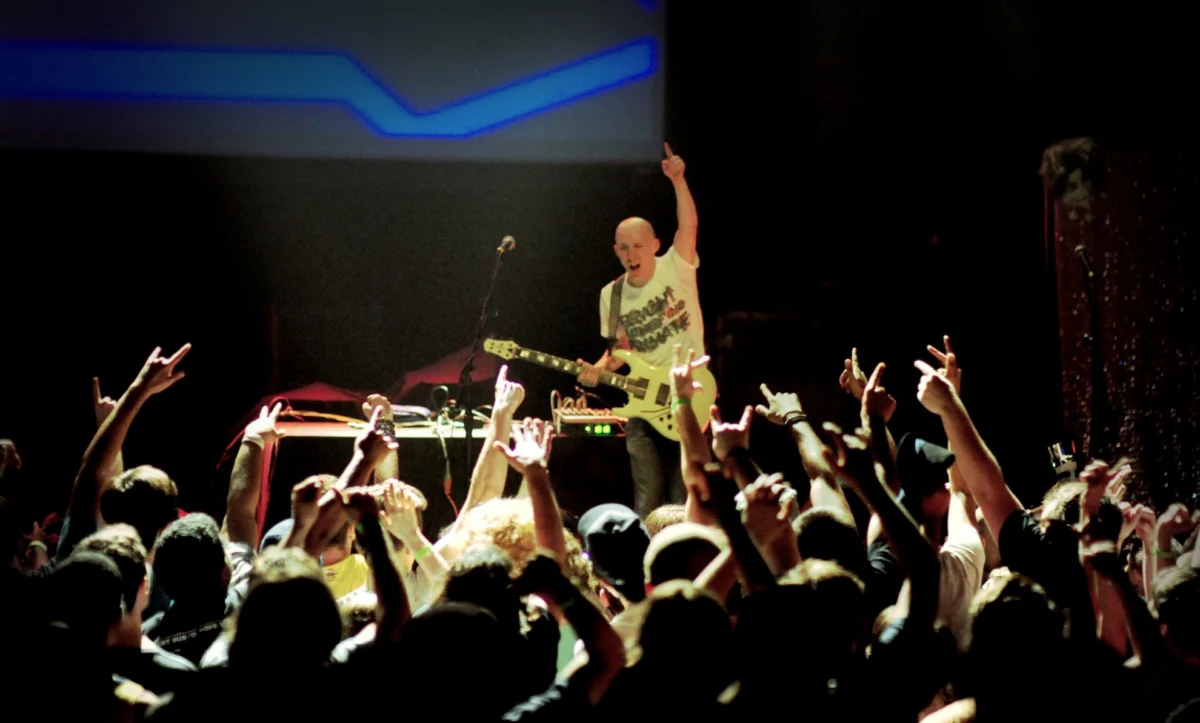
The landscape of modern electronic and experimental music is set for a significant addition as Danimal Cannon, the stage name for composer and guitarist Dan Behrens, prepares to release his latest full-length studio album, Lunaria. Marking his first major solo-led project since the 2013 collaboration Parallel Processing with the artist Zef, Lunaria represents the culmination of a five-year creative evolution. Scheduled for a global release on March 11, the album is positioned as a sophisticated integration of 8-bit synthesis and virtuosic guitar performance, a combination that has defined Behrens’ live persona but has rarely been captured with such technical precision on a studio record.
The announcement comes at a pivotal time for the chiptune community, a genre that utilizes the sound chips of vintage video game hardware to create contemporary compositions. While the genre has often been relegated to the realm of nostalgia, Danimal Cannon’s approach on Lunaria seeks to elevate the medium through the rigorous application of progressive metal structures and complex harmonic arrangements. The album is being released under the Ubiktune label, a collective known for pushing the boundaries of chip-influenced music, and it promises to bridge the gap between the technical constraints of the 1989 Nintendo Game Boy and the expansive capabilities of modern electric guitar.
A Five-Year Chronology of Creative Refinement
The journey toward Lunaria began shortly after the release of Behrens’ 2011 debut solo album, Roots. While Roots was a foundational work in the chiptune-metal crossover scene, it featured only sporadic guitar work. According to Behrens, the integration of the two distinct sonic worlds—the cold, digital pulse of the Game Boy’s LR35902 sound chip and the warm, high-gain sustain of the electric guitar—presented unforeseen technical challenges.
Following the release of Roots, Behrens spent several years touring, where he began performing his Game Boy tracks with live guitar accompaniment. This live setting served as a laboratory for the sound that would eventually define Lunaria. Fans of the artist have frequently requested a studio recording that mirrors the energy and complexity of these live performances. However, the process of "marrying" the two instruments in a studio environment required a masterclass in frequency management and arrangement.
In the intervening years, Behrens collaborated with Zef on Parallel Processing, which further explored the rhythmic possibilities of the genre. By the time production on Lunaria began in earnest, Behrens had spent nearly four years mastering the compositional techniques necessary to make the Game Boy and the guitar sound like a cohesive ensemble rather than two competing elements. The result is described by the artist as a "new band lineup that really gels," representing a definitive shift from his earlier, more experimental attempts at the hybrid style.
Conceptual Framework: The Giant Impact Hypothesis
Beyond its technical achievements, Lunaria is a concept album rooted in planetary science and celestial mechanics. Behrens, a self-described "science geek," drew inspiration from the "giant impact hypothesis," the leading scientific theory regarding the formation of the Moon. This hypothesis suggests that roughly 4.5 billion years ago, a Mars-sized body named Theia collided with the early Earth, ejecting debris that eventually coalesced into the Moon.
Behrens has personified this cataclysmic event through the character of Lunaria, who serves as a metaphorical representation of the impactor and the resulting lunar body. The title itself functions as a linguistic double entendre; it refers to the celestial subject while also being a portmanteau of "Lunar" and "aria," the latter referring to a self-contained piece for a single voice, typically found in opera. This naming convention highlights the album’s focus on melodic storytelling and its grand, theatrical scope.
The choice of a scientific theme provides a rigid structure for the album’s narrative arc, moving from the chaotic energy of a planetary collision to the serene, orbital stability of the modern moon. This progression is reflected in the tracklisting, which balances aggressive, metal-influenced sections with more atmospheric, orchestral passages.
Technical Composition and Diverse Influences
The sonic palette of Lunaria is notably broad, reflecting a wide array of musical disciplines. While the foundation of the record is "pretty metal," Behrens has cited a diverse range of influences that informed the writing process. These include:
- Video Game Soundtracks: The influence of contemporary indie game music, specifically the Shovel Knight original soundtrack, is evident in the melodic clarity of the Game Boy tracks.
- Industrial and Alternative Rock: The rhythmic textures of Nine Inch Nails and KMFDM provided a blueprint for the album’s grittier, more mechanical segments.
- Indie Rock: The unconventional instrumentation and rhythmic playfulness of Buke and Gase influenced the album’s structural deviations.
- Classical and Choral Music: The harmonic sophistication of Wolfgang Amadeus Mozart and the lush, contemporary choral arrangements of Eric Whitacre were instrumental in shaping the album’s "celestial" atmosphere.
To achieve this sound, Behrens utilizes Little Sound DJ (LSDJ), a tracker program that allows for sophisticated music production directly on the Game Boy hardware. By syncing the Game Boy with his guitar work, Behrens creates a wall of sound that challenges the listener’s perception of what 8-bit hardware can achieve.
Collaborative Contributions and Guest Performances
While Lunaria is primarily a solo effort, it features strategic collaborations that enhance its conceptual depth. A significant addition to the album is the inclusion of professional vocalist Emily Yancey. A trained singer with a background in opera, Yancey provides the "vocal timbre" necessary to represent the character of Lunaria. Her contributions are intended to evoke the feeling of a "celestial moon goddess," adding a human element to the digital and mechanical landscape of the record.
The album also features a notable performance by Samuel Ascher-Weiss, widely known in the electronic music world as Shnabubula. Ascher-Weiss, a frequent collaborator of Behrens who previously appeared on Roots, contributed a piano rendition of the song "Axis." Behrens selected "Axis" for this treatment because it is considered the most technically challenging composition on the record. The inclusion of a traditional acoustic instrument like the piano provides a sharp contrast to the digital "quirkiness" of the Game Boy, offering listeners a different perspective on the album’s complex melodic structures.
Visual Identity and Physical Distribution
The visual aesthetic of Lunaria is as deliberate as its auditory component. The album features original artwork by Minerva Mopsy, an artist known for evocative and detailed character designs. The artwork reinforces the personification of the moon, blending science fiction elements with a celestial, ethereal style.
In an era where digital streaming dominates, Danimal Cannon and the Ubiktune label are emphasizing the importance of physical media for their core audience. Lunaria will be available for pre-order via Bandcamp, a platform that has become a stronghold for independent electronic artists. In addition to the digital release, the album will be available on CD, a format that includes a poster featuring Minerva Mopsy’s artwork. This focus on physical collectibles reflects the chiptune community’s long-standing appreciation for tangible artifacts and high-quality production values.
Broader Impact on the Chiptune and Metal Subgenres
The release of Lunaria is expected to have a lasting impact on the "chip-metal" subgenre. By moving beyond the novelty of using old hardware, Behrens is demonstrating that the Game Boy can be treated as a legitimate instrument within a professional ensemble. The album’s successful integration of progressive metal elements suggests a new path forward for electronic composers who seek to incorporate live instrumentation without sacrificing the unique textures of 8-bit sound.
Furthermore, the album’s focus on scientific concepts and operatic vocals signals an increasing maturity within the scene. As chiptune moves further away from its origins in the "demo scene" and hobbyist circles, projects like Lunaria provide a template for how the genre can interface with mainstream musical traditions such as progressive rock and classical composition.
As the March 11 release date approaches, the lead single "Behemoth" has already begun to generate interest among critics and fans alike. With its aggressive riffs and intricate pulse-wave melodies, the track serves as a definitive preview of the "full force" approach Behrens has spent five years perfecting. Lunaria stands not only as a personal milestone for Danimal Cannon but as a testament to the enduring potential of limited technology when placed in the hands of a dedicated composer.