Edi Durjana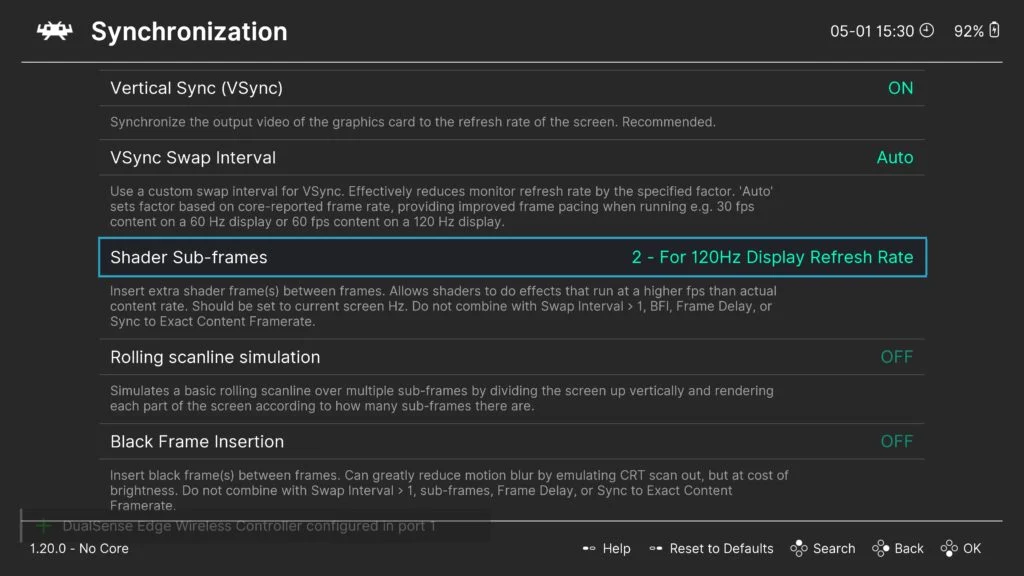
A groundbreaking new shader has been introduced to RetroArch, designed to dramatically enhance motion clarity on contemporary displays without inheriting the typical limitations associated with conventional Black-Frame Insertion (BFI) techniques. This innovative solution is the collaborative effort of Mark Rejhon from BlurBusters, a recognized authority on display motion clarity, and Timothy Lottes, the acclaimed creator of the original FXAA shader and the renowned crt-lottes shaders. Leveraging RetroArch’s recently implemented “subframe” shader capabilities, this technology operates at multiples of the standard content framerate, promising a superior visual experience for enthusiasts seeking authentic retro gaming fidelity.
The Enduring Quest for Motion Clarity on Modern Displays
For decades, the cathode ray tube (CRT) monitor reigned supreme, offering unparalleled motion clarity thanks to its "impulse" display characteristic. Unlike modern liquid crystal display (LCD) and organic light-emitting diode (OLED) panels, which employ a "sample-and-hold" mechanism, CRTs rapidly illuminate pixels and then extinguish them, creating distinct, flicker-free frames with minimal motion blur. This inherent advantage of CRTs is a significant reason why many retro gaming purists still swear by them, as the crisp motion significantly impacts the perception of fast-paced action and scrolling backgrounds in classic titles.
The advent of flat-panel displays, while bringing benefits like reduced bulk, higher resolutions, and improved energy efficiency, inadvertently introduced the "sample-and-hold" blur. In these displays, a pixel’s color and luminance are held constant for the entire duration of a frame refresh cycle until the next frame is drawn. This continuous illumination, while reducing flicker, causes the human eye to track the moving image across the screen, resulting in a smeared or blurred appearance, particularly noticeable in games with smooth horizontal scrolling or rapid camera movements. This effect diminishes the perceived sharpness and responsiveness that was once a hallmark of CRT gaming.
Traditional BFI and Its Limitations
To combat the sample-and-hold effect, display manufacturers and software developers have often turned to Black-Frame Insertion (BFI). BFI attempts to emulate the impulse nature of CRTs by inserting a black frame between each displayed game frame. The idea is that these brief periods of darkness allow the eye to reset, breaking up the continuous illumination and reducing motion blur. While BFI can indeed improve motion clarity, it comes with several significant drawbacks that have limited its widespread adoption and user satisfaction.
Firstly, BFI inherently reduces overall screen brightness. By inserting black frames, the display spends a portion of its time effectively "off," leading to a noticeably dimmer image. This can be particularly problematic in already dim environments or for users who prefer a vibrant display. Secondly, BFI can introduce visible flicker, especially at lower refresh rates (e.g., 60 Hz). This flicker can cause eye strain, discomfort, and even headaches for some sensitive individuals, detracting from the immersive gaming experience. Thirdly, on certain panel technologies, particularly some LCDs, the rapid on/off cycling required for BFI can contribute to image persistence or "burn-in" over extended periods, due to voltage accumulation in the panel. This risk, while often debated, has made some users hesitant to enable BFI for prolonged gaming sessions. Finally, traditional BFI implementations can sometimes introduce input lag or display artifacts if not perfectly synchronized with the game engine and display refresh rate.
A New Paradigm: The Subframe Shader Breakthrough
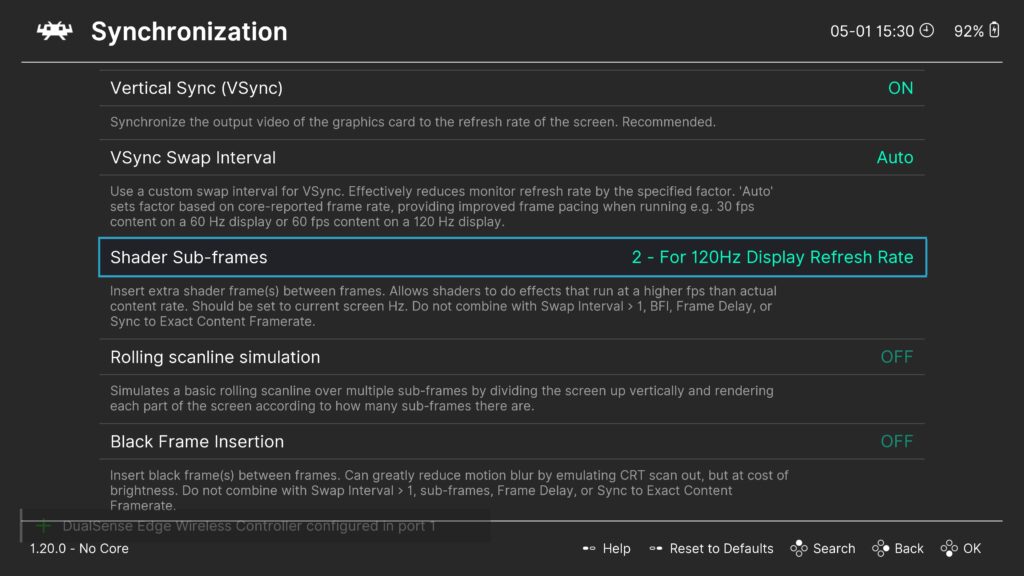
The new shader bypasses these conventional BFI issues by leveraging RetroArch’s innovative "subframe" shader capabilities. This feature, introduced in RetroArch 1.20.0 (or any more recent nightly build), allows shaders to operate at multiples of the standard content framerate. Instead of simply inserting a fully black frame, this advanced shader meticulously controls the illumination of pixels across multiple subframes within a single display refresh cycle. This approach allows for a more nuanced and dynamic control over pixel illumination, mimicking the scanning beam of a CRT rather than merely flashing a black screen.
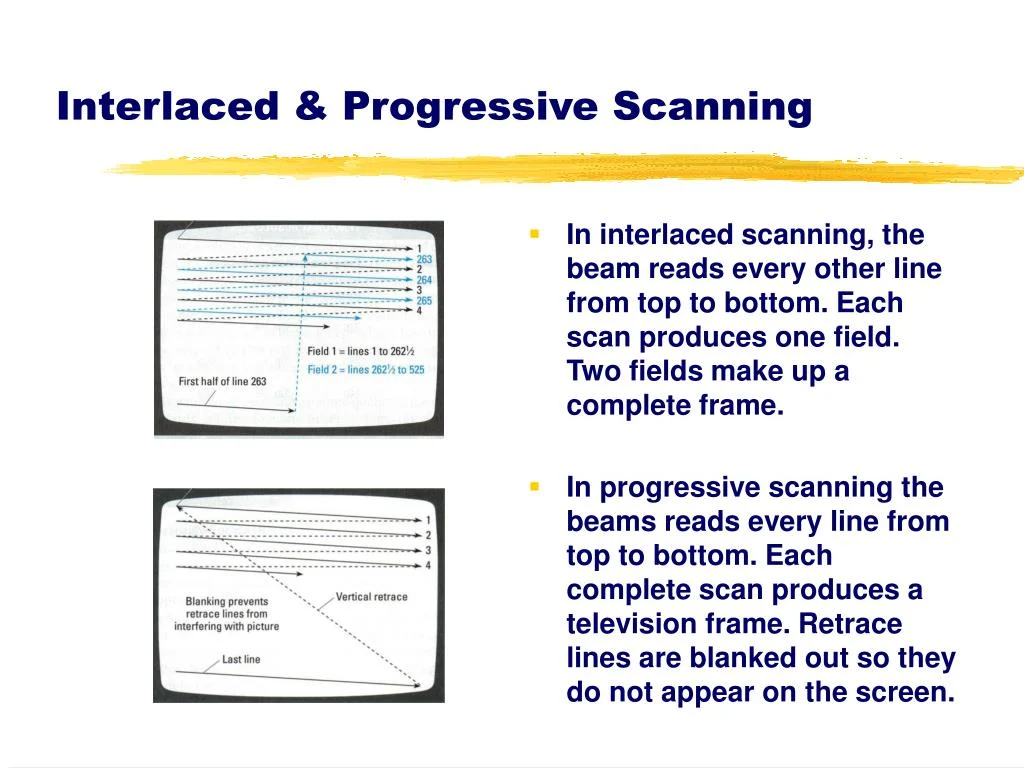
The core innovation lies in the shader’s ability to simulate the vertical scanning motion of a CRT electron beam. In a CRT, the image is drawn line by line, from top to bottom, with the electron beam rapidly illuminating only a small portion of the screen at any given instant. This creates a "rolling" effect of illumination that the eye perceives as incredibly sharp motion. The new "CRT beam racing" shader intelligently distributes the image data across several subframes, dynamically adjusting pixel brightness and timing to replicate this precise scanning behavior.
The Visionaries Behind the Innovation
The collaborative genius behind this shader is a testament to the power of specialized expertise. Mark Rejhon, widely known through his work at BlurBusters, has dedicated his career to the study and optimization of display motion clarity. His extensive research into human perception, display technologies, and the intricacies of motion blur has made him a leading voice in the field. Rejhon’s understanding of how to achieve true CRT-like motion on modern panels forms the theoretical backbone of this shader.
Joining him is Timothy Lottes, a name synonymous with pioneering graphics technology. Lottes gained widespread recognition for creating the Fast Approximate Anti-Aliasing (FXAA) shader, a groundbreaking technique that provided efficient anti-aliasing without the hefty performance cost of traditional methods. His expertise extends to the realm of CRT emulation, where his "crt-lottes" shaders are celebrated for their authentic replication of CRT scanlines and visual characteristics. The combination of Rejhon’s deep insight into display motion and Lottes’s unparalleled shader programming prowess has culminated in a solution that transcends previous attempts at motion clarity. Their prior work and respective reputations lend significant weight to the technical sophistication and potential impact of this new RetroArch feature.
The original conceptual implementation of this technology can be traced back to Shadertoy (www.shadertoy.com/view/XfKfWd), a platform for experimenting with real-time graphics. This publicly accessible demonstration underscored the viability of the approach, setting the stage for its integration into a robust emulation platform like RetroArch.
Implementing the CRT Beam Racing Shader in RetroArch
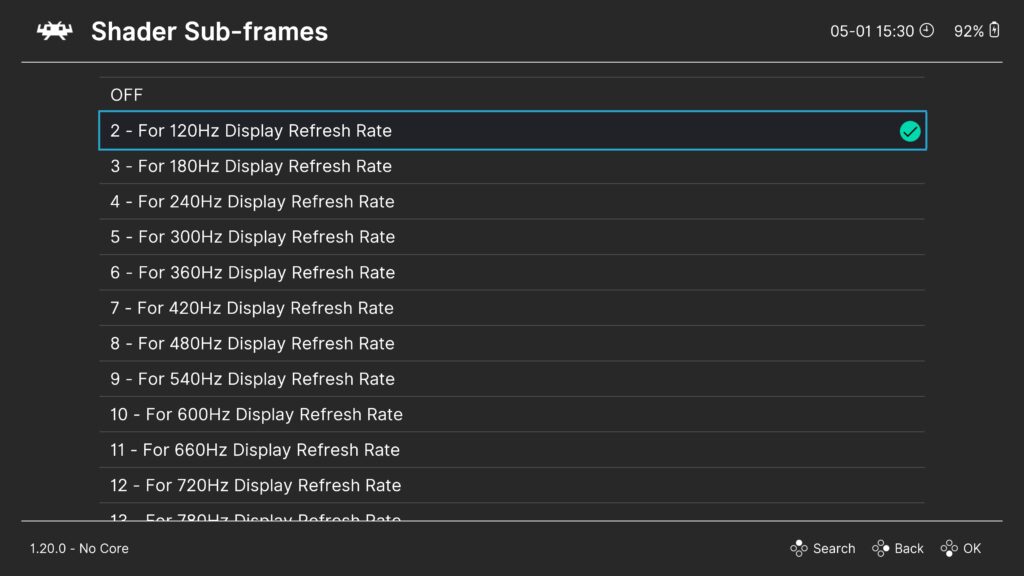
For users eager to experience this enhanced motion clarity, the process within RetroArch is straightforward, provided they meet the basic requirement of RetroArch version 1.20.0 or newer. A high-refresh-rate monitor (120 Hz or higher) is also highly recommended, as the benefits become more pronounced with increased display refresh rates, allowing for more subframes to be rendered within each refresh cycle.
RetroArch’s flexible shader pipeline allows users to either apply this shader as a standalone effect or seamlessly integrate it with existing shader presets. For instance, enthusiasts who favor a particular CRT shader for its visual aesthetics can typically prepend the CRT beam racing shader to their chosen preset, combining the best of both worlds: authentic CRT visual appearance with superior motion clarity. Additionally, RetroArch simplifies the process by offering pre-made presets under shaders_slang/presets/crt-beam-simulator, enabling users to quickly access optimized configurations.
Once enabled, the shader offers runtime parameters for fine-tuning, allowing users to customize the experience to their specific display and preferences. Key adjustments include gamma correction, which helps achieve a neutral image and eliminate any unintended dark lines, and a parameter to balance brightness with motion clarity. For displays running at 120 Hz, which typically utilize two subframes, a value of approximately 0.5 for this balance parameter is often ideal. For ultra-high refresh rate monitors like 240 Hz panels, which can render four subframes, a value around 0.7 tends to yield the best results. These configurable options empower users to achieve a personalized visual experience, optimizing for their unique hardware and aesthetic preferences.
Advantages Over Conventional BFI and Display Compatibility
The new CRT beam racing shader offers several compelling advantages over traditional BFI implementations:
- Reduced Flicker: By employing a sophisticated subframe rendering technique rather than simply flashing black frames, the shader significantly minimizes the perceptible flicker that often plagues BFI, leading to a more comfortable viewing experience.
- Enhanced Brightness Retention: While there is still a slight brightness reduction inherent in any impulse-like display simulation, this shader is engineered to retain more overall brightness compared to typical BFI, providing a more vibrant image.
- Minimized Image Persistence Risk: Critically, this shader is designed to mitigate the risk of image persistence (sometimes mistakenly called "burn-in") on susceptible flat-panel displays. This is achieved by carefully managing the pixel illumination patterns, avoiding the continuous voltage accumulation that can occur with aggressive on/off flickering.
It is important to note that not all flat-panel monitors face the same risk of image persistence from flickering. OLED panels, for example, are largely immune to this issue due to their self-emissive nature and how pixels refresh. Similarly, monitors running at odd integer multiples of 60 Hz, such as 180 Hz, may also exhibit different behaviors. For users with these types of displays, the shader includes a runtime parameter to disable the cycle timing offset. This prevents the simulated raster line from "rolling up" the screen, which might be undesirable in certain setups or display types. Another parameter allows users to adjust the precise vertical position of the simulated raster line, enabling them to place it in the least obtrusive spot for their particular gaming environment. This level of customization ensures broad compatibility and user satisfaction across a diverse range of modern display technologies.
Support and Community Engagement
Recognizing the potential for technical queries and the desire for optimal configuration, comprehensive support resources have been made available. Mark Rejhon has established an FAQ and troubleshooting guide on his GitHub repository specifically for the crt-beam-simulator shader (https://github.com/blurbusters/crt-beam-simulator/issues/4). This resource serves as a primary hub for addressing common issues and providing detailed explanations. Beyond this, users can also seek assistance through RetroArch’s established support channels, including their active Discord server, Reddit communities, and the official Libretro forums. These platforms foster a collaborative environment where users can share their experiences, seek advice, and contribute to the ongoing refinement of the shader.
Further demonstrating the impact and technical depth of this innovation, a detailed video analysis from a respected display technology expert (https://www.youtube.com/watch?v=PmXmr4Yiz_0) is also available. This video provides additional context and visual demonstrations of the shader’s capabilities, helping users to fully grasp its transformative potential.
Broader Implications for Emulation and Display Technology
The introduction of the CRT beam racing shader marks a significant milestone in the ongoing pursuit of perfect retro gaming emulation. For years, the fidelity of emulated games has been hampered by the fundamental differences between classic CRT technology and modern flat panels. While resolution, color accuracy, and input lag have seen remarkable improvements, the elusive goal of authentic motion clarity has remained a persistent challenge. This shader directly addresses that challenge, offering a software-based solution that breathes new life into classic titles.
Its implications extend beyond mere aesthetic enhancement. By providing a truly authentic visual experience, the shader contributes to the broader effort of game preservation, allowing new generations to experience classic games as they were originally intended. It underscores the power of community-driven development within platforms like RetroArch, where passionate individuals like Rejhon and Lottes can push the boundaries of what’s technically possible.
Furthermore, this development highlights a fascinating trend: the convergence of hardware and software solutions to overcome inherent display limitations. While display manufacturers continue to innovate with higher refresh rates and improved response times, software-level optimizations like the CRT beam racing shader demonstrate that significant gains in perceived motion clarity can still be achieved through intelligent rendering techniques. This could pave the way for future software-driven display enhancements, not just for emulation but potentially for modern gaming and multimedia consumption as well. The success of this shader solidifies RetroArch’s position not just as a leading emulation frontend, but as a vibrant incubator for cutting-edge display technology research and implementation, continually striving to deliver the ultimate visual experience for its users.