Retno Hari Mulyono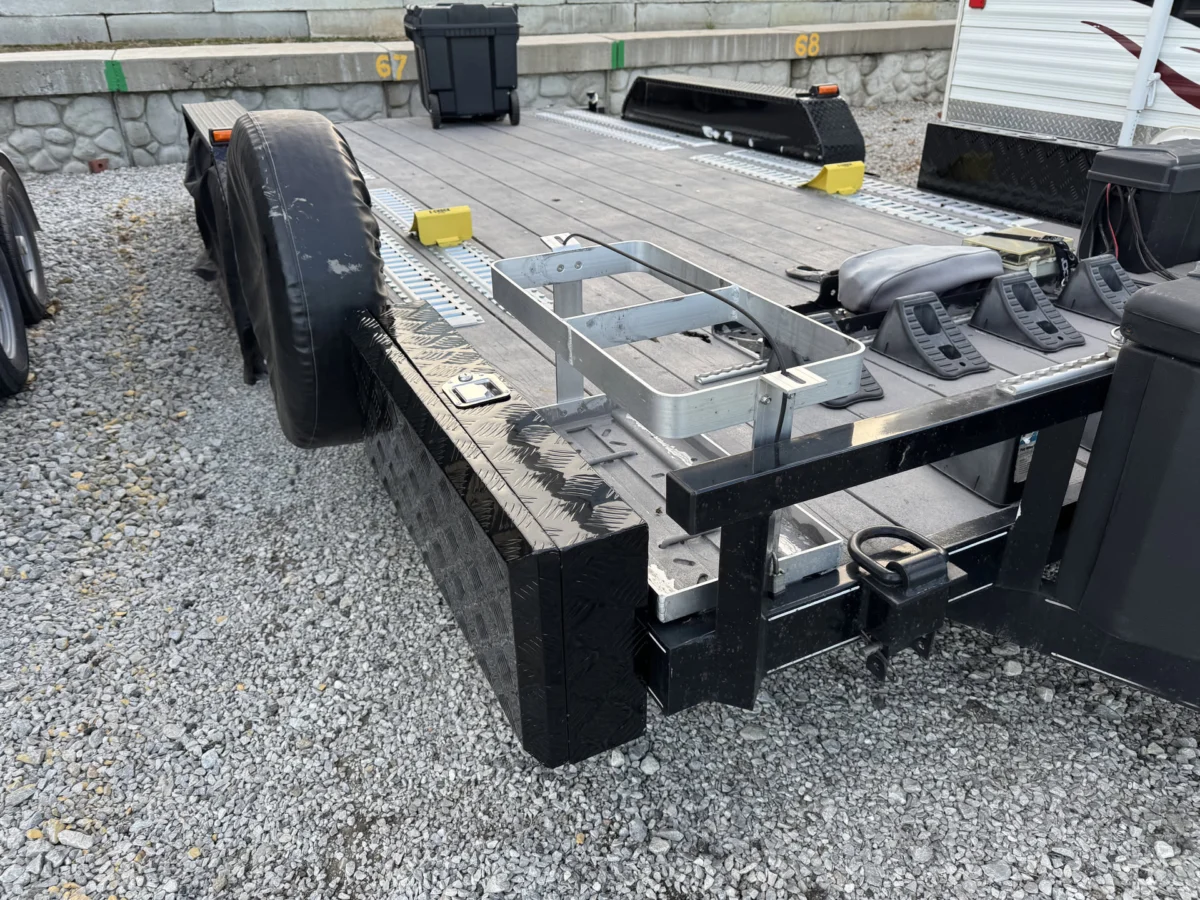
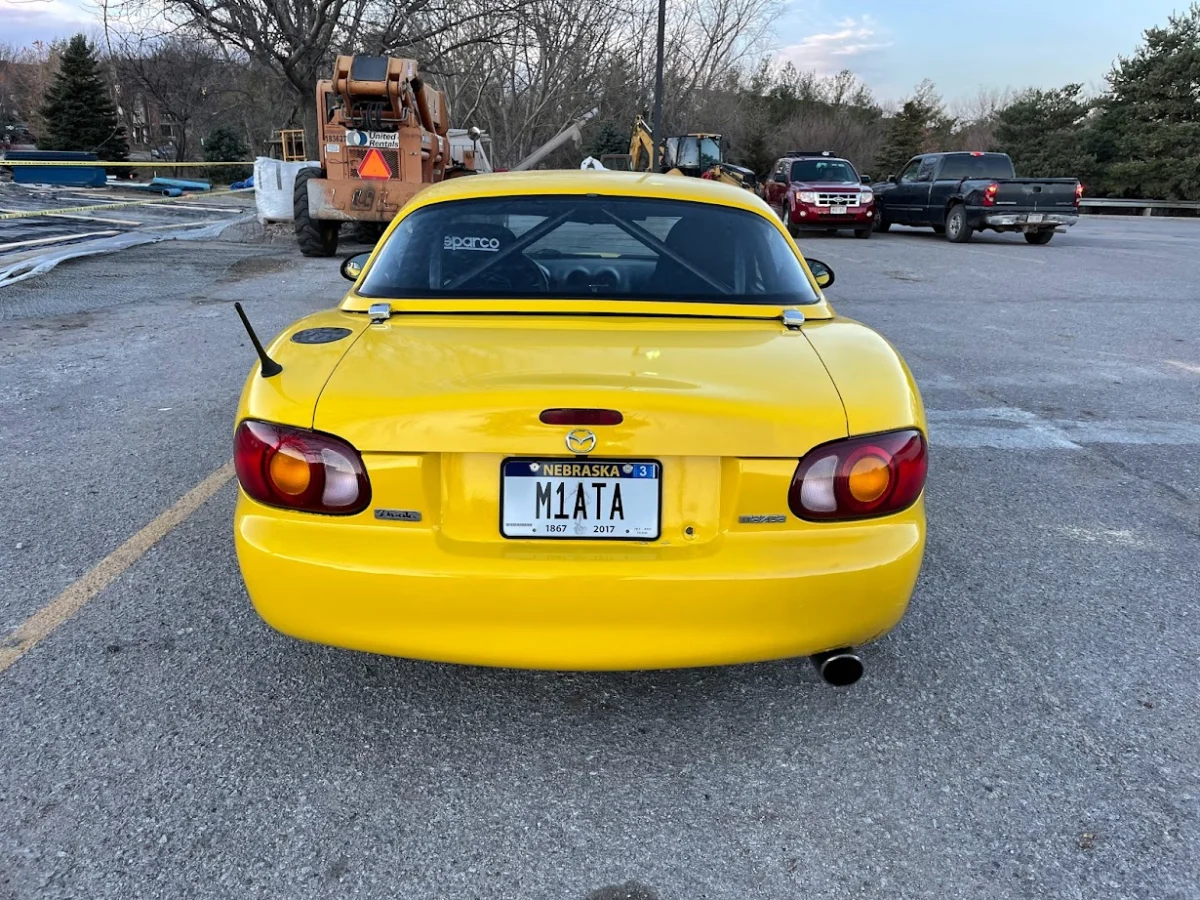
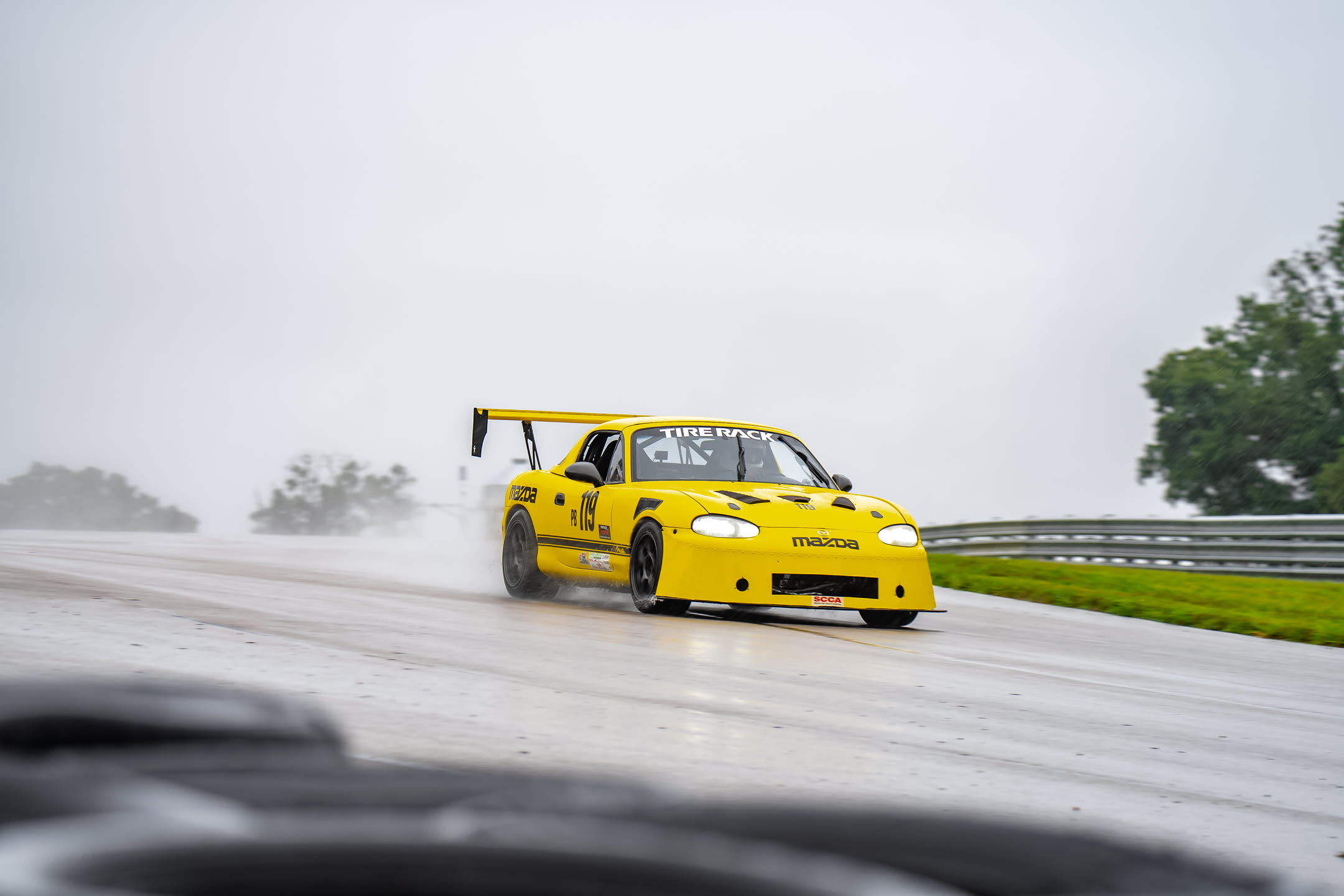
The development of the second-generation Mazda Miata, known internally as the NB chassis, remains a cornerstone of amateur and semi-professional road racing due to its balanced handling and robust aftermarket support. A recently concluded five-year longitudinal study of a 2000 model year NB Miata provides a detailed roadmap of the technical challenges and performance milestones associated with transforming a stock roadster into a high-utility track vehicle. Between March 2025 and February 2026, the vehicle underwent a series of critical mechanical and electronic overhauls aimed at improving reliability and decreasing lap times across various circuits in the Midwestern United States. This period was defined by a transition from traditional mechanical linkages to sophisticated electronic control systems, as well as a significant shift in the owner’s logistical approach to maintenance and track-side support.
Performance Benchmarking and Power Metrics
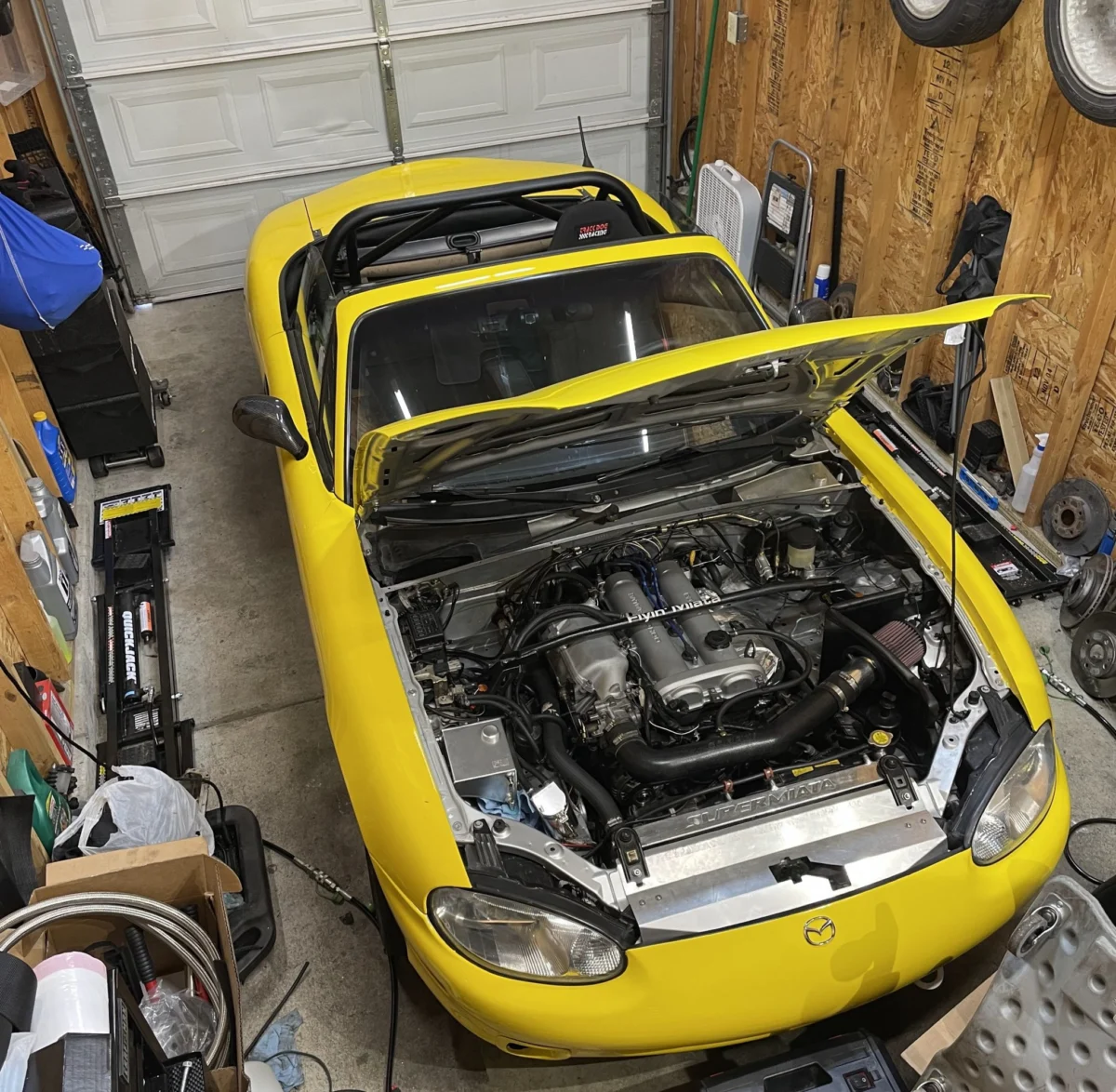
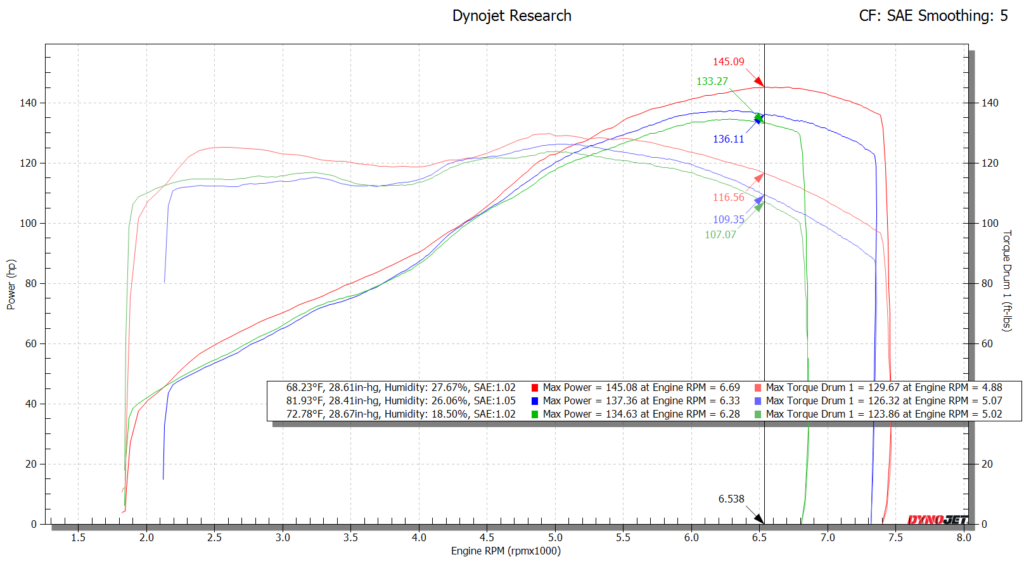
The 2025 racing season commenced with a rigorous evaluation of the vehicle’s power output. In March 2025, the vehicle was subjected to dynamometer testing to satisfy SCCA Mid-States Division (MiDiv) time trials classing requirements. The primary hardware modification for the 2025 season was the replacement of the "square top" intake manifold with a Skunk2 performance intake manifold. Testing conducted on a Dynojet system revealed a peak output of 145.09 wheel horsepower (whp) and 129.67 lb-ft of torque.
This represents a significant increase over the baseline performance recorded in previous years. Historical data indicates that the vehicle produced approximately 115 whp when equipped with the stock Electronic Control Unit (ECU). Subsequent modifications in 2023 and 2024 yielded 133.27 whp and 136.11 whp, respectively. While the owner noted potential variances between different dynamometer facilities, the 145 whp figure marks a nearly 26% increase in power over the stock configuration, illustrating the efficacy of the Skunk2 manifold and optimized ECU tuning in the 1.8-liter BP-series engine.
Structural Challenges and Component Failures
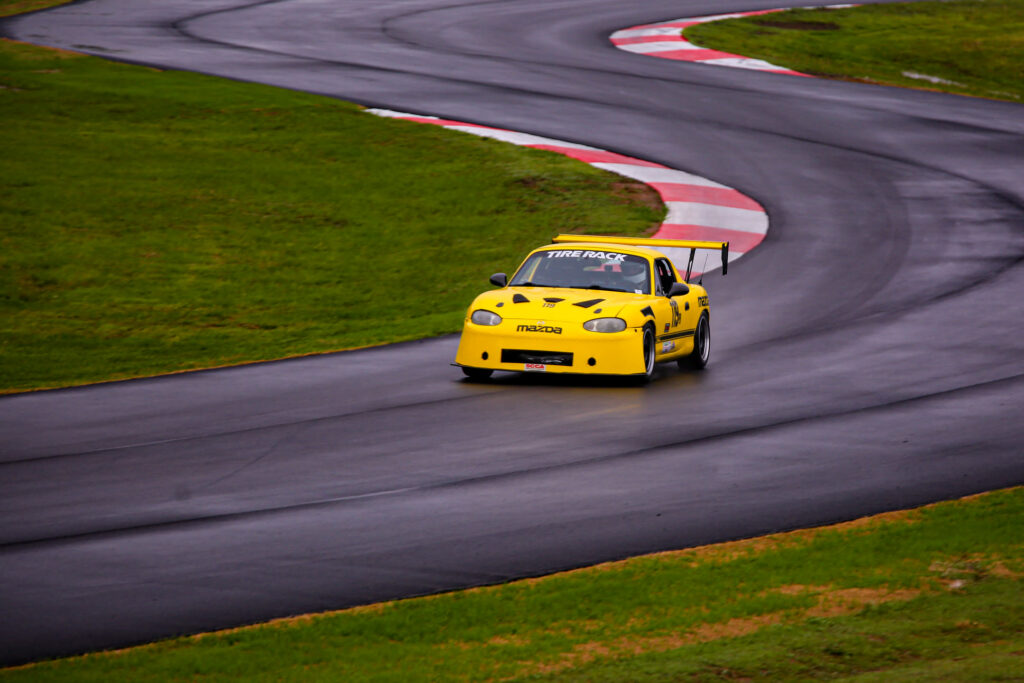
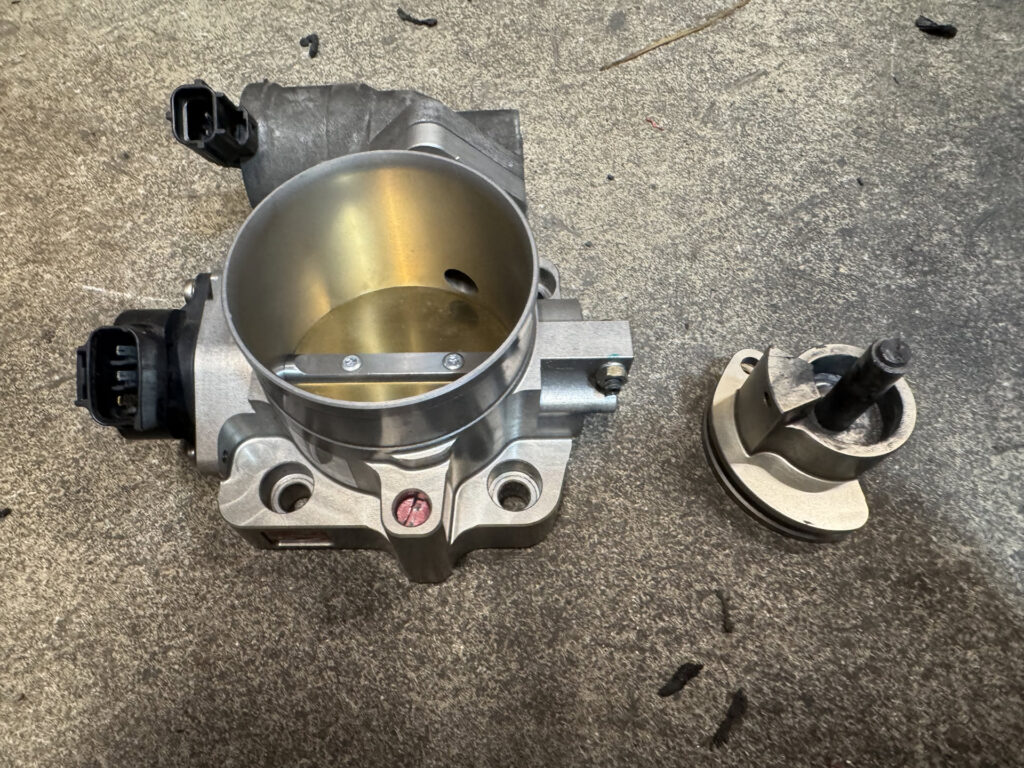
Despite the gains in power, the mid-season was characterized by recurring mechanical failures within the intake system. In May 2025, during a testing session at I29 Speedway, the vehicle experienced a failure of the throttle return spring on the Skunk2 throttle body. This failure posed a significant safety risk, as the throttle plate failed to close fully upon deceleration. Although temporary repairs allowed the vehicle to return to the paddock, the incident highlighted a vulnerability in aftermarket performance components when subjected to high-vibration racing environments.
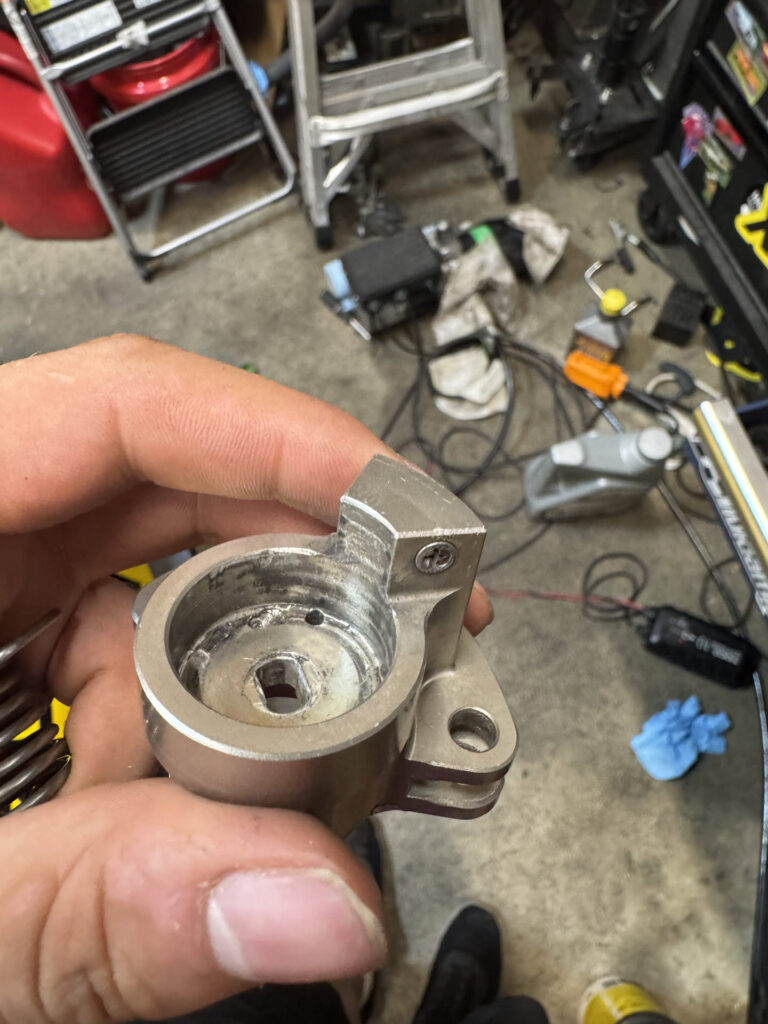
A more catastrophic failure occurred in August 2025 at High Plains Raceway. During a timed session, the throttle body shaft fractured completely, resulting in an immediate loss of power and requiring a professional tow from the circuit. These consecutive failures of the Skunk2 hardware prompted a strategic pivot in the vehicle’s engineering. For the remainder of the 2025 season, the vehicle was reverted to a factory Mazda throttle body to ensure finishing reliability while a more permanent electronic solution was developed.
Logistics and Maintenance Infrastructure
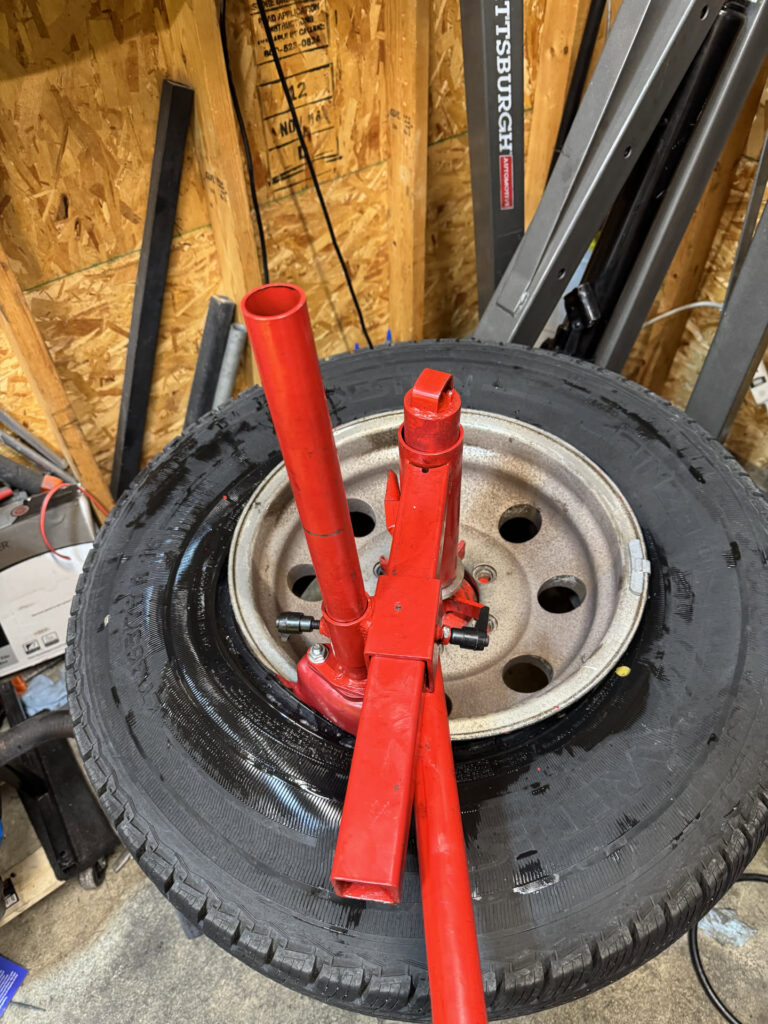
To mitigate the rising costs of professional track support, the 2025 season saw an investment in DIY maintenance infrastructure. In June 2025, the owner transitioned to in-house tire management by acquiring a manual tire changer and a bubble balancer. This move was prompted by the escalating labor rates at local tire service centers, which often exceeded the cost-benefit threshold for frequent 200-treadwear (200TW) tire replacements.
The implementation of a manual tire changer, augmented with a "duckhead" attachment to protect alloy rims, allowed for the processing of over 20 sets of tires within the year. Data suggests that the precision of DIY bubble balancing can meet or exceed the requirements of high-speed track use, provided the operator follows rigorous calibration steps. Furthermore, the vehicle’s transport system was upgraded in September 2025. The open car hauler was fitted with an E-track tie-down system, which secures the vehicle by its tires rather than the chassis. Engineering analysis shows that this method reduces the strain on the vehicle’s suspension during transit and eliminates the "loosening" effect commonly seen with traditional axle straps over long distances.
Electronic Modernization: Drive-by-Wire and Custom Wiring
The most significant technical advancement of the year took place in October 2025, when the vehicle’s entire engine wiring loom was decommissioned. The aging 25-year-old factory harness was replaced with a custom-built, modular engine wiring harness wired directly to an MS3Pro Evo ECU. This overhaul utilized Deutsch connectors for superior environmental sealing and a dedicated fuse/relay block to simplify the electrical architecture.
Parallel to the wiring overhaul was the conversion from a mechanical cable-actuated throttle to a Drive-by-Wire (DBW) system. This system incorporates:
- A Bosch 60mm electronic throttle body.
- A Honda-sourced accelerator pedal position (APP) sensor.
- An AMP EFI drive-by-wire controller.
The transition to DBW eliminates the mechanical failure points associated with throttle cables and return springs while allowing for more sophisticated throttle mapping and safety protocols within the ECU. To complement this, a Tinker Electronics digital dash was installed in November 2025. This unit interfaces with the MS3Pro via the Controller Area Network (CAN bus), providing the driver with real-time data on oil pressure, coolant temperature, ethanol content, and manifold air pressure. The integration of shift lights and programmable warnings for critical engine parameters serves as a vital safeguard against engine failure during high-stress competition.
Drivetrain and Handling Optimization
In the final quarter of the annual cycle, the focus shifted to the vehicle’s mechanical interface and power delivery. In December 2025, a Coolerworx short-throw shifter was installed to replace a previous aftermarket unit. The Coolerworx system features a stiff external return-to-center spring and a mechanical reverse lockout. These features are designed to prevent "money shifts"—accidental downshifts into the wrong gear—which are a common cause of engine over-revving in the NB Miata’s five-speed and six-speed transmissions.
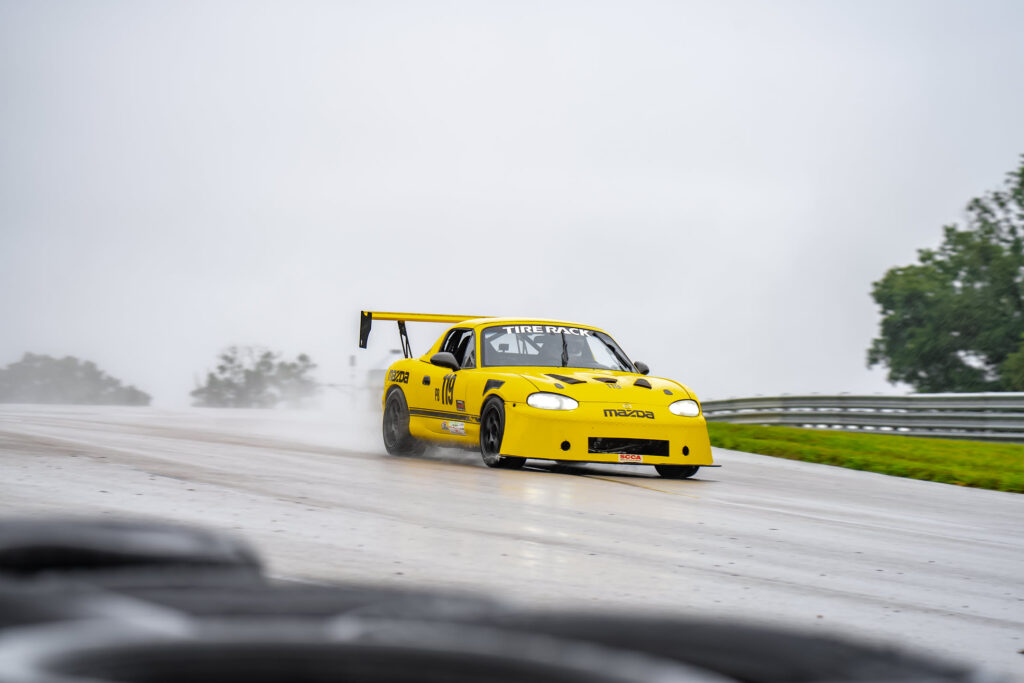
In January 2026, the vehicle’s Torsen Type II limited-slip differential was replaced with a Supermiata-tuned OS Giken clutch-type differential. While the Torsen unit is highly regarded for street use, it often fails to provide adequate traction when a rear wheel becomes unloaded during aggressive cornering or over curbing. The OS Giken unit, housed in a 4.30 ratio final drive, offers more predictable locking characteristics, allowing for earlier throttle application on corner exit. This upgrade is expected to be a primary driver of reduced lap times in the 2026 season.
Strategic Expansion and Seasonal Conclusion
The year concluded in February 2026 with the acquisition of a second NB Miata. This 2001 model, purchased for $1,800, serves as a "control" vehicle and a dedicated street platform. The acquisition allows for the continued development of the primary yellow track car without sacrificing the ability to conduct real-world testing of components on a street-legal chassis. Despite its "rough" initial condition, the second vehicle provides a rust-free shell equipped with a Variable Valve Timing (VVT) engine and a six-speed transmission, representing a high-value asset in the current enthusiast market.
The 2025 season summary reflects a high level of engagement with the platform:
- Total Laps Completed: 357
- Total Track Time: 10.9 hours
- Days on Circuit: 14
- Cumulative Statistics: 1,380 laps and 43.8 hours of track driving since the inception of the project.
While personal best (PB) lap times were infrequent in 2025 due to varying environmental conditions and the developmental nature of the year, the structural and electronic improvements have positioned the vehicle for a high-performance 2026 campaign. The transition from a modified street car to a purpose-built racing machine is now largely complete, with the focus moving toward fine-tuning the newly installed OS Giken differential and DBW throttle maps. The data gathered over these five years underscores the importance of holistic engineering—balancing power gains with reliability and logistical efficiency to sustain a long-term competitive program.