Cecilia Chamidah Nur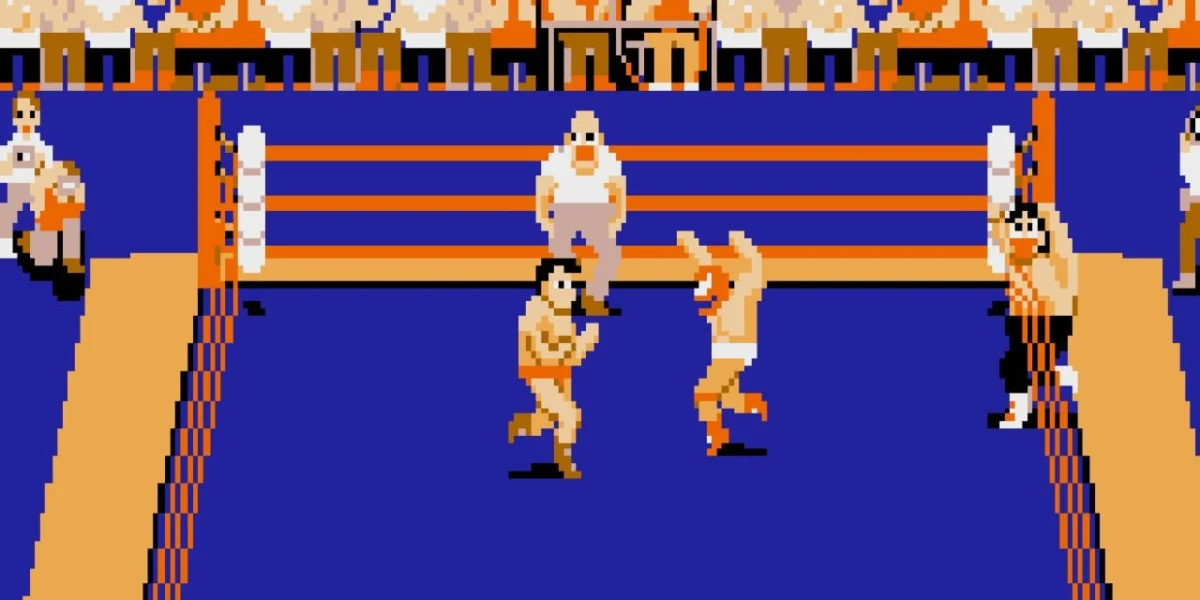
Hamster Corporation, a leading purveyor of classic arcade titles, is set to reintroduce Tag Team Wrestling to modern consoles this week, making the seminal 1983 arcade game available to a new generation of players. Scheduled for release on May 21st, 2026, the game, originally developed by Technos Japan and Data East, will arrive on Nintendo Switch, Nintendo Switch 2, PlayStation 4, PlayStation 5, and Xbox Series X|S through Hamster’s acclaimed Arcade Archives series. This release is particularly notable as Tag Team Wrestling, known as The Big Pro Wrestling! in Japan, is widely acknowledged as the inaugural wrestling video game, a foundational title that laid the groundwork for an entire genre.
A Pioneering Entry in Digital Grappling
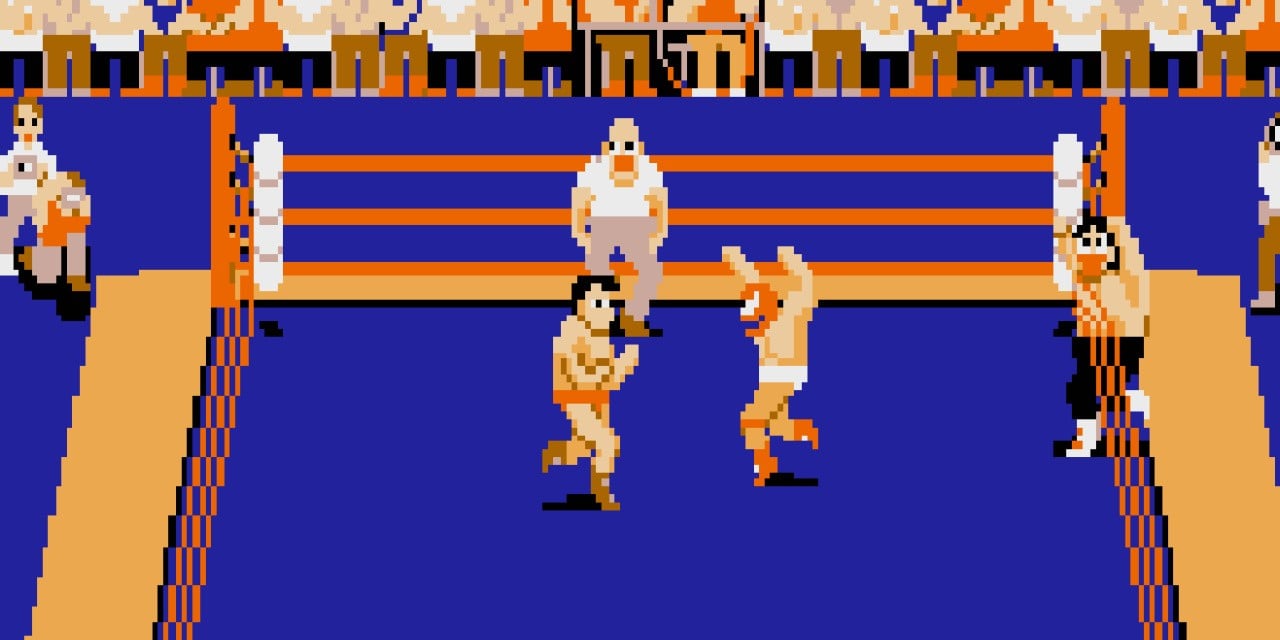
When Tag Team Wrestling first debuted in arcades in 1983, the video game landscape was still largely dominated by single-screen, high-score-driven experiences. Technos Japan and Data East ventured into uncharted territory by translating the spectacle and drama of professional wrestling into an interactive medium. Players were given control over a duo of "babyface" wrestlers—heroic figures in the wrestling world—distinguishable by their orange trunks. In the Japanese version, these characters were named Sunny and Terry, while their American counterparts were known as Spike and Jocko, reflecting a common practice of localization in the burgeoning international game market. The objective was clear: battle a succession of "heels" (villainous opponents) across various matches, ascend the ranks, and ultimately claim and defend the coveted world championship titles.
The game’s mechanics, while rudimentary by today’s standards, were innovative for its time. Players navigated a menu-based interface to select a variety of moves and holds, from basic punches and kicks to more elaborate grappling techniques. Crucially, the "tag team" element was central to gameplay, requiring strategic cooperation and timing to switch between partners. Adding to the realism and excitement, Tag Team Wrestling broke convention by allowing brawls to spill outside the ring, a feature that mirrored the chaotic nature of live professional wrestling. Furthermore, the potential for unexpected "run-ins" from other fighters added an unpredictable layer of challenge, forcing players to adapt on the fly. This blend of strategic depth and unexpected events contributed significantly to its initial appeal and cemented its status as a genre pioneer.
From Arcade Success to Home Console Reach
Upon its release, Tag Team Wrestling quickly garnered commercial success. According to reports from Game Machine, a prominent Japanese arcade industry publication, it emerged as the top-grossing new table arcade cabinet, signaling a strong demand for innovative gameplay experiences. This commercial validation spurred its transition to home computing and console platforms, expanding its reach beyond the arcade environment.
The game’s first major home port arrived in 1986 for Nintendo’s Famicom in Japan and later for the Nintendo Entertainment System (NES) in North America. This console adaptation was handled by Data East in conjunction with Sakata SAS. The NES release was particularly significant, marking Tag Team Wrestling as one of the earliest third-party games to reach North American consumers on Nintendo’s then-dominant console, a testament to its widespread recognition. Beyond Nintendo’s ecosystem, the game also found its way to personal computers, with Quicksilver Software porting it to the IBM PC, Commodore 64 (C64), and Apple II in the mid-to-late 1980s. These multi-platform releases underscored the game’s popularity and its foundational role in introducing professional wrestling simulations to a broad audience across various gaming systems.
Hamster’s Commitment to Preservation: The Arcade Archives Series
Hamster Corporation has established itself as a cornerstone of video game preservation through its Arcade Archives series. The initiative meticulously re-releases classic arcade titles, often with modern enhancements, ensuring their longevity and accessibility. Tag Team Wrestling is a fitting addition to this esteemed collection, offering contemporary players a direct link to the origins of the wrestling game genre.
The upcoming re-release will include several quality-of-life features designed to enhance the modern gaming experience while preserving the original arcade feel. These include various screen filters, allowing players to emulate the look of classic CRT monitors, and additional gameplay modes, though specific details on these new modes are typically unveiled closer to launch. Hamster’s dedication to authenticity is reflected in its official description of the game:
"The Big Excite Series finally begins!! ‘TAG TEAM WRESTLING’ is an action game released by Technos Japan in 1983. Enjoy the world of professional wrestling as you control the hero wrestler and aim to become world champion. Quick move selection and the skillful tag team work unique to tag matches are the keys to victory! Sometimes brawls spill out of the ring, and unexpected intruders might even show up!?"
Hamster employs a differentiated pricing strategy for its Arcade Archives titles, reflecting the capabilities of the target platforms. For the Nintendo Switch and PlayStation 4, Tag Team Wrestling will be priced at $7.99. Meanwhile, the versions for the newer generation consoles—PlayStation 5, Nintendo Switch 2, and Xbox Series X|S—will be available for $9.99 under the "Arcade Archives 2" designation. This slight price increase typically corresponds to the inclusion of slightly more advanced features, such as enhanced emulation accuracy, broader customization options, or deeper historical context within the game’s menus, catering to the expectations of current-gen hardware.
The Enduring Legacy of Technos Japan
Tag Team Wrestling was far from Technos Japan’s last foray into the wrestling genre; rather, it served as a vital precursor to a significant lineage of grappling titles. Just one year after its pioneering release, Technos Japan developed Shusse Ōzumō, a sumo-inspired wrestling game for the arcade. This was followed by other notable arcade wrestling games like Mat Mania (1985) and Mania Challenge (1986), further refining the mechanics and presentation of digital wrestling.
However, Technos Japan’s most widely recognized contributions to the genre came with its licensed World Wrestling Federation (WWF) titles. WWF Superstars (1989) and WWF Wrestlefest (1991) became arcade staples, celebrated for their vibrant graphics, recognizable roster of wrestling legends, and engaging gameplay. These titles, building upon the foundation laid by Tag Team Wrestling, demonstrated Technos Japan’s mastery of the genre and their ability to capture the essence of professional wrestling. Beyond wrestling, Technos Japan was a powerhouse in the arcade scene, responsible for creating iconic franchises such as Double Dragon and the Kunio-kun series, which includes Renegade and River City Ransom, solidifying its reputation as an innovator in the beat ’em up and action game genres. Data East, the co-developer of the original Tag Team Wrestling, also boasts a rich history, with a diverse portfolio that included arcade hits like Burgertime, Karate Champ, and Bad Dudes Vs. DragonNinja, underscoring its significant impact on the arcade golden age.
The Broader Context of 1980s Professional Wrestling and Gaming
The timing of Tag Team Wrestling‘s release was serendipitous, coinciding with a massive surge in the popularity of professional wrestling. The 1980s witnessed the "Rock ‘n’ Wrestling Connection" era, spearheaded by the World Wrestling Federation and larger-than-life personalities like Hulk Hogan. This period transformed wrestling from a regional spectacle into a national and international entertainment phenomenon, captivating audiences with its unique blend of athleticism, theatricality, and storytelling.
Video games, still a relatively nascent industry, quickly sought to capitalize on these burgeoning cultural trends. Tag Team Wrestling arrived at the perfect moment, offering fans a new way to engage with their beloved sport. It tapped into the fantasy of controlling powerful athletes and orchestrating dramatic victories. While early wrestling games were limited by technological constraints, they nonetheless provided a crucial interactive experience that foreshadowed the sophisticated wrestling simulations and fighting games that would emerge in subsequent decades. The game’s menu-driven move selection, while seemingly simplistic today, was an important step towards giving players agency over their character’s actions, moving beyond mere button mashing.
A Dual Release: Console Archives Introduces ‘Glory of Heracles’
In addition to Tag Team Wrestling, Hamster is also expanding its "Console Archives" series this week with the release of the 1987 Nintendo Famicom title, Toujinmakyouden Hercules no eikou, often translated as Legend of the Fighting Demon’s Lair: Glory of Heracles. This title will be available on May 21st for Nintendo Switch 2 and PlayStation 5, priced at $7.99 across both systems.
The Console Archives series differs from the Arcade Archives by focusing on home console releases rather than arcade originals. Glory of Heracles represents a significant addition to this collection, particularly as it was exclusively released in Japan during its original run. As such, the re-release will not include an English localization, preserving its historical context as a Japanese-only title and catering to enthusiasts of imported retro games. This dual release strategy by Hamster underscores its commitment to cataloging and preserving a wide spectrum of gaming history, from arcade cabinets to influential console titles.
Implications for Retro Gaming and Digital Libraries
The re-release of Tag Team Wrestling by Hamster is more than just a nostalgic trip; it carries significant implications for game preservation and the ongoing evolution of digital gaming libraries. By making such a historically important title accessible on current-generation platforms, Hamster ensures that its legacy is not lost to time or decaying hardware. This initiative allows gaming historians to study the origins of a genre, while younger players can experience the foundational mechanics that preceded modern, graphically intensive wrestling titles.
The sustained success of the Arcade Archives series, and similar retro gaming initiatives, highlights a robust market for classic titles. This market is driven by both seasoned gamers seeking to revisit their past and new players curious about the roots of their favorite genres. Furthermore, these re-releases contribute to a broader understanding of gaming’s cultural and technological development, illustrating how early limitations spurred creative solutions and how foundational ideas evolved over decades. As digital storefronts continue to grow as primary distribution channels, the systematic preservation efforts of companies like Hamster become increasingly vital in constructing a comprehensive, playable archive of video game history for generations to come. The return of Tag Team Wrestling is a celebration of this enduring legacy, inviting players to step into the digital ring and experience where it all began.