Chalid Lutfie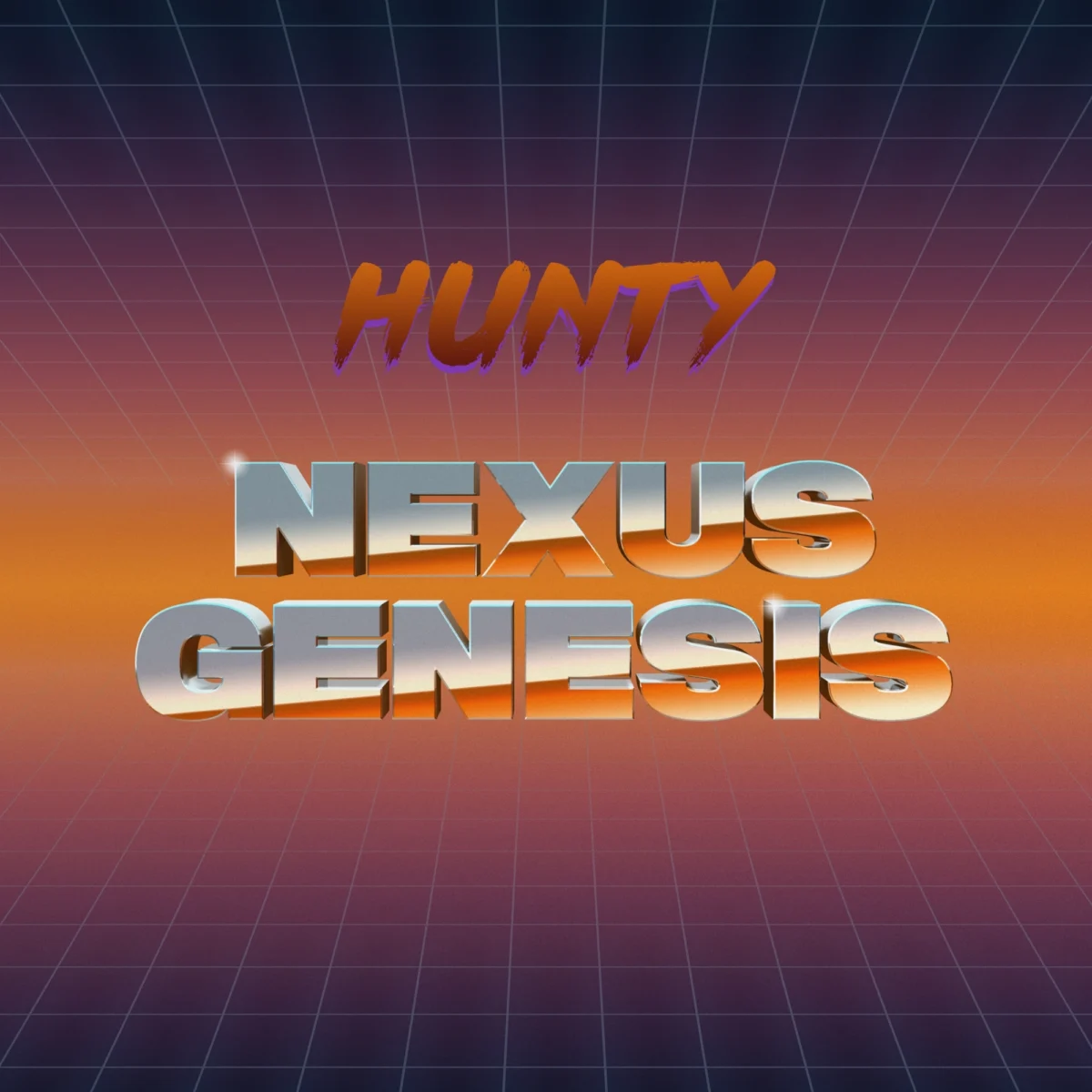
The independent music label Ubiktune has officially announced the release of Nexus Genesis, the debut album from composer Hunter Bridges, professionally known as Hunty. This release marks a significant milestone in the history of the Sonic the Hedgehog fan-game community, serving as the completed soundtrack for Sonic Nexus, a highly anticipated project that was ultimately discontinued following the professional recruitment of its core developers by SEGA. Nexus Genesis represents nearly a decade of composition, arrangement, and technical refinement, bridging the gap between amateur fan development and professional music production.
The Evolution of a Composer: From Alabama to the Digital Frontier
The musical trajectory of Hunter Bridges began long before his involvement with high-profile fan projects. Raised in Alabama, Bridges was immersed in a musical environment from a young age. His father, a performing musician, frequently hosted band rehearsals at the family home, providing Hunter with early exposure to professional musical equipment and the mechanics of live performance. By the age of six, Bridges began experimenting with instruments during his father’s rehearsals, showing a particular aptitude for the drums. This early curiosity led to formal percussion lessons and a foundational understanding of rhythm and structure that would later inform his digital compositions.

Parallel to his musical upbringing, Bridges was a product of the 8-bit and 16-bit gaming eras. The soundscapes of the Nintendo Entertainment System (NES), Super Nintendo (SNES), and Sega Genesis played a pivotal role in his creative development. He cites the soundtracks of Super Mario Bros. 3, Street Fighter II, Gauntlet IV, and specifically Sonic the Hedgehog 3 as primary influences. During his formative years, Bridges spent significant time utilizing the "Sound Check" menus of these titles, deconstructing the melodies and harmonies produced by the limited hardware of the time.
His transition into digital arrangement began in the early 2000s. During the era of dial-up internet, Bridges discovered VGMusic.com, a repository for MIDI transcriptions of video game music. By the sixth grade, he was contributing his own MIDI arrangements to the site, honing his ability to translate complex compositions into digital formats. This period of his life coincided with his discovery of the Sonic Fan Games HQ (SFGHQ) community in 2002, a hub for aspiring game developers, artists, and musicians dedicated to the Sonic the Hedgehog franchise.
The Genesis of Sonic Nexus
In 2006, the landscape of fan-made gaming was undergoing a shift. As broadband internet became more prevalent, developers moved away from limited MIDI files toward full-resolution waveform audio. It was during this summer that Brad Flick, known in the community as Slingerland, initiated the development of Sonic Nexus. Flick sought to create a game that captured the momentum and aesthetic of the original 16-bit Sonic titles while introducing modern design sensibilities.

Hunter Bridges was recruited as the project’s lead composer. At the time, Bridges was utilizing Fruity Loops 4 (now FL Studio) but quickly transitioned to Cubase to meet the higher production standards required for the project. Sonic Nexus gained rapid critical acclaim within the amateur development scene, earning praise during several iterations of the Sonic Amateur Games Expo (SAGE). The project was noted for its high-quality sprite work, fluid physics, and Bridges’ evocative score, which aimed to emulate the "New Jack Swing" and pop-rock influences found in the 1994 classic Sonic the Hedgehog 3.
The development team, known as Nexus Team, released three successful demos. However, the project eventually faced technical limitations inherent in the Sonic Worlds engine, a framework built within Multimedia Fusion. To overcome these hurdles, the team looked toward a new, custom-built solution that was gaining notoriety within the community: the Retro Engine.
The Retro Engine and the SEGA Connection
The Retro Engine was the creation of Christian Whitehead, known online as The Taxman. Whitehead had successfully reverse-engineered the physics and rendering logic of the original Sega Genesis Sonic games, creating an engine that allowed for pixel-perfect recreation and enhanced performance on modern hardware. In 2008, the Nexus Team began the process of migrating Sonic Nexus to Whitehead’s engine.

By 2010, the project had become a collaborative focal point for the community’s top talent. To maximize efficiency, Sonic Nexus merged with two other prominent fan projects—Retro Sonic and Sonic XG—into a unified development effort. However, the trajectory of the project changed permanently when Christian Whitehead produced a proof-of-concept video showing Sonic CD running on an iPhone.
This demonstration caught the attention of SEGA’s leadership. In an unprecedented move for the gaming industry at the time, SEGA opted to hire Whitehead to officially develop and release a remastered version of Sonic CD for modern platforms. This professional relationship eventually expanded to include remakes of Sonic the Hedgehog and Sonic the Hedgehog 2.
The professionalization of Whitehead and other team members created a delicate legal and ethical situation. To protect Whitehead’s burgeoning business relationship with SEGA and to respect the company’s intellectual property, the decision was made to cease development on Sonic Nexus. The game, which had been in development for four years and was among the most polished fan projects in existence, was effectively mothballed.

Technical Analysis: Recreating the FM Synthesis Sound
Despite the cancellation of the game, the music Bridges had composed remained a significant asset. Bridges felt a personal obligation to provide these compositions with a proper release, but he was dissatisfied with the "authenticity" of his earlier recordings. He sought to replicate the specific tonal qualities of the Yamaha YM2612 sound chip, the hardware responsible for the Sega Genesis’s distinct audio profile.
During his senior year of college, Bridges undertook an intensive study of FM (Frequency Modulation) synthesis. While many composers used "trackers" or emulated software to achieve a retro sound, Bridges sought a more versatile workflow that didn’t sacrifice the genuine grit and texture of 16-bit audio. In 2013, this research culminated in his release of the Sonic 3 & Knuckles FM8 Patch Collection. By meticulously recreating the instrument patches used by the original SEGA composers within Native Instruments’ FM8 software, Bridges provided himself and the wider community with the tools to produce modern music that was indistinguishable from authentic Genesis hardware output.
Nexus Genesis is the result of these years of technical refinement. The album features 22 tracks that have been re-recorded and polished using these custom FM8 patches. The tracks encompass the full range of a traditional Sonic game, including zone themes, boss music, and menu tracks. The project serves as a "love letter" to the original composers of the 16-bit era, such as Masato Nakamura and the internal SEGA Sound Team, while also serving as a tribute to the friendships formed during the development of Sonic Nexus.

Industry Implications and the "Fan-to-Pro" Pipeline
The release of Nexus Genesis and the history of its parent project highlight a growing trend in the interactive entertainment industry: the fan-to-professional pipeline. The transition of Christian Whitehead and Brad Flick from the amateur SFGHQ community to official roles within SEGA (and later other major studios) demonstrates the value of fan projects as modern-day portfolios.
For the music industry, Bridges’ release on Ubiktune illustrates the viability of "tribute" or "spirit-successor" soundtracks. While the game Sonic Nexus may never see a final release, the cultural and artistic value of its music remains high. Ubiktune, a label known for its focus on chip-inspired and video game-related music, provides a platform for these works to be recognized as standalone artistic achievements rather than mere background assets for a defunct software project.
The visual identity of the album also reflects this professional standard. The cover art, designed by Daniel Warner Smith, captures the vibrant, "blue sky" aesthetic associated with the Sonic franchise’s peak years, further cementing the album’s status as a high-quality production.

Legacy of the Sonic Nexus Project
As of August 2015, the release of Nexus Genesis provides a sense of closure for a community that had followed the development of Sonic Nexus for nearly a decade. While the "game-that-never-was" remains a piece of digital folklore, its influence persists through the professional successes of its creators and the high-fidelity audio experience now available to the public.
The album stands as a testament to the dedication of amateur creators who, through years of self-taught technical skill and community collaboration, have reached a level of proficiency that rivals the industry’s established standards. For Hunter Bridges, Nexus Genesis is the fulfillment of a promise made during his college years—a final, polished realization of the themes that defined his early career.
The project also serves as a case study in intellectual property management. The decision by the Nexus Team to dissolve the project in favor of protecting professional opportunities shows a mature understanding of the industry, contrasting with other fan projects that have faced aggressive "cease and desist" orders. By pivoting from a fan game to a standalone musical release, Bridges has preserved the creative output of the project in a format that respects the original IP while celebrating the community’s contributions to the Sonic legacy.