Farhan hamdan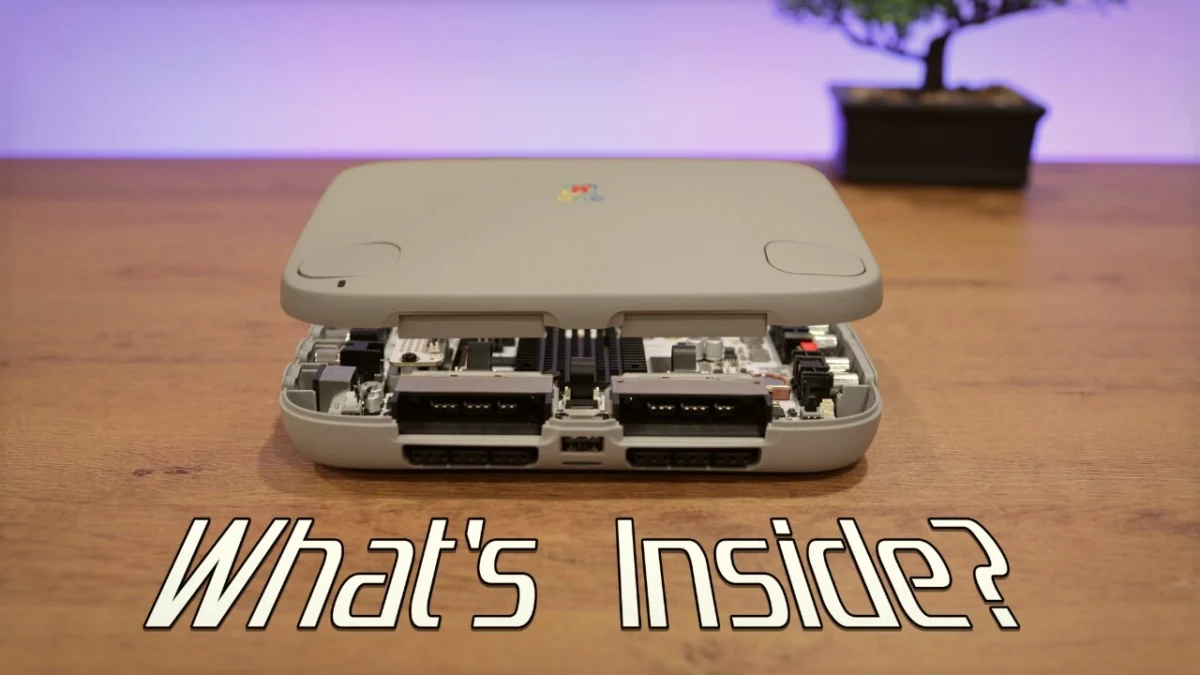
A comprehensive technical teardown and analysis of RetroRemake’s SuperStation One (SSOne) has been published by Ken from the acclaimed YouTube channel "What’s Ken Making," offering an unprecedented look into the device’s internal architecture and addressing a crucial user-reported issue. The detailed examination, which includes an in-depth exploration of the SSOne’s circuitry, component chips, and analog video signal pathways, culminates in the identification and provision of a cost-effective solution for a common NFC antenna deficiency affecting newer units. This highly anticipated video provides invaluable insights for enthusiasts seeking to understand the intricate operations of their retro gaming hardware, as well as a practical fix for an inconvenient operational hurdle.
The MiSTer Ecosystem: A Foundation of Fidelity
To fully appreciate the significance of Ken’s analysis, it is essential to understand the context of the MiSTer FPGA project and its role in the modern retro gaming landscape. The MiSTer FPGA (Field-Programmable Gate Array) is an open-source hardware project that leverages powerful FPGA chips to re-create the original hardware logic of classic video game consoles, arcade machines, and computers at a fundamental, gate-level. Unlike software emulation, which simulates hardware behavior, FPGA recreation effectively becomes the original hardware, offering unparalleled accuracy, minimal latency, and an authentic retro experience. This dedication to hardware-level fidelity has garnered a massive following among retro gaming purists and preservationists.
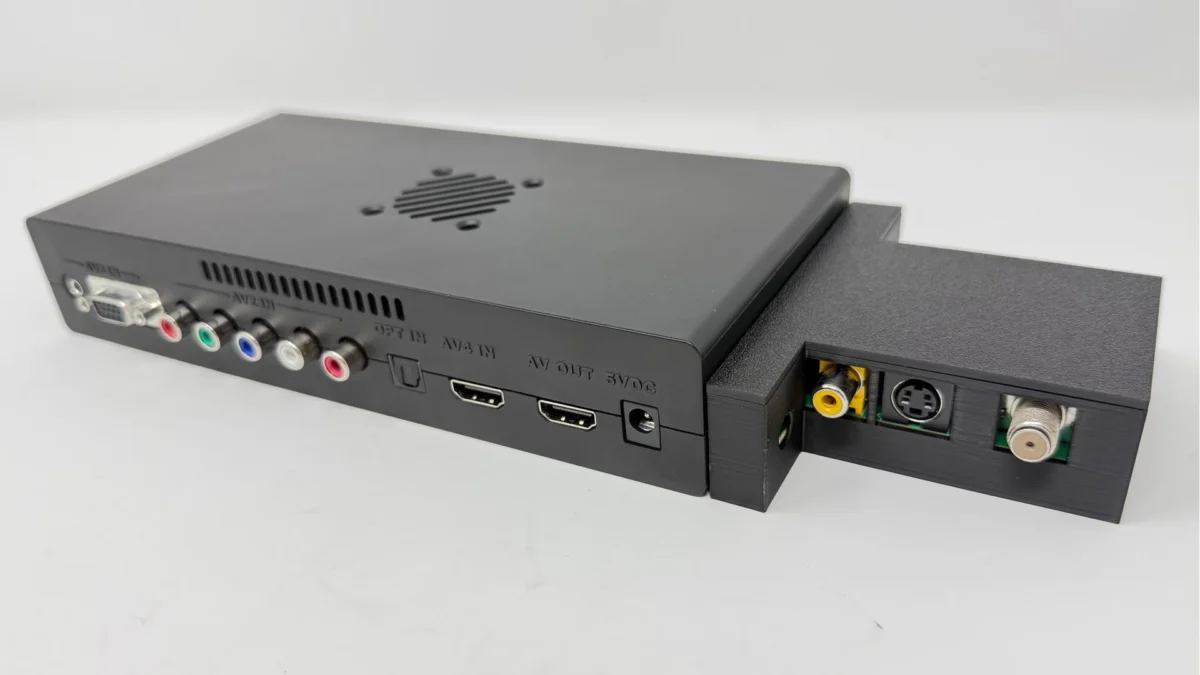
The SuperStation One, developed by RetroRemake, is a premium accessory board designed to enhance the MiSTer FPGA experience. It typically integrates various functionalities such as analog video output, advanced audio solutions, and other quality-of-life improvements that transform a standard MiSTer setup into a more complete, console-like system. RetroRemake has established itself as a reputable developer of high-quality MiSTer peripherals, known for their attention to detail and commitment to the retro gaming community. Products like the SSOne are designed to bridge the gap between modern digital displays and the classic analog aesthetics cherished by many, often featuring components that convert digital FPGA signals into various analog formats like Composite, S-Video, and Component video.
Ken’s Deep Dive: A Methodical Approach to Hardware Analysis
Ken, from "What’s Ken Making," has built a strong reputation within the retro tech community for his meticulous and technically rigorous teardowns and analyses. His content often delves into the engineering decisions, component choices, and operational nuances of various retro gaming hardware, providing an educational resource that goes far beyond surface-level reviews. His latest video on the SSOne exemplifies this approach, offering a methodical investigation into the device’s core functionalities.
The teardown commenced with a comprehensive visual inspection of the SSOne board, identifying key integrated circuits (ICs) and discrete components. Ken systematically traced circuit pathways, explaining the role of various chips in processing power, managing data, and, critically, handling video and audio signals. This granular level of detail is crucial for both advanced users looking to troubleshoot or modify their devices and for those simply curious about the engineering marvels that power their retro gaming experiences. The video serves as an invaluable reference, dissecting the design philosophy behind the SSOne and validating its claims of delivering a premium MiSTer experience.
Critical Discovery: Addressing the NFC Antenna Deficiency
Among the most significant revelations from Ken’s teardown was the identification of a specific hardware deficiency affecting newer iterations of the SuperStation One: an underpowered Near Field Communication (NFC) antenna. This issue directly impacts the device’s ability to reliably read Zaparoo cards, which are utilized for various functionalities within the MiSTer ecosystem, such as game loading, configuration profiles, or other interactive elements that leverage NFC technology. For users who rely on these features, the inability to consistently read Zaparoo cards presents a notable impediment to their gaming experience, diminishing the utility of a premium accessory.

The Zaparoo Card Conundrum
Zaparoo cards represent an innovative method of interaction within the MiSTer community, allowing users to quickly load specific cores, game ROMs, or settings by simply tapping a physical card against an NFC reader. This tactile interaction adds a layer of convenience and nostalgia, reminiscent of physical media cartridges. When the NFC antenna is insufficient, users experience inconsistent card recognition, leading to frustration and undermining the intended seamlessness of the Zaparoo system. This is particularly problematic for a device positioned as a premium enhancement, where reliability and functionality are paramount. The initial reports from users regarding inconsistent NFC performance had previously been anecdotal, but Ken’s analysis provided concrete technical validation for the underlying cause.
A Cost-Effective Community Solution
In a testament to his commitment to practical solutions, Ken not only diagnosed the problem but also identified a readily available and remarkably affordable replacement part. He pinpointed a Molex 1462360031 NFC antenna, available through distributors like DigiKey for approximately $3, as a direct and effective remedy. This discovery is a game-changer for affected SSOne owners, offering an accessible path to restore full NFC functionality without requiring complex modifications or expensive professional repairs. The low cost and widespread availability of the replacement part mean that users with basic soldering skills can implement the fix themselves, empowering the community to resolve a significant hardware limitation independently. This highlights the symbiotic relationship between community-led technical analysis and user empowerment in the niche hardware market.
Mastering Analog: Decoding the Video Signal Pathways
A cornerstone of Ken’s analysis, and a particular area of interest for the original article’s author, was the deep-dive into the SSOne’s analog video signal generation. The ability to output high-quality analog video is a critical feature for many retro enthusiasts who prefer playing on authentic Cathode Ray Tube (CRT) televisions, which offer a distinct visual aesthetic and zero input lag often associated with classic gaming. Ken meticulously detailed the two distinct methods by which the SSOne generates Composite and S-Video signals, controlled by DIP switch #3 on the device.
DIP Switch #3: Two Philosophies of Video Output
The SuperStation One provides users with a crucial choice via DIP switch #3, effectively offering two different approaches to analog video generation. This flexibility underscores RetroRemake’s consideration for diverse user preferences and technical requirements.
-
Up/FPGA Position (MikeS FPGA Code): When DIP switch #3 is set to the "Up" or "FPGA" position, the MiSTer FPGA itself is tasked with generating the Composite and S-Video signals. This is achieved through the implementation of the "MikeS FPGA code," a widely recognized and highly regarded development within the MiSTer community. The MikeS code, first introduced several years ago, allows the MiSTer’s FPGA to directly synthesize analog video signals from its digital output. This method ensures maximum accuracy to the original digital source generated by the FPGA core, as the analog conversion happens directly within the FPGA’s programmed logic. For purists, this often represents the "cleanest" possible analog output, as it bypasses additional external conversion stages that could introduce minor signal degradation.
-
Down Position (Sony Video Encoder): Conversely, when DIP switch #3 is set to the "Down" position, the SSOne leverages a dedicated Sony video encoder chip onboard the accessory board. In this configuration, the MiSTer outputs an RGB (Red, Green, Blue) signal, which is then fed into the Sony encoder. The encoder subsequently converts this RGB signal into Composite and S-Video formats. This method mirrors how many classic retro consoles generated their analog video signals, where an internal chip would convert the console’s native RGB output into more common analog formats for television compatibility. While potentially introducing a minuscule amount of processing compared to the direct FPGA generation, this approach can sometimes yield a slightly softer, more "period-correct" analog aesthetic that some enthusiasts prefer, aligning closely with the visual characteristics of original console outputs on CRTs.
Implications for Retro Enthusiasts
The existence of these two distinct analog video pathways presents users with a nuanced choice. The MikeS FPGA code offers unparalleled accuracy and direct digital-to-analog conversion, often preferred for its pristine signal integrity. The Sony video encoder, on the other hand, provides a conversion method akin to original hardware, potentially appealing to those seeking a more authentic vintage look. Ken’s detailed analysis, particularly his examination of the actual analog waveforms, is instrumental in helping users understand the subtle differences and make an informed decision based on their display equipment and aesthetic preferences. The original author of the news post specifically highlighted this aspect as their favorite part of Ken’s video, emphasizing its importance to the retro video community. While the advantages and disadvantages of each method are complex enough for a separate, dedicated discussion, Ken’s clarification provides foundational knowledge for this ongoing debate.
Architectural Insights: Beneath the Surface
Beyond the headline-grabbing NFC fix and the detailed video analysis, Ken’s teardown provided a wealth of information regarding the SSOne’s overall design and component selection. He meticulously examined the power delivery systems, ensuring stable voltage rails for the sensitive FPGA and video processing components. The analysis also touched upon the choice of passive components, signal routing, and potential noise mitigation techniques employed by RetroRemake. This level of scrutiny not only validates the quality of the SSOne’s engineering but also educates the community on best practices in hardware design. Understanding the types of microcontrollers, voltage regulators, and signal conditioning circuits employed helps users appreciate the complexity involved in creating a high-performance MiSTer accessory.

Community Reaction and Manufacturer’s Role
The immediate reaction from the retro gaming community to Ken’s video has been overwhelmingly positive. Users expressed gratitude for the transparent and technically robust analysis, particularly for the clear identification and solution to the NFC antenna problem. Such community-driven technical investigations are vital in specialized hardware niches, fostering trust and empowering users.
While RetroRemake has not yet issued an official statement regarding Ken’s findings, the implications for the manufacturer are significant. The identification of a hardware flaw, even a relatively minor and easily fixable one, presents an opportunity for product refinement. RetroRemake could potentially acknowledge the issue, incorporate the recommended antenna into future production runs, or even offer a low-cost replacement kit to existing owners. Proactive engagement with such community feedback not only enhances product quality but also strengthens customer loyalty and reputation within a highly discerning market. The fact that the issue was identified and a solution provided by a community member underscores the collaborative spirit inherent in the MiSTer ecosystem.
Looking Forward: The Future of SuperStation One Development
Ken’s analysis also ventured into forward-looking considerations for the SuperStation One, echoing a sentiment shared by the original article’s author: the potential for a more streamlined, HDMI-only variant.
The Case for an HDMI-Only Variant
The current SSOne is positioned as a comprehensive solution, offering both advanced analog and digital (HDMI) video outputs. However, with the increasing prevalence of modern digital displays and a segment of users who may not possess or desire CRT televisions, the analog video circuitry adds to the complexity and, consequently, the cost of the device. An HDMI-only version would allow RetroRemake to:
- Reduce Production Costs: Eliminating dedicated analog video encoders, output ports, and associated circuitry would significantly lower the bill of materials (BOM) and manufacturing complexity.
- Broaden Market Appeal: A lower price point would make the SSOne more accessible to a wider audience, including those new to MiSTer or operating on a tighter budget. Many users are perfectly content with modern HDMI displays and do not require analog output.
- Simplify Design: A focused design could potentially lead to a smaller form factor or allow for the integration of other features within the same footprint.
Balancing Innovation and Accessibility
The suggestion for an HDMI-only variant highlights a common challenge for niche hardware developers: balancing feature richness with affordability and market reach. While the current SSOne caters to the high-end enthusiast desiring every possible output option, a more modular approach—offering both a full-featured version and a more economical, digitally-focused alternative—could strategically expand RetroRemake’s market presence. The original article’s author expressed hope that RetroRemake would consider this option once current stock and order backlogs are resolved, signaling a clear demand within the community for such a product diversification. This strategic consideration could ensure the SuperStation One remains competitive and relevant in an evolving market where both historical accuracy and modern convenience are highly valued.
Conclusion: A Testament to Collaborative Progress
Ken’s in-depth technical analysis of the RetroRemake SuperStation One stands as a significant contribution to the retro gaming hardware community. It not only demystifies the intricate workings of a premium MiSTer accessory but also provides a tangible, cost-effective solution to a critical user experience issue. The video underscores the invaluable role of independent technical analysis in fostering transparency, empowering users, and driving product improvement within specialized technology sectors. As the MiSTer FPGA project continues to grow, such collaborative efforts between hardware manufacturers, technical analysts, and the broader user community will remain essential for ensuring the longevity, fidelity, and accessibility of retro gaming for generations to come. The SuperStation One, enhanced by these community insights, continues to solidify its position as a vital component in the pursuit of the ultimate retro gaming experience.