Retno Hari Mulyono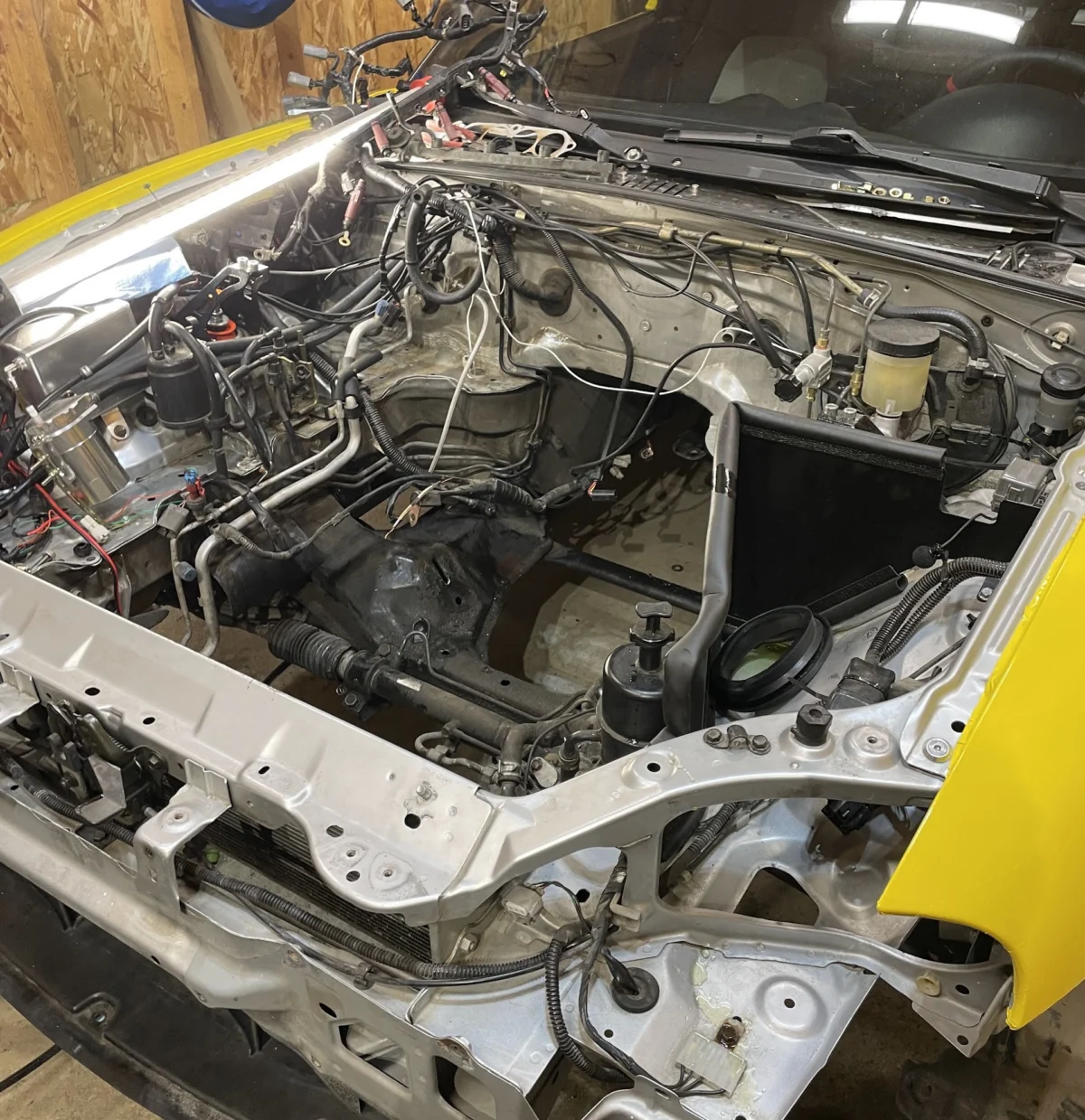
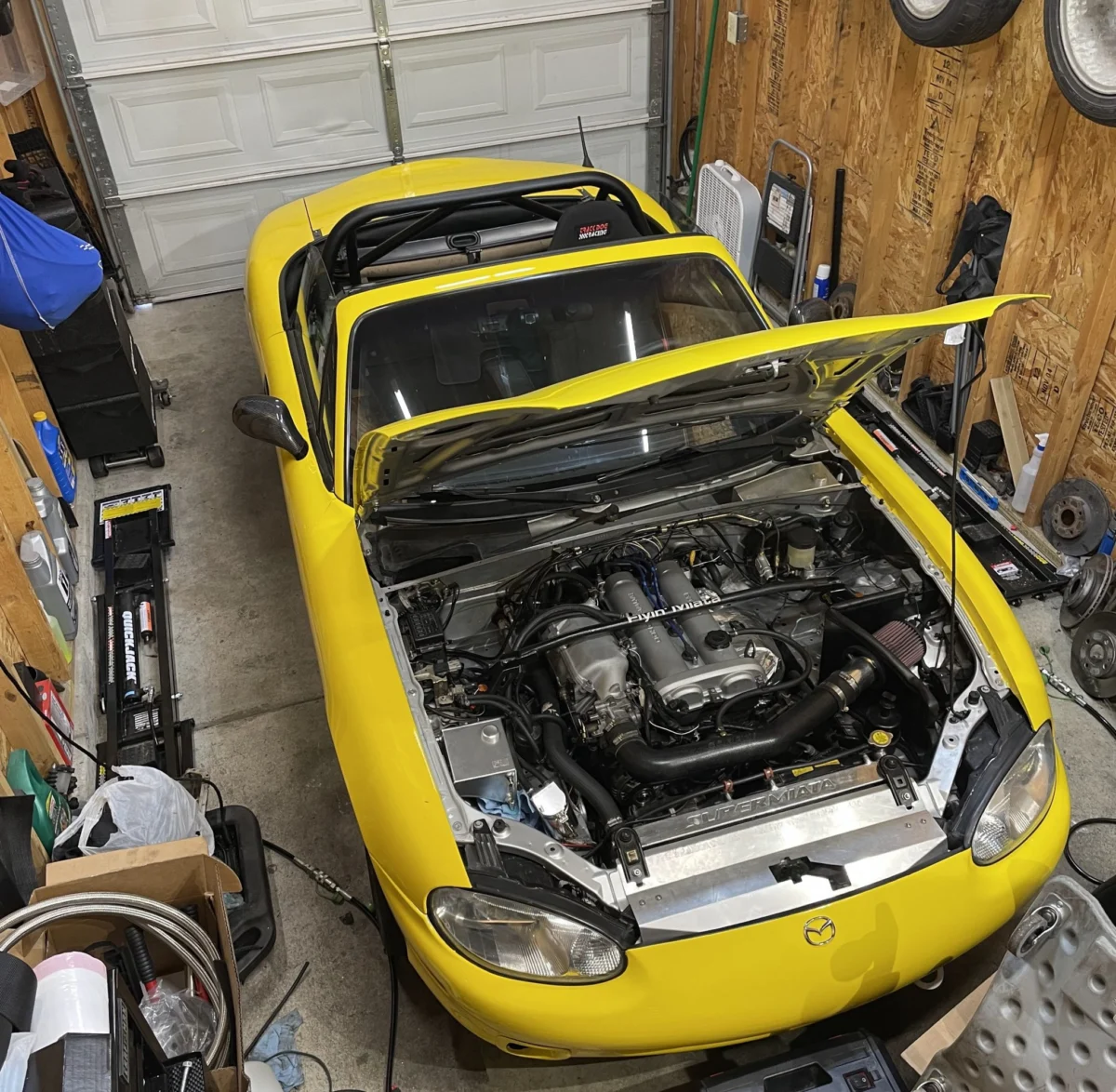
The maintenance and restoration of second-generation Mazda MX-5 Miatas, known internally as the NB platform, have become a cornerstone of the modern enthusiast market, particularly as these vehicles transition from budget-friendly roadsters to appreciating modern classics. For owners of the 1998–2005 models, the decision to undergo a complete engine extraction is rarely driven by a single mechanical failure, but rather by the accumulation of "lingering issues" that, when addressed collectively, justify the labor-intensive process of pulling the powertrain. This technical report examines a comprehensive winter overhaul of an NB Miata, detailing the mechanical interventions, performance upgrades, and the subsequent diagnostic challenges encountered during the project.
The Strategic Rationale for Engine Extraction
While the Mazda BP-series engine is celebrated for its robust iron block and relatively simple architecture, it is susceptible to various age-related fluid leaks and thermal inefficiencies. In professional automotive restoration, the "sum of parts" logic often dictates that if a rear main seal, an oil pan, and a clutch all require attention, a full engine removal is more efficient than performing these tasks incrementally with the engine in situ.
The primary drivers for this specific overhaul included chronic oil loss from the rear main seal, a compromised oil pan drain plug, and the desire to upgrade the drivetrain for track-oriented use. By removing the engine and transmission as a single unit, technicians and hobbyists alike gain 360-degree access to the block, ensuring that sealing surfaces are meticulously cleaned—a critical factor in preventing future leaks.
Technical Chronology of the Powertrain Removal
The extraction of the 1.8-liter BP-ZE engine (or the BP-4W found in 1999–2000 models) is a documented procedure that requires an engine hoist and a systematic approach to the vehicle’s electrical and cooling interfaces.
- Preparation and Disconnection: The process began with the draining of all fluids, followed by the removal of the radiator, air intake, and exhaust manifold. The wiring harness, which connects to various sensors including the Crankshaft Position (CKP) and Camshaft Position (CMP) sensors, was carefully labeled and detached.
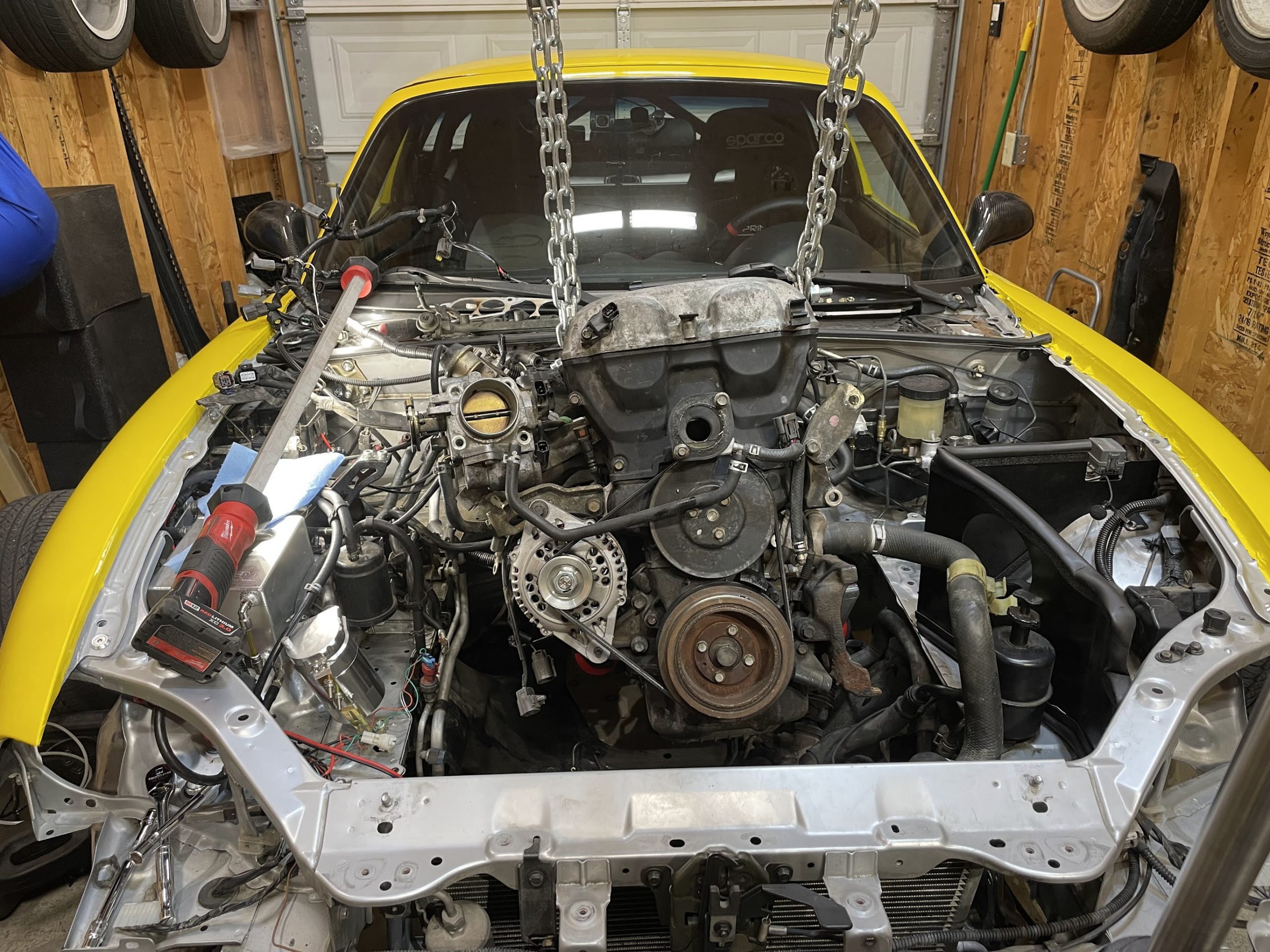
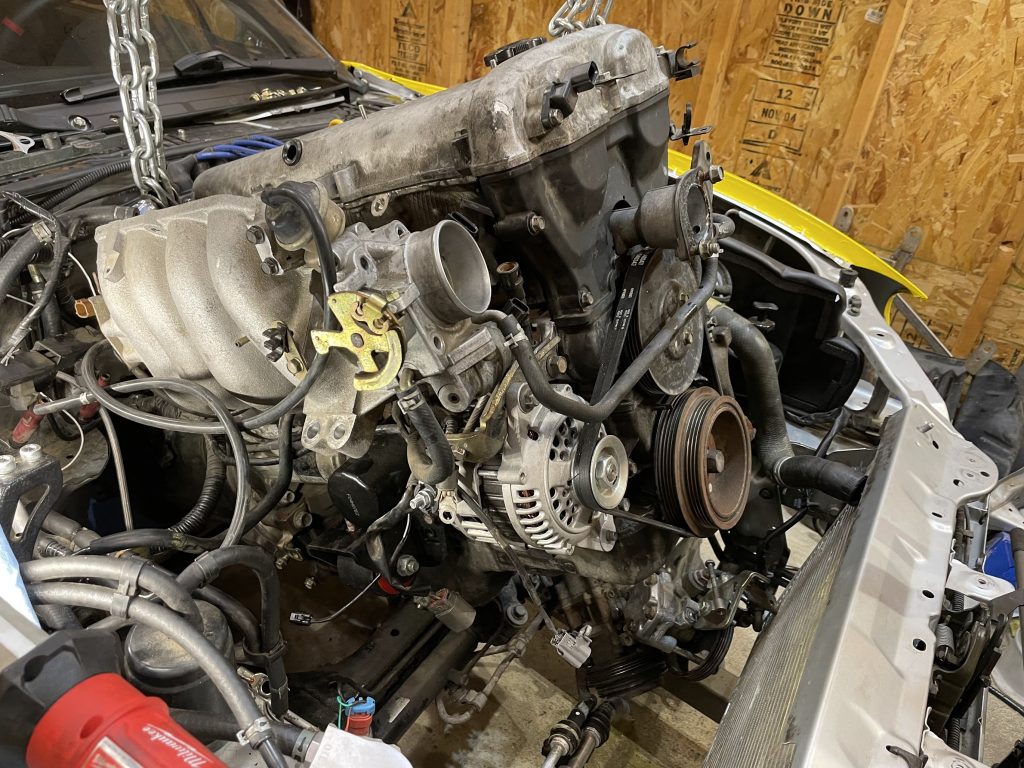
- Assembly Extraction: Unlike some platforms where the engine is separated from the transmission inside the engine bay, the NB Miata allows for the entire assembly to be tilted and lifted through the top of the engine bay. This requires the removal of the gear shifter from the interior and the disconnection of the driveshaft from the transmission output shaft.
- Alignment and Safety: Reinstallation, often the more difficult phase, required precise alignment to ensure the engine mounts seated correctly. Technical data suggests that ensuring the engine is balanced at a 45-degree angle during the initial entry into the bay significantly reduces the risk of damaging the firewall or the heater core outlets.
Addressing Critical Sealing Points and Oil Retention
A primary objective of the overhaul was the mitigation of oil leaks, a common malady for high-mileage BP engines. Mazda’s design, while reliable, shares certain sealing vulnerabilities with the classic British roadsters it was designed to emulate.
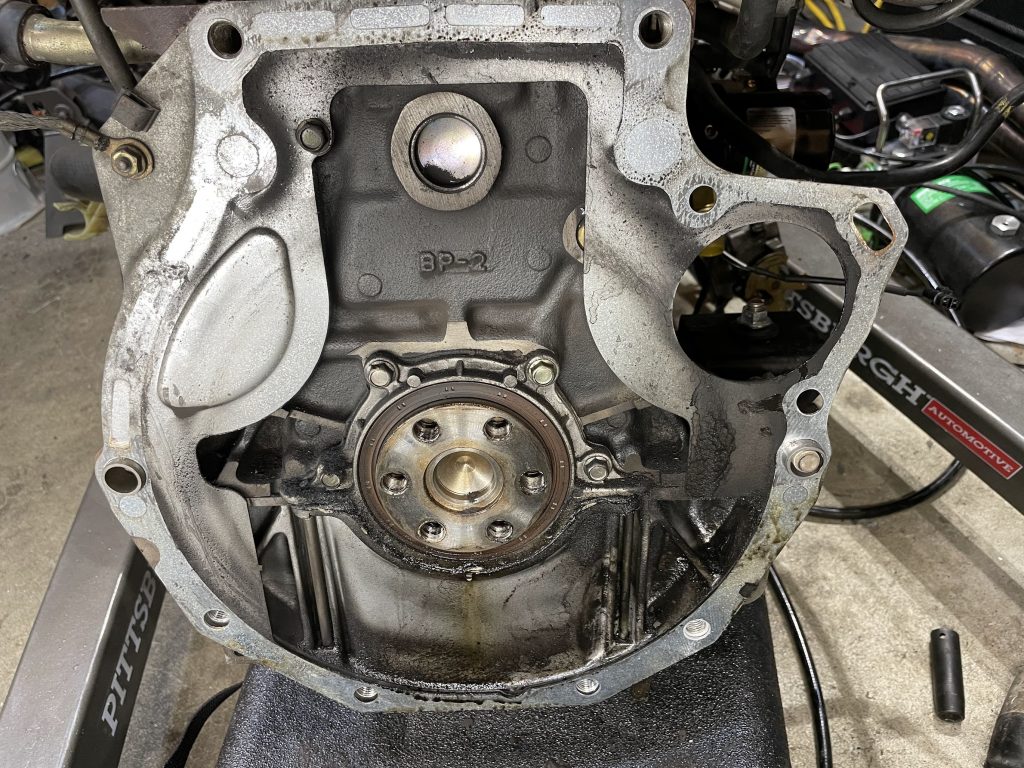
The project focused on the rear main seal, which is located behind the flywheel. To ensure a leak-free result, a specialized installation tool from Flyin’ Miata was utilized. This tool ensures the seal is pressed to a specific depth—preventing it from being seated too shallowly or too deeply, both of which can lead to immediate failure upon pressurized operation.
Beyond the rear main seal, the overhaul addressed:
- The Half-Moon Seals: Located at the front and rear of the oil pan.
- The Valve Cover Gasket: A frequent point of failure due to heat cycling.
- Transmission Seals: Both the input and output shaft seals were replaced, addressing a noted leak at the rear output shaft that had previously contaminated the underside of the chassis.
Drivetrain Enhancements: Clutch and Flywheel Integration
Given the labor involved in accessing the clutch, the decision was made to replace the factory components with performance-oriented hardware. The selection of the Supermiata Sport Clutch and a 9lb aluminum flywheel represents a calculated move toward track-readiness.
Performance Data Analysis:
- Clutch Capacity: The Supermiata organic sport clutch is designed to handle significantly higher torque loads than the stock unit, often rated for up to 200 lb-ft, while maintaining a pedal feel comparable to OEM specifications.
- Rotational Mass: The transition from a heavy factory steel flywheel to a 9lb aluminum unit significantly reduces rotational inertia. This allows the engine to rev more freely, facilitating faster "rev-matching" on downshifts—a critical skill for maintaining vehicle balance during spirited or competitive driving.
Initial testing revealed that while the clutch required a brief "break-in" period of approximately 500 miles, the engagement became increasingly linear. However, the presence of an organic "burn" smell during the initial miles highlighted the importance of proper friction surface mating.
Correcting Structural Failures: The Oil Pan Replacement
The NB Miata’s aluminum oil pan is notoriously fragile regarding its drain plug threads. In this instance, a previous owner had stripped the threads and utilized a conical "repair" plug. During the engine’s absence from the bay, a replacement pan was sourced and installed.
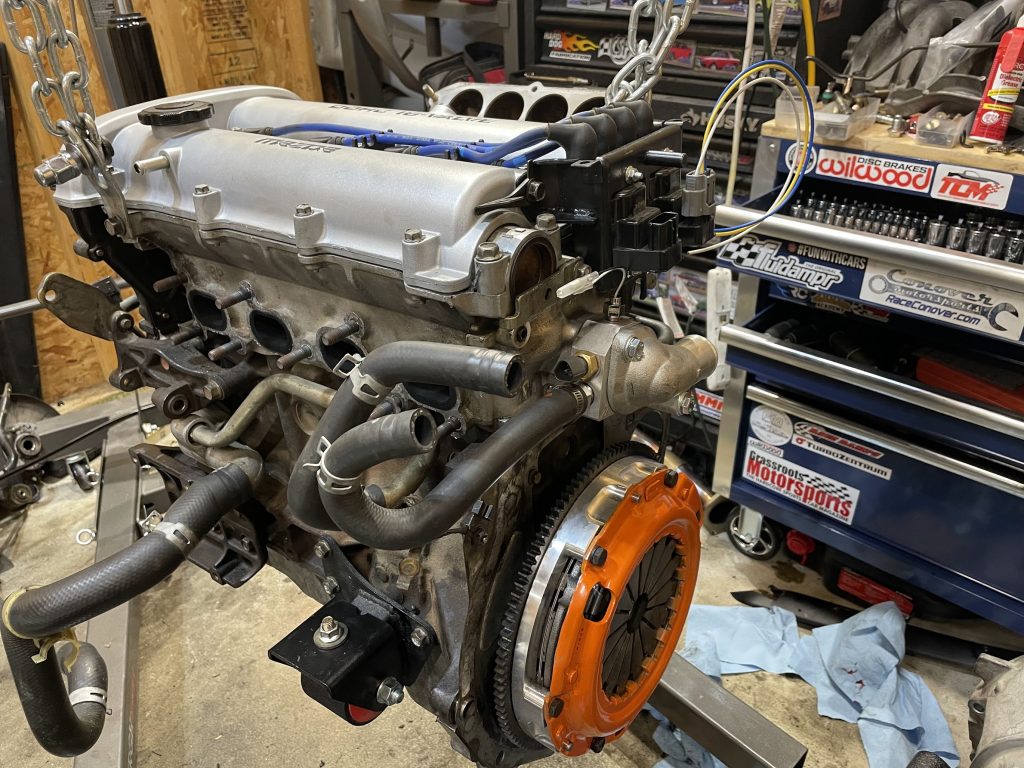
This procedure is technically demanding due to the presence of a windage tray (baffle plate) sandwiched between the block and the pan. The use of Room Temperature Vulcanizing (RTV) silicone is required on both sides of this plate. A critical failure occurred during this phase when a small crack was discovered on the front oil pan flange after reinstallation. While temporarily mitigated with industrial-grade epoxy, this highlights the fragility of cast aluminum components and the risks associated with high-torque fasteners in vintage engines.
Thermal Management: The Coolant Reroute Strategy
One of the most significant engineering oversights in the Miata’s B-series engine is its cooling path. Originally designed for transverse mounting in front-wheel-drive vehicles (like the Mazda 323), the engine’s coolant flow was optimized for a different orientation. When converted to longitudinal mounting for the Miata, the thermostat was moved to the front, causing the rear cylinders (particularly cylinder 4) to run significantly hotter than the front.
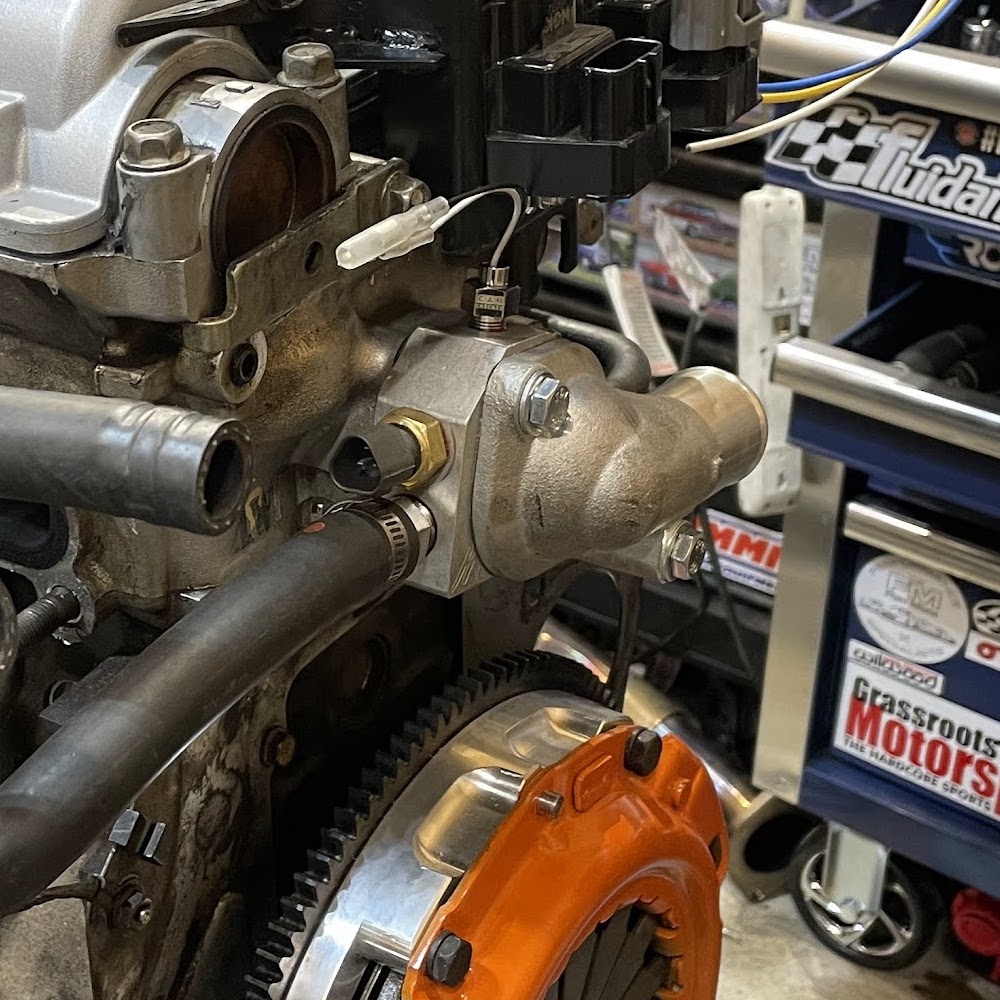
The installation of a Hawley Performance coolant reroute kit serves to move the thermostat back to the rear of the head, forcing coolant to travel through the entire length of the engine block.
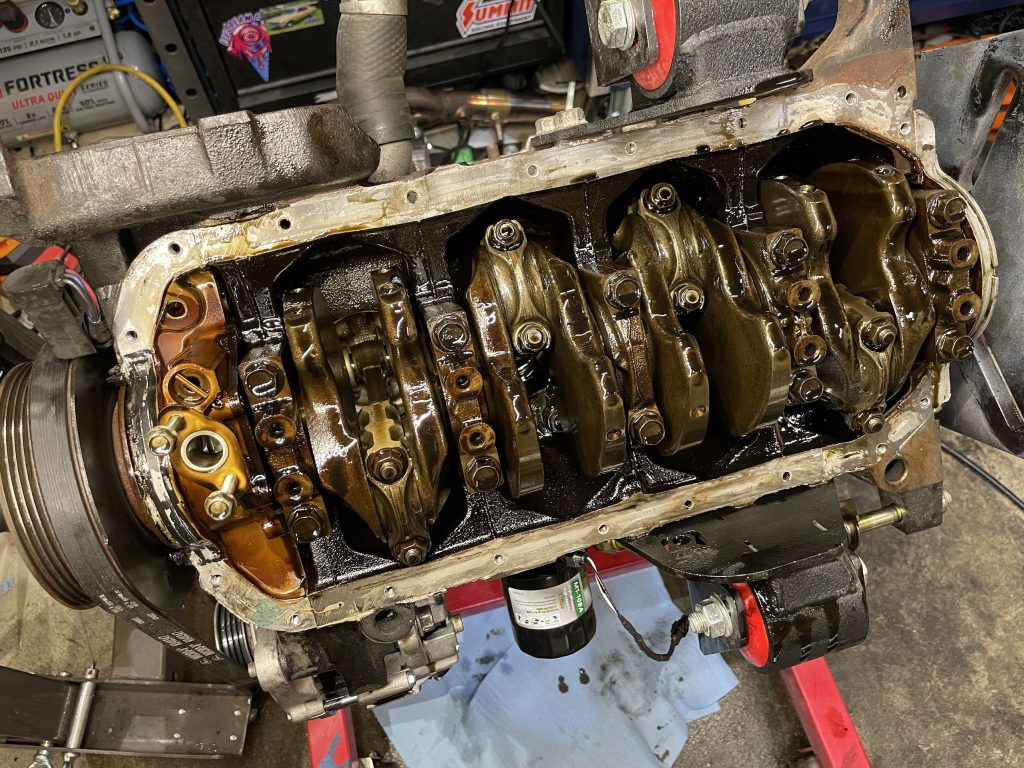
- Observed Benefits: Lower stabilized oil and coolant temperatures during sustained high-RPM use.
- Technical Challenges: The reroute makes the cooling system harder to "bleed" or purge of air bubbles. The use of a spill-proof funnel is required to ensure the highest point in the system is the radiator cap rather than the rear thermostat housing.
Intake Manifold Evolution: The "Flat-top" Upgrade
The final major modification involved the intake system. The 2000 model year NB originally featured the Variable Inertia Charging System (VICS), which uses butterflies to change the effective runner length. To simplify the engine and optimize high-RPM flow, a "Flat-top" manifold from the European and Japanese (EUDM/JDM) markets was installed.
The Flat-top manifold lacks the internal butterflies of the VICS or the later VICs (Variable Intake Control System) found in 2001+ models. Engineering data indicates that while there may be a slight loss in low-end torque, the Flat-top provides superior volumetric efficiency at the top of the power band, making it the preferred choice for track-focused builds where the engine spends the majority of its time between 5,000 and 7,000 RPM.
Post-Operational Analysis and Future Implications
Despite the meticulous nature of the overhaul, the project serves as a reminder of the complexities of vintage automotive engineering. After 500 miles of operation, a residual oil leak was detected at the rear of the engine. This development has led to a strategic pivot: the acquisition of a spare BP4W engine from a specialized importer (Prestige Spares).
Analysis of the "Project Creep" Phenomenon:
The outcome of this engine pull illustrates a common reality in the "tuner" community. Even with the use of specialized tools and high-quality seals, 20-year-old castings and mating surfaces can present unforeseen challenges. The decision to source a spare engine allows for a "zero-hour" rebuild to be conducted on a stand, minimizing vehicle downtime and ensuring that the next installation achieves the goal of total fluid retention.
In conclusion, the winter overhaul of the NB Miata was a success in terms of performance—delivering faster throttle response, better cooling, and improved shifting—but it also highlighted the persistent maintenance requirements of the platform. As the Miata continues to age, such comprehensive "engine-out" services will likely become standard practice for owners seeking to preserve the performance and reliability of this iconic roadster. The project now moves into a secondary phase, focusing on the long-term sustainability of the drivetrain through a secondary, controlled engine build.