Johny Imanuel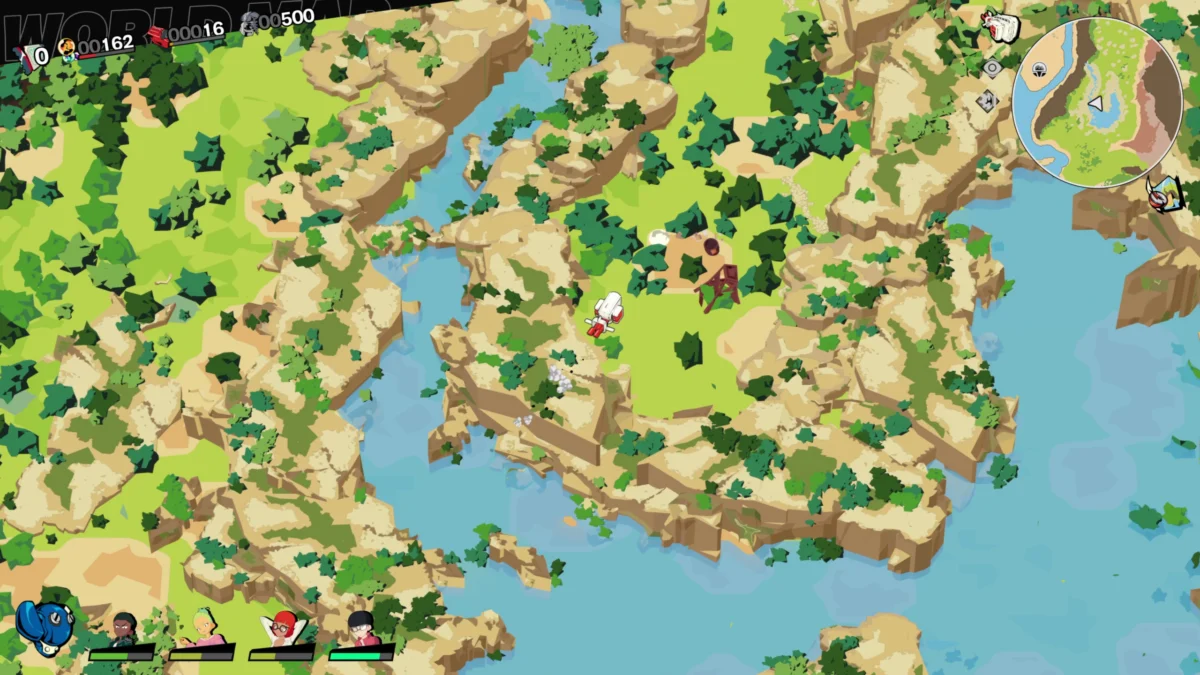
The release of Nitro Gen Omega marks a significant milestone for the independent development studio Destinybit, signaling the culmination of an extensive development cycle that leveraged the Early Access model to refine a complex blend of mecha-themed strategy and social simulation. Emerging from a period of iterative updates and community feedback, the 1.0 launch on PlayStation 5, Xbox Series X, Nintendo Switch, and PC represents a sophisticated homage to the "Real Robot" and "Super Robot" subgenres of Japanese animation. By integrating the tactical depth of turn-based RPGs with the interpersonal management found in life-simulation titles, Destinybit has positioned Nitro Gen Omega as a unique entry in the modern mecha landscape, challenging traditional genre boundaries through its emphasis on crew dynamics and atmospheric storytelling.
Conceptual Foundations and Aesthetic Influences
The creative direction of Nitro Gen Omega is rooted in a deep appreciation for the mecha anime golden age. Observations of the game’s character designs, cinematic camera work, and environmental narrative reveal a structural debt to seminal series such as Mobile Suit Gundam, Neon Genesis Evangelion, and Tengen Toppa Gurren Lagann. Unlike many contemporary titles that prioritize high-octane action, Nitro Gen Omega adopts a "post-apocalyptic mech anime adventure" framework. This distinction is critical to understanding the game’s pacing; it functions less as a power fantasy and more as a survival-focused management simulation where the mechanical giants are fragile assets operated by fallible human beings.
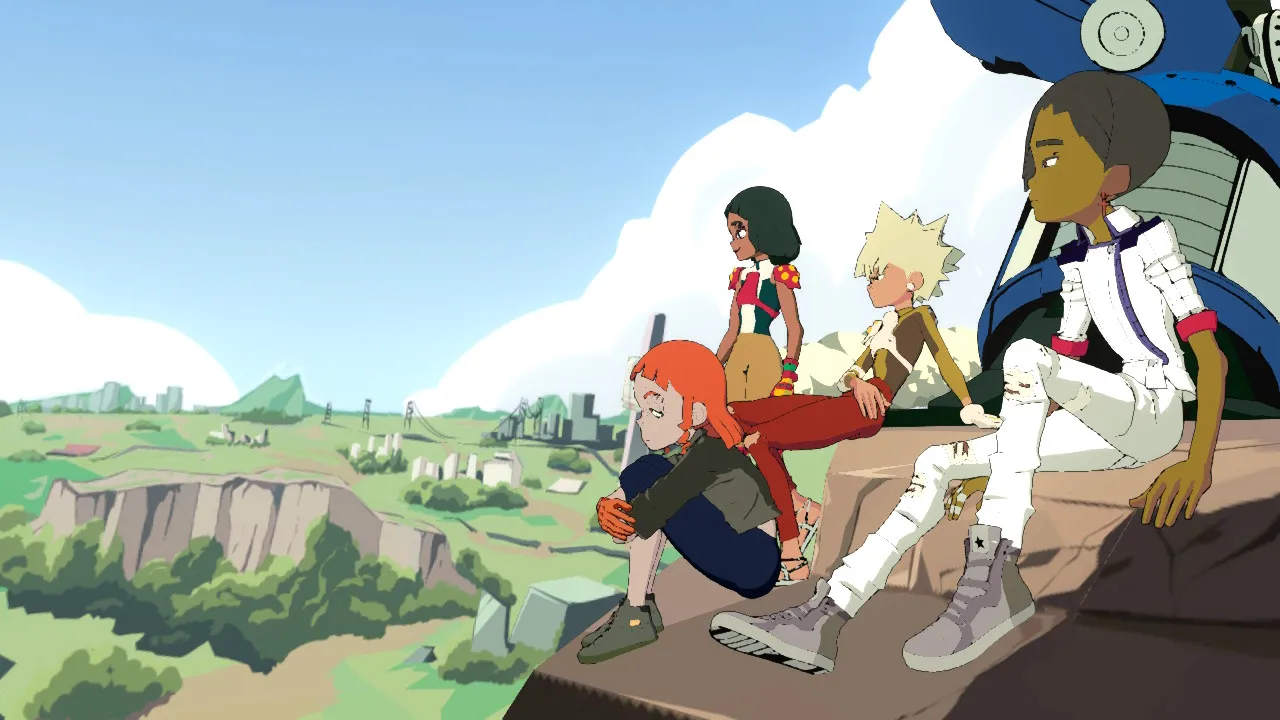
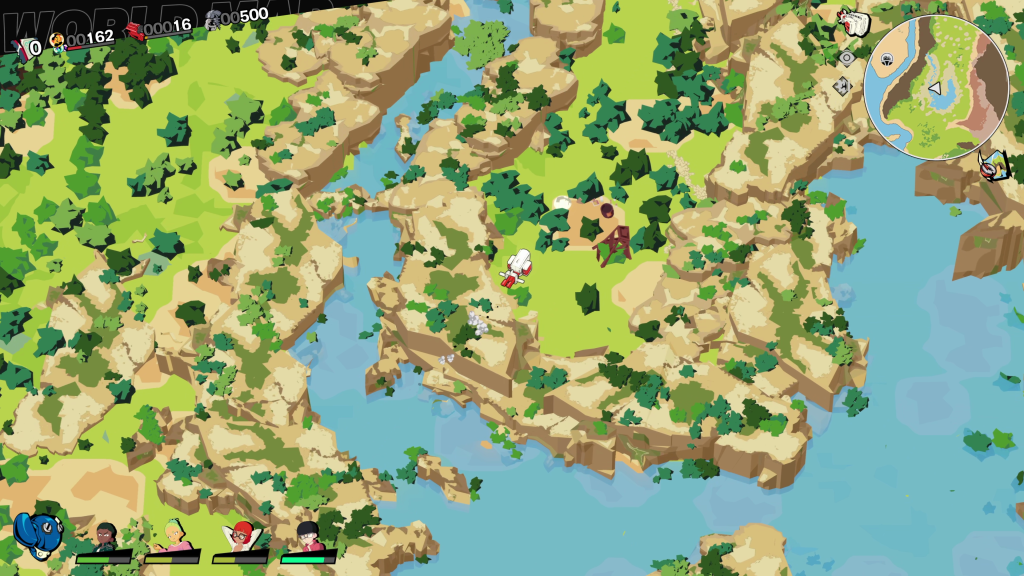
The visual language of the game utilizes dramatic angles during combat resolutions to mimic the "sakuga" (high-quality animation) moments found in high-budget anime. This aesthetic choice serves a dual purpose: it rewards the player for successful tactical planning and reinforces the high stakes of the post-apocalyptic setting. The world of Nitro Gen Omega is one of stark contrasts, pitting the sterile, high-tech environments of humanity’s cloud-top tower cities against the desolate, robot-infested ruins of the surface world.
Narrative Architecture and World-Building
The narrative trajectory of Nitro Gen Omega follows a classic "underdog" arc, beginning with the formation of a small mercenary unit. Players assume control of a four-person crew, procedurally generated and randomized, who operate under the jurisdiction of "Anchorage." In this setting, humanity has been driven from the Earth’s surface by a rogue artificial intelligence and its legion of autonomous drones. The survivors reside in "pillar towns"—massive architectural structures that extend above the cloud layer to escape the reach of the AI.
The game’s progression system is tied to "Notoriety." Initially, the mercenary crew is relegated to routine patrols and low-stakes skirmishes. As their reputation grows through successful sorties, they are entrusted with more substantial responsibilities. This shift in scale transforms the player’s unit from a desperate band of scavengers into a pivotal force capable of reclaiming territory from the AI. The narrative emphasizes the weight of these responsibilities, illustrating how the actions of a few individuals can influence the survival of the remaining human population.
Combat Mechanics: The Timeline and Resolution Phases
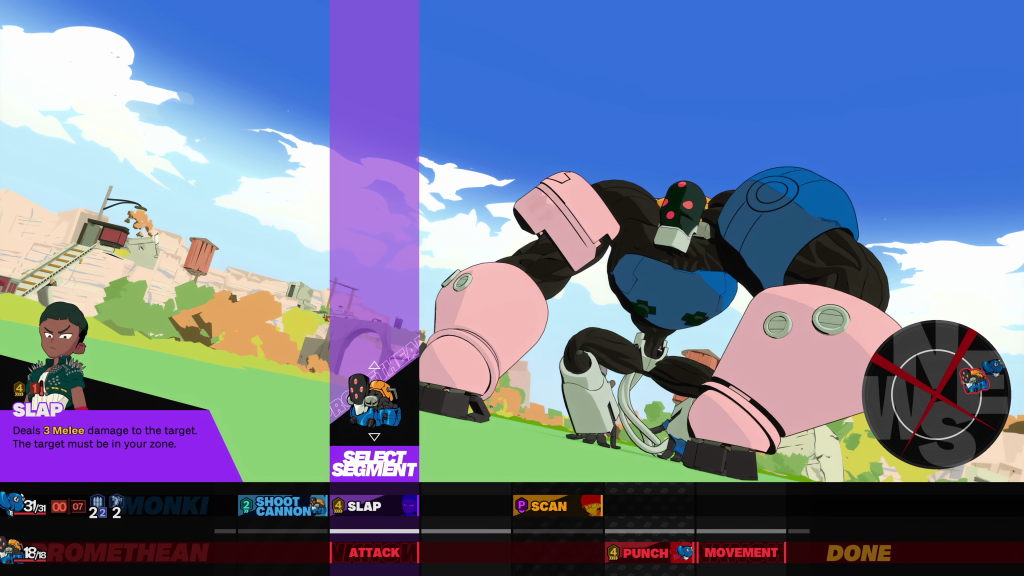
The core of Nitro Gen Omega’s gameplay is its "Timeline-based" combat system, which departs from traditional turn-based tropes. Rather than instantaneous actions, combat is divided into a Planning Phase and a Resolution Phase. This system requires players to anticipate enemy movements and synchronize the actions of their four-person crew within a unified mechanical unit.
Each crew member fulfills a specific, non-redundant role within the mech:
- The Driver: Responsible for positioning and physical maneuvers. The Driver moves the unit between quadrants and executes offensive or defensive actions such as "Slap" or "Guard."
- The Gunner: Manages the mech’s primary and secondary weapon systems. Their effectiveness is dictated by ammunition counts and the timing of reloads.
- The Engineer: Acts as the system’s primary support, deploying coolant to prevent overheating and repairing structural damage mid-battle.
- The Operator: Provides tactical utility by scanning enemies for weaknesses and deploying evasive measures, such as smoke screens, to mitigate incoming fire.
The tactical complexity arises from the interaction between these roles. For instance, a player might schedule the Driver to move into an optimal quadrant while the Operator scans the target, followed by the Gunner firing a heavy cannon and the Engineer immediately venting the resulting heat. The Resolution Phase then plays out these commands in a cinematic sequence, allowing players to observe the outcome of their strategy without further intervention.
The Social Simulation: Crew Management and Activity Tokens
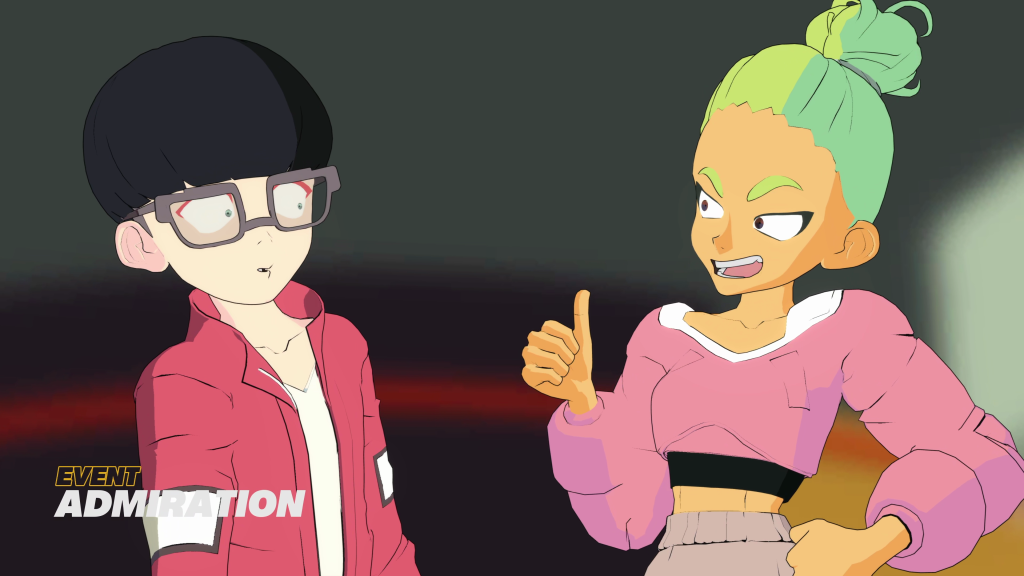
A distinguishing feature of Nitro Gen Omega is the "management" layer that occurs between combat missions. The game posits that the psychological state of the pilots is as vital as the mechanical integrity of the mech. Players earn "Activity Tokens" through successful operations, which are spent at the mercenary base to influence the crew’s relationships, moods, and physical health.
The base includes various facilities, such as a Game Area where pilots can engage in arcade games or Shogi. These activities are not merely flavor text; they directly impact combat performance. Pilots who share positive relationships may assist one another during the Resolution Phase, providing buffs or follow-up attacks. Conversely, internal friction can lead to sabotage. If two pilots have recently argued, one might ignore a command or hinder a teammate’s action during a crucial moment in battle.
Management metrics include:
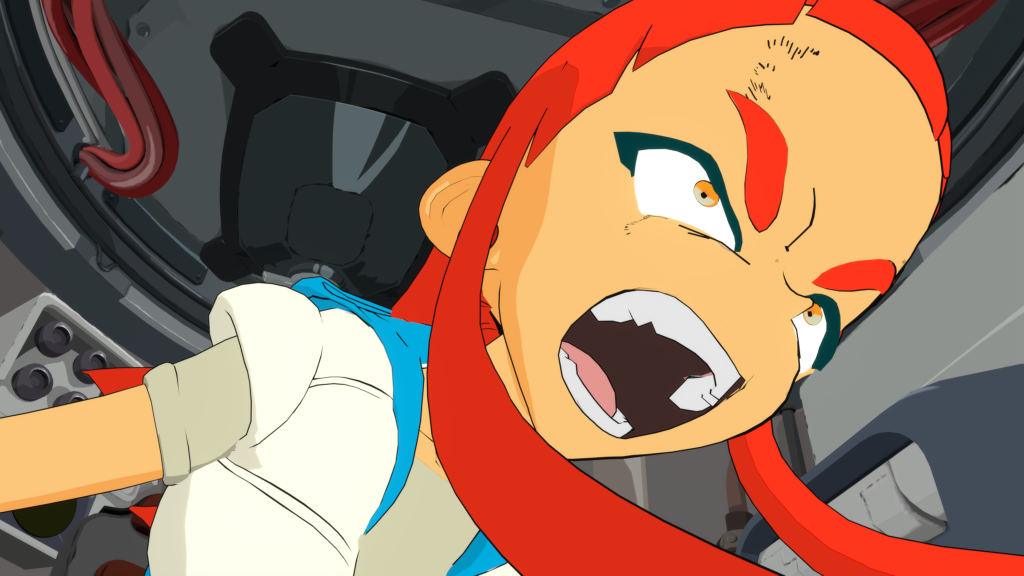
- Health: The physical condition of the pilot, affecting their ability to withstand the g-forces and stresses of combat.
- Mood: Ranging from "Content" to "Depressed," mood affects the reliability of a pilot’s actions.
- Fatigue: Accumulated through missions and training. High fatigue levels increase the risk of errors and long-term injury.
- Aspirations: Personal goals for each pilot. Completing these unlocks additional skill slots, allowing for greater specialization in their respective roles.
Development Chronology and Quality of Life Enhancements
The path to the 1.0 release of Nitro Gen Omega involved a multi-year stint in Early Access, a period Destinybit used to address significant balance issues and user interface (UI) complexities. Early iterations of the game were noted for a steep learning curve and a lack of clarity regarding role-specific mechanics. The feedback gathered during this phase led to the implementation of "Quality of Life" (QoL) features, including a more detailed tutorial system and refined UI elements that better communicate the status of the "Timeline."
Despite these improvements, the game retains a level of mechanical density that may be challenging for newcomers. The UI, while stylish and thematic, requires a period of acclimation. Furthermore, the game’s difficulty spikes during later campaign missions, where failure can result in a permanent "Game Over" state. This necessitates a degree of "grinding" through sidequests and robot skirmishes to ensure the crew and their machine are sufficiently leveled for the escalating threat of the rogue AI.
Technical Specifications and Customization
Nitro Gen Omega offers a robust character creation suite, allowing players to design their own mercenary avatars. While the creator features a wide array of color palettes, the initial selection of facial features, hairstyles, and clothing is somewhat focused. An interesting design choice by Destinybit is the limitation on where custom characters appear; they are often integrated into the world as NPCs in the tower cities rather than being forced into the starting mercenary team, unless specific options are toggled at the start of a new game.

Technically, the game has been optimized for current-generation consoles. On the PlayStation 5 and Xbox Series X, Nitro Gen Omega targets high-fidelity resolutions and stable frame rates to maintain the fluidity of its anime-inspired combat sequences. The PC version offers more granular control over graphical settings, catering to a wide range of hardware configurations.
Market Positioning and Industry Analysis
The release of Nitro Gen Omega comes at a time of renewed interest in the mecha genre, following the success of high-profile titles like Armored Core VI: Fires of Rubicon. However, Nitro Gen Omega carves out a niche by focusing on the "human element" of mecha warfare. By blending the tactical planning of games like Into the Breach with the social dynamics of Persona or Fire Emblem, Destinybit has created a hybrid experience that appeals to both strategy enthusiasts and fans of character-driven narratives.
Industry analysts suggest that the success of Nitro Gen Omega will likely depend on its ability to bridge the gap between "hardcore" strategy players and more casual anime fans. The game’s "freeform" nature and deep customization offer significant replay value, but the aforementioned UI hurdles and difficulty spikes remain potential barriers to mainstream adoption. Nevertheless, its original approach to the "Timeline" combat system and its commitment to a specific aesthetic vision make it a standout title in the independent RPG sector.
Future Outlook and Implications
As Nitro Gen Omega transitions into its post-launch phase, the focus for Destinybit will likely shift toward long-term support and potential expansion content. The procedurally generated nature of the pilots and missions provides a solid foundation for "roguelite" elements, which could be further expanded in future updates. Moreover, the lore surrounding the rogue AI and the "Anchorage" organization leaves ample room for narrative sequels or DLC that explores other tower cities within the game’s universe.
In conclusion, Nitro Gen Omega represents a bold experiment in genre-blending. It successfully captures the spirit of classic mecha anime while introducing innovative gameplay systems that emphasize the importance of human relationships in the face of mechanical extinction. For players willing to invest the time to master its complexities, the game offers a rewarding and atmospheric journey into a beautifully realized post-apocalyptic world.
Nitro Gen Omega is currently available for purchase on the PlayStation 5, Xbox Series X, Nintendo Switch, and PC via Steam and other digital storefronts.