Johny Imanuel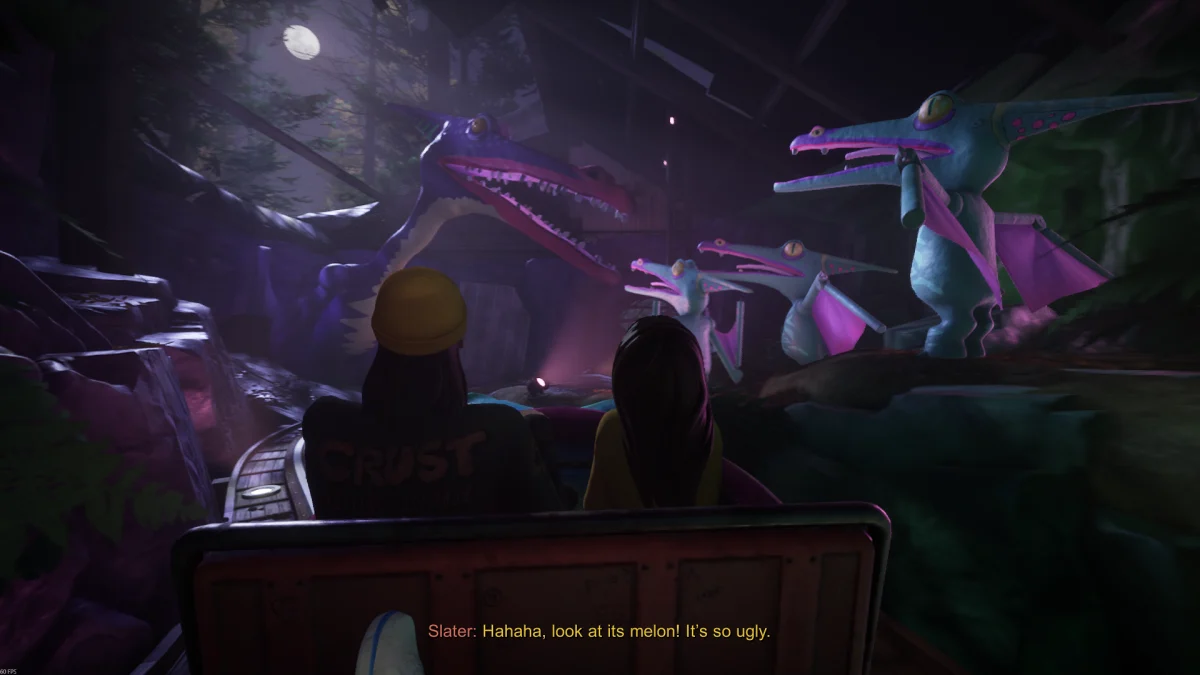
The interactive entertainment industry has seen a significant shift toward narrative-driven experiences that prioritize atmospheric storytelling and emotional resonance over traditional combat or high-stakes competition. At the forefront of this movement is Mixtape, the latest title from developer Beethoven & Dinosaur, published by Annapurna Interactive. Known for their visually stunning and music-centric debut, The Artful Escape, the development team has returned to the theme of musical self-discovery, though this time trading cosmic landscapes for the grounded, albeit stylized, suburbs of the late 20th century. Mixtape is a story-focused adventure that utilizes a licensed soundtrack of alternative rock and punk to explore the complexities of teenage friendship, the anxiety of impending adulthood, and the subjective nature of memory.
Narrative Architecture and Character Archetypes
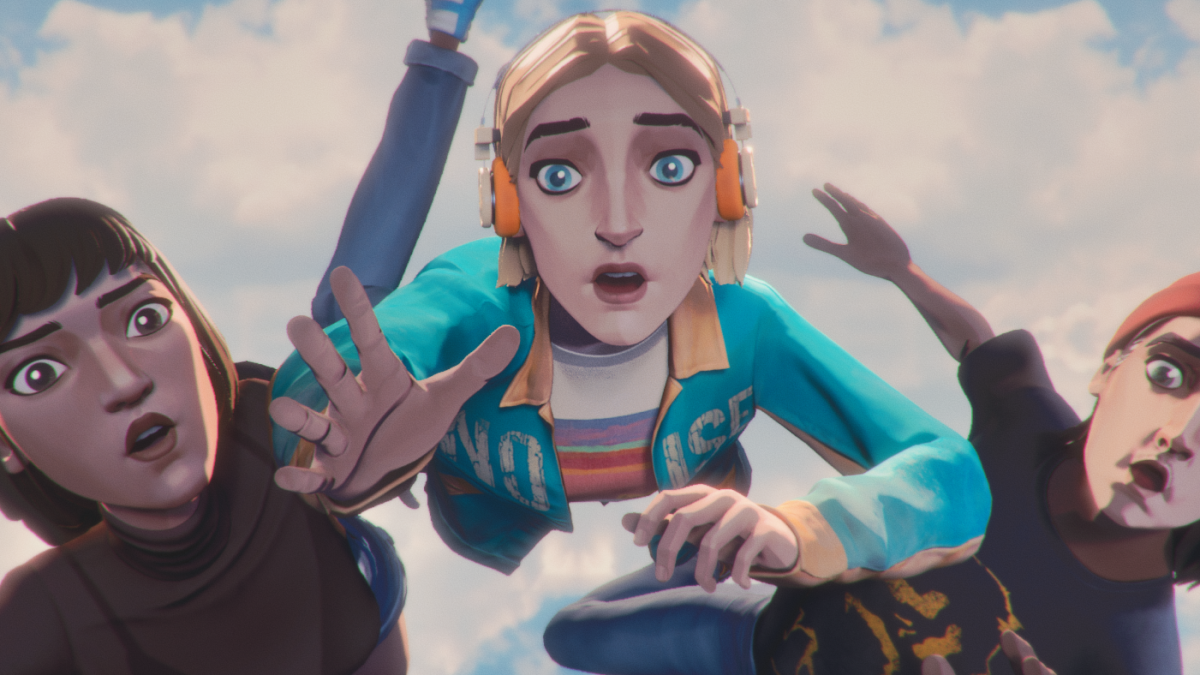
The core of Mixtape centers on a trio of high school students—Stacey Rockford, Slater, and Cassandra—on their final night together before embarking on their respective paths after graduation. The narrative is structured as a series of vignettes triggered by musical tracks, functioning as a "playable mixtape" that chronicles the group’s shared history. Stacey Rockford serves as the central protagonist and the primary lens through which the player experiences the world. Characterized as a "playlist sommelier," Stacey exhibits a hyper-fixation on musical curation that many critics and players have identified as a portrayal of neurodivergent traits. Her personality is defined by a blend of recklessness and a contagious passion for the audio-visual language of her youth, though this often manifests as a form of self-absorption that dictates the group’s social dynamics.
The supporting cast provides the necessary emotional ballast to Stacey’s high-energy persona. Slater, initially presented as a conventional "stoner-bro" archetype, is gradually revealed to possess a sensitive and empathetic interior. His role in the group often involves mediating the friction caused by Stacey’s impulsive decisions. Conversely, Cassandra represents the emotional core of the narrative. Coming from a strict, achievement-oriented household, Cassandra’s rebellion involves aligning herself with Stacey and Slater, the school’s perceived delinquents, in an attempt to forge an identity independent of her parents’ expectations. The interpersonal dynamics between these three characters form the primary engine of the game, utilizing the "last night" trope to heighten the emotional stakes of their interactions.
Gameplay Mechanics and the Vignette System
Mixtape departs from conventional game design by minimizing traditional challenge and fail states. The gameplay loop primarily involves exploring detailed environments, such as the characters’ bedrooms or local suburban hangouts, and engaging with various interactables. These interactions serve as catalysts for flashbacks, which are presented as stylized mini-games. The variety of these mini-games is broad, ranging from casual sports and urban exploration to more mischievous activities like vandalizing the school principal’s home with toilet paper.
A defining feature of the gameplay is its lack of a punishing difficulty curve. When a player fails to complete a specific objective within a mini-game, the software typically utilizes a "rewind" mechanic, allowing the player to immediately attempt the sequence again without significant progress loss. This design choice emphasizes the "structureless play" characteristic of adolescence, where the act of "messing around" is more important than the achievement of a specific goal. The mini-games are designed to be whimsical and short, ensuring that the pacing of the narrative remains consistent with the length of the accompanying musical tracks.
The Curated Soundtrack and Cultural Context
As the title suggests, the soundtrack is the foundational element of Mixtape. The game features a licensed library of tracks spanning several decades, with a heavy emphasis on the alternative rock scene of the 1990s. The selection is intentionally anglocentric, reflecting the specific cultural milieu of the protagonist. While the game does not explicitly define its timeline, the presence of specific musical genres and technological artifacts places the events in a period of transition between the analog and digital eras.
The "mixtape" within the game is a diegetic tool used by Stacey to influence the emotions of those around her. She claims a "cosmic talent" for using music to alter the atmosphere of a room or the trajectory of an evening. However, the narrative also provides subtle cues that this perceived power may be a byproduct of Stacey’s forceful personality rather than the music itself. This tension between Stacey’s self-perception as a musical visionary and her friends’ recognition of her self-absorption provides a layer of thematic depth that elevates the story beyond a simple nostalgia trip. The soundtrack includes influential artists that defined the era, serving both as a background for the gameplay and as a narrative device that triggers specific memories and emotional states for the characters.
Development Pedigree and Visual Aesthetic
The development of Mixtape was led by Johnny Galvatron and the team at Beethoven & Dinosaur. Following the success of The Artful Escape, which won numerous awards for its art direction and sound design, the studio sought to apply its unique visual language to a more grounded setting. Mixtape utilizes a distinct art style that combines 3D environments with character animations that evoke the feel of stop-motion cinematography. This "choppy" animation style adds a layer of artifice to the presentation, reinforcing the idea that the player is witnessing a curated, potentially unreliable memory rather than a direct recording of events.
The visual direction is heavily influenced by 90s skate culture, music videos, and teen cinema. The use of color is particularly noteworthy, with vibrant, saturated palettes used during high-energy musical sequences, contrasting with the more muted tones of the "present day" scenes in the cast’s bedrooms. This visual contrast serves to differentiate between the mundane reality of their final night together and the legendary status they accord to their past adventures.
Technical Specifications and Platform Availability
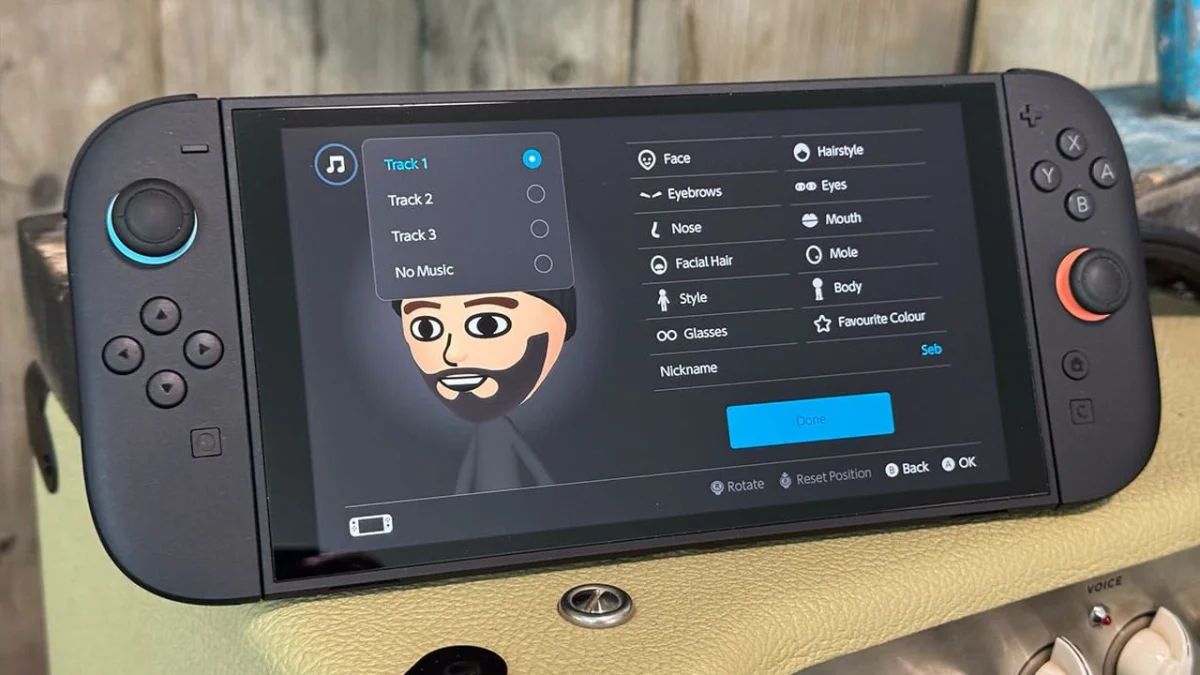
Mixtape has been developed for a wide range of modern hardware, ensuring broad accessibility for its narrative-focused audience. The game is available on the PlayStation 5 and Xbox Series X/S, where it utilizes high-speed SSDs to ensure seamless transitions between the "present" and the flashback vignettes. Notably, the game is also cited as a title for the Nintendo Switch 2, indicating the developer’s commitment to next-generation portable hardware. For PC players, the game is distributed via Steam and the Epic Games Store.
The technical requirements for the PC version are relatively modest, focusing on visual fidelity and art style over raw processing power. The game supports various accessibility features, including customizable subtitles and the aforementioned rewind mechanic, which allows players of all skill levels to experience the full story without being hindered by mechanical barriers.
Industry Impact and the Evolution of Nostalgia Gaming
The release of Mixtape occurs during a period where "nostalgia gaming" has become a significant sub-genre within the indie space. Games like Life is Strange, Night in the Woods, and Gone Home have paved the way for titles that focus on the specificities of late 20th-century youth culture. Mixtape contributes to this trend by focusing specifically on the role of curated media—the mixtape—as a primary form of communication and identity formation.
Market analysts note that the appeal of such games often lies in their ability to evoke a sense of "anemoia"—nostalgia for a time one has never personally experienced—particularly among younger players who find the analog nature of the 90s to be a compelling setting for drama. For older players, the game serves as a direct reflection of their own experiences, utilizing licensed music as a powerful mnemonic device.
Critical Analysis and Thematic Implications
While Mixtape has been praised for its heart and genuine emotional beats, some critics have pointed toward the limitations of its perspective. By centering the entire experience on Stacey Rockford, the game occasionally misses opportunities to explore the internal lives of Slater and Cassandra in greater depth. The "weapons-grade nostalgia" employed by the game can be a double-edged sword; while it creates a potent atmosphere, it also risks alienating players who do not share the protagonist’s specific cultural or musical tastes.
Furthermore, the game’s interrogation of Stacey’s authority over the group’s tastes remains relatively light. There is a missed opportunity to explore how Slater and Cassandra might have pushed back against Stacey’s "musical snobbery." However, as a character study of a specific type of music-obsessed teen, Mixtape is highly effective. It captures the feeling of being young and believing that the song playing in your headphones is the most important thing in the world.
Conclusion and Future Outlook
Mixtape stands as a testament to the power of music in interactive storytelling. By blending a highly curated soundtrack with a series of whimsical, low-stakes vignettes, Beethoven & Dinosaur has created an experience that prioritizes "vibe" and emotional honesty over traditional gameplay loops. The game’s availability across multiple platforms, including the next generation of Nintendo hardware, suggests a strong confidence in its appeal to a broad demographic of players.
As the industry continues to explore the boundaries of narrative adventures, Mixtape serves as a reminder that sometimes the most compelling stories are not about saving the world, but about the simple, profound moments shared between friends before everything changes. Whether through the lens of 90s alt-rock or the universal experience of growing up, the game invites players to slow down and appreciate the fleeting nature of youth. The success of Mixtape may encourage more developers to look toward personal, culturally-specific histories as a source of inspiration, further diversifying the landscape of modern gaming.